
 Image 1 of 13
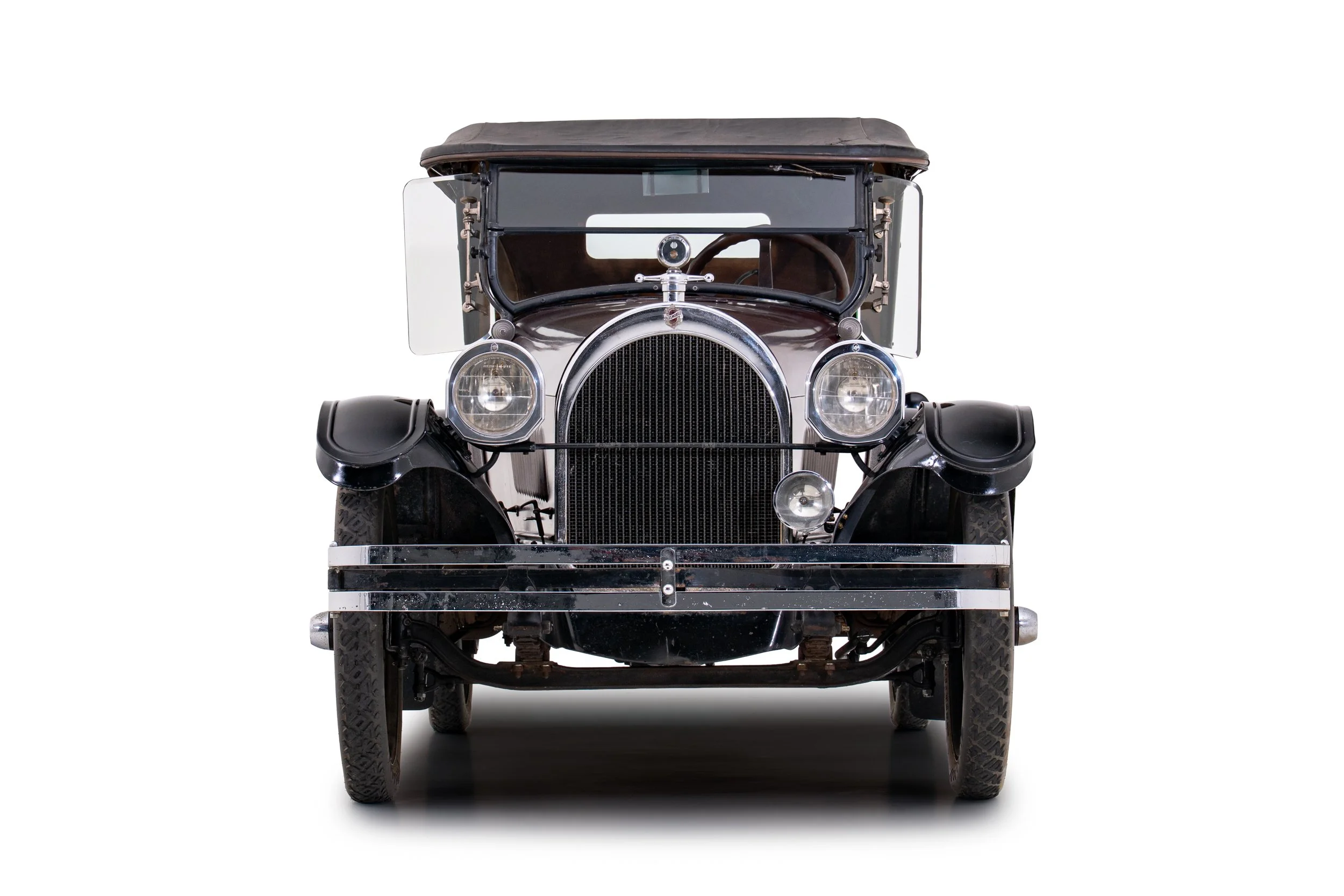 Image 2 of 13
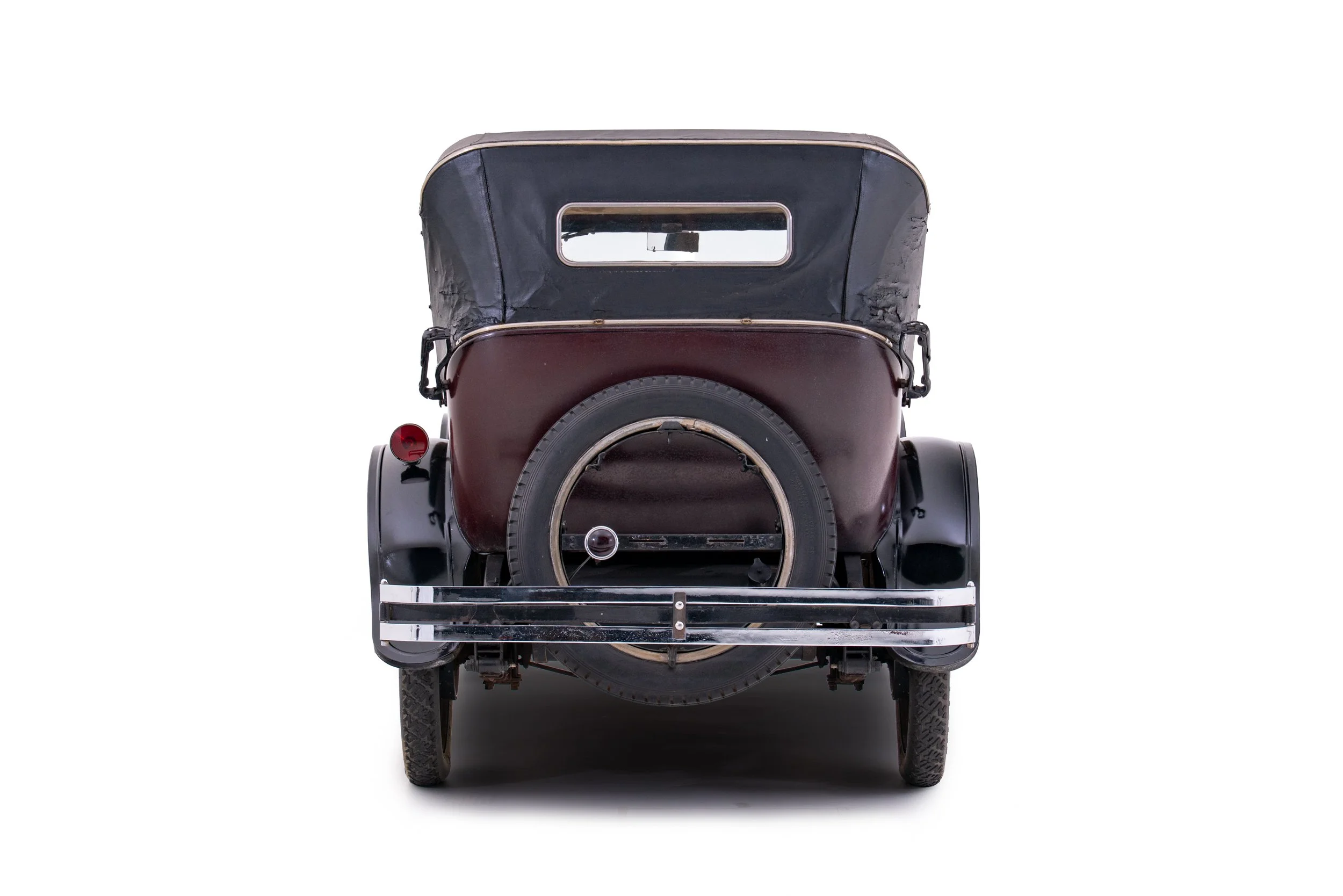 Image 3 of 13
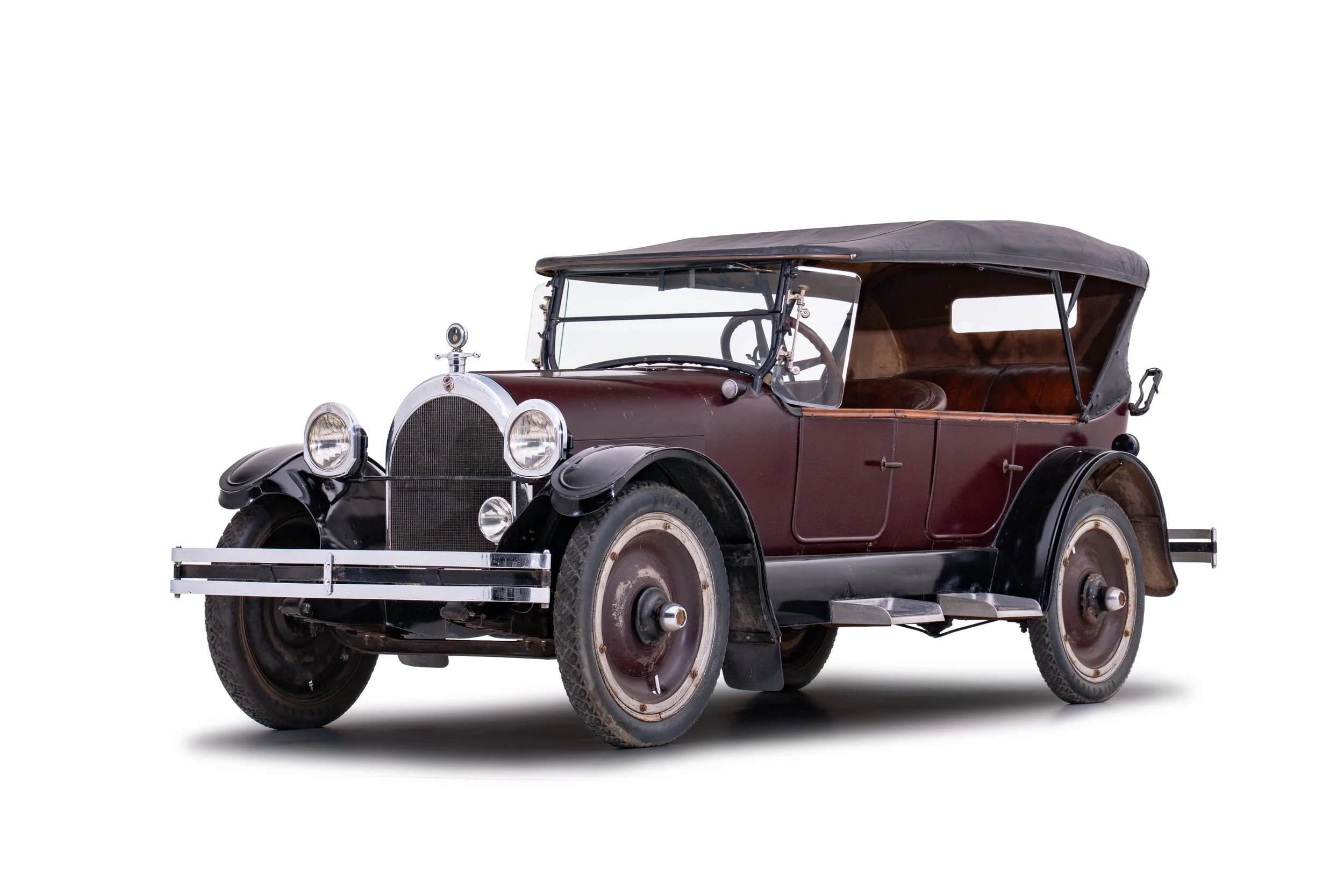 Image 4 of 13
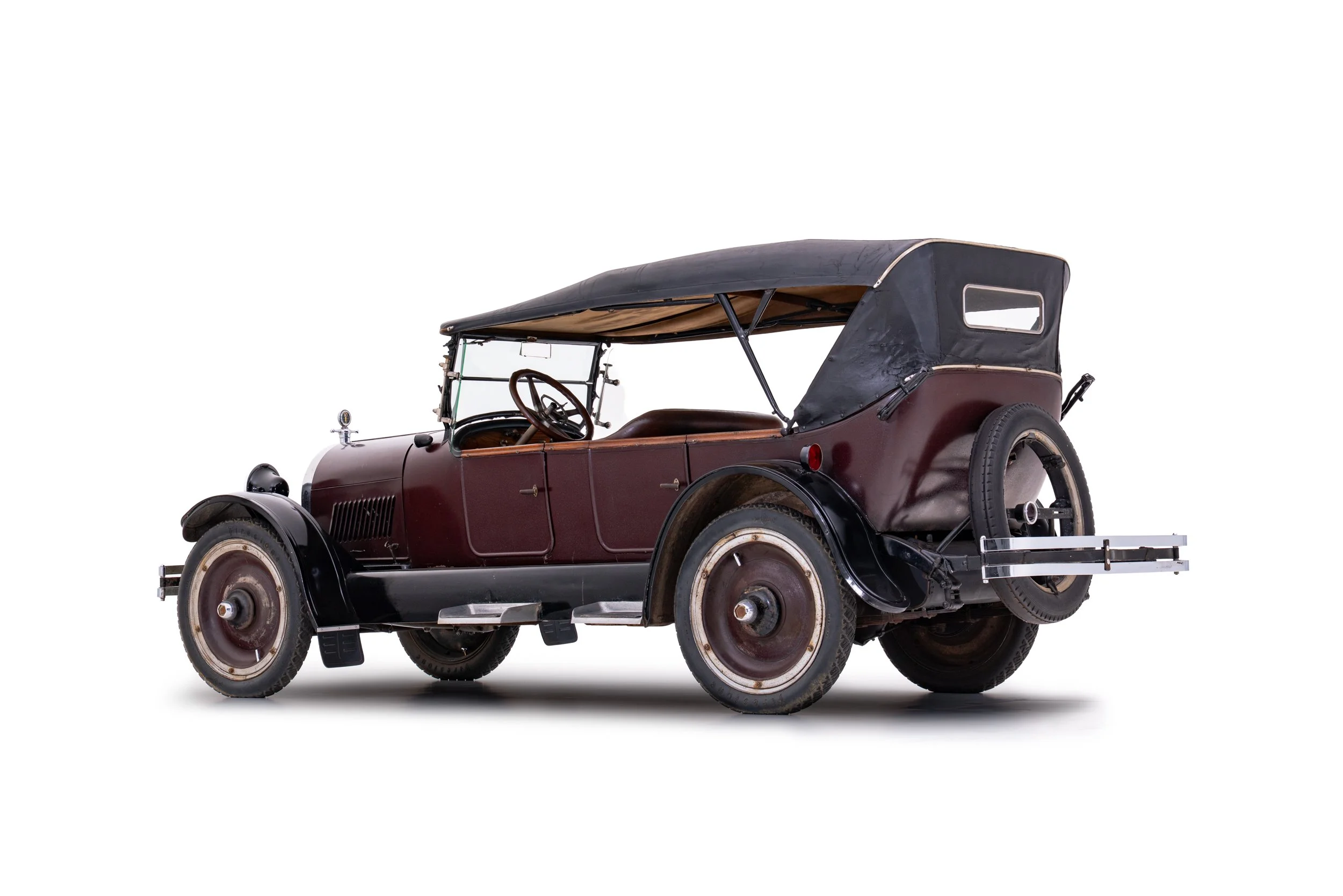 Image 5 of 13
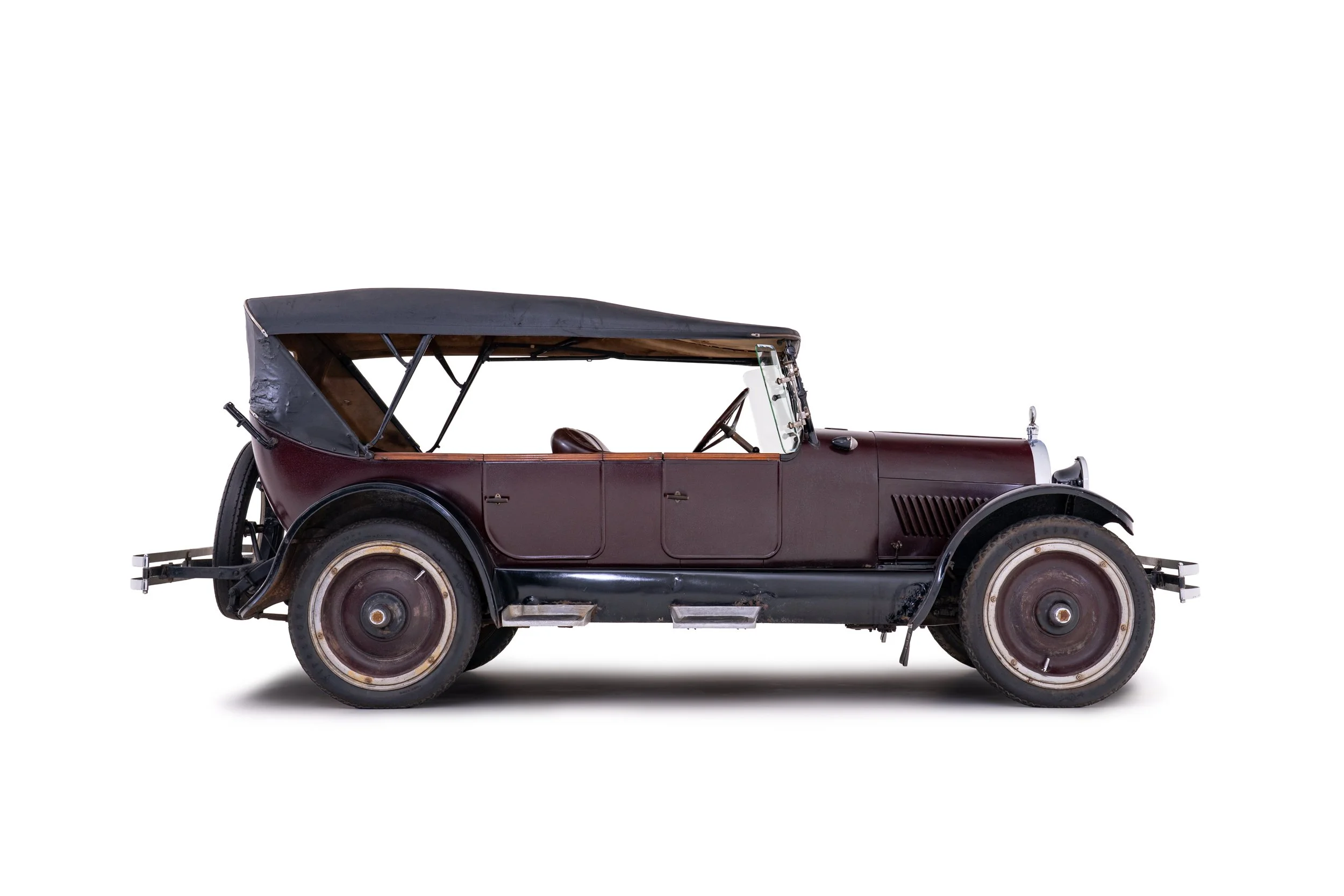 Image 6 of 13
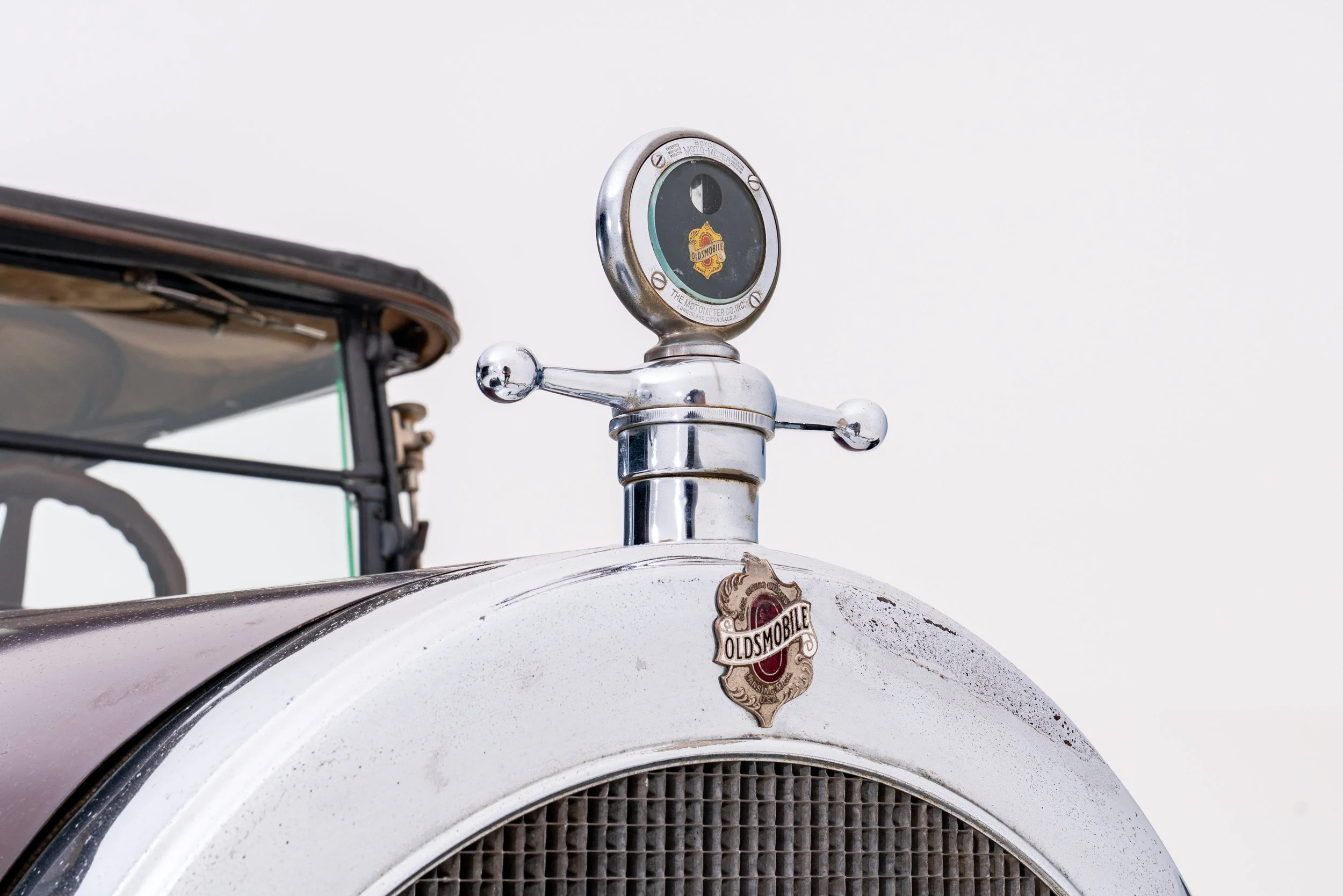 Image 7 of 13
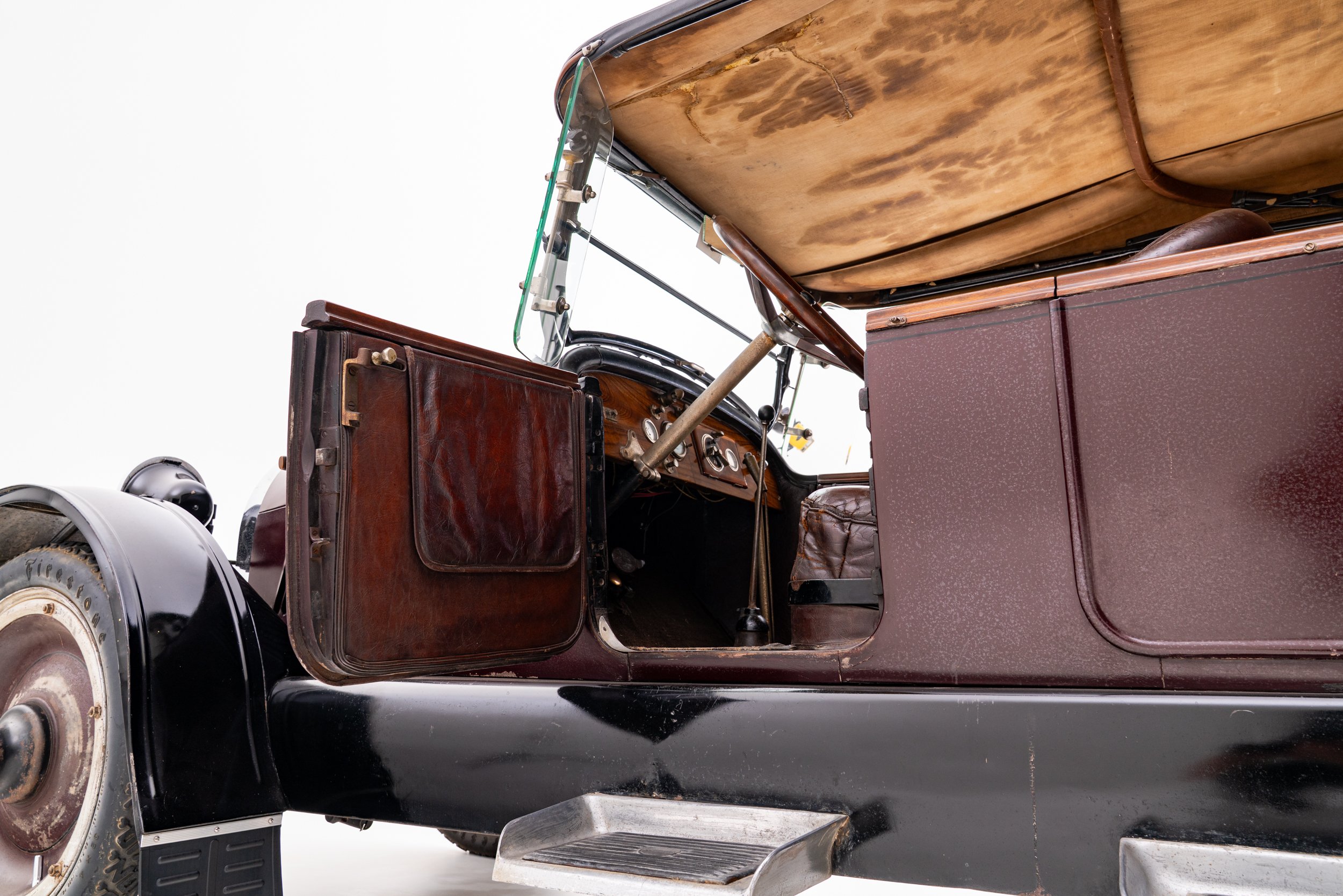 Image 8 of 13
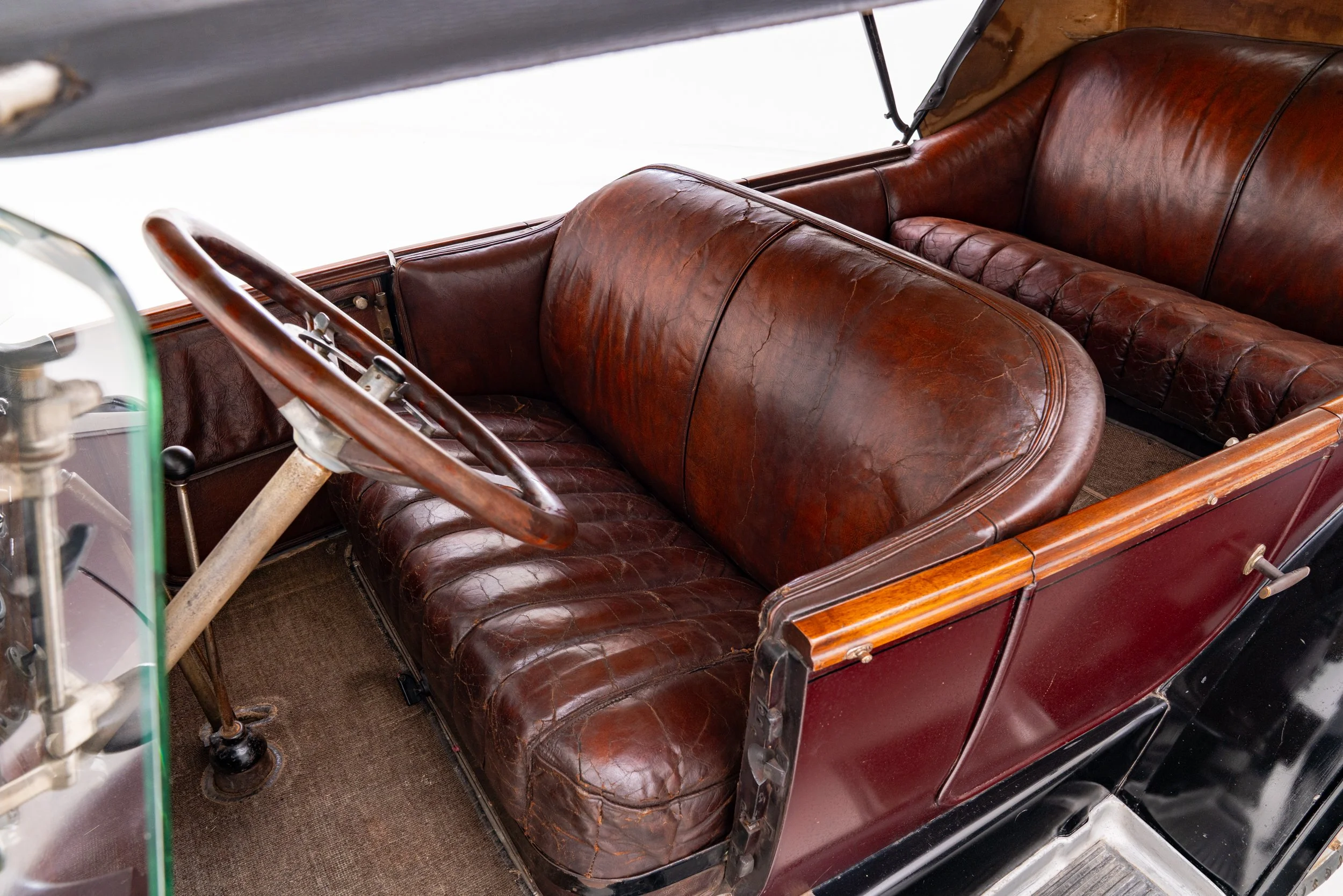 Image 9 of 13
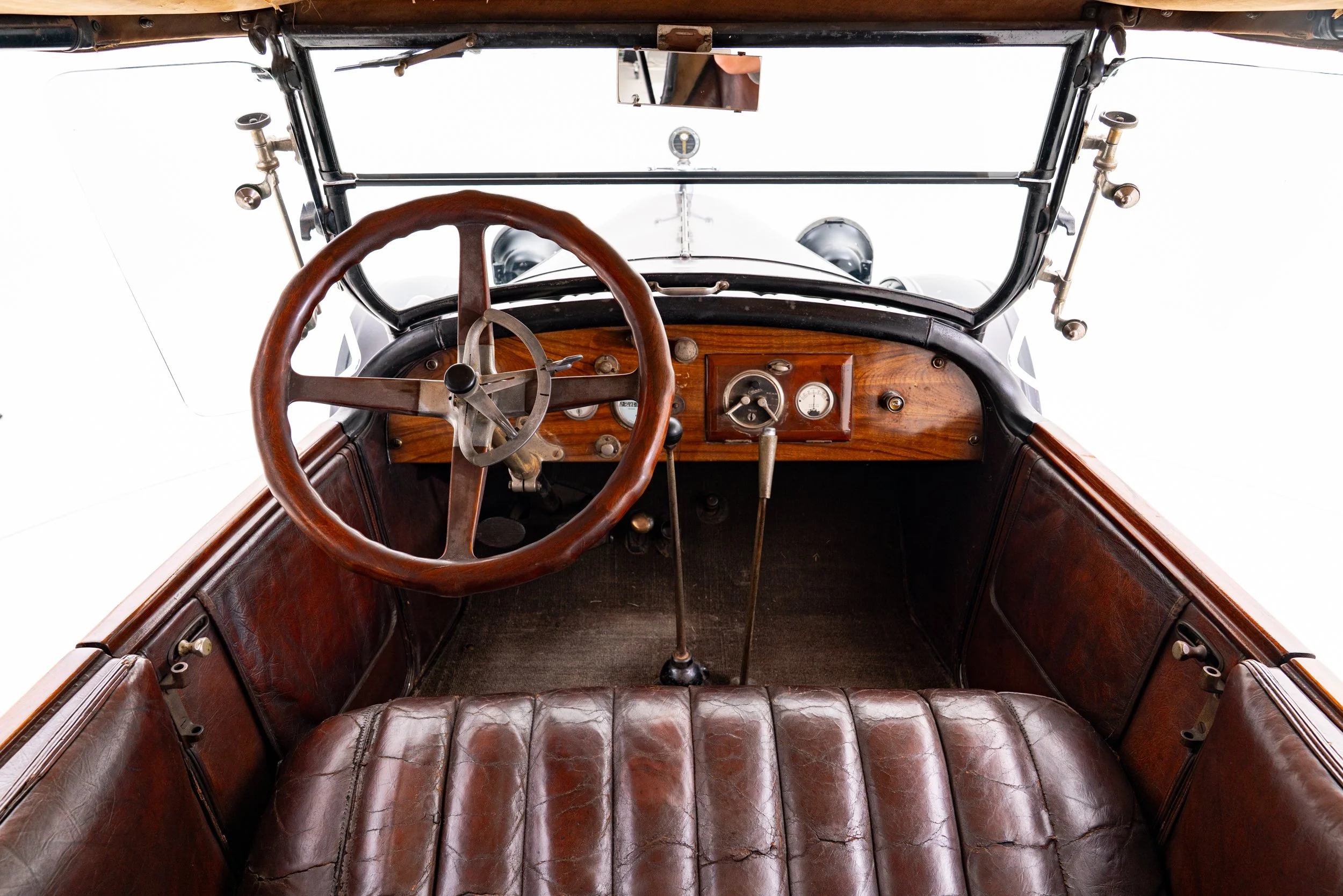 Image 10 of 13
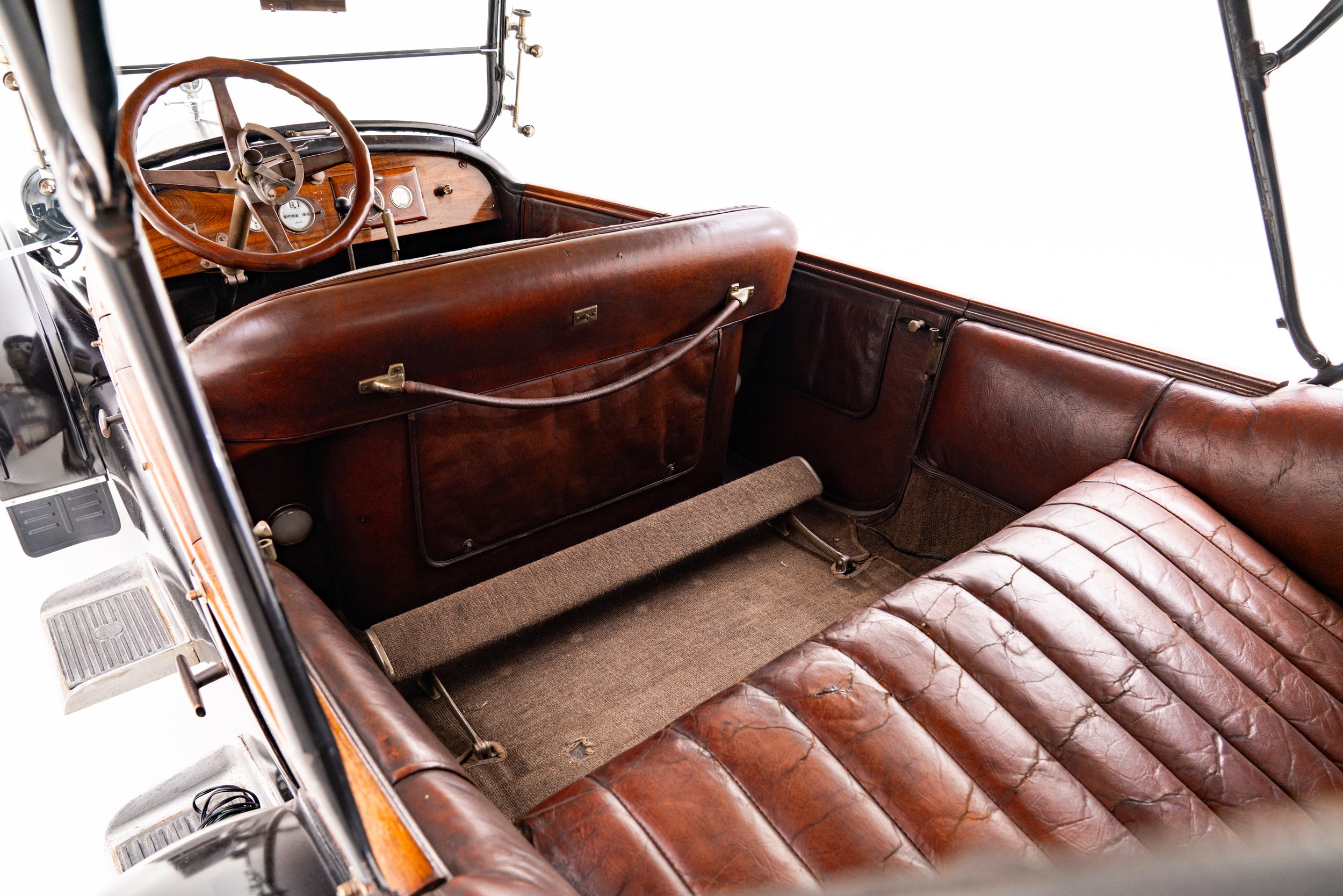 Image 11 of 13
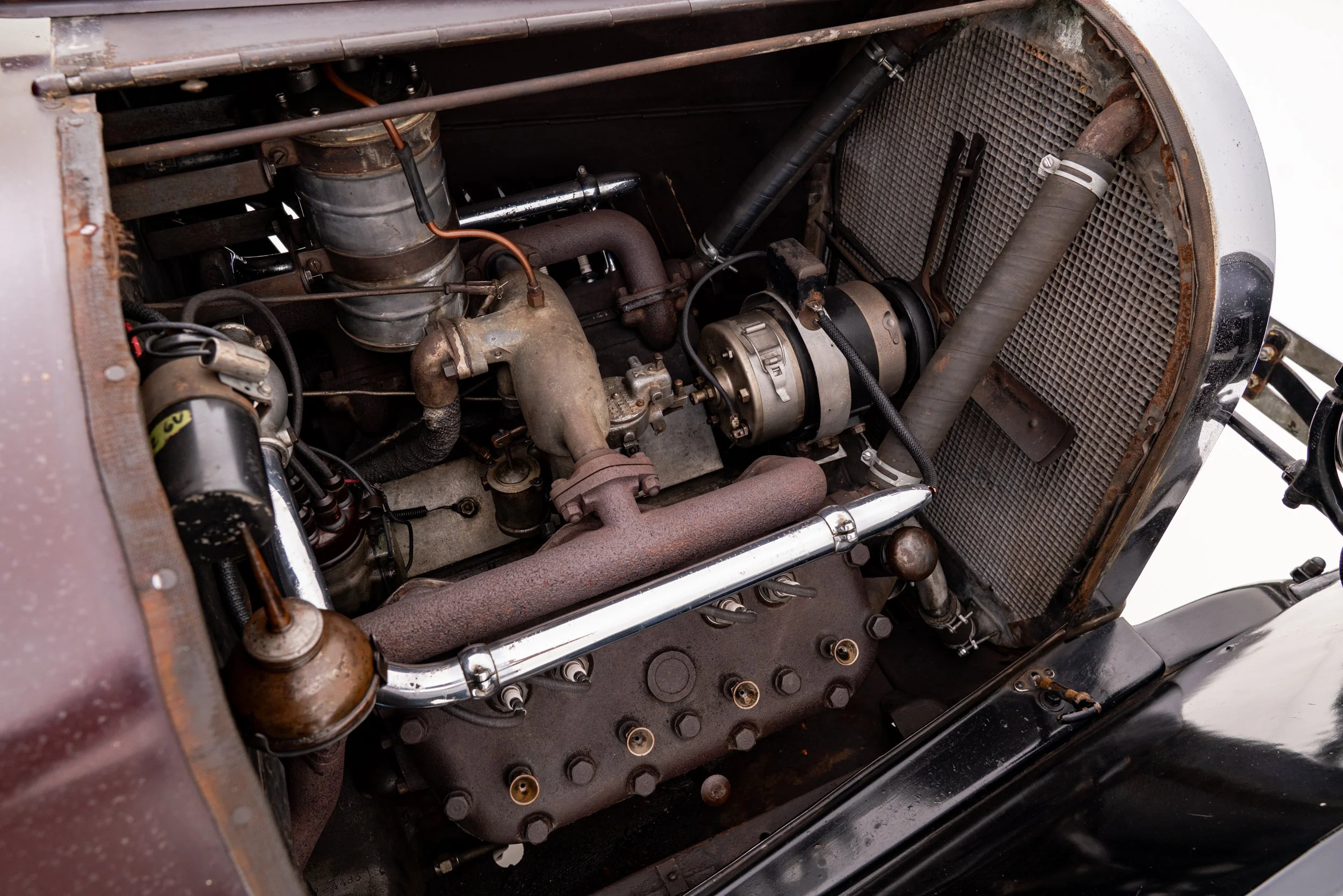 Image 12 of 13
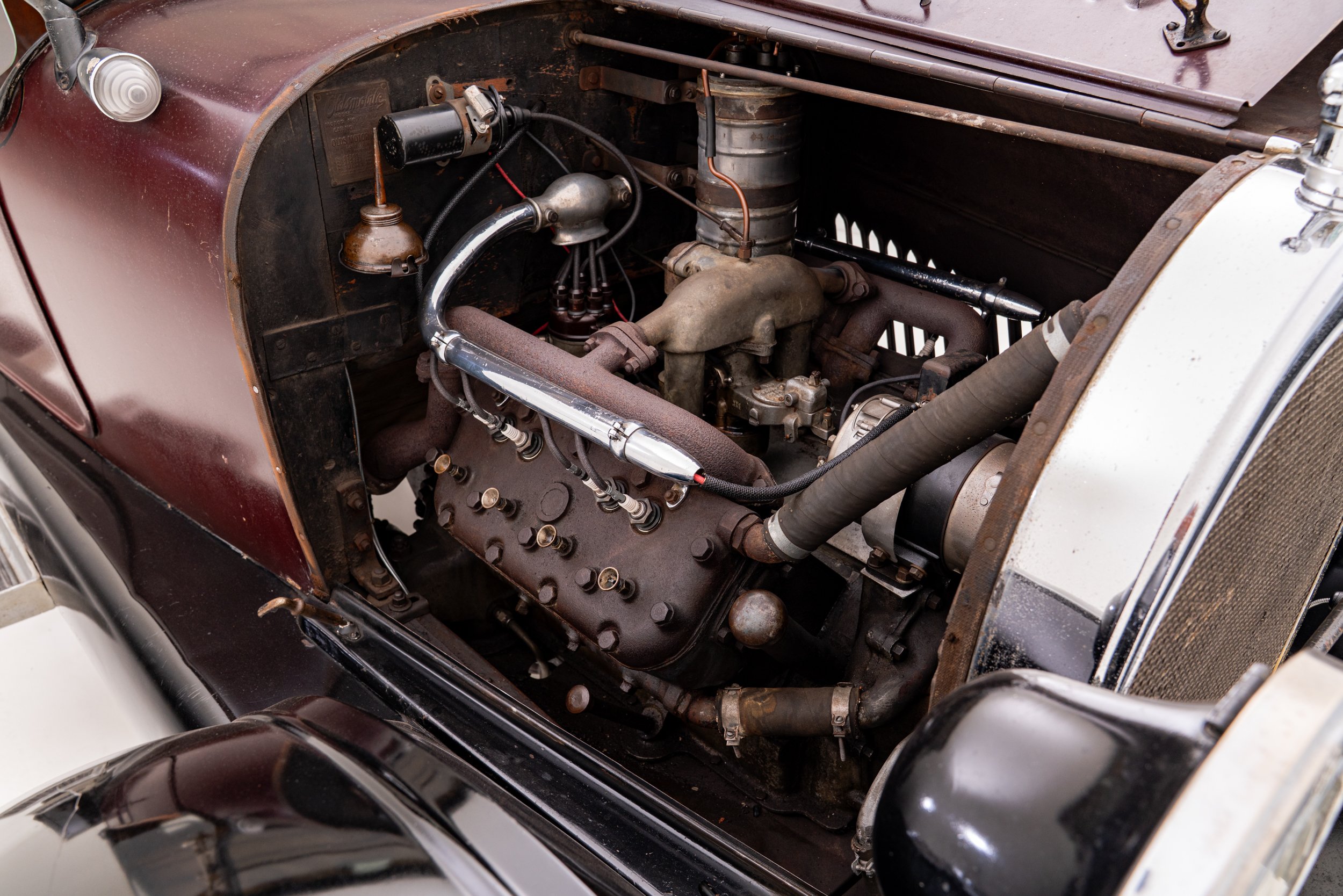 Image 13 of 13
-
Oldsmobile came out of World War I in great shape. Sales were strong throughout the war, the country was upbeat, and it appeared the end of hostilities would be good for business. The company’s good fortunes prior and during the war allowed it to modernize and expand manufacturing facilities. Oldsmobile was poised to produce more cars in a model year than it ever had before. But, it was not going to be that easy.
Like all automobile manufacturers in 1920, the post-war recession and stock market crash hit hard and cut deeply into sales. Oldsmobile saw sales drop by 50% from 1920 to 1921. The sales drop was in spite of a big change in the model line-up and the availability of an all new V8 engine in cars designated the model 47. This new “light eight” engine was so named because of its extensive use of aluminum. The 234 cubic inch engine produced 63.5 horsepower, 5 more than the 247 cubic inch “heavy eight” used in the model 46 cars.
The light eight was not destined to a long life. After the 1923 model year Oldsmobile dropped all V8 engines from its offerings. They sold the tooling for the light eight to the Wills St. Claire company for pennies on the dollar. Instead the company shifted focus to a basic six-cylinder engine for all cars.
While sales for Oldsmobile improved in 1922 over 1921, the numbers remained well below the 1919 and 1920 levels. Sales recovered in 1923 and the company finally achieved the string of production and sales goals they hoped for coming out of the war. -
Company
General Motors
Make
Oldsmobile
Model
47ST, Super Sport
Body Style
Touring, 4-door, 4-pass.
Body Manufacture
N/A
Model year
1922
Wheelbase
115 inches
Length
N/A
Engine
V8, 234 cid
Horsepower
63.5 hp
Transmission
3-speed manual
Original Base Price
$1,725
Brand Production
22,758
This Car Production
Unknown -
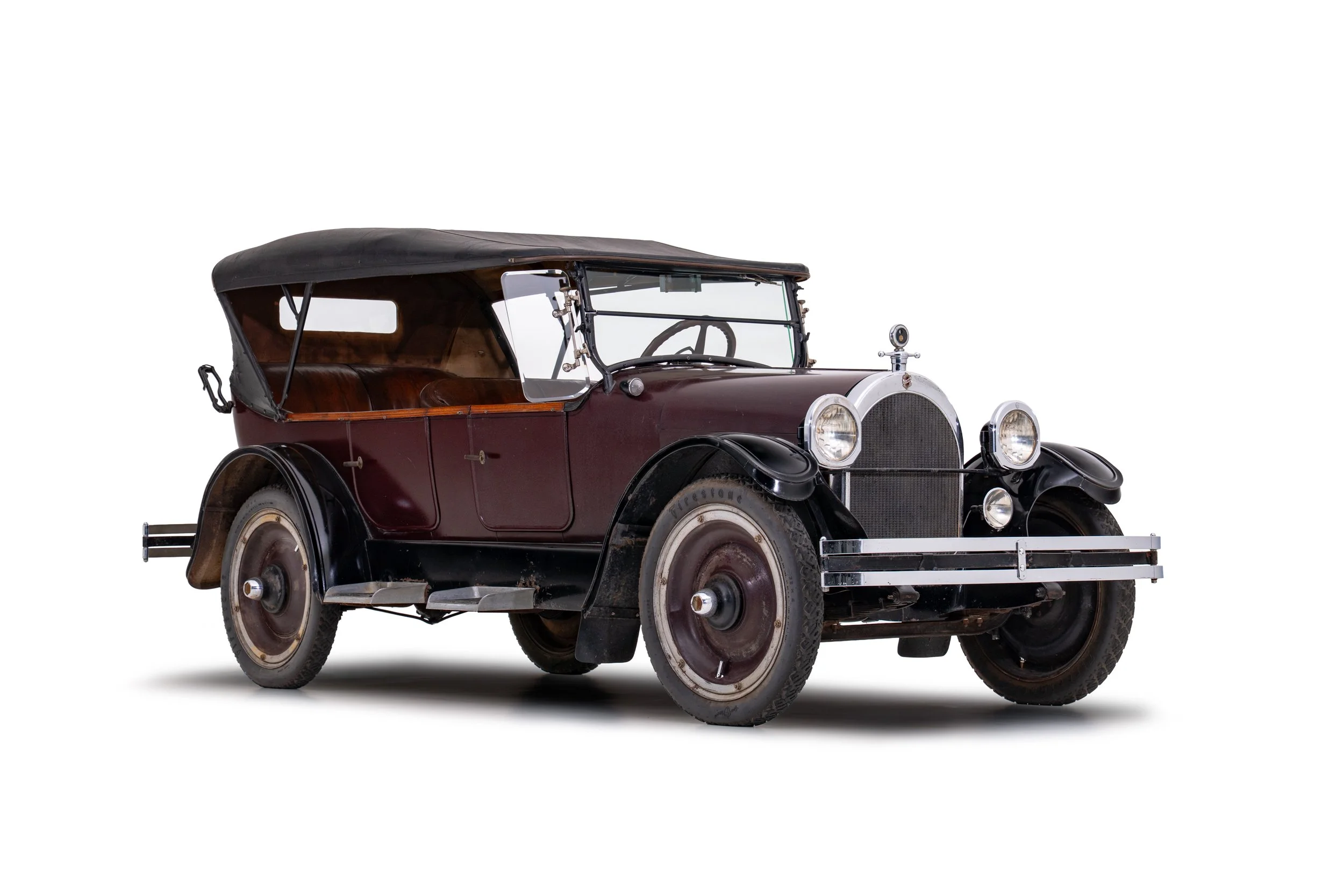
The Oldsmobile Model 47 Super Sport is credited as the first automobile to use the Super Sport designation. The Super Sport differed from other touring cars by having a narrower body, step-plates in place of running boards and Tuarc disc wheels.
It was also a very rare car. Sources don’t agree, but between 7,500 and 12,500 model 47 light eights of all body styles were produced and sold over its 3 model year run. It is believed that the Super Sport accounted for less than 3,000 of the total.
The NB Center Super Sport is even more special because it is a totally untouched survivor. This car still wears its paint, leather, and top as they were applied over 100 years ago. The car is an amazing time capsule, unlike any other Oldsmobile of this era.
While the car runs very well, it is driven sparingly because engine parts do not exist and if the engine or any other parts of the car were damaged, they cannot be replaced without forever erasing the history of the car.