
 Image 1 of 15
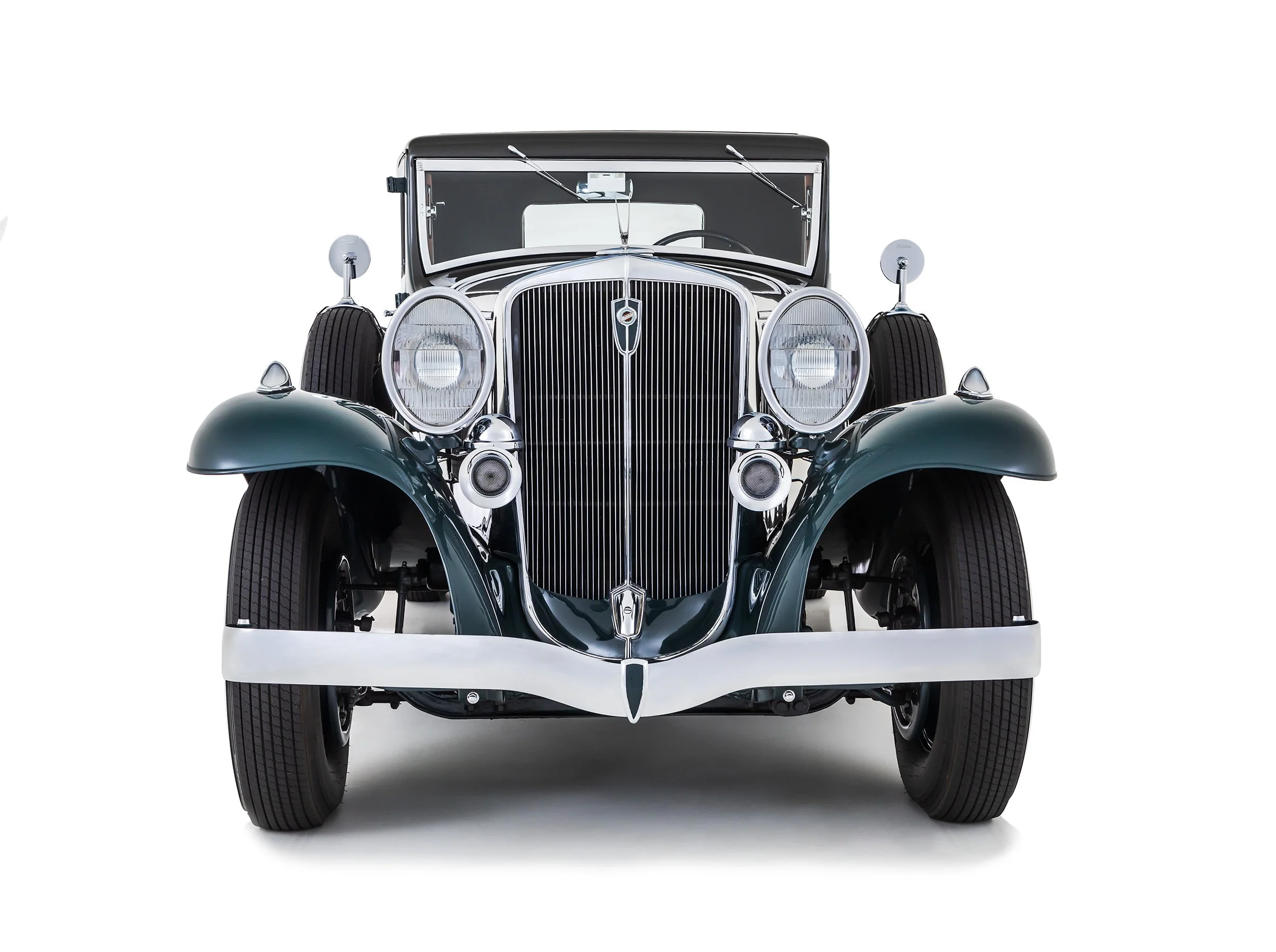 Image 2 of 15
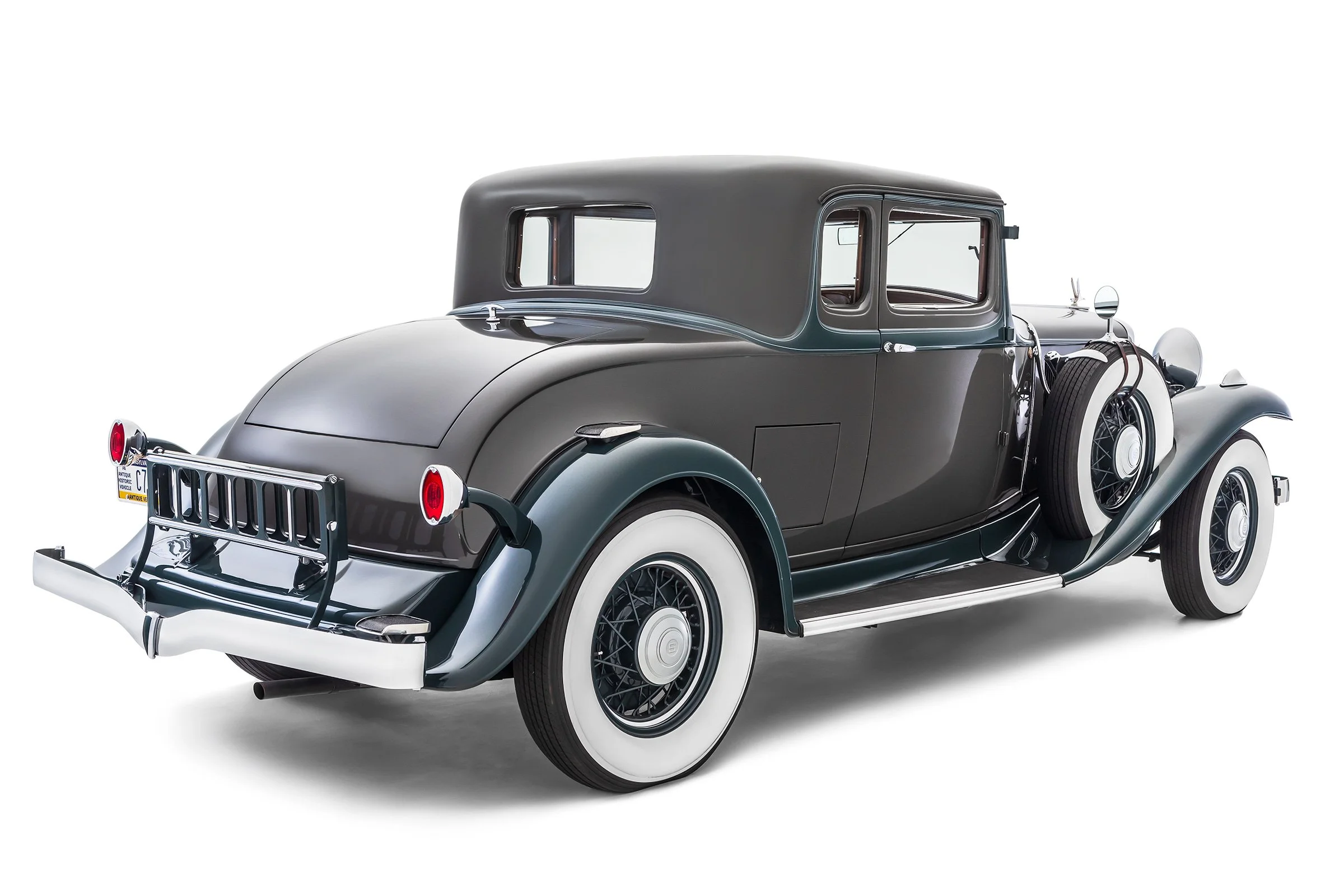 Image 3 of 15
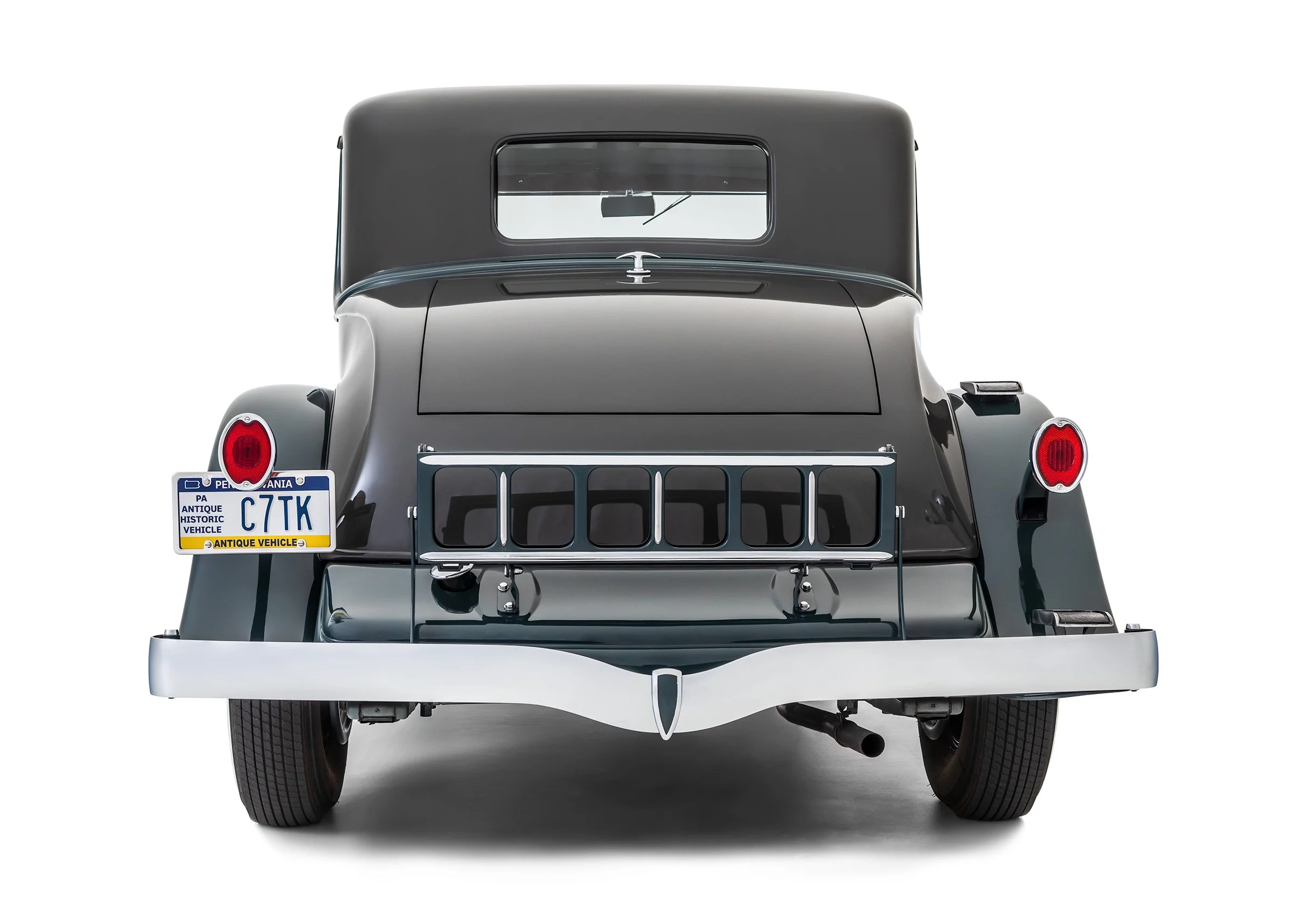 Image 4 of 15
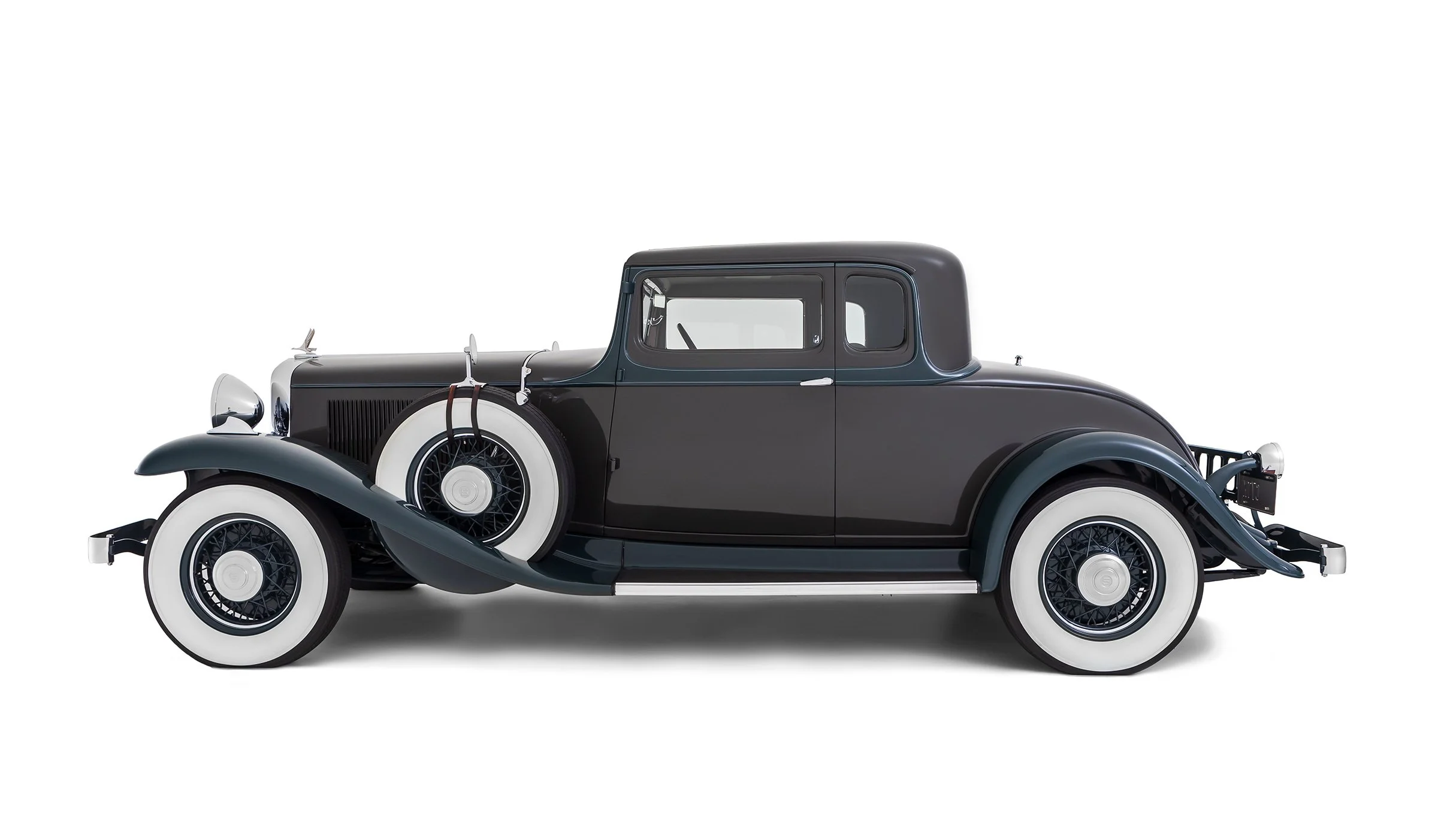 Image 5 of 15
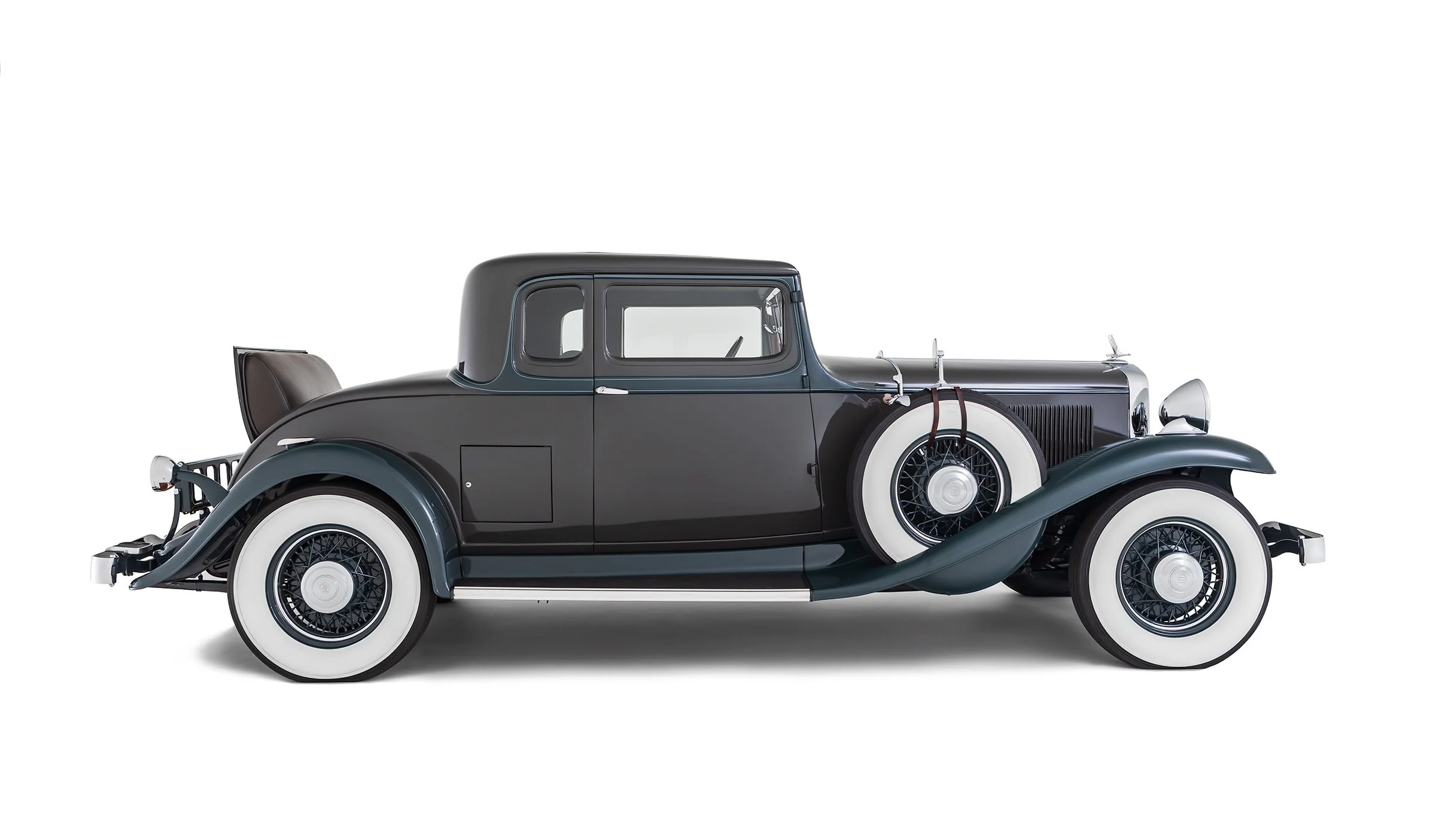 Image 6 of 15
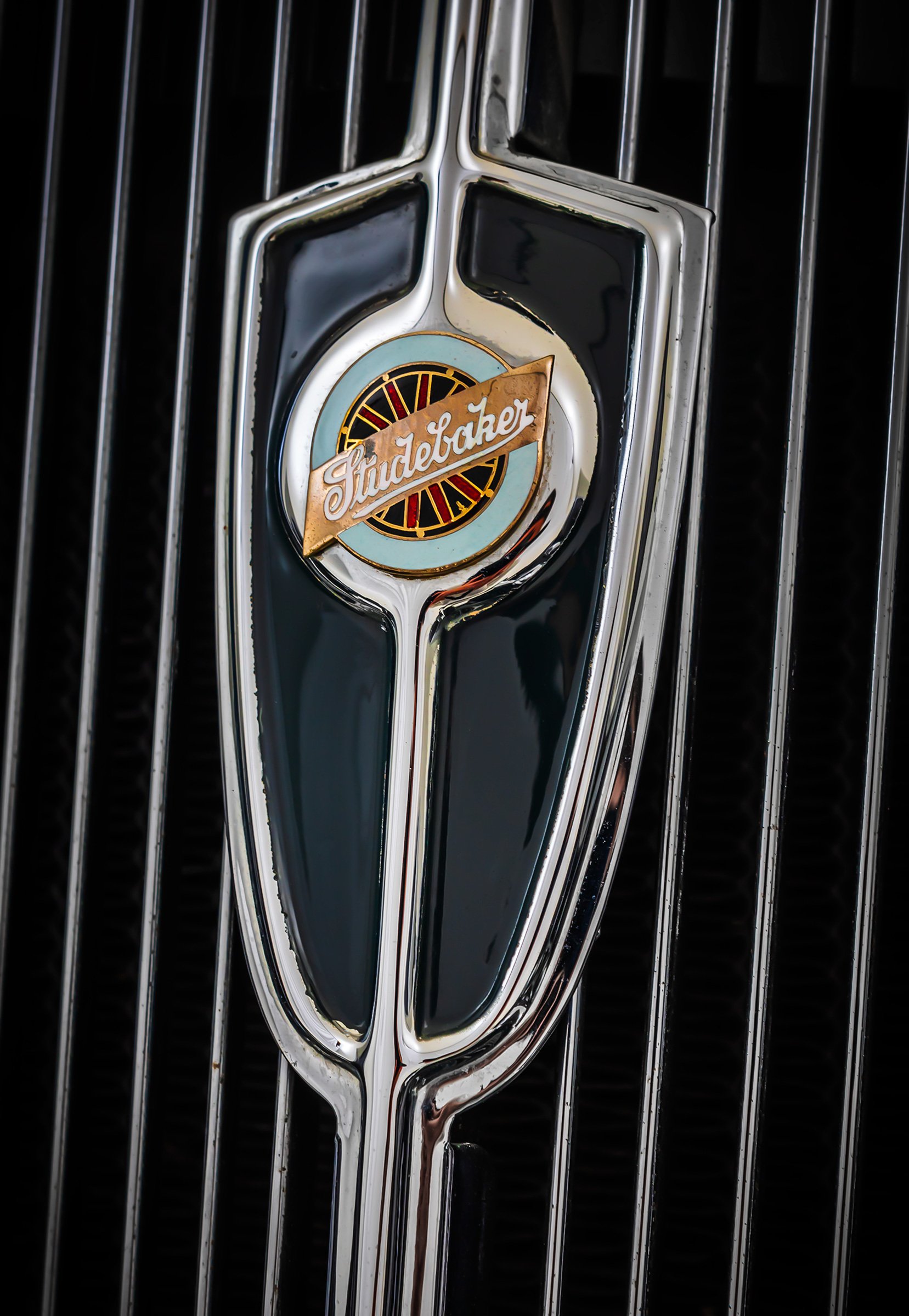 Image 7 of 15
 Image 8 of 15
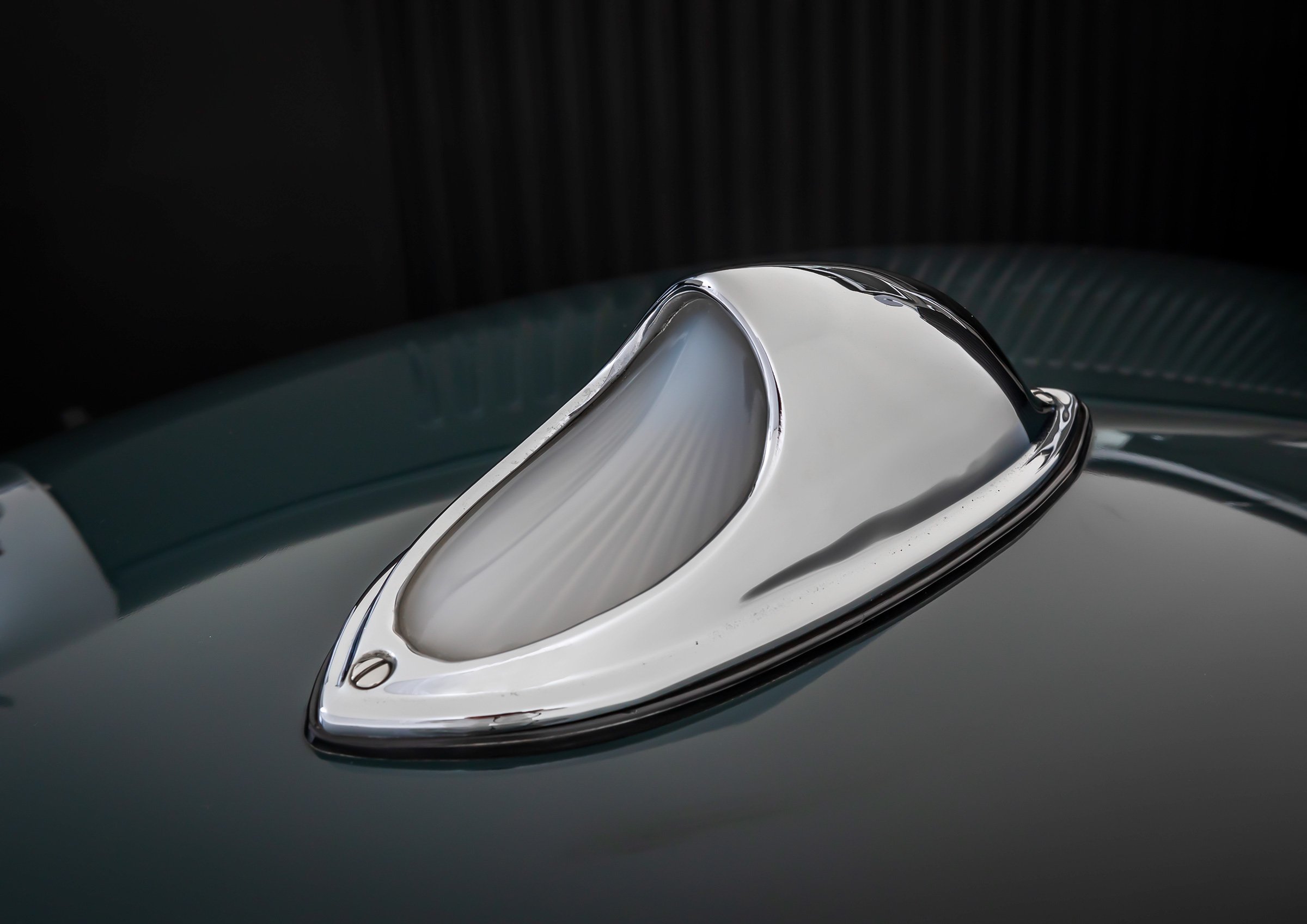 Image 9 of 15
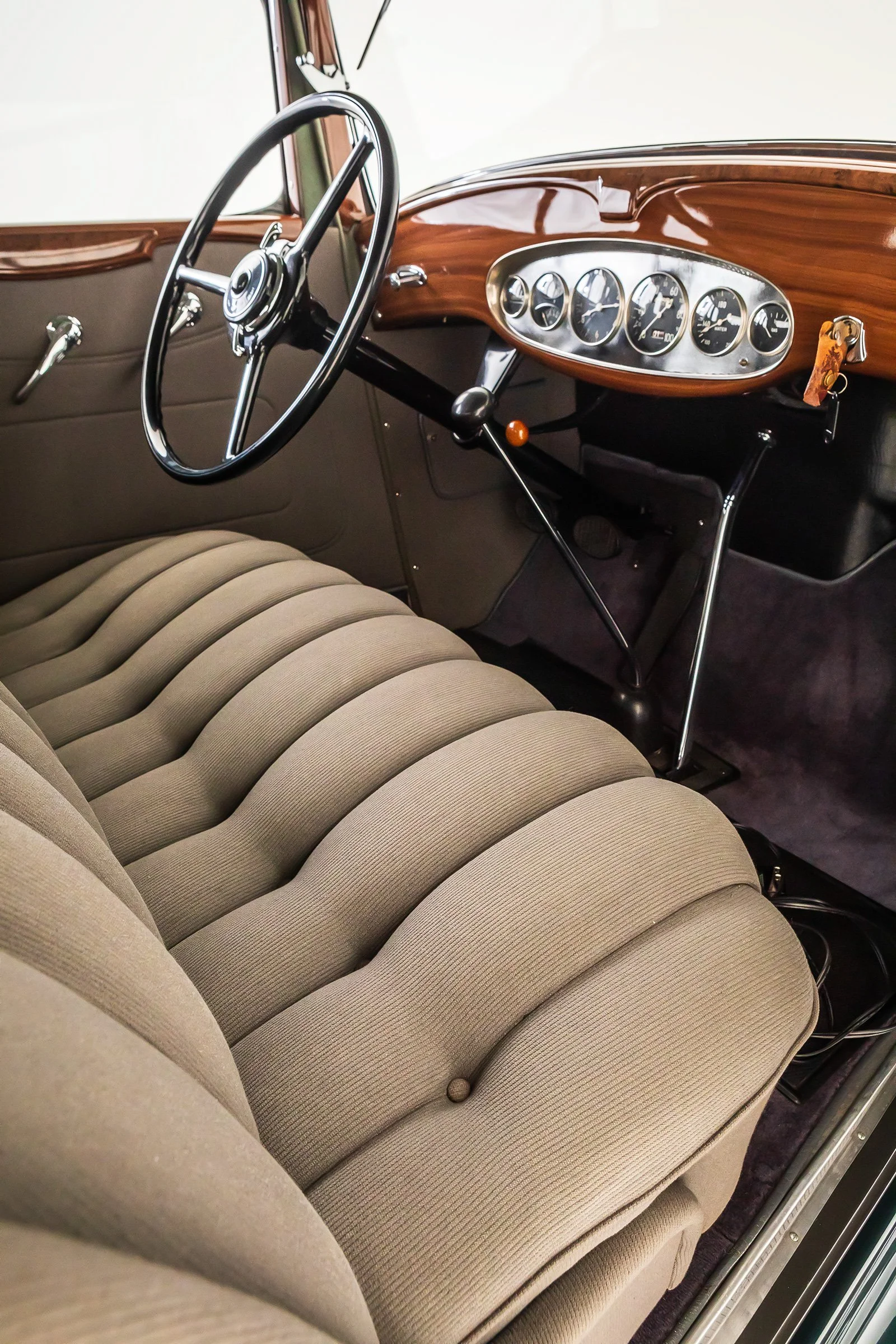 Image 10 of 15
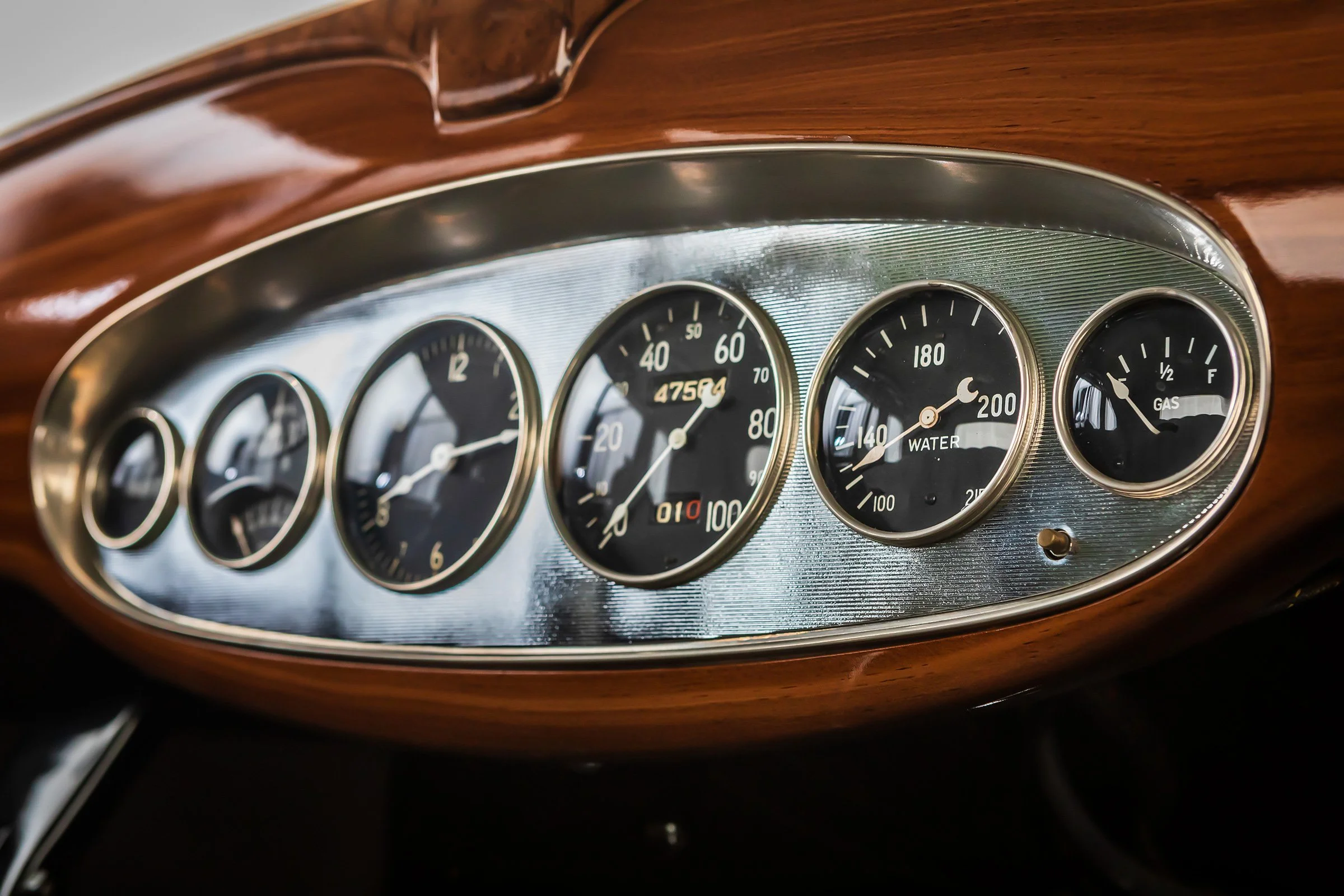 Image 11 of 15
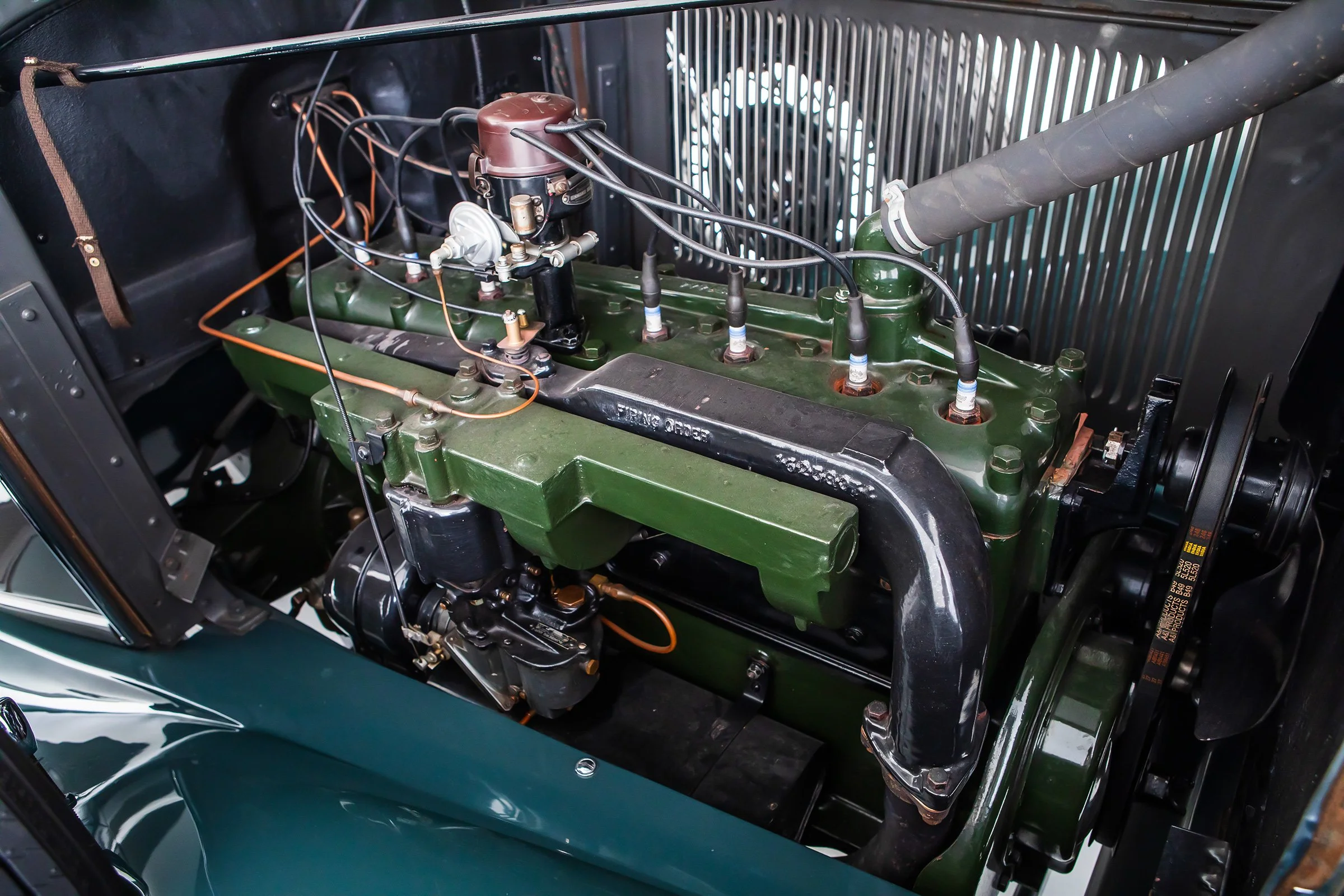 Image 12 of 15
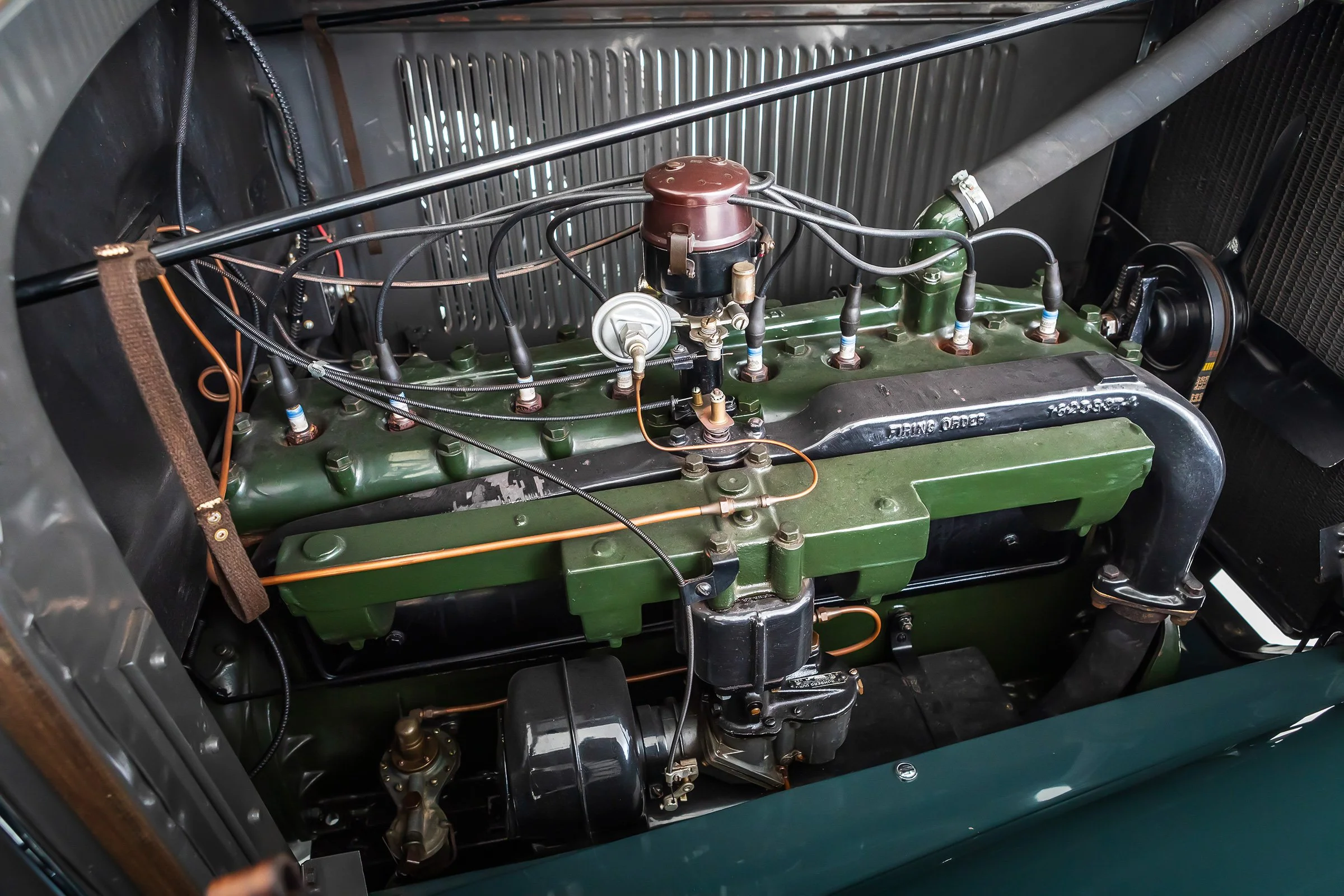 Image 13 of 15
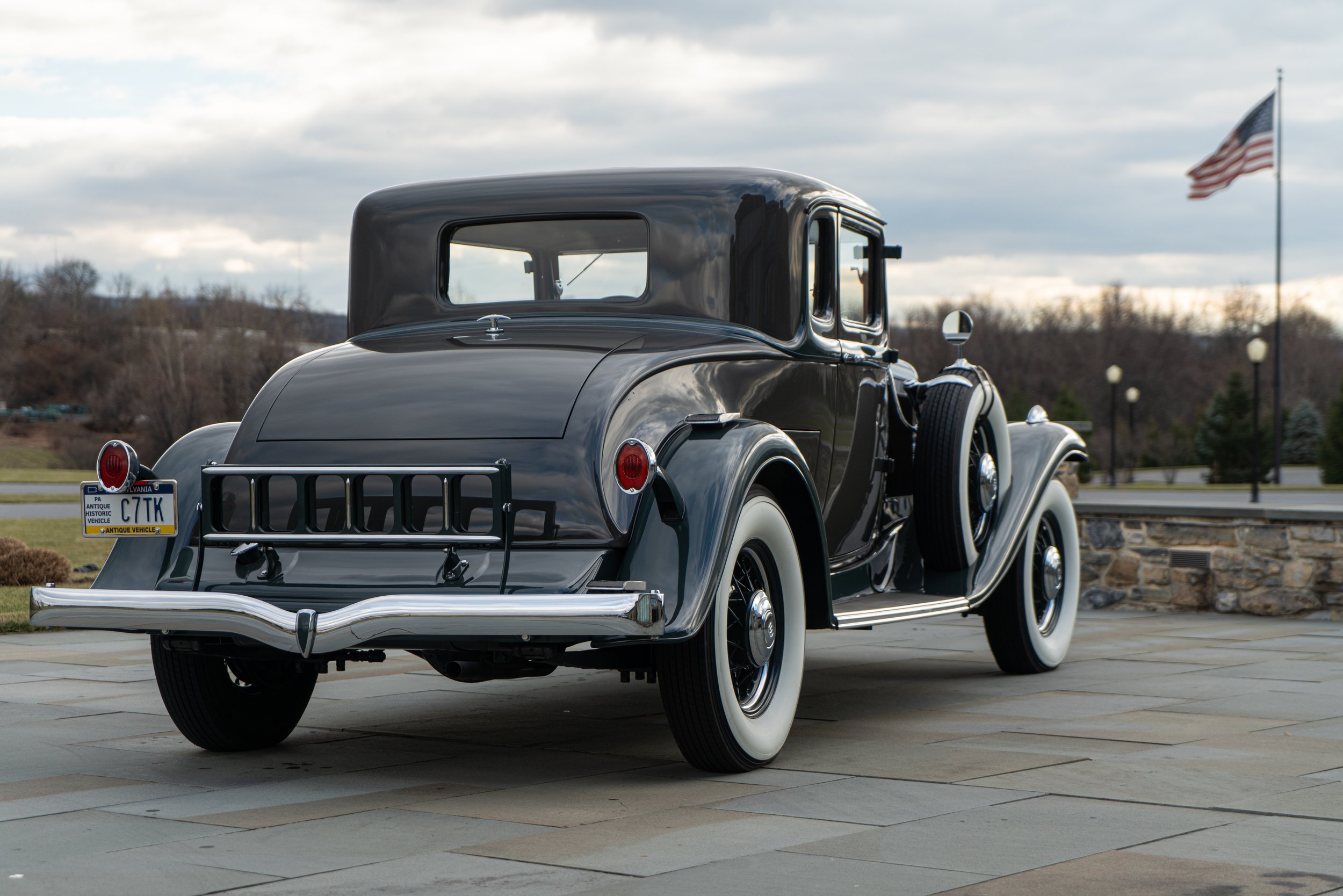 Image 14 of 15
 Image 15 of 15
-
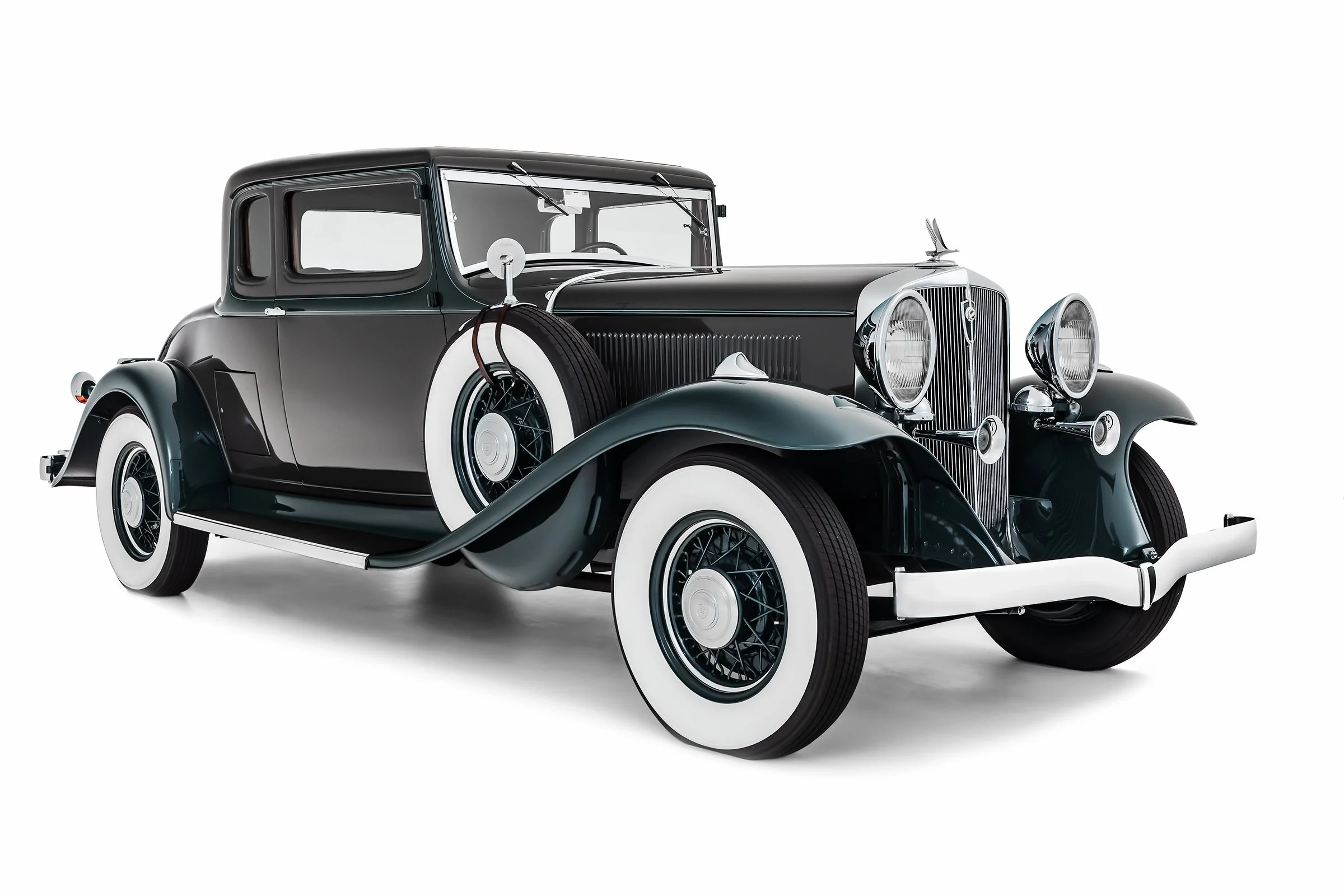
The top of the line eight-cylinder President made its initial debut in 1928. The chassis and engine would get further refinement and development every year for the six year run of the model. By 1931, this engine was powering Studebaker’s Indy cars and earning all kinds of endurance and performance records. The highly refined eight cylinder engine was putting out 122 horsepower. While not on the level of the multi-cylinder cars, such as Packard Twelve or Cadillac V16, it was more than Cadillac’s base eight-cylinder rated at 115 hp.
Despite how lovely the 1932 President was both in styling and engine refinement, Studebaker was slow coming to a product of this level. They long delayed adding eight cylinder engines and stuck with stodgy utilitarian designs when the rest of the market moved to stylized bodies. This delay and the need to play catch-up in the late 1920’s hurt the company. Although they had some of their best sales years in the late 1920s, after making needed changes, it came too late to build up the company coffers with the Great Depression about to fall on them like a ton of bricks. By the time the full effect of the Depression was hitting home in 1930-31, the company was losing 1.5 million dollars a year.
The answer to the declining sales of the Depression and Studebakers deteriorating financial position was a new entry level brand called Rockne. The name was chosen in honor of the famous Knute Rockne, University of Notre Dame head football coach who presided over one of the winningest programs during his 13 seasons in charge. Rockne died in a plane crash in 1931. The introduction of the Rockne automobile in 1932 required all of Studebaker’s resources and is the primary reason that 1932 cars are just warmed over versions of the 1931’s.
While the Rockne did help with cash flow in 1932, it was not enough to save Studebaker. The company would enter receivership in March 1933 and the restructuring that followed saw the demise of Rockne and the President. -
Company
Studebaker Corporation
Make
Studebaker
Model
President, 91
Body Style
State Coupe, 2-door, 4-pass.
Body Manufacture
Murray Corporation of America
Model year
1932
Wheelbase
135 inches
Length
NA
Engine
inline-8, L-head, 337cid
Horsepower
122 bhp @ 3200 rpm
Transmission
3-speed manual
Original Base Price
$1,750
Brand Production
NA
This Car Production
2,399 of all President body styles -
The President coupe was the lowest priced offering in the President model line in 1932. It was only available as a four-passenger with a rumble seat. The coupe came in two flavors, the base coupe and the State Coupe. The big difference was the State came with two side mount spares. Steel artillery wheels were standard with painted or Chrome wire wheels as an option. Other standard equipment exclusive to the President were a clock, electric gas gauge, and a pass-around cigar lighter.
Any 1932 Studebaker is rare, but the President models are particularly prized. The early history of this car is unknown. It was restored to the highest level and was awarded a Pebble Beach class win and recognized as a 100-point car by the Classic Car Club of America.
The car found its way into the collection of musician Phil Everly and eventually the collection of musician Tommy Sparks before going through more hands and landing at a Gooding & Company auction in Arizona in 2020. The NB Center acquired the car at auction and it has been a favorite of visitors to the collection ever since.