
 Image 1 of 13
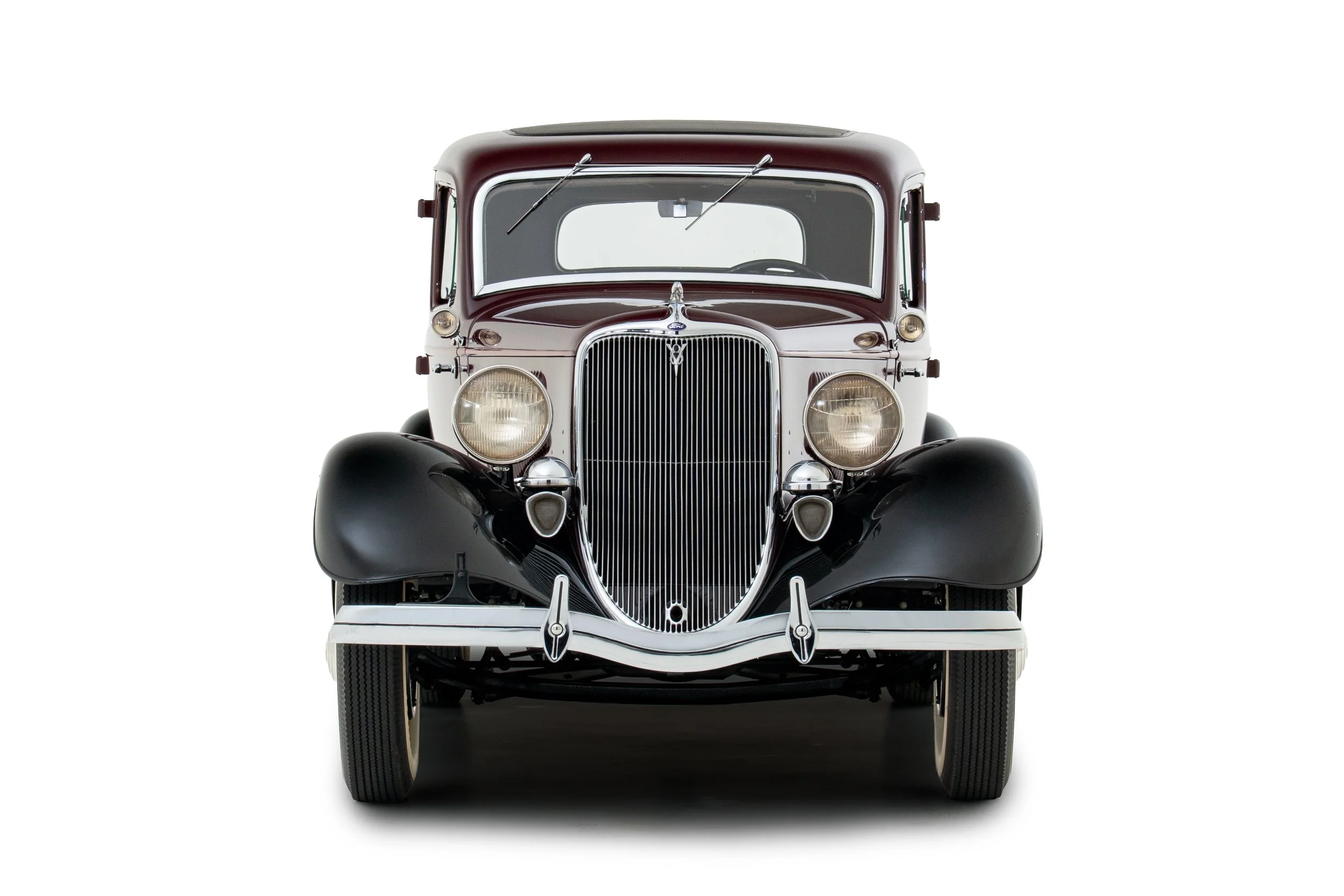 Image 2 of 13
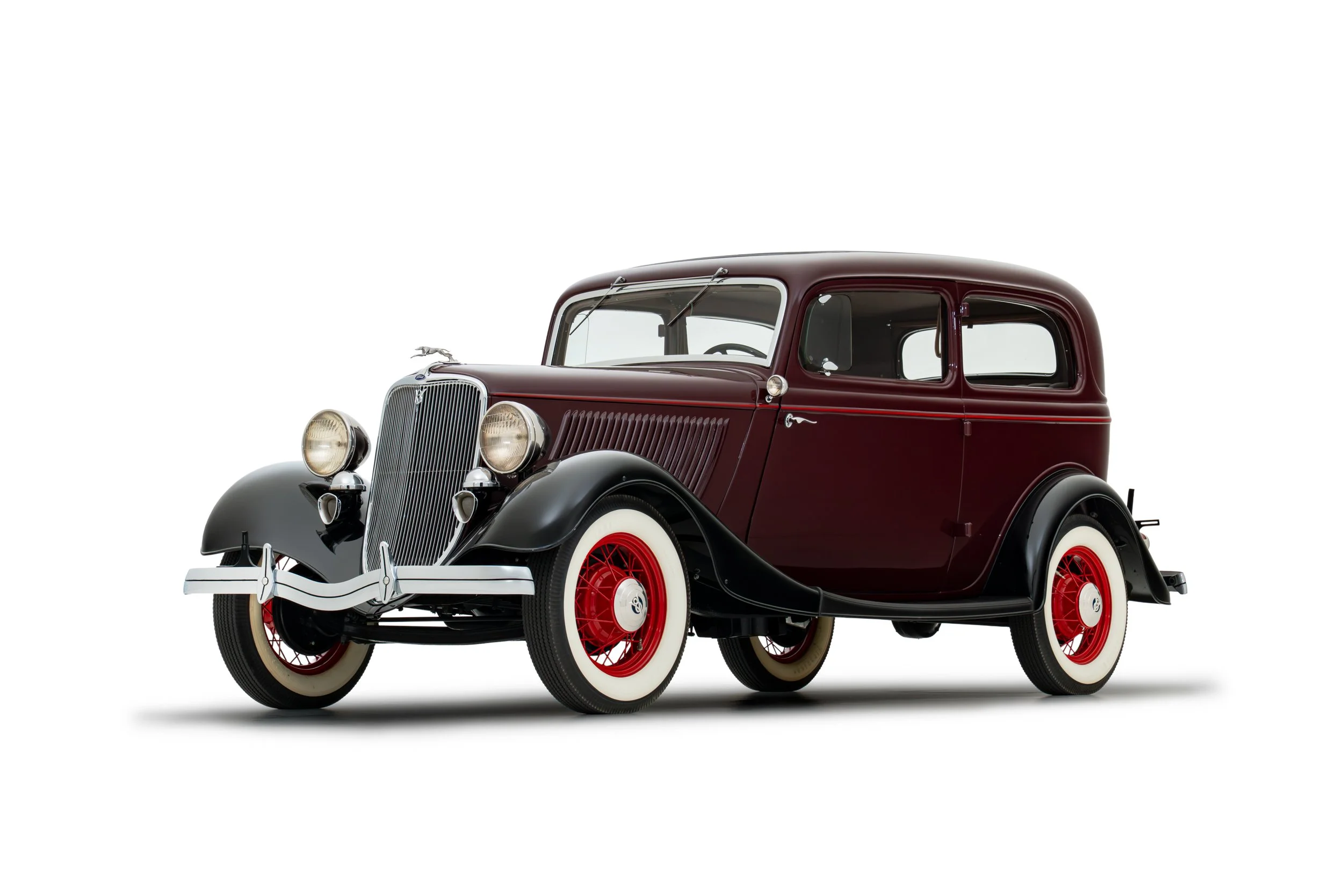 Image 3 of 13
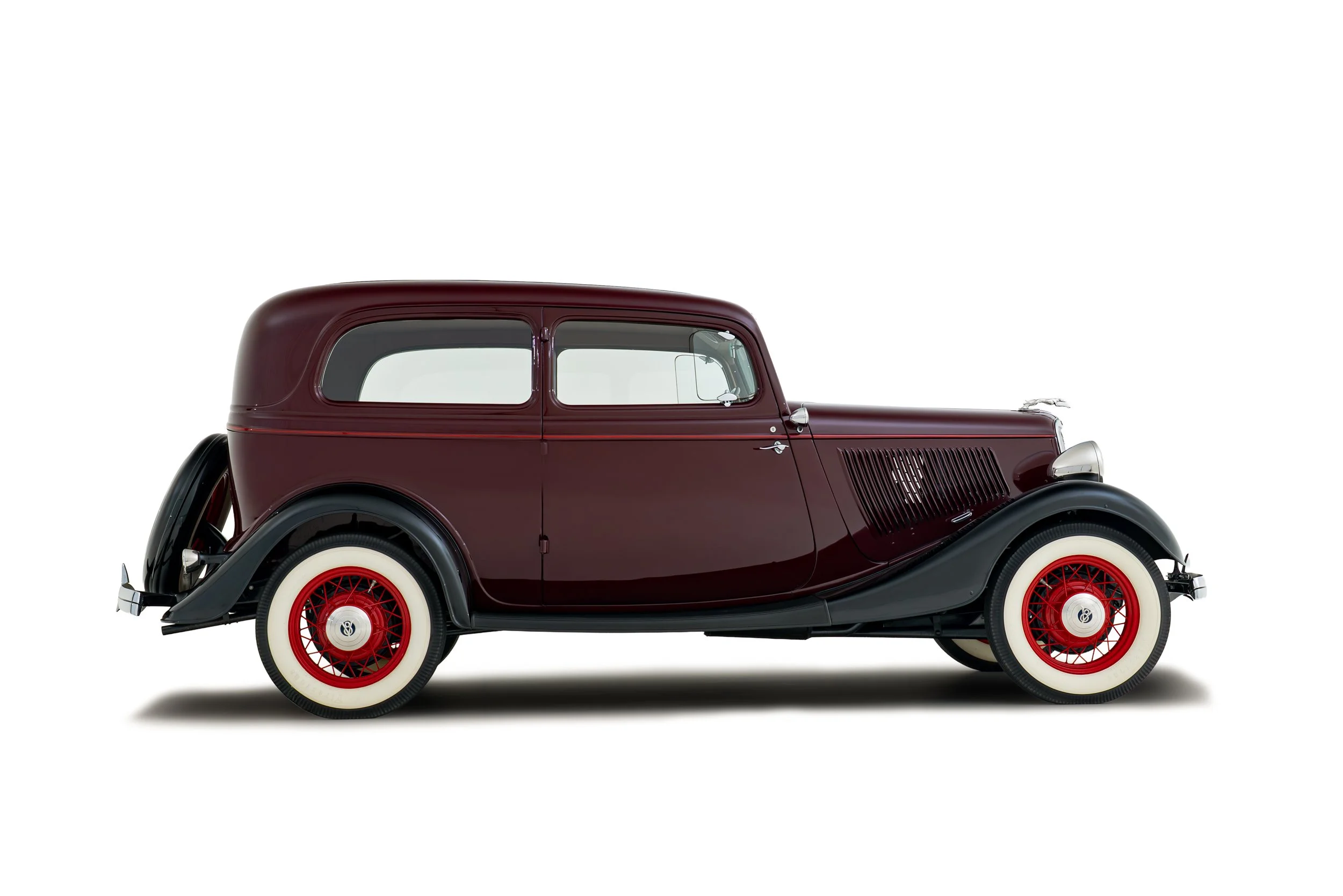 Image 4 of 13
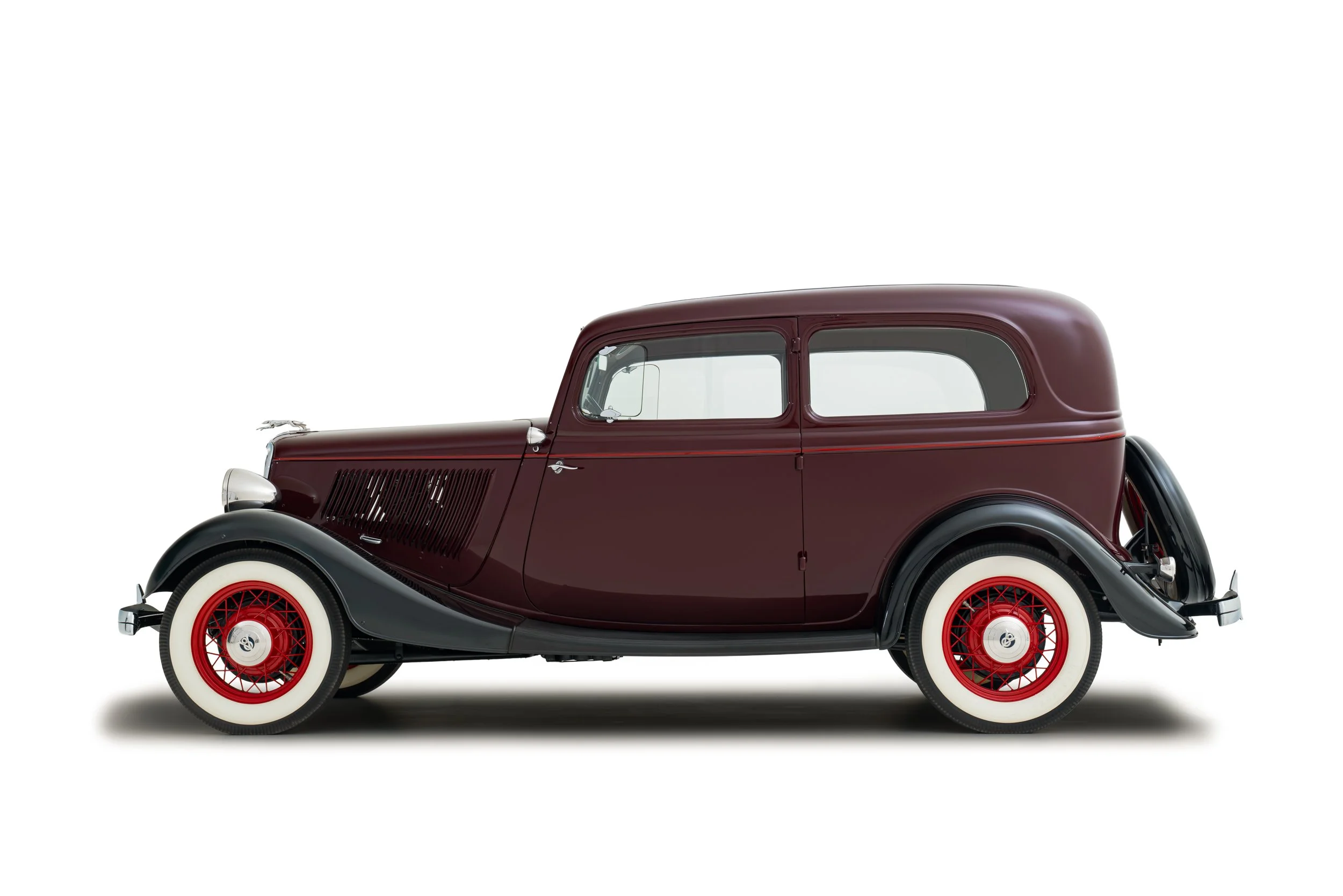 Image 5 of 13
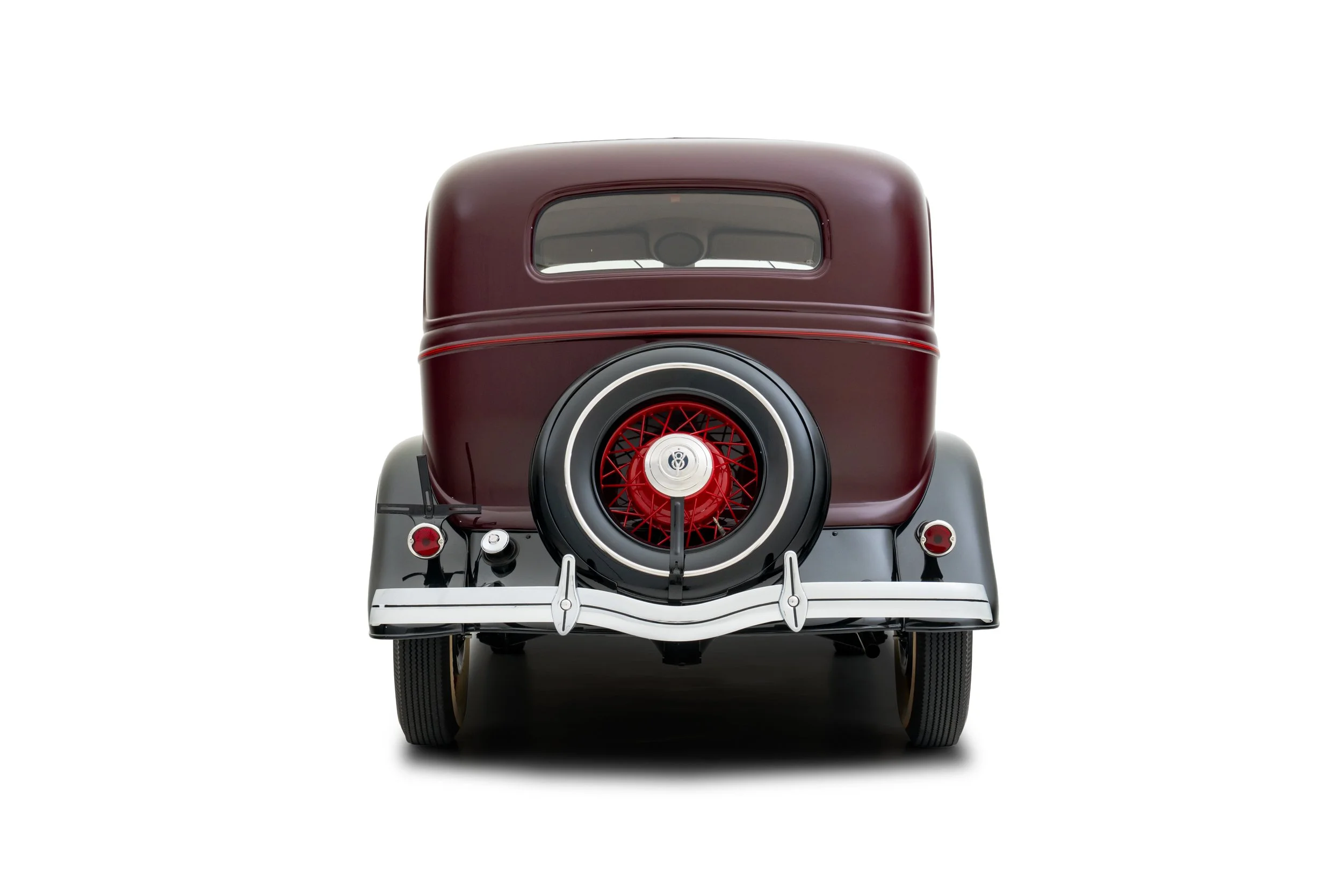 Image 6 of 13
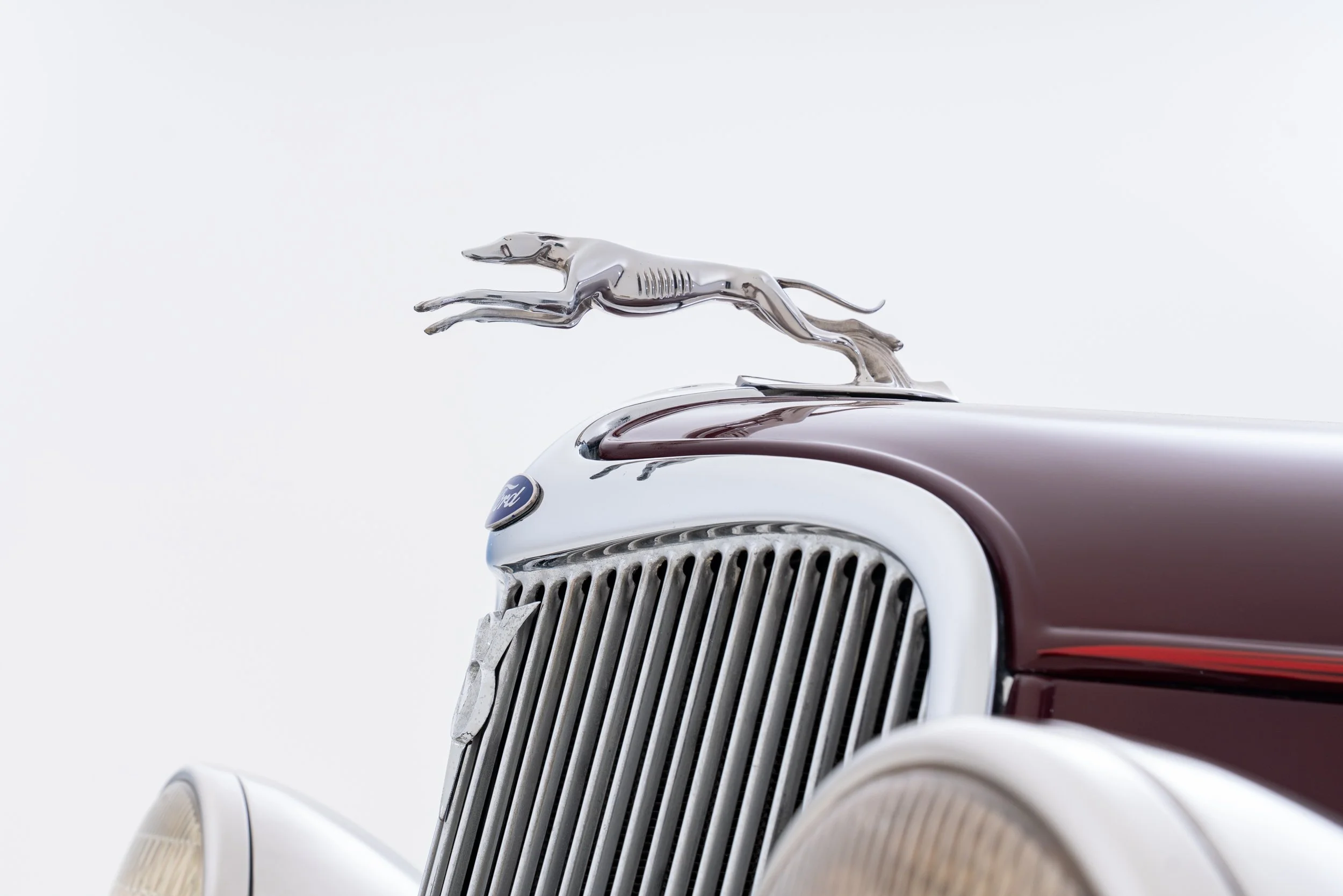 Image 7 of 13
 Image 8 of 13
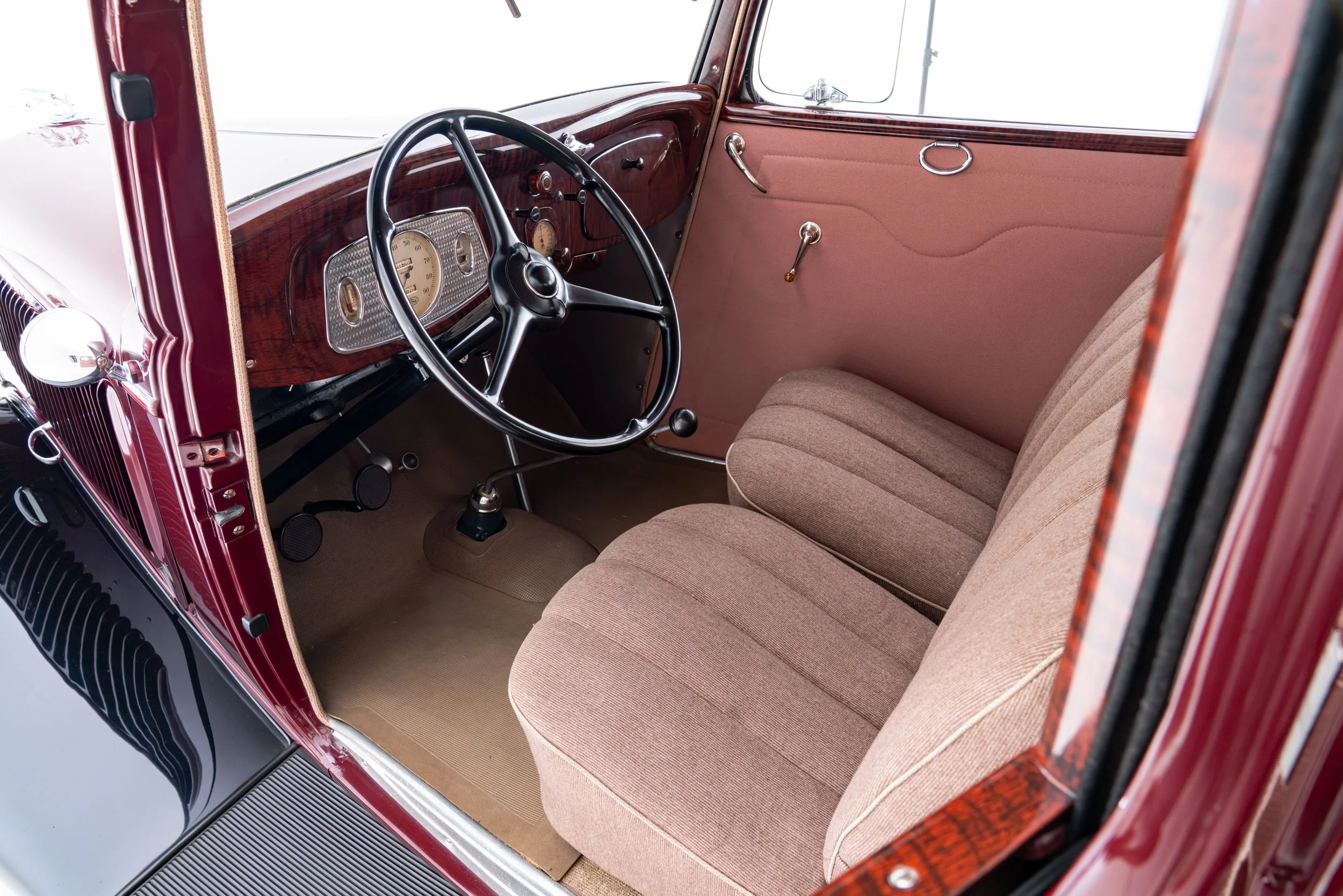 Image 9 of 13
 Image 10 of 13
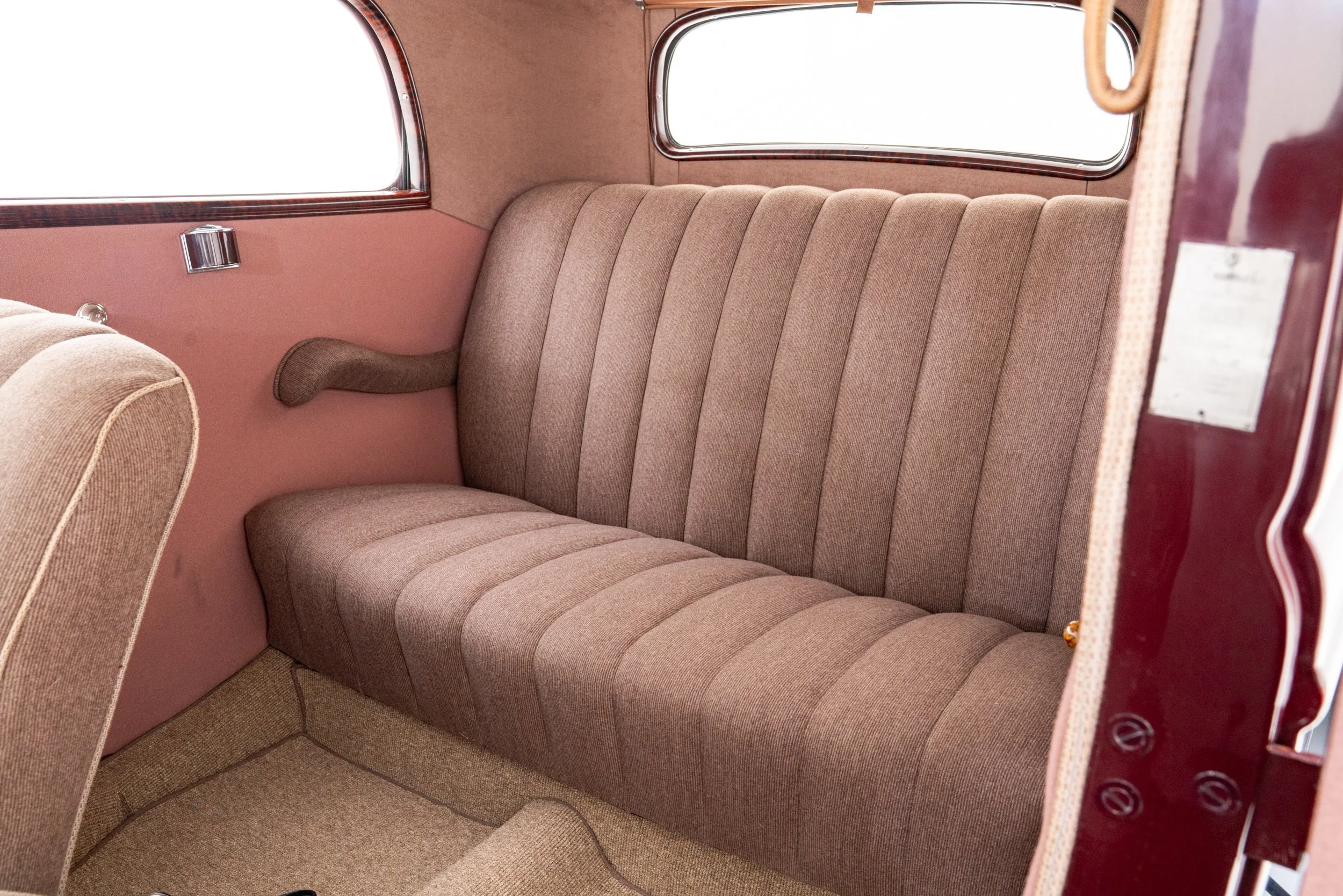 Image 11 of 13
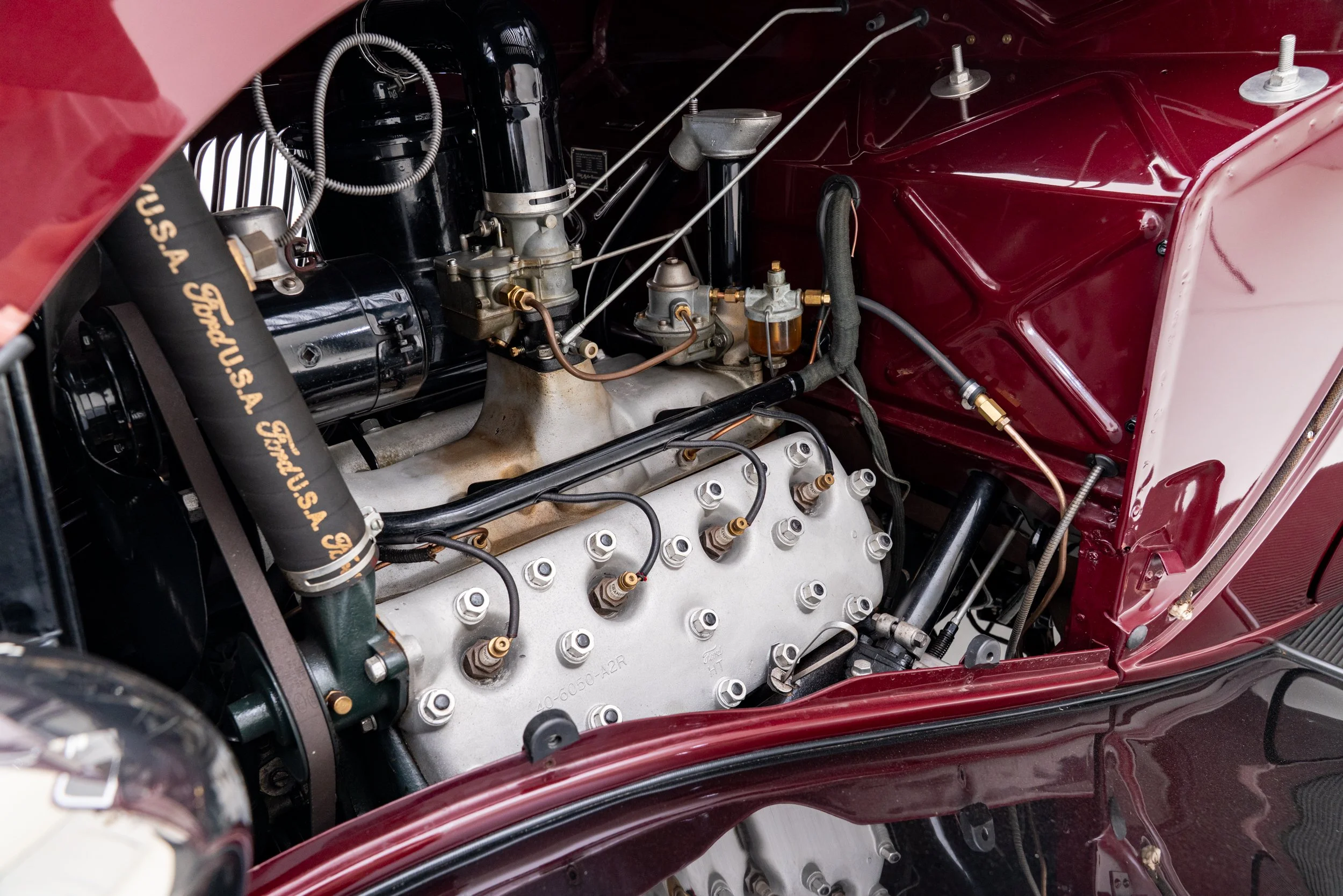 Image 12 of 13
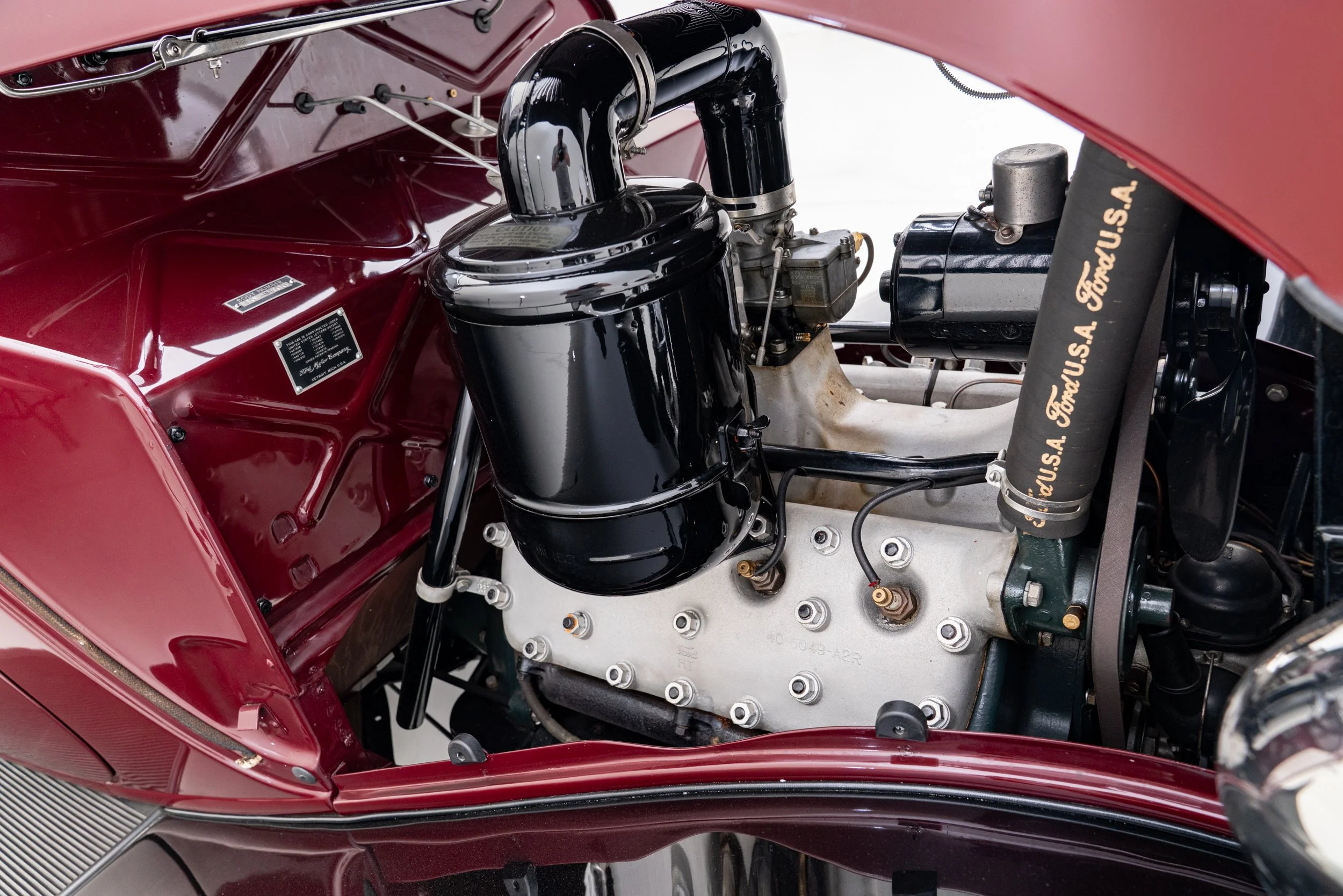 Image 13 of 13
-
In 1933 Ford produced the most refined and stylish car they ever offered to that date, the model 40. While the car came in both V8 and four-cylinder versions, the V8 was by far the more popular choice for buyers. The V8 engine was now more powerful, better refined and more reliable. The bodies were thoroughly modern in design with long sweeping skirted fenders, stylish laid back grilles, hidden radiators, angled windshields and all around more polish than anything Ford had offered previously. Ford was slowly wiping away the image of the utilitarian Model T and producing good looking cars with the features buyers now wanted. But getting this new car to market was not easy.
The Ford Model A, introduced in 1927, set out to put Ford back in the number one production and sales position after the demise of the Model T and displace Chevrolet from the top of the list. While this worked briefly, it never achieved the success of the Model T. Ford needed another market breakthrough to leapfrog the competition and it came in 1932 with the introduction of the Ford flathead V8 engine. While the V8 was hardly a new concept in the automobile market, it was unheard of at the price point of a Ford. The engine was hastily developed and rushed into production so it was fraught with problems in its first year. Also, the car it was placed into, the model 18, while more modern in design compared to the Model A it replaced, was not especially cutting edge.
The transformation from transportation device, the Model T, to an aspirational car purchase, the model 40, was largely credited to Edsel Ford, son of company founder Henry Ford. The two often clashed over the change in direction. Edsel needed to bring a chorus of managers and industry insiders to challenge the headstrong company patriarch who believed that utility was more important than style and no car buyer ever needed anything more.
The gamble on the change paid off. 1933 was one of the worst years ever for car sales, with many companies being pushed to the brink of bankruptcy. Despite the crushing economic depression, Ford managed to increase their sales. The goal of reaching number one in the industry sales race and displacing Chevrolet from the top slot eluded Ford yet again but they would be vindicated the following year. -
Company
Ford Motor Company
Make
Ford
Model
Model 40, V8
Body Style
Tudor, 2-door, 4-pass.
Body Manufacture
Briggs Manufacturing
Model year
1933
Wheelbase
112 inches
Length
182.9 inches
Engine
V8, L-head, 221 cid
Horsepower
75 hp @ 3800 rpm
Transmission
3-speed manual
Original Base Price
$550
Brand Production
334,969 model year
This Car Production
48,233 -
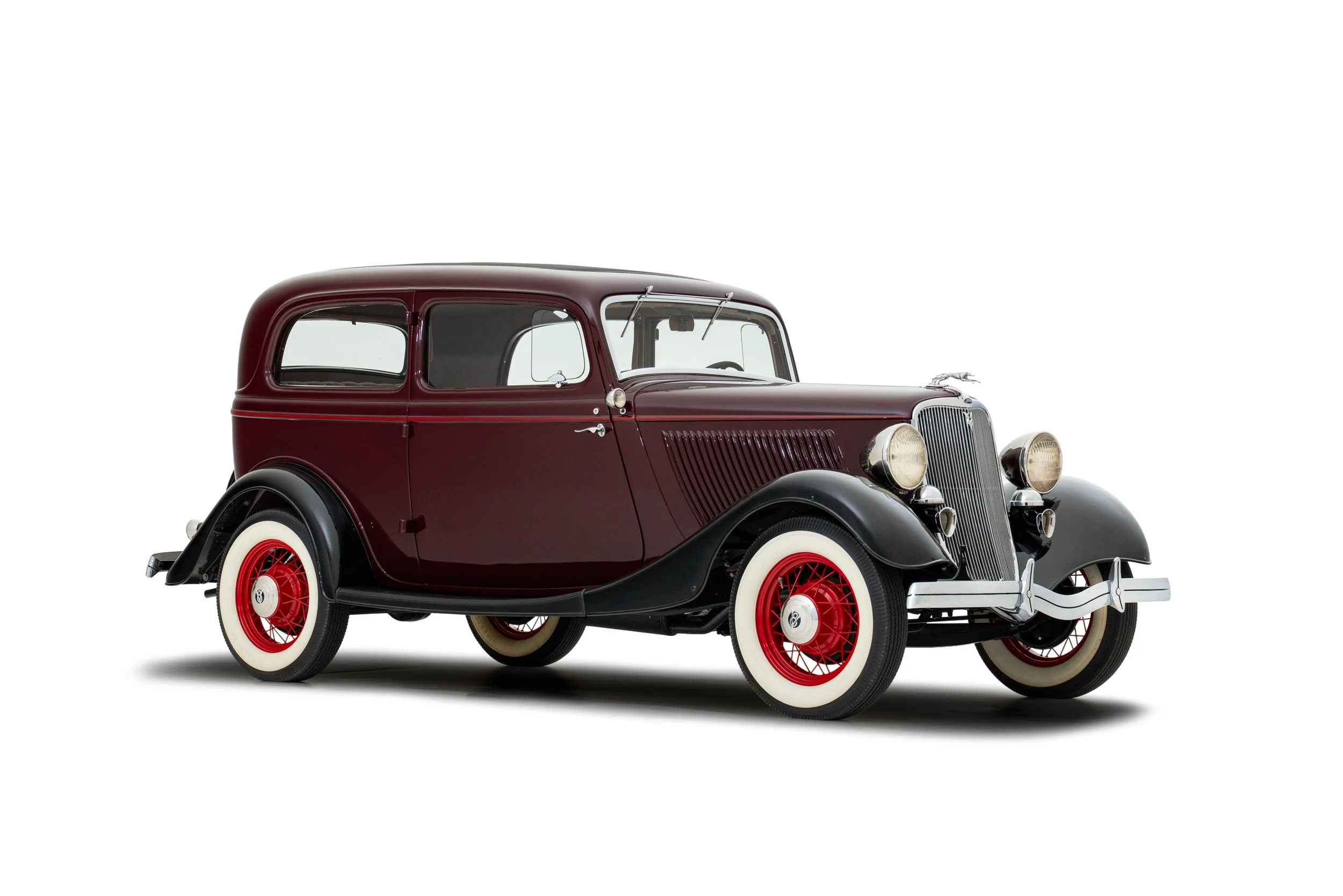
The NB Center ‘33 Ford is a two-door sedan body style, Ford called it a Tudor. The Tudor style is surprisingly roomy, although without an integrated trunk it was short on space for carrying things.
The Tudor in the standard trim level was the lowest priced closed body style that seated 4 people. Consequently, it was the top selling Ford that year at 106,387 units. The Deluxe version of the car was the second best selling body style at a distant 48,233 units.
This ‘33 Ford was acquired in previously restored and driving condition.