
 Image 1 of 13
 Image 2 of 13
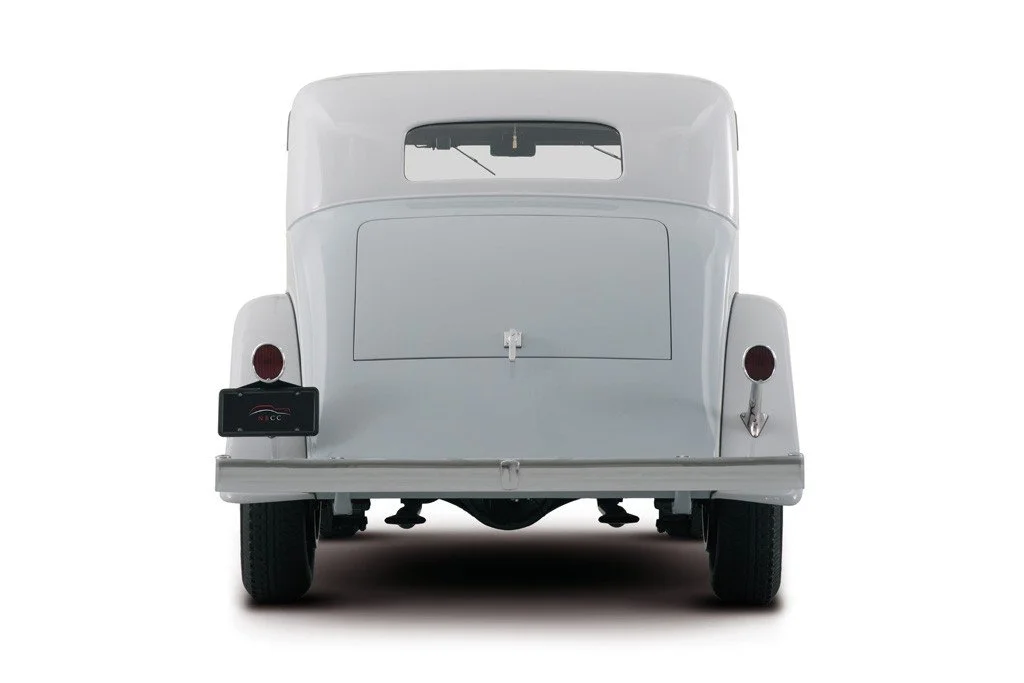 Image 3 of 13
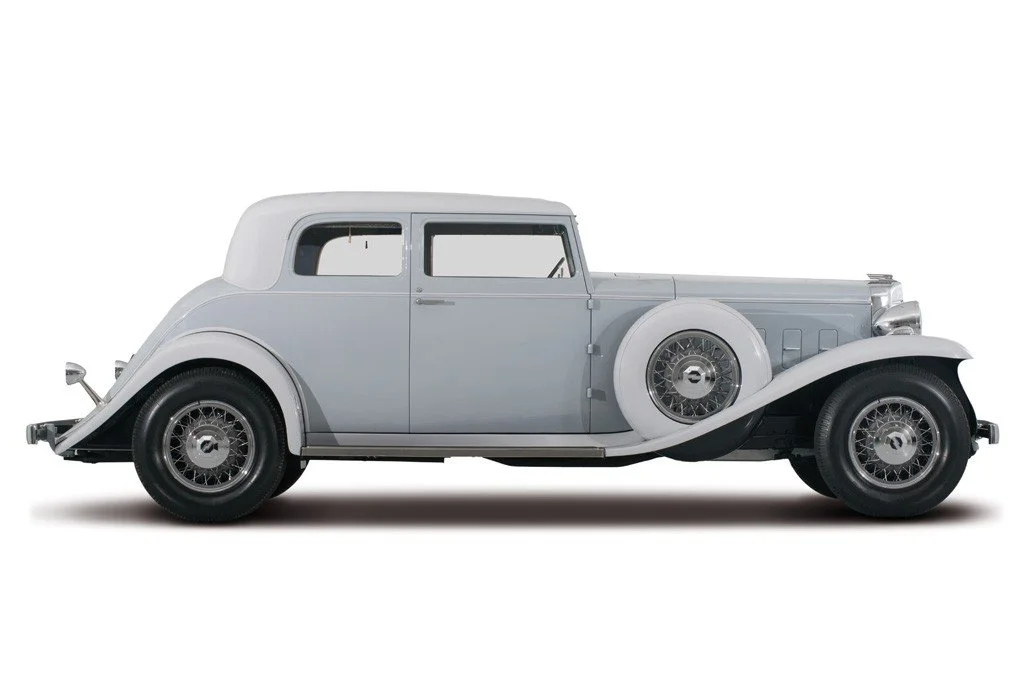 Image 4 of 13
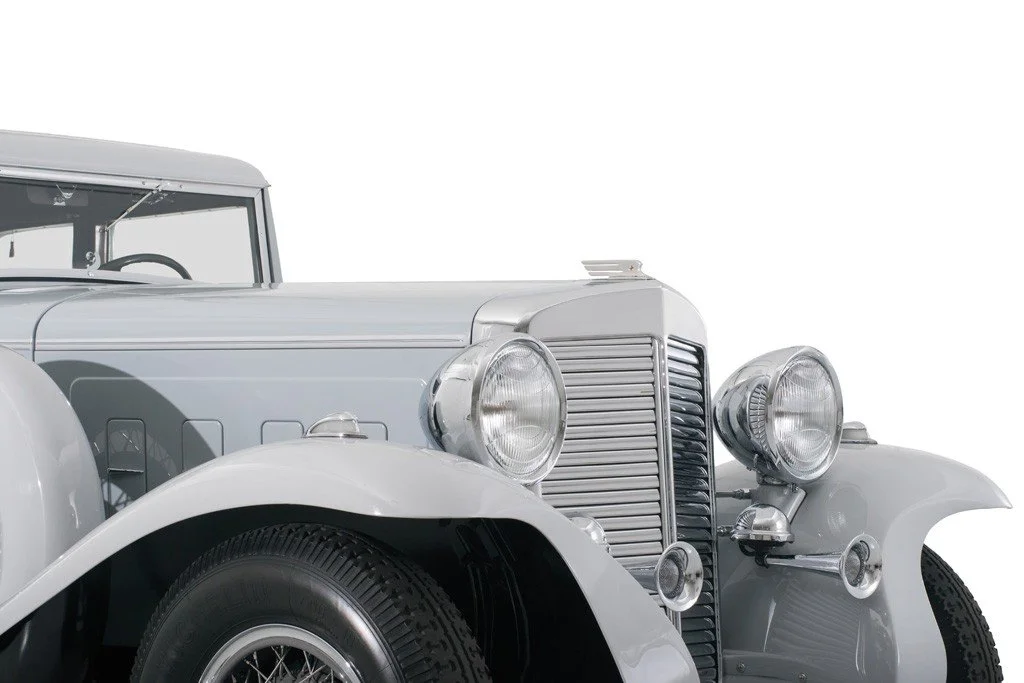 Image 5 of 13
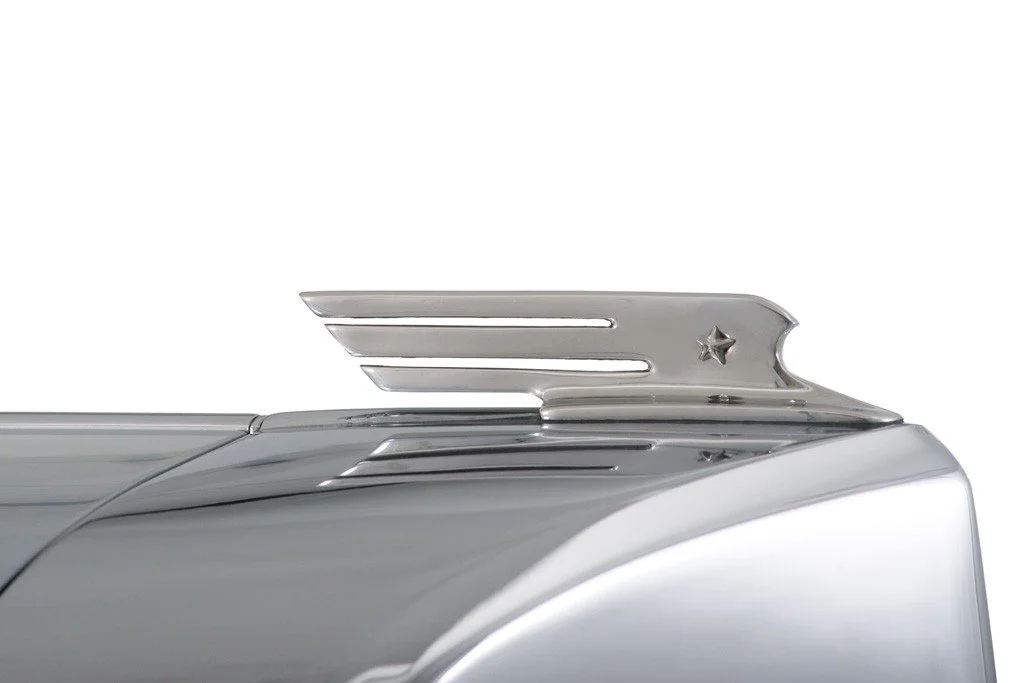 Image 6 of 13
 Image 7 of 13
 Image 8 of 13
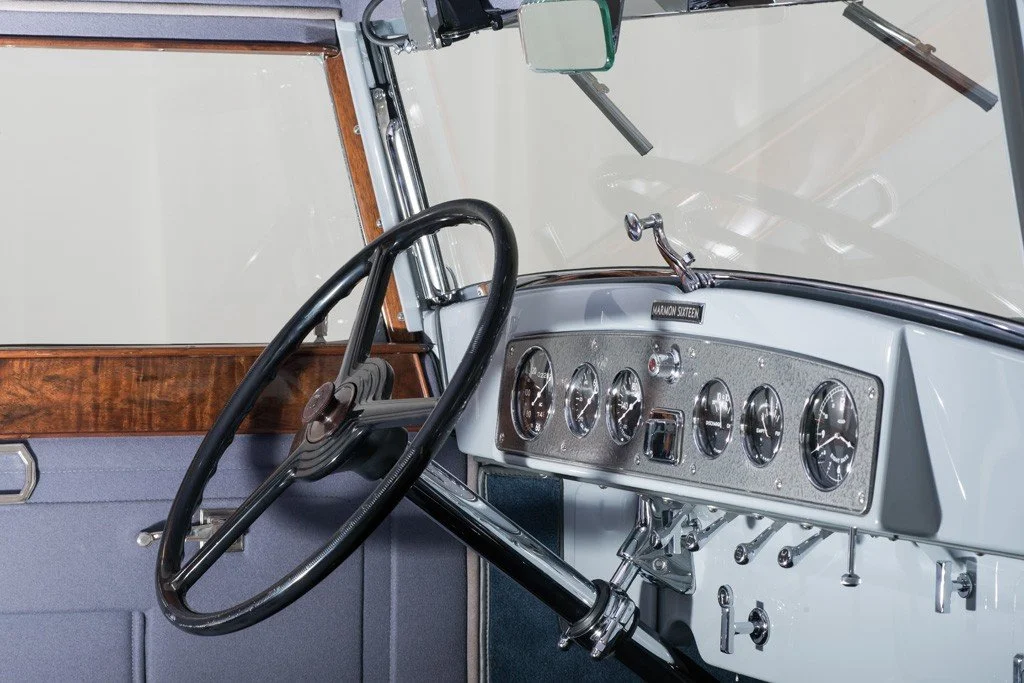 Image 9 of 13
 Image 10 of 13
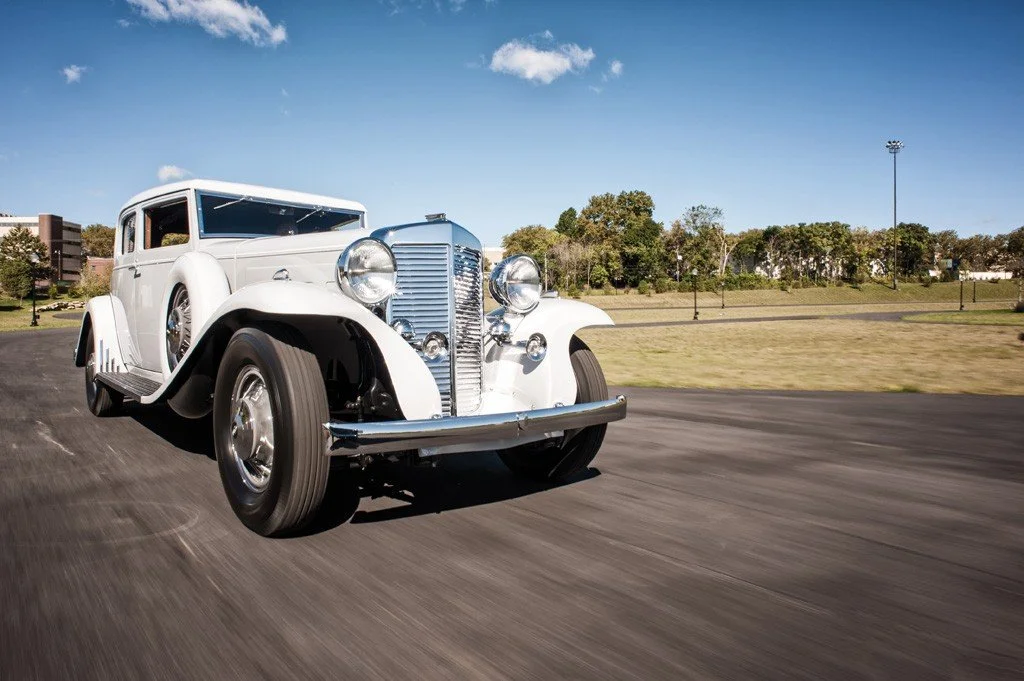 Image 11 of 13
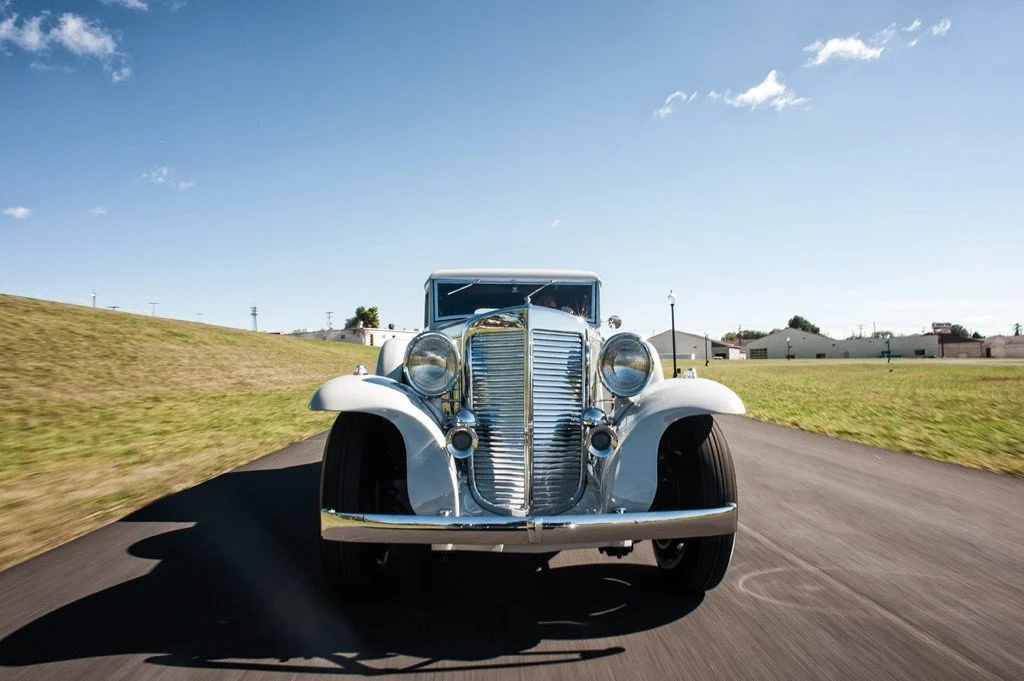 Image 12 of 13
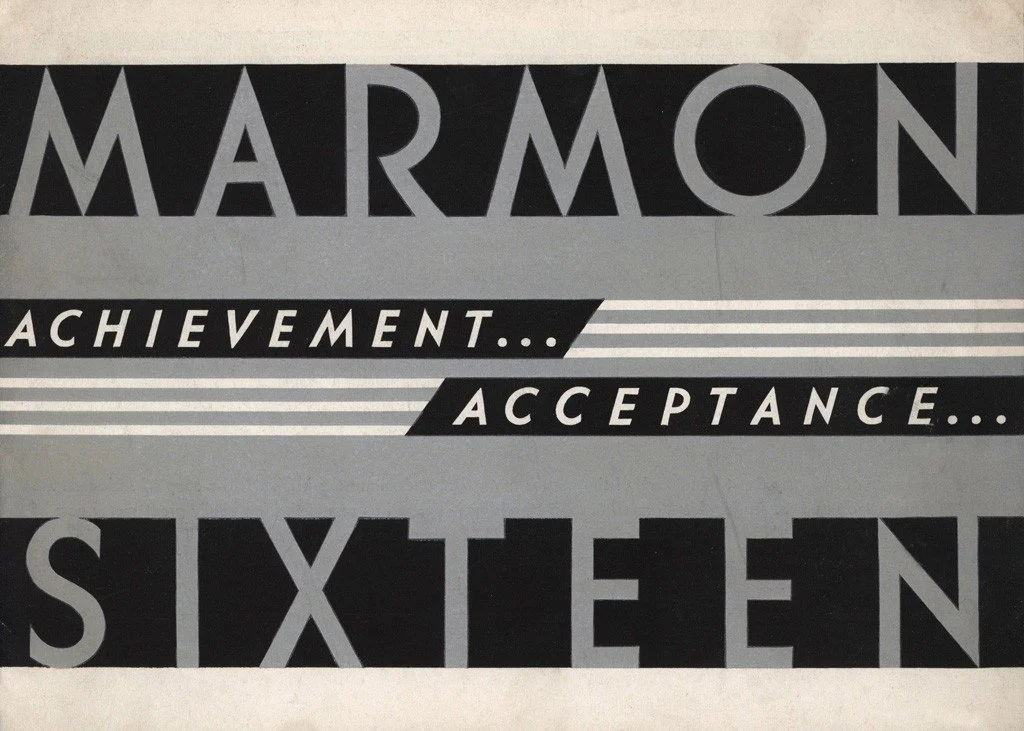 Image 13 of 13
-
Howard C. Marmon graduated from Stanford University in the mid-1890s and immediately went to work for his family's firm of Nordyke & Marmon in Indianapolis, Ind, a major manufacturer of flour milling equipment. Howard was a brilliant engineer and quickly became chief engineer of the firm.
In 1902, Howard built his first prototype automobile strictly on his own, an extremely advanced engineered machine. In 1904, Howard’s second, more practical car, managed to find six buyers. He continued to turn out experimental prototypes and seek sales over the next few years. At the same time he convinced his brother, Walter, the businessman of the two of them, to add car manufacturing to the Nordyke & Marmon company.
The Marmon name got a big boost in 1911 when a Marmon race car, dubbed the Marmon Wasp, won the inaugural Indianapolis 500. The company was focused on upper-mid priced and top-tier cars with advanced engineering and manufacturing features. Their production and sales were small until 1924 when George M. Williams, former President of the Wire Wheel Corporation, purchased a big block of stock in Nordyke in Marmon. Williams became company president and brought new life to the concern. He needed to diversify the products and introduce lower priced cars. In 1926 he sold the flour milling business to make room for more car production and renamed the firm Marmon Motor Car Company.
He introduced a “little” Marmon in 1927 priced in the middle range and the Roosevelt in the lower-upper price range in 1929. The lower priced offerings increased sales dramatically starting in 1927 but no one saw the market crash of 1929 coming. From a peak of 22, 323 cars in 1929 the company would be out of business by the end of 1933.
Before the company would disappear, they brought their ultimate masterpiece to market. As early as 1927, Howard Marmon began work on his idea for a V16 engine. His prototype, completed in 1928, predated the Cadillac V16 by a full year. In fact, former Marmon engineer Owen Nacker jumped to Cadillac and led the development of the new engine there.
Cadillac debuted their new V16 months before Marmon was ready and probably stole some of their thunder. Either way, the Great Depression was about to crush both companies. Cadillac would weather the Depression because it was part of General Motors while Marmon wouldn’t survive.
-
Company
Marmon Motor Car CompanyMake
MarmonModel
SixteenBody Style
Victoria Coupe, 2-door, 5-pass.Body Manufacture
LeBaron Body CompanyModel year
1933Wheelbase
145 inchesLength
N/AEngine
V-16, OHV, 490.8 cidHorsepower
200 @ 3400 rpmTransmission
3-speed manualOriginal Base Price
$4,925Brand Production
86This Car Production
3-5 estimated -
The Marmon Sixteen was a marvel of engineering. The engine used mostly aluminum alloy in its construction to keep weight down. With a higher displacement and compression ratio than the competing Cadillac, the Marmon produced 35 more horsepower in a unit that weighed hundreds of pounds less. The engines were mounted to the chassis in rubber mounts making the Marmon even smoother and quieter than a Cadillac.
The bodies of the Marmons also made use of aluminum. The weight savings resulted in these pinnacles of luxury transportation able to reach speeds of 100 miles per hour. All that power required great brakes and Marmon didn’t cut any corners. Brakes larger than a Cadillac with vacuum assist power boost provided superior stopping power. Despite all the superlatives, the Marmon Sixteen came out at the wrong time to save the company. Only 390 of these ultimate luxury cars were sold.
This particular Marmon Sixteen was previously owned by Bernie Ecclestone, the man behind Formula One racing for many decades. The impeccable restoration was done by the shop of Bob Mosier in 1993-94, prior to Ecclestones ownership, and stands as a testament to the incredible care the car has received since then. It is estimated that just 3-5 of these lovely five-passenger Victoria Coupes survive today.