
 Image 1 of 25
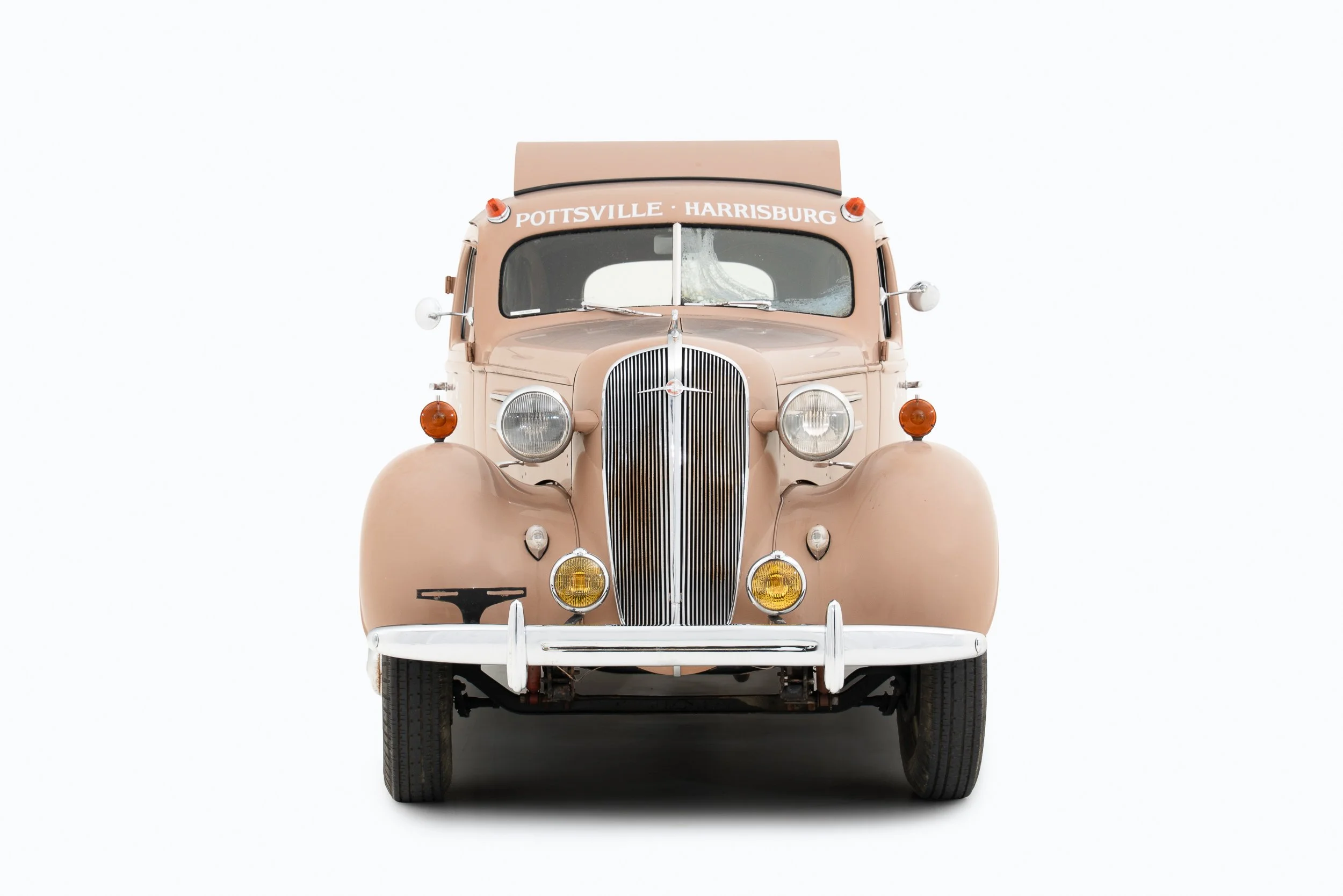 Image 2 of 25
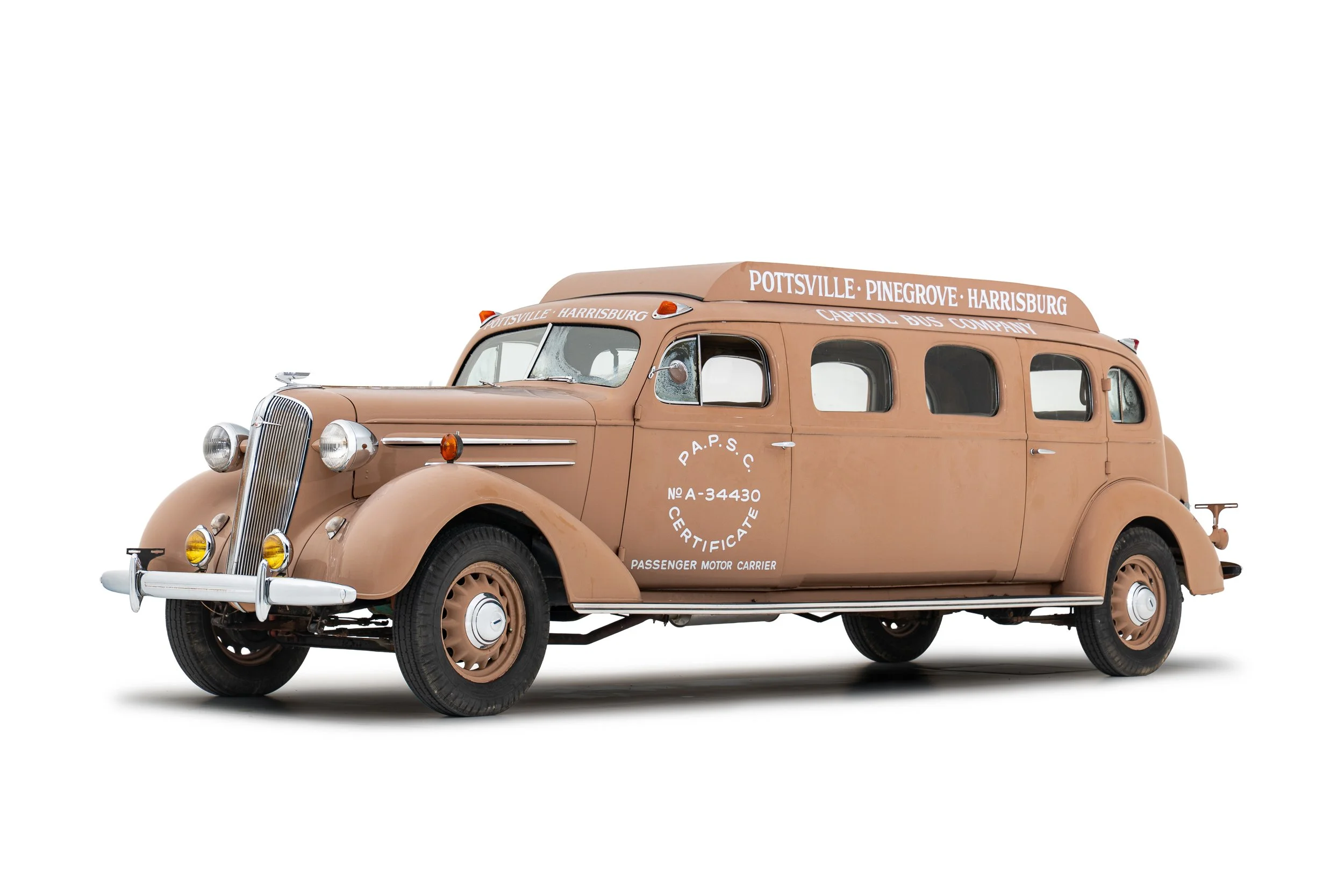 Image 3 of 25
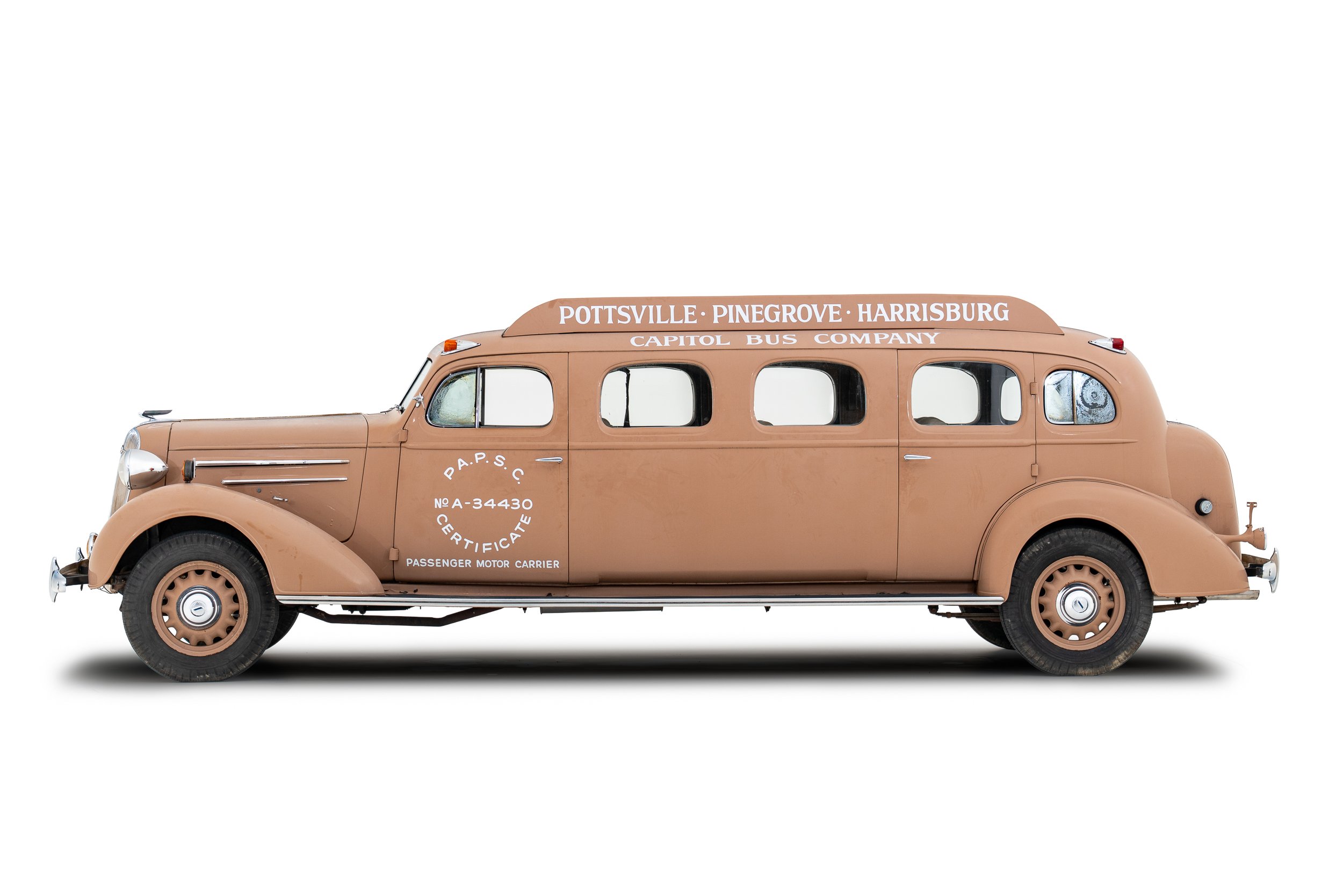 Image 4 of 25
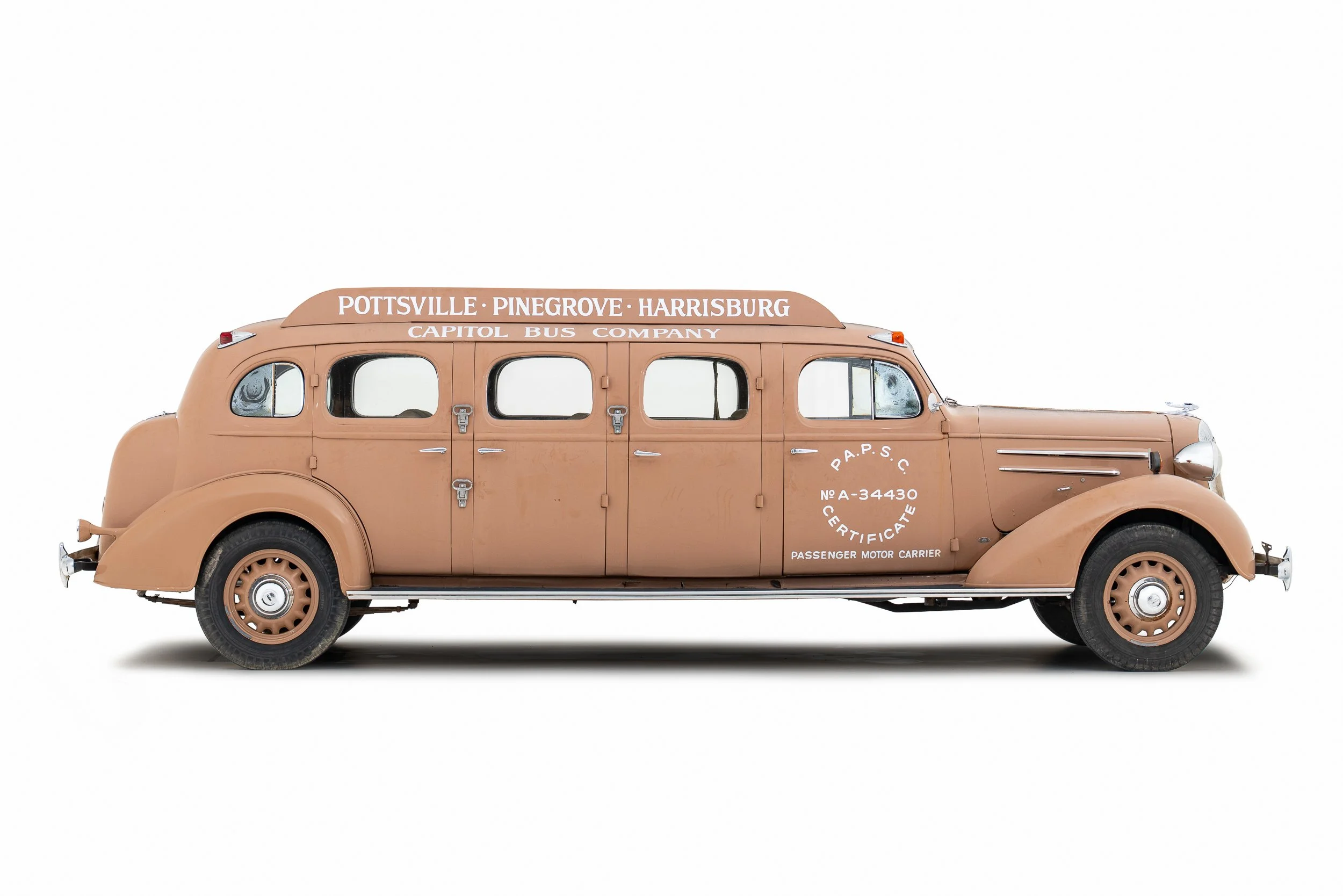 Image 5 of 25
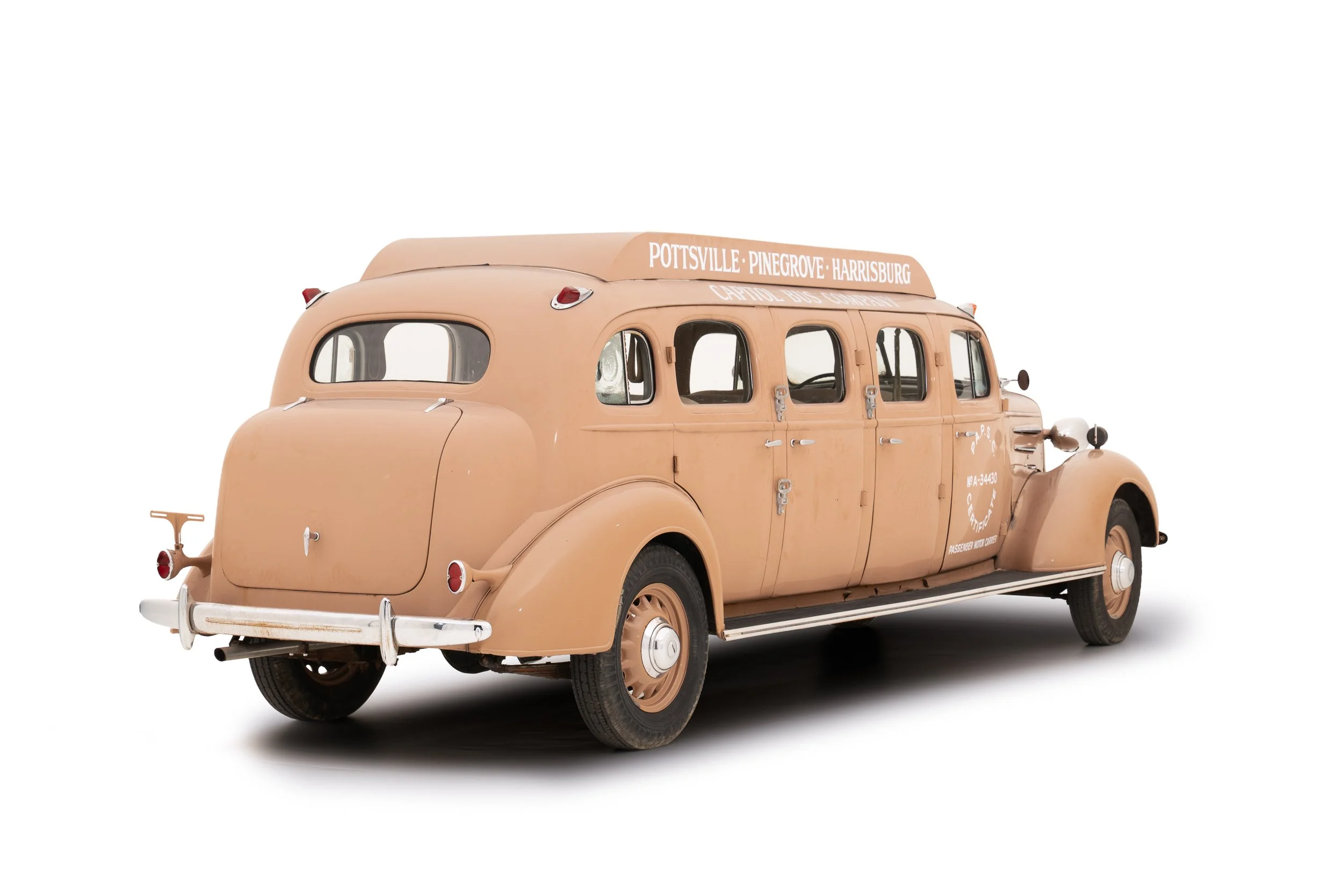 Image 6 of 25
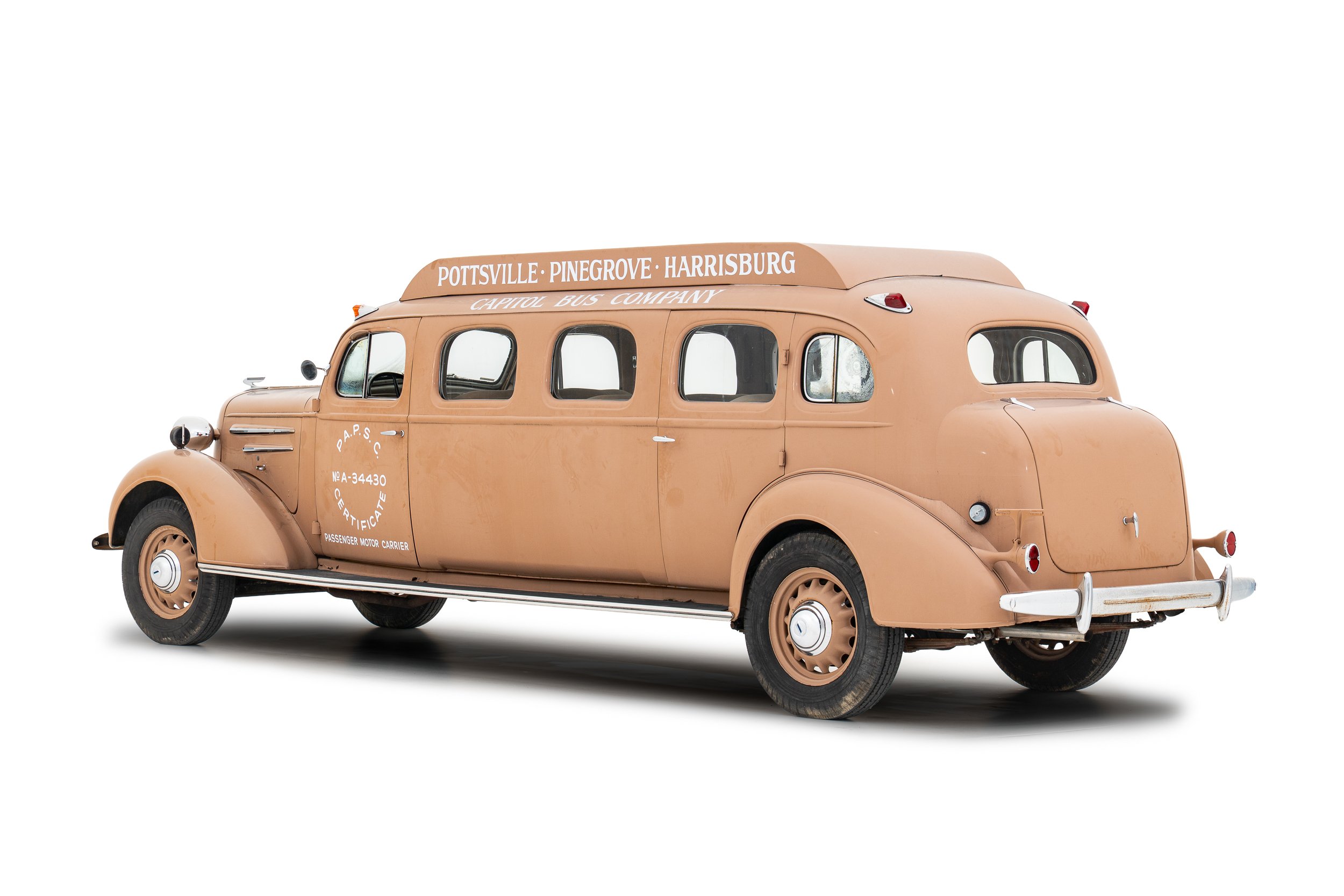 Image 7 of 25
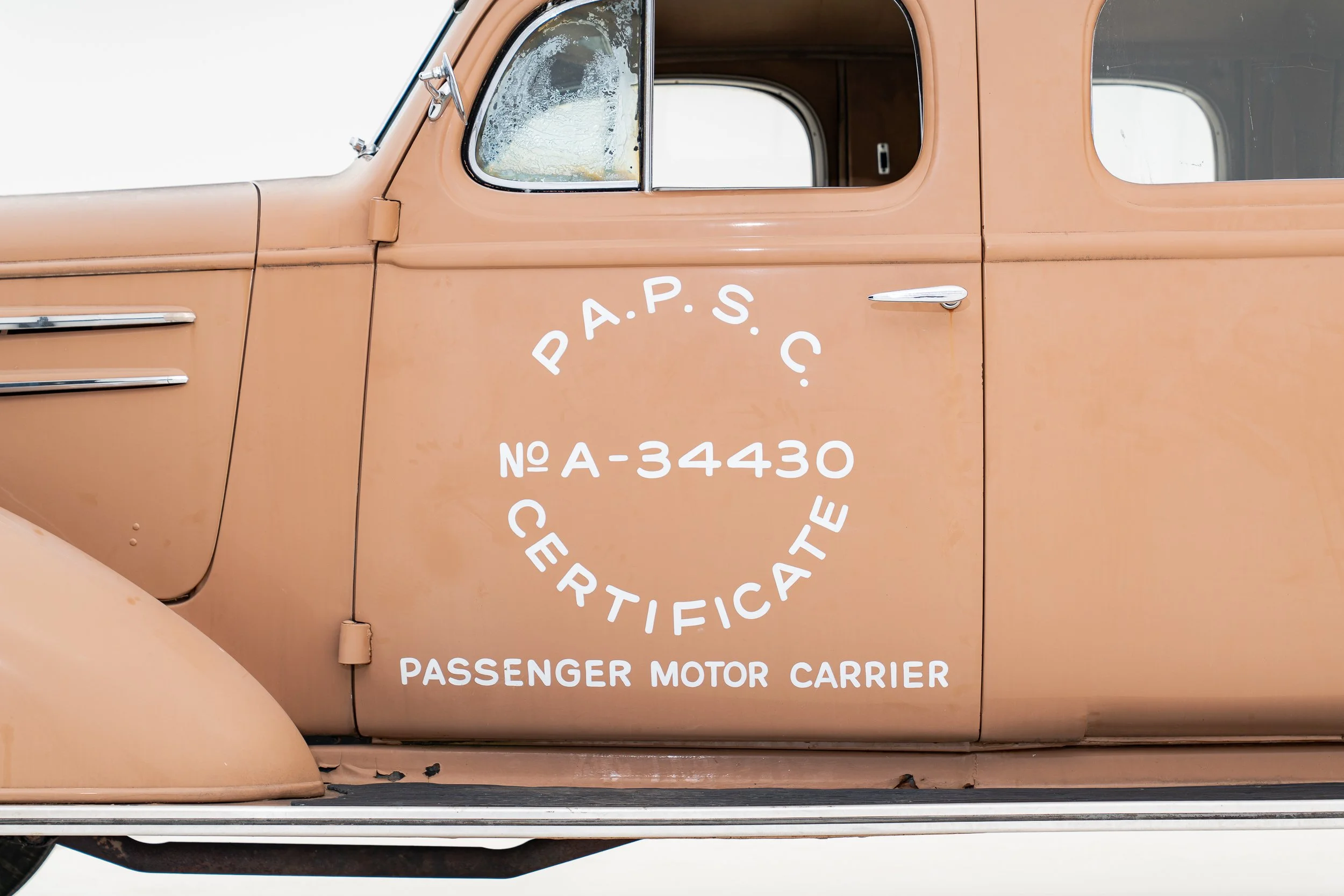 Image 8 of 25
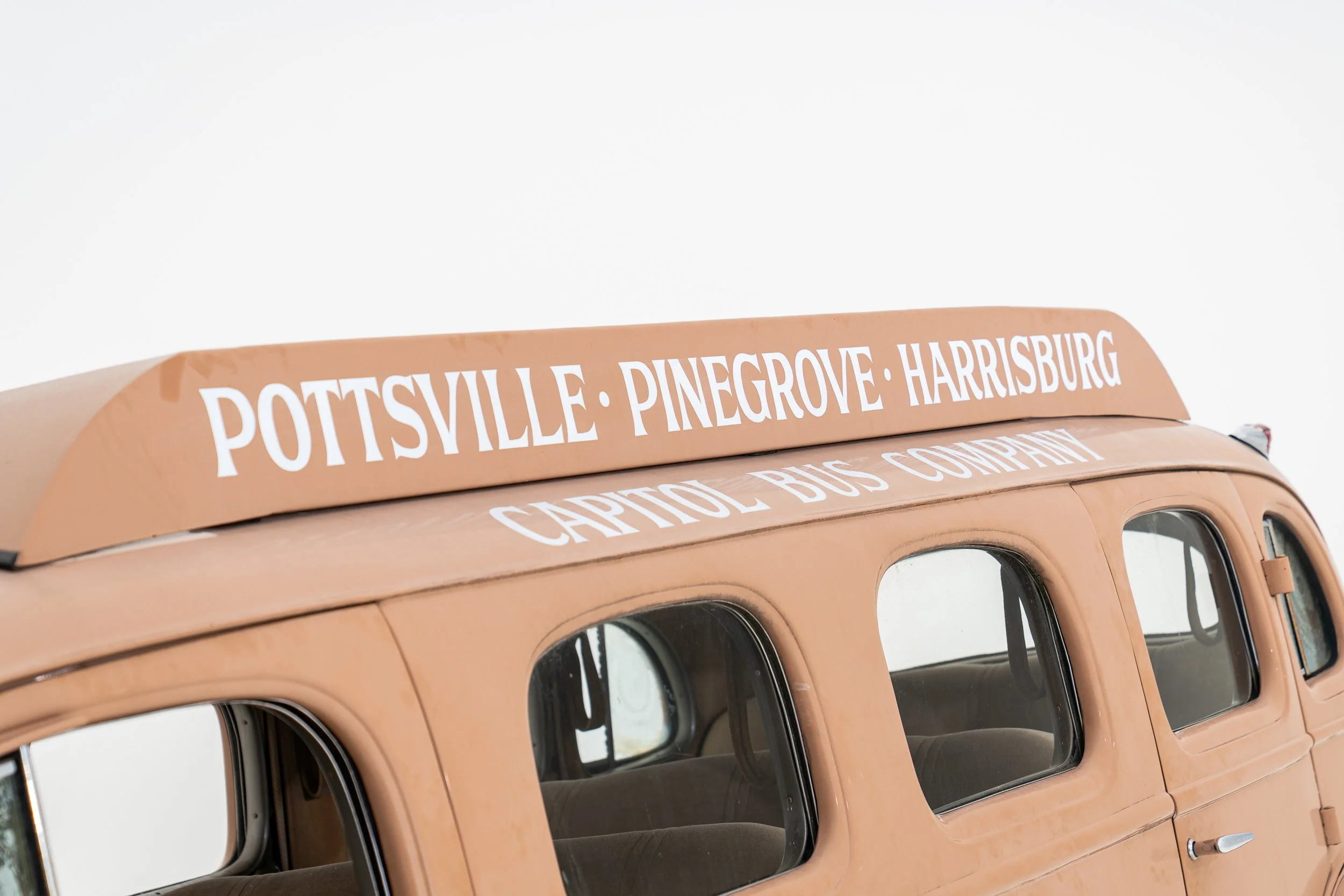 Image 9 of 25
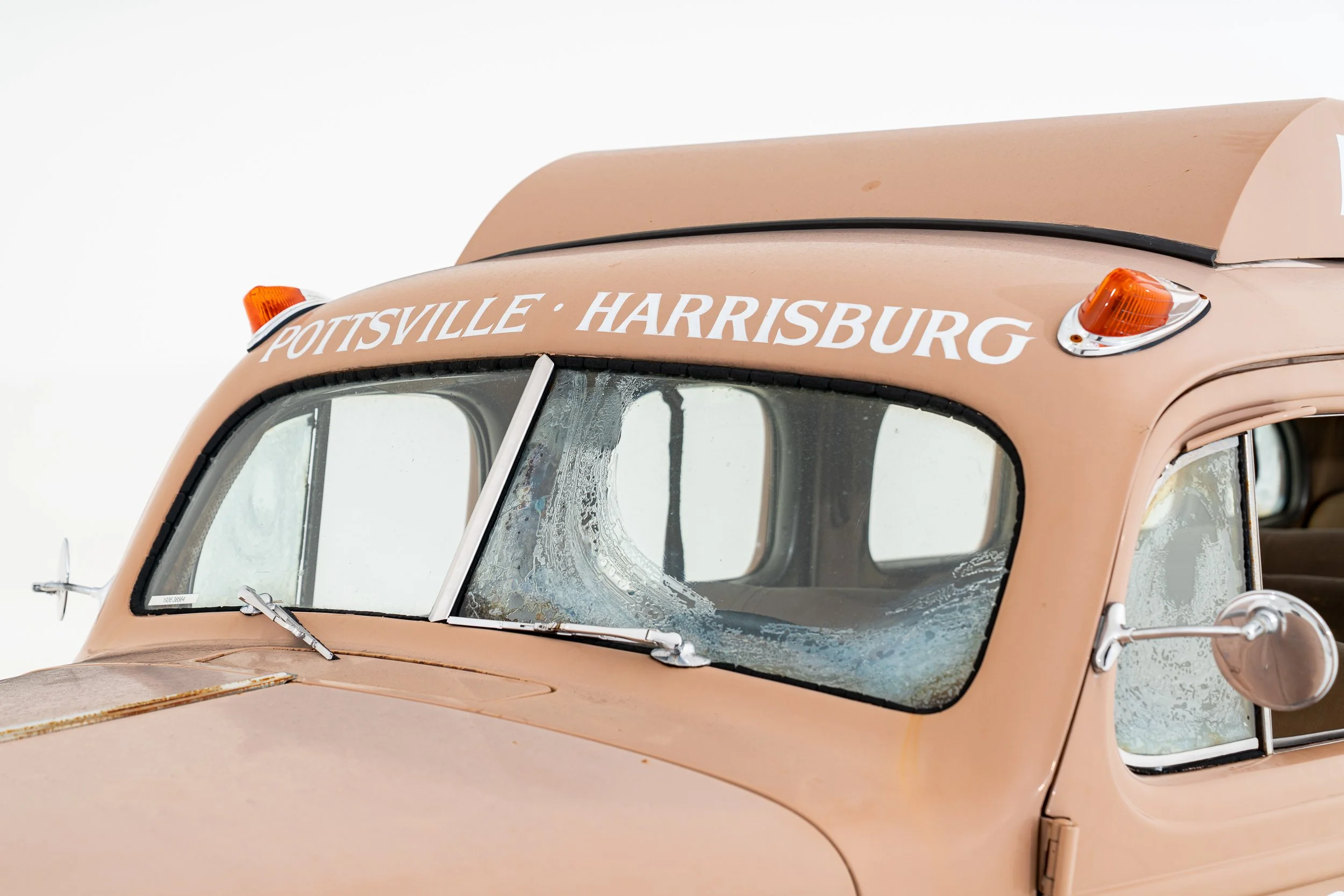 Image 10 of 25
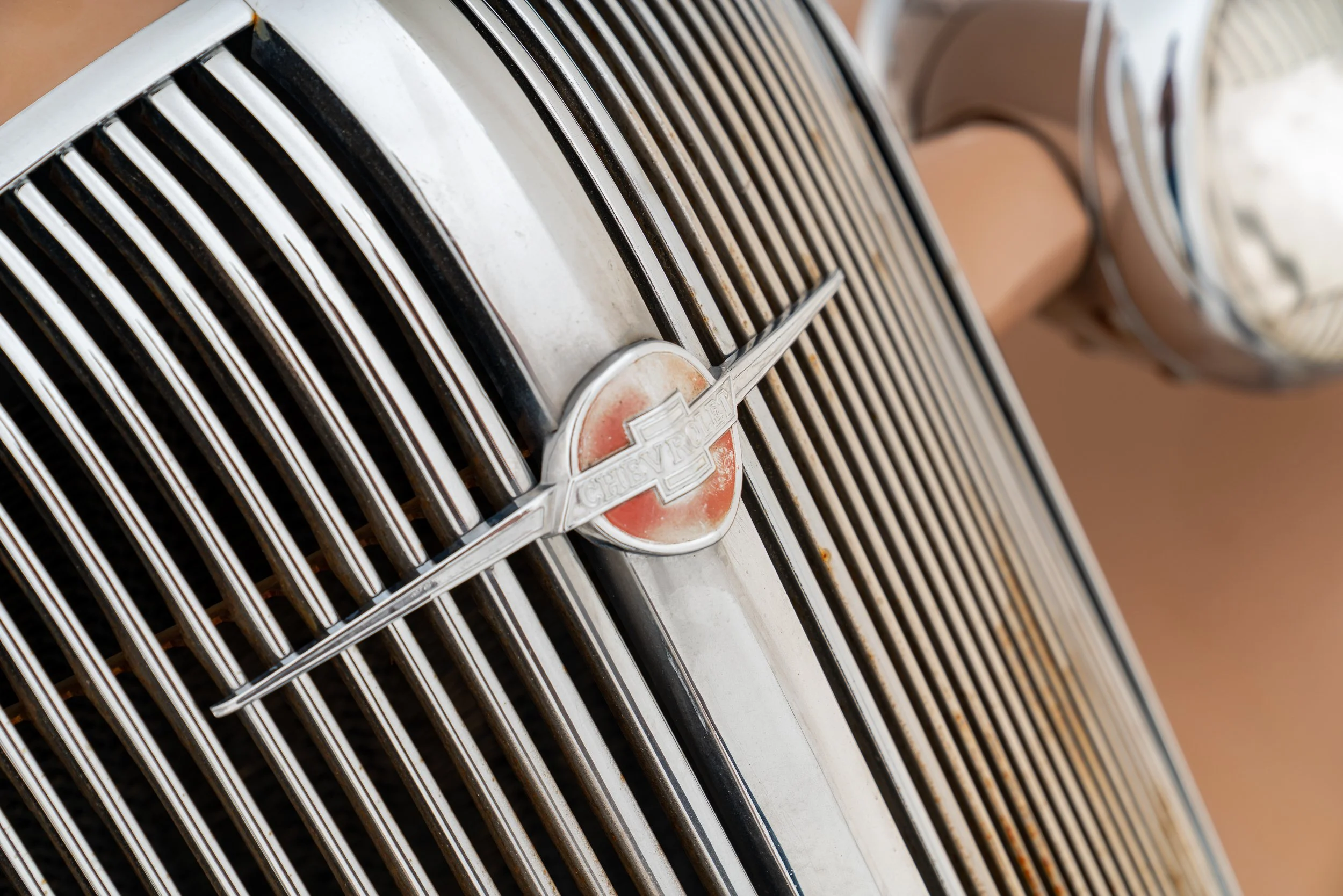 Image 11 of 25
 Image 12 of 25
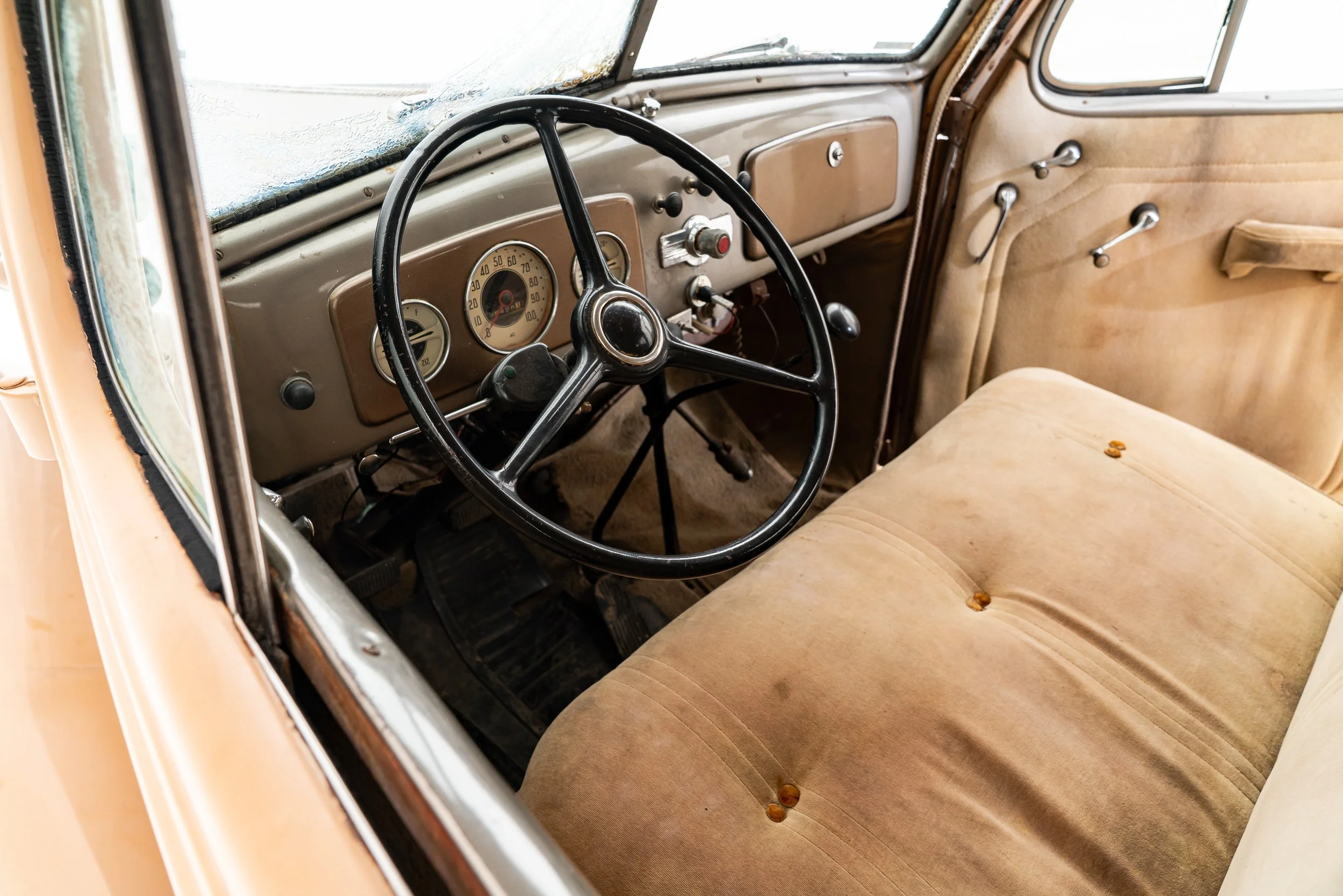 Image 13 of 25
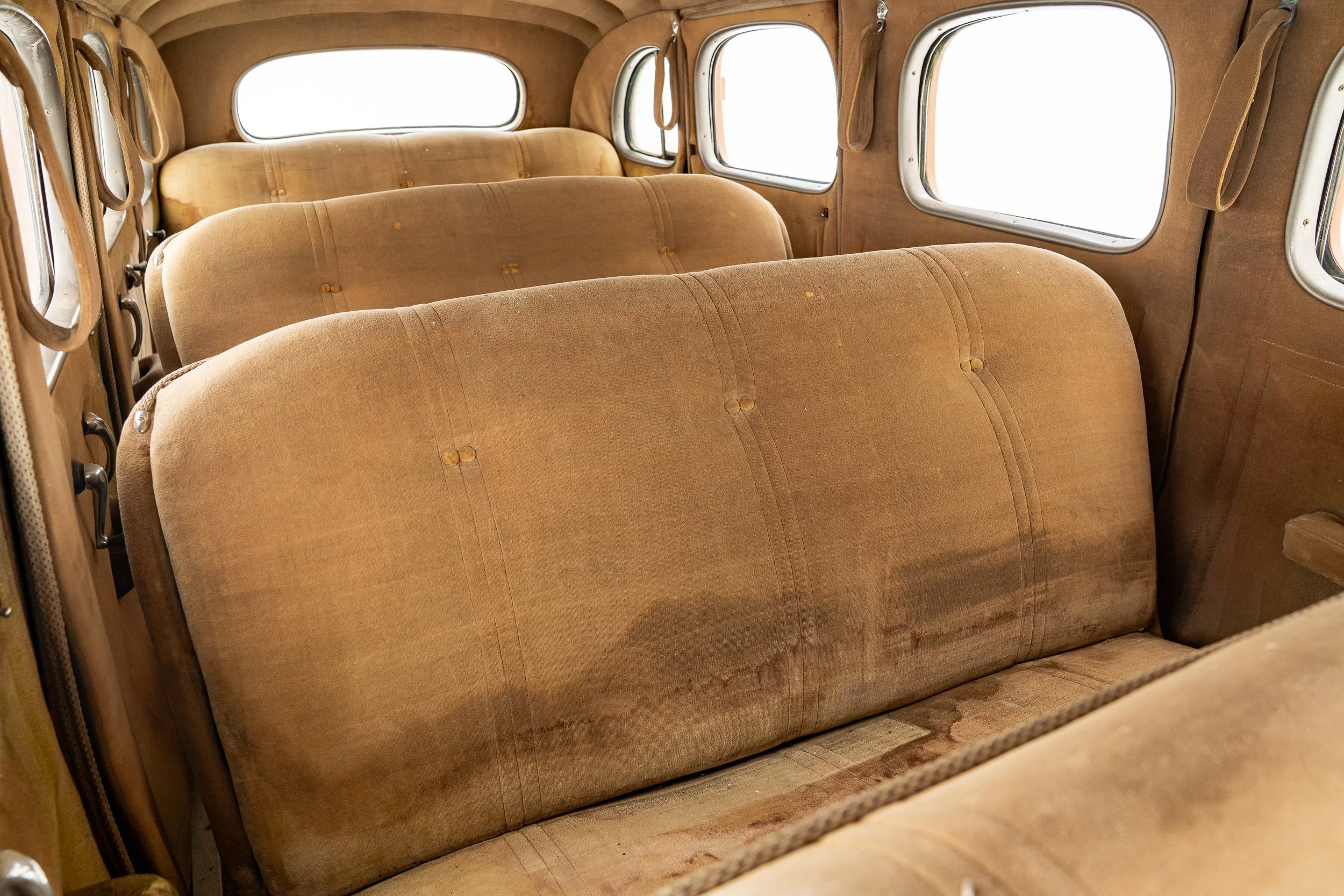 Image 14 of 25
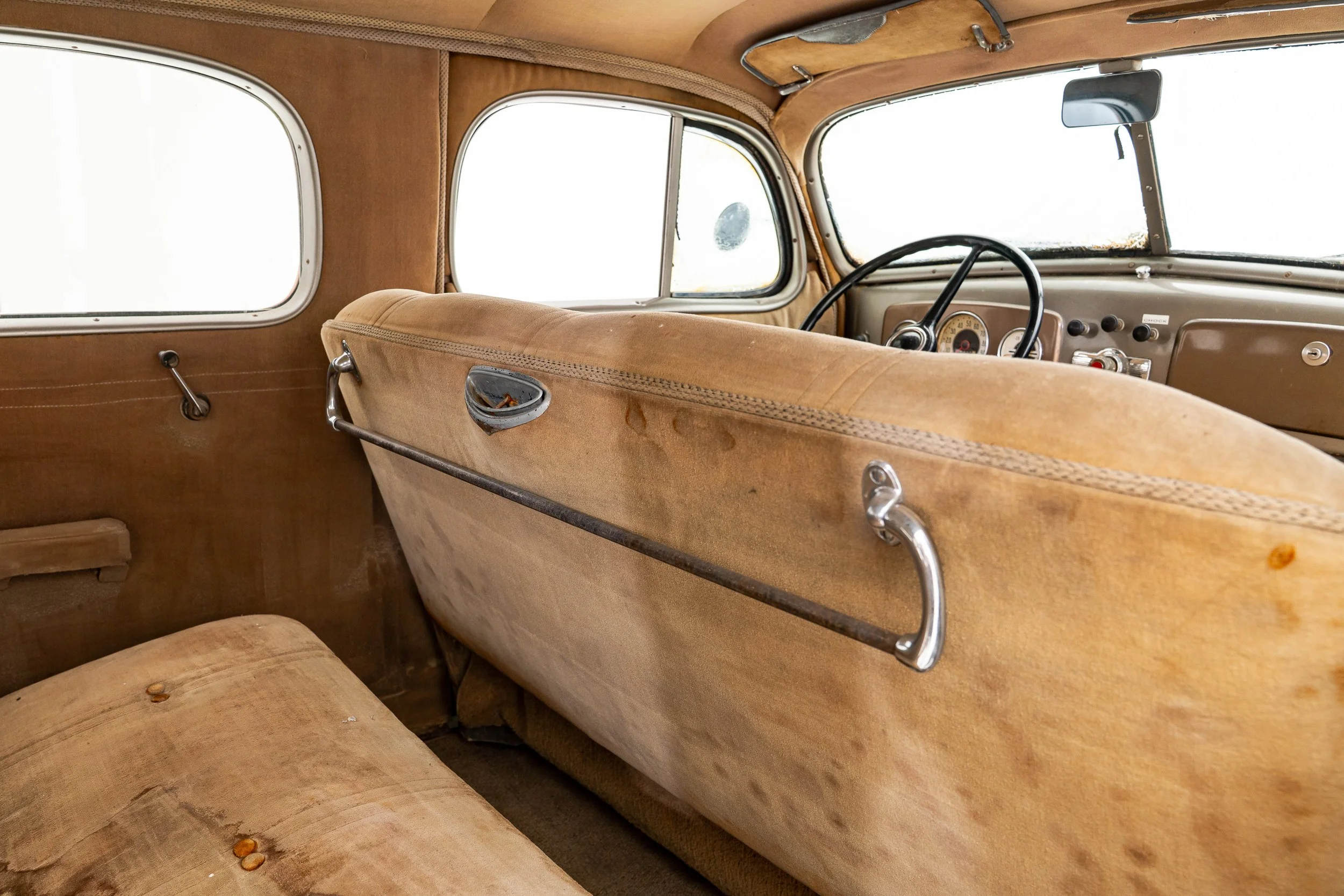 Image 15 of 25
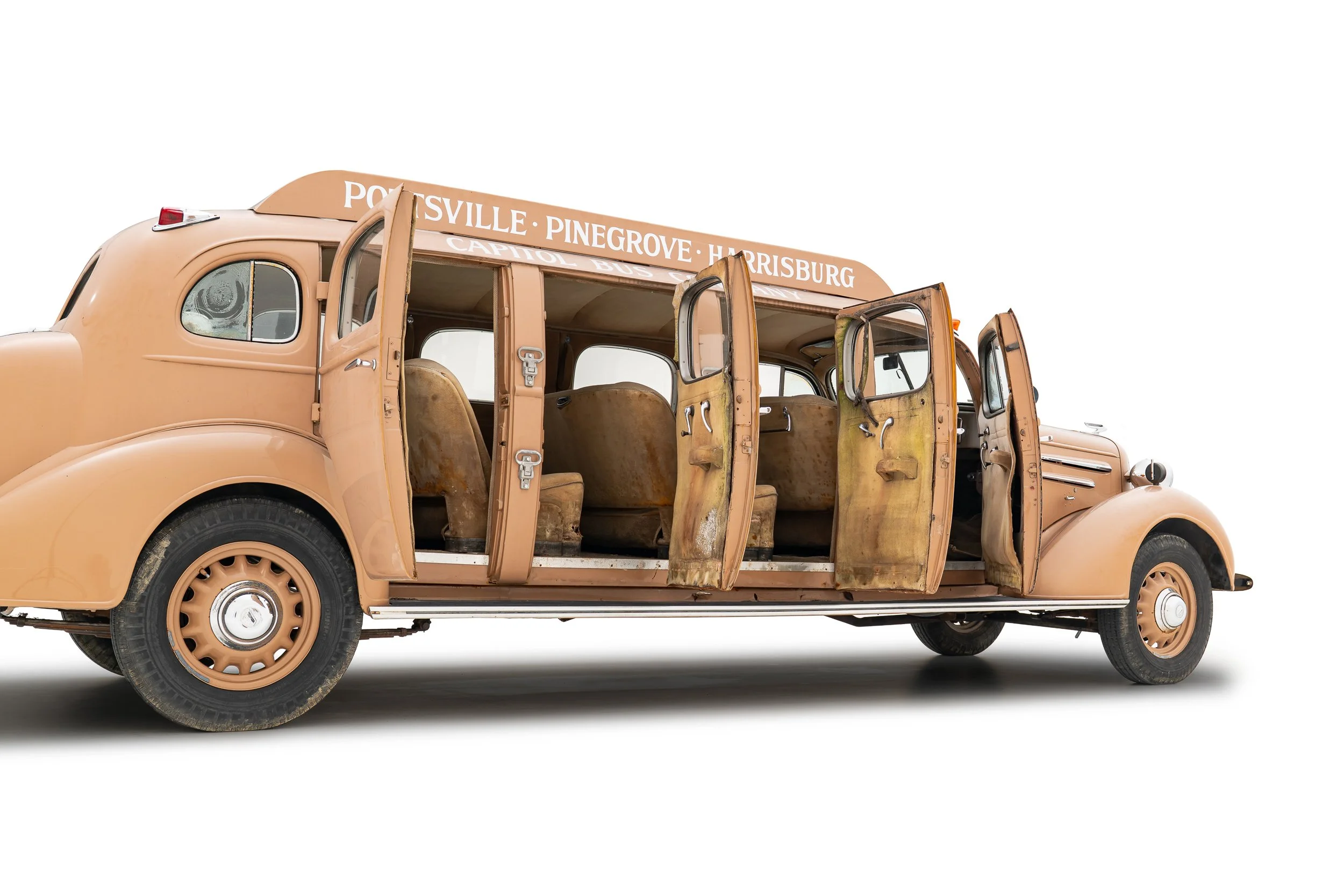 Image 16 of 25
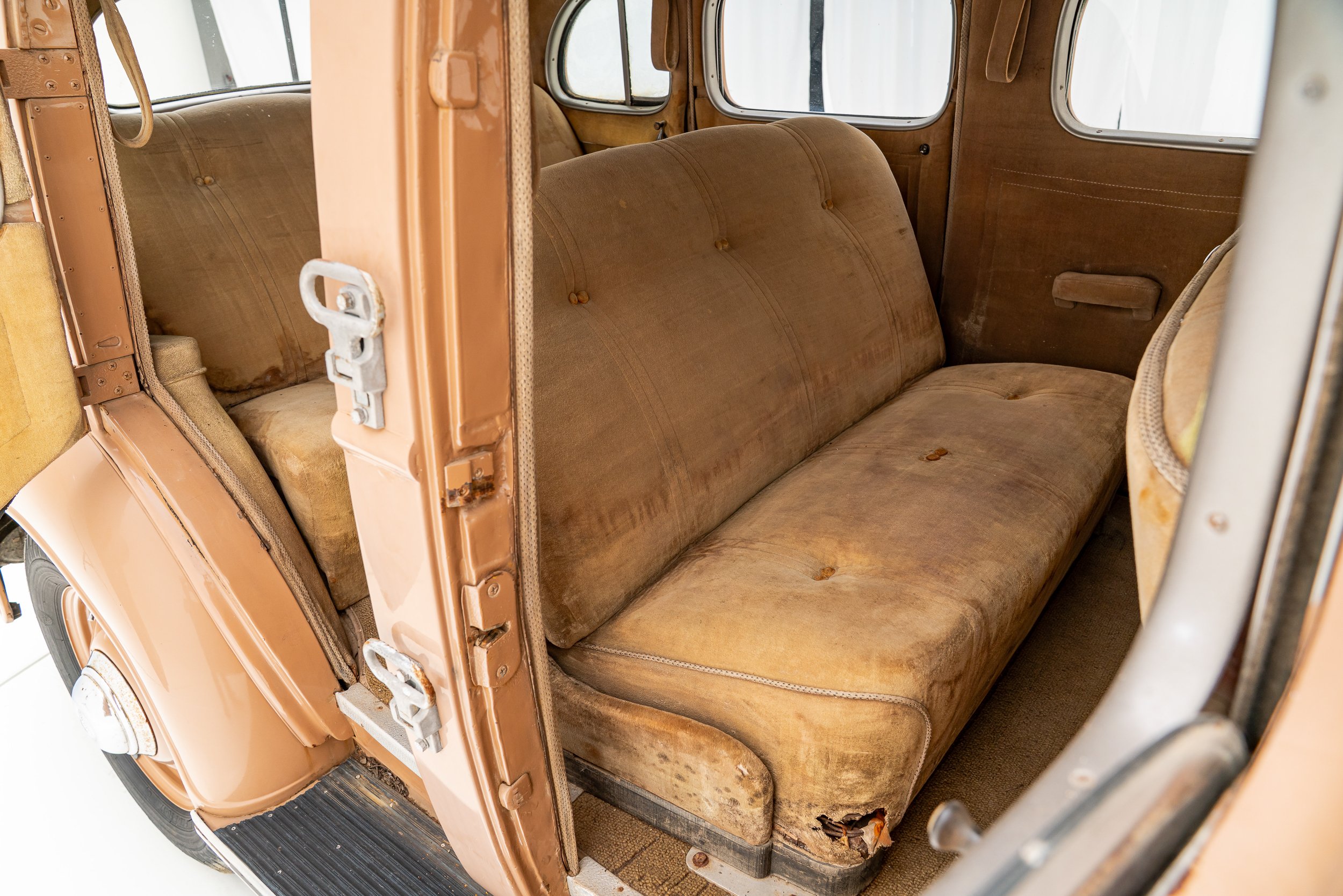 Image 17 of 25
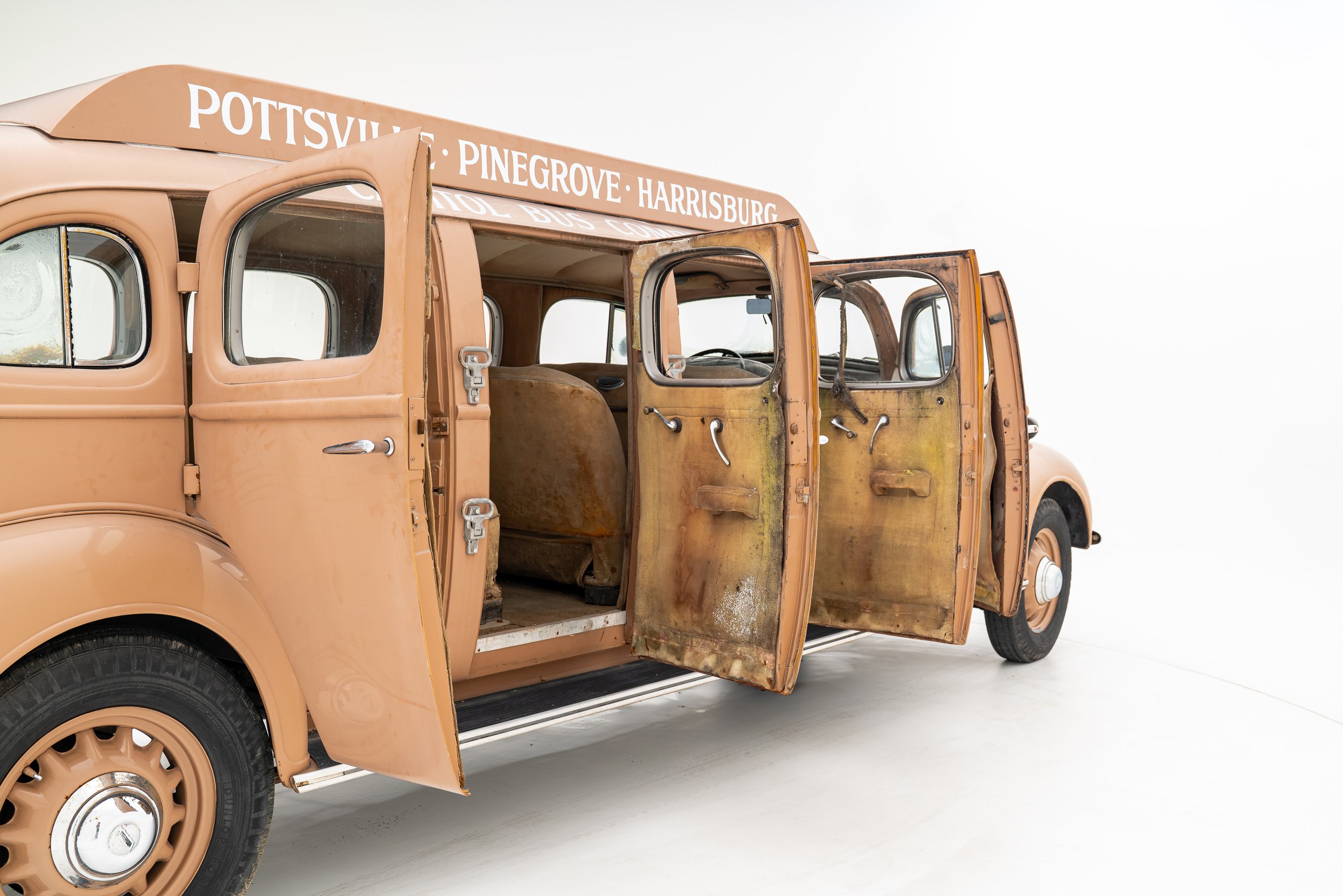 Image 18 of 25
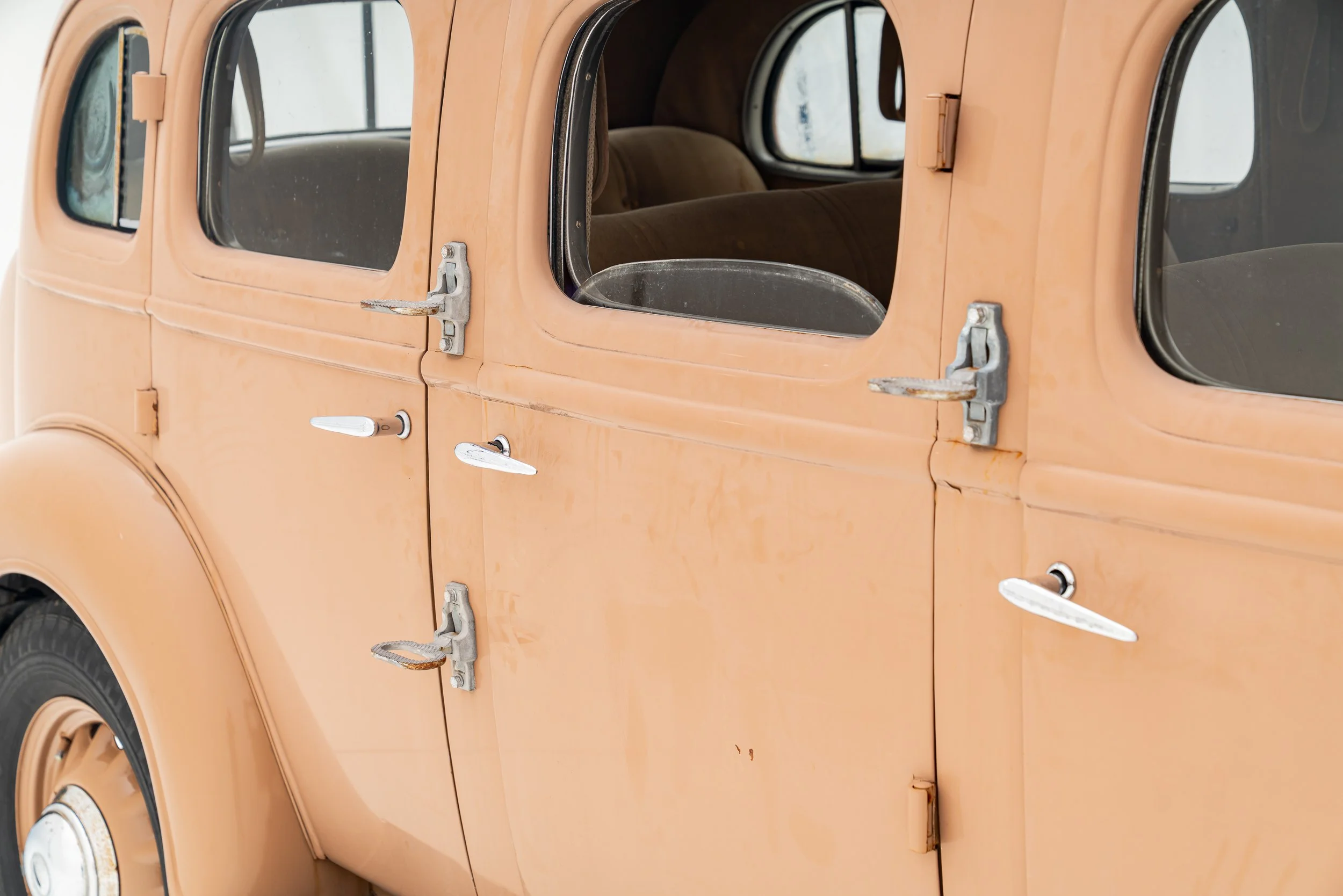 Image 19 of 25
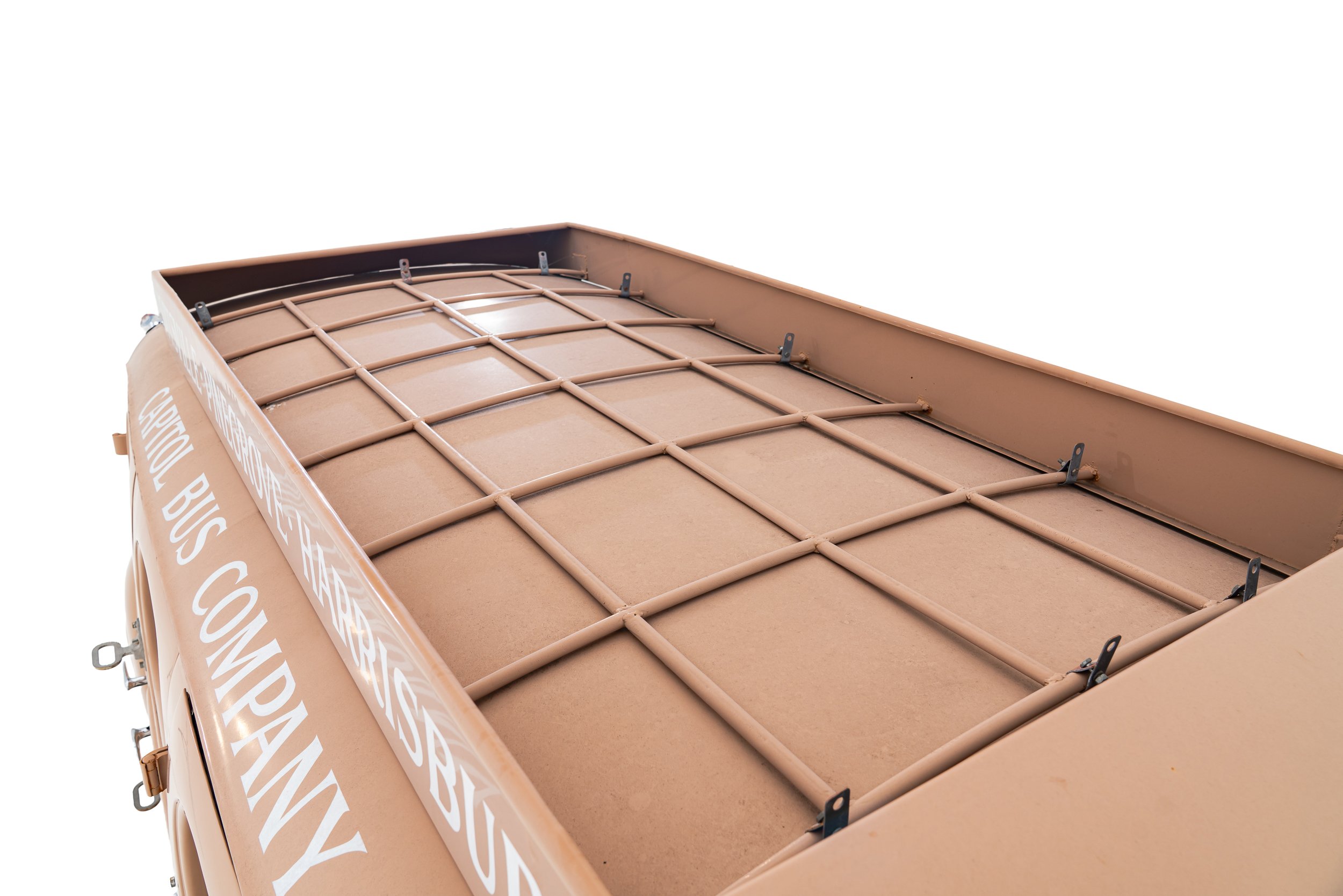 Image 20 of 25
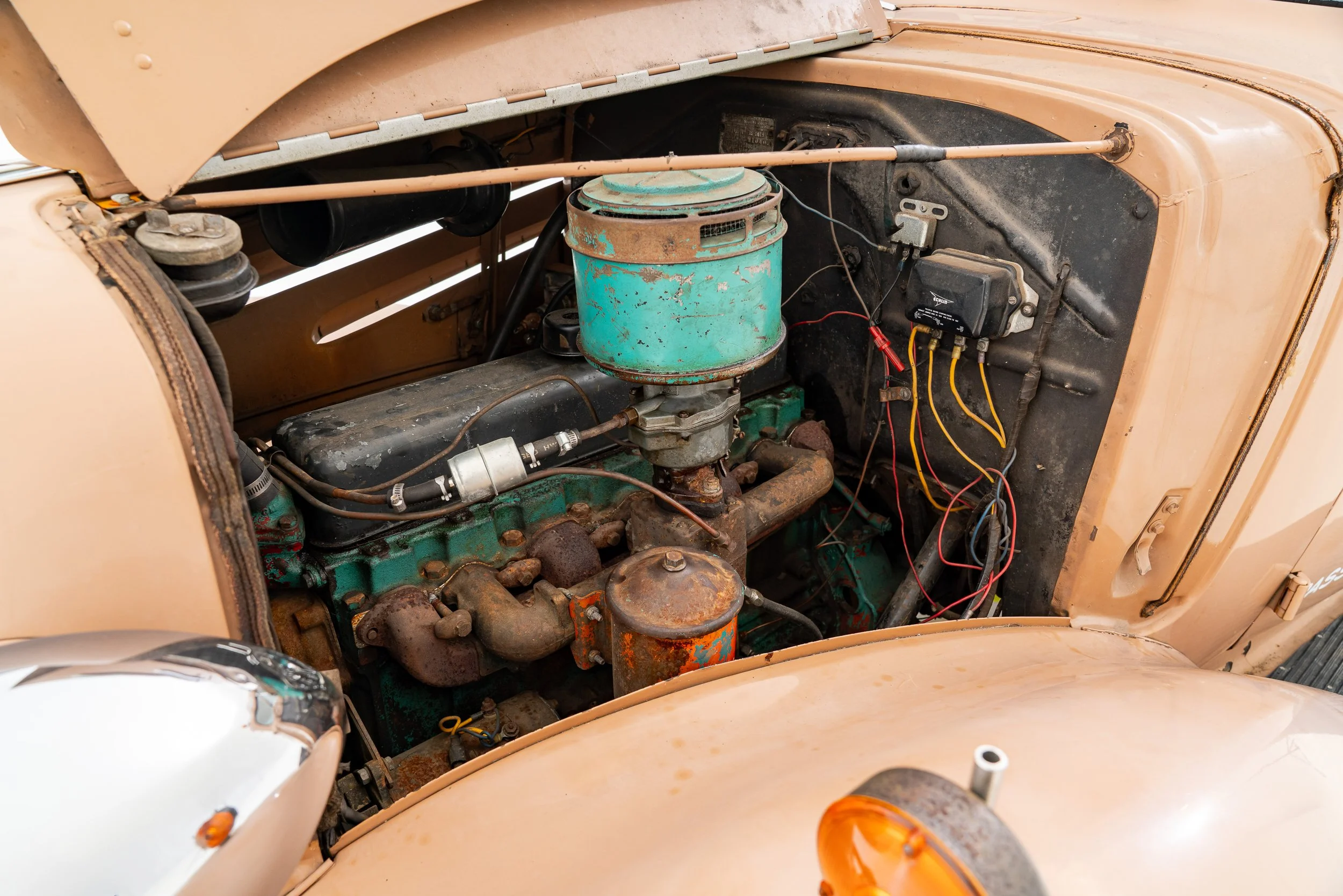 Image 21 of 25
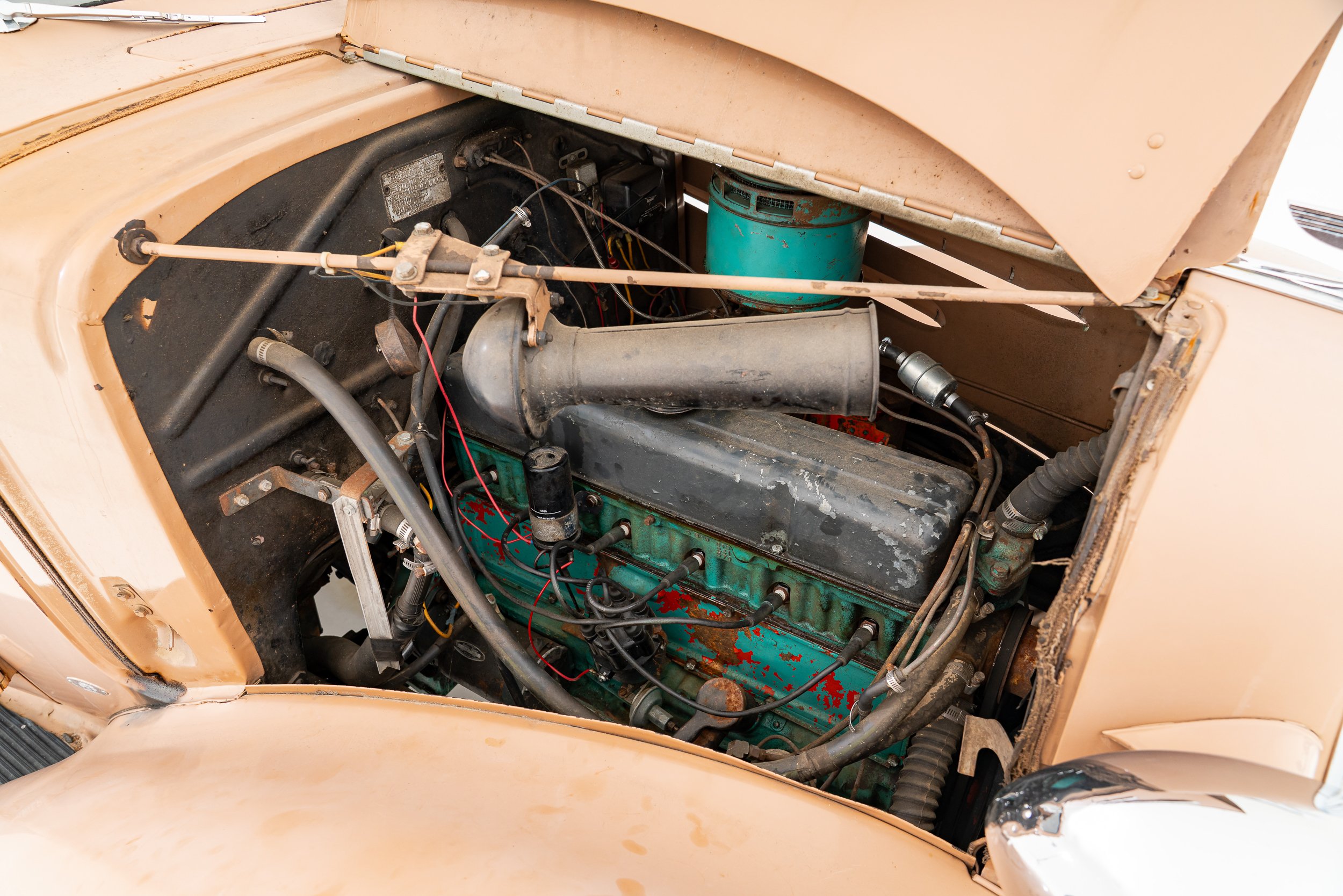 Image 22 of 25
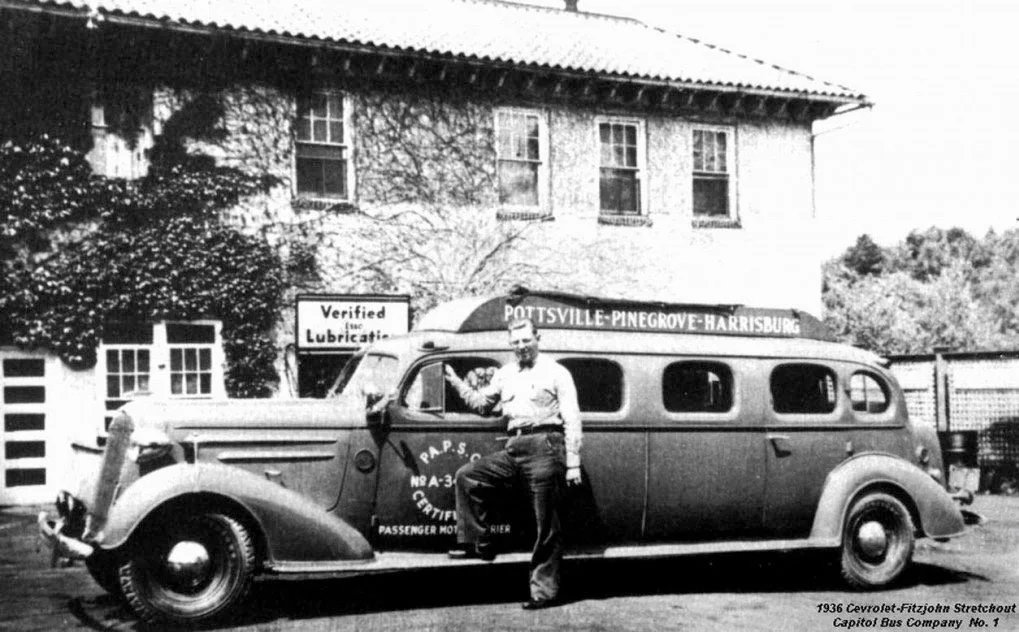 Image 23 of 25
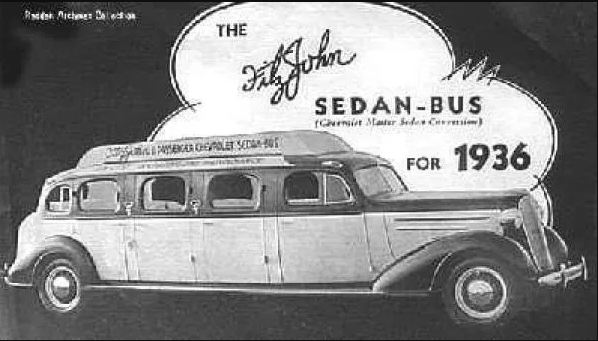 Image 24 of 25
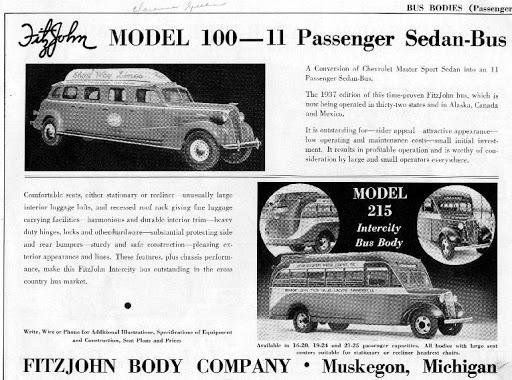 Image 25 of 25
-
On the 8th of October 1919 the FitzJohn-Erwin Manufacturing Company was incorporated to produce truck and bus bodies on other company chassis. Within a few years, the Erwin name was dropped in favor of FitzJohn Manufacturing Co. The company quickly gained a reputation for low prices with high quality. With sales of buses on the rise, a new factory was purchased in 1924 and sales nearly doubled the following year.
In 1929, the company began to sell directly to operators, instead of through dealers or to manufacturers for use on their own chassis. This change in sales tactics was unable to stave off the impacts of the Great Depression. A 40% decline in sales in 1931 forced the company into receivership. With founder H. A. FitzJohn ushered out the door, new management with restructured financing and now named the Fitzjohn Body Company managed to avoid bankruptcy. In 1934, the company introduced an innovative product, the model 100, based on a stretched passenger car rather than a commercial chassis. Using a Chevrolet Master sedan, they split the car at the B-pillar and added a center section with a luggage rack on the roof. The resultant 11-passenger “stretch-outs” coach was an instant success. Lower in price than more commercial buses, small enough for feeder routes, airport transport and sightseeing routes the bus filled a niche for a smaller, less expensive bus that was more economical to operate.
The 100 was soon rebranded as the Fitzjohn Sedan-Bus and became their volume product up to the start of World War II. Some time in 1940, they began to switch from using chassis of other companies to their own integrated vehicles, especially on the larger buses and coaches. Like all vehicle manufacturers in this period, they shifted to war production by 1942, producing larger versions of the 100, seating up to 15 passengers, and tractor-trailer buses both used mostly for transporting labor to and from factories.
After the war, the company moved into municipal bus manufacturing but couldn’t compete with the larger players such as General Motors. The company closed its doors for good in 1958. Between 1921 and 1958 the company produced 5,300 truck bodies, buses, stretches, and trailer conversions. -
Company
Fitzjohn Manufacturing Company
Make
Fitzjohn Chevrolet
Model
Sedan-Bus, 100
Body Style
Bus, 6-dr, 11-pass.
Body ManufactureFitzjohn Manufacturing Co.
Model year
1936
Wheelbase
185 Inches
Length
Long
Engine
Inline-6, L-head, 206.8 cid
Horsepower
79 hp @ 3200 rpm
Transmission
3-speed manual
Original Base Price
$
Brand Production
NA
This Car Production
776 -
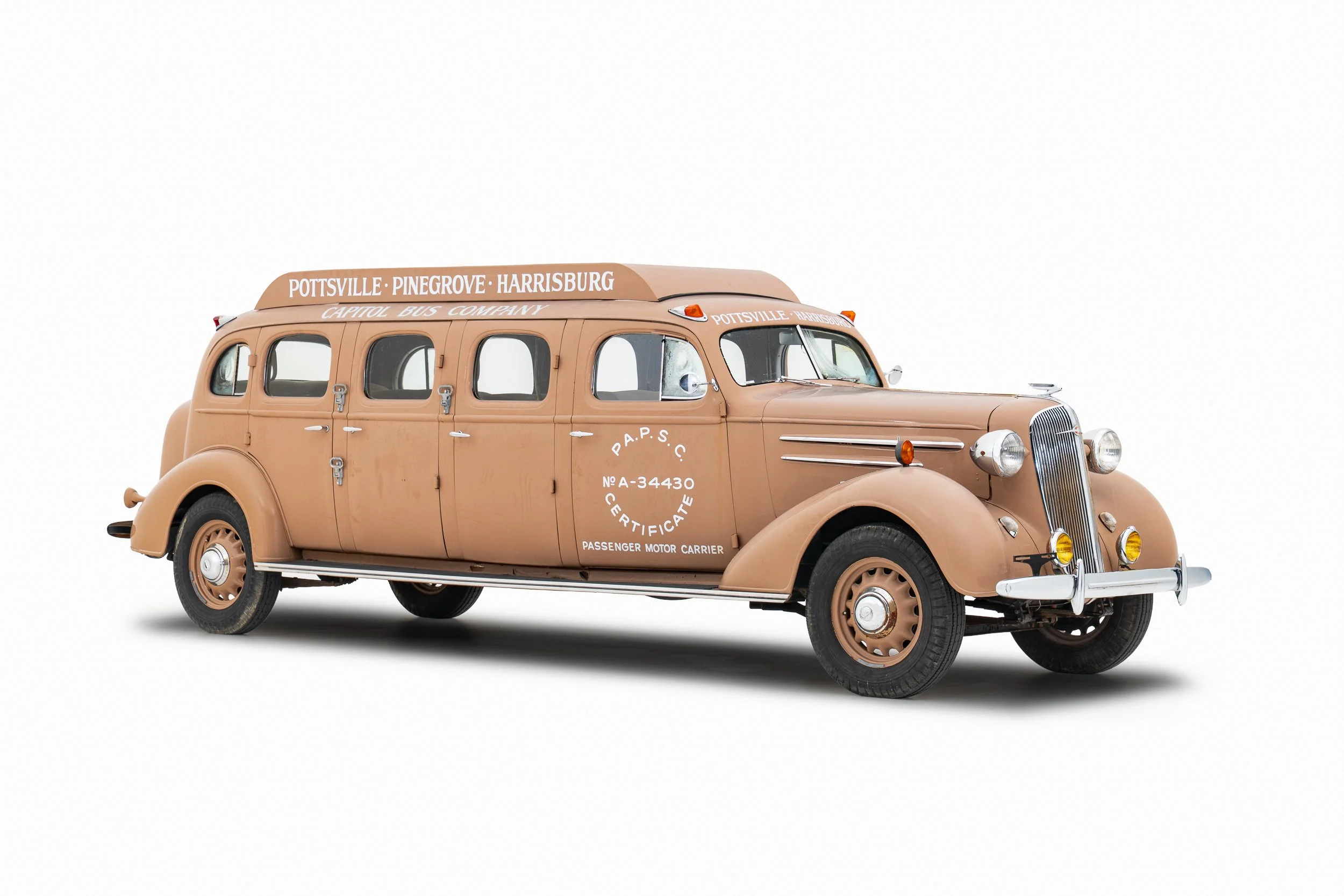
In 1936 the Capital Bus Company, based in Harrisburg, Pennsylvania, purchased a Fitzjohn Sedan-Bus as their first bus. This bus appeared in some Fitzjohn advertisements that year.
In 1975, after efforts to locate a surviving 1936 Fitzjohn Chevrolet Sedan Bus had proved fruitless, the Capital Bus Company was intent to replicate their #1 bus. Eventually a fully operable 1936 Chevrolet Master sedan and two parts cars were procured. These were entrusted to the Body-Rite company to recreate the original bus #1. The resultant vehicle does a great job of replicating a 1936 Fitzjohn Chevrolet Sedan-Bus and was painted and lettered to match Capital Bus Company #1. As far as anyone can tell in 2026, no period built 1936 Fitzjohn Chevrolet Sedan Buses survive.
Eventually the bus found its way to the Museum of Bus Transportation in Hershey, PA. An unfortunate flood damaged the bus while in the museum storage facility. As part of the insurance settlement and ongoing collection management efforts, it was decided to sell the bus rather than repair it. The NB Center acquired the bus in early 2026 and it immediately went into the mechanical shop for a complete mechanical recommissioning. Eventually the interior will be done over, the paint buffed and the bus may see service shuttling guests around The NB Center property.