
 Image 1 of 19
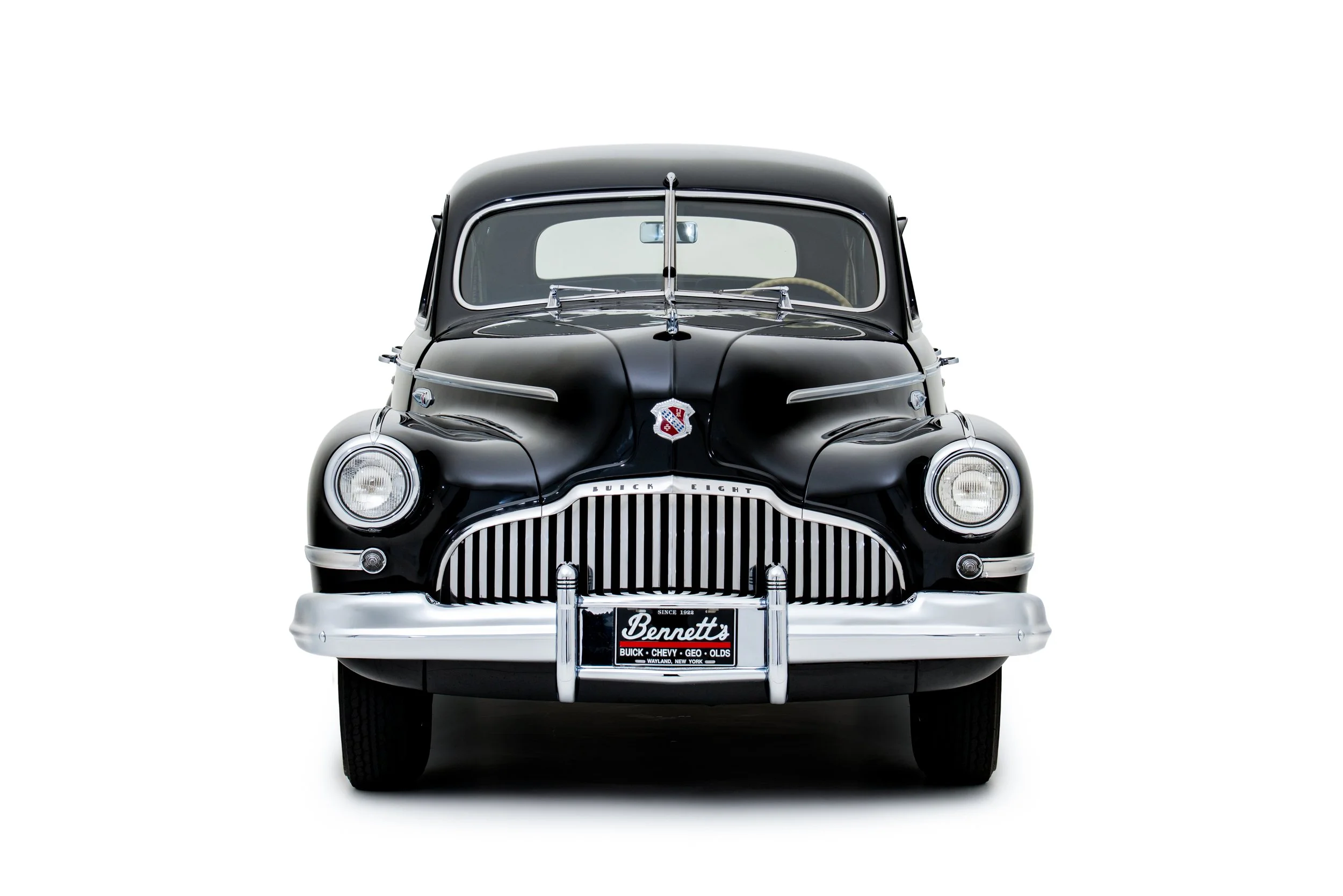 Image 2 of 19
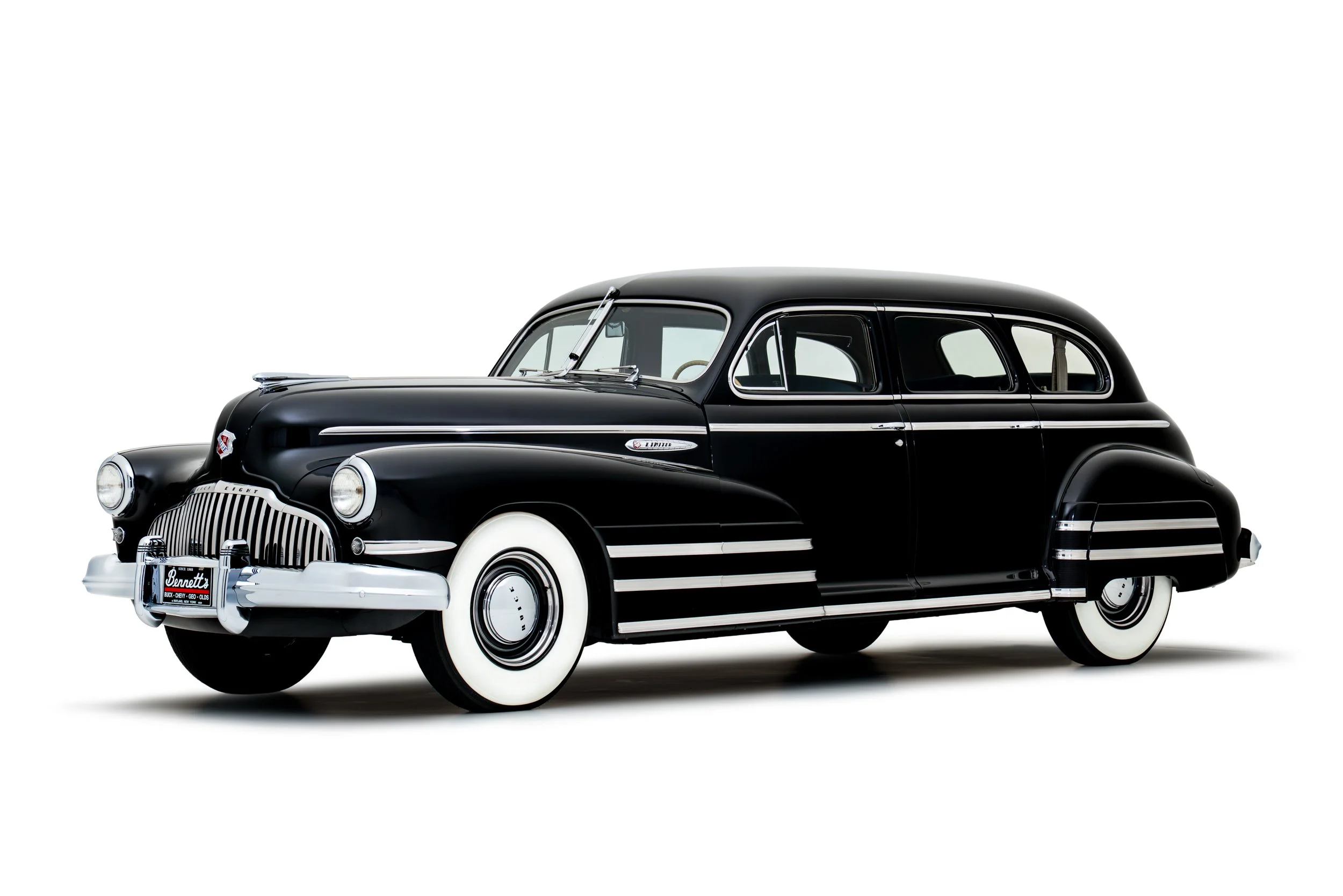 Image 3 of 19
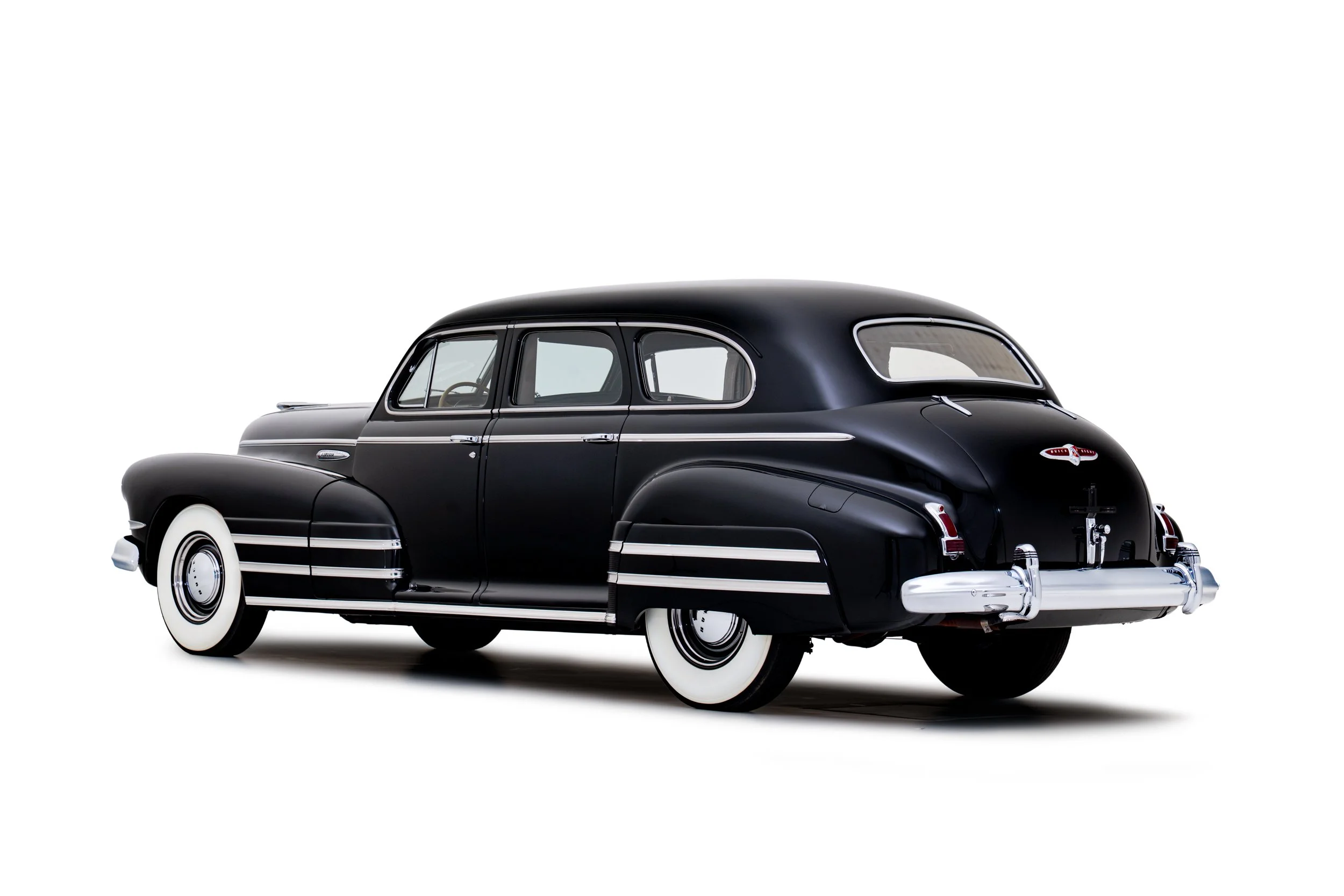 Image 4 of 19
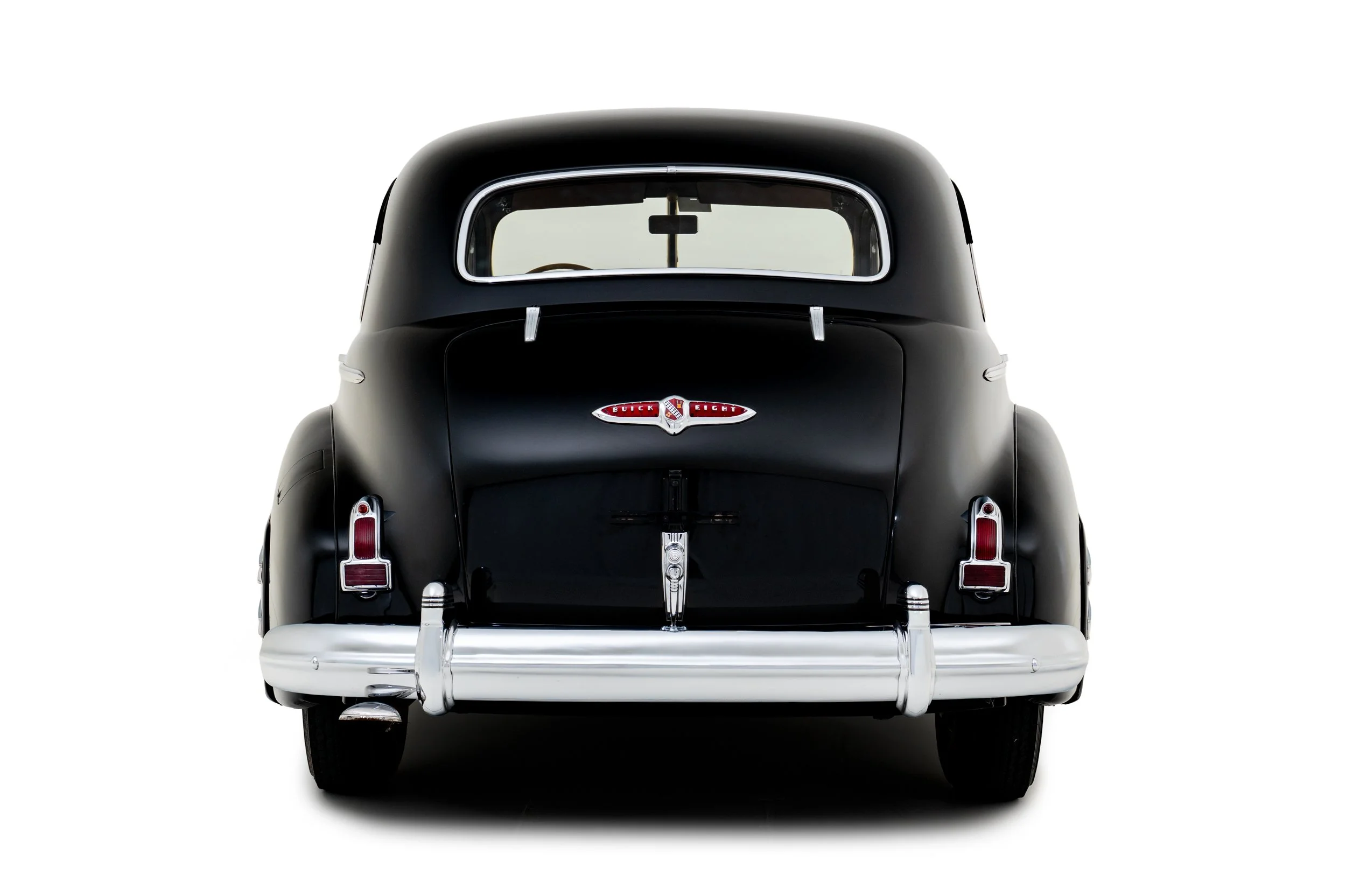 Image 5 of 19
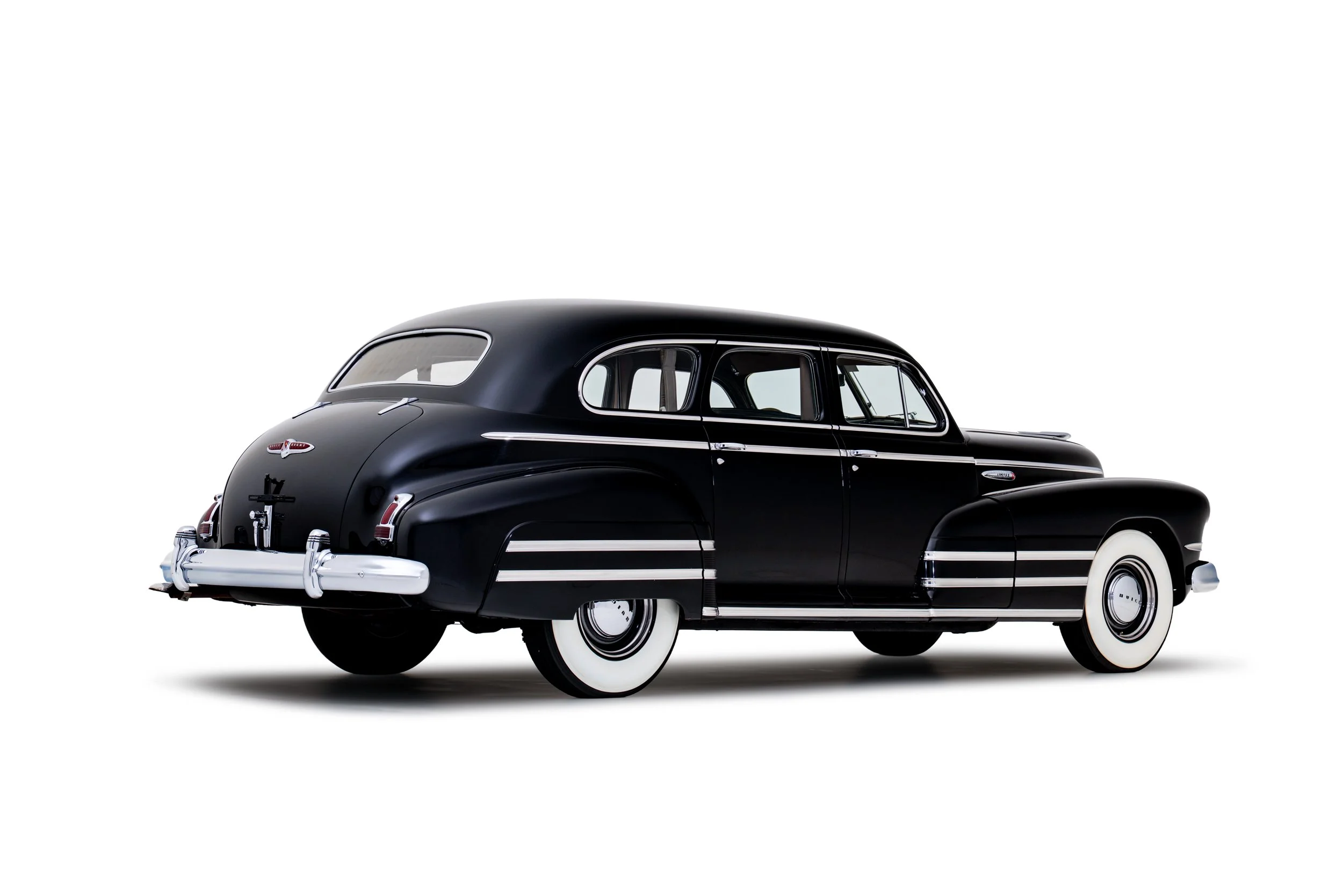 Image 6 of 19
Image 7 of 19
Image 6 of 19
Image 7 of 19
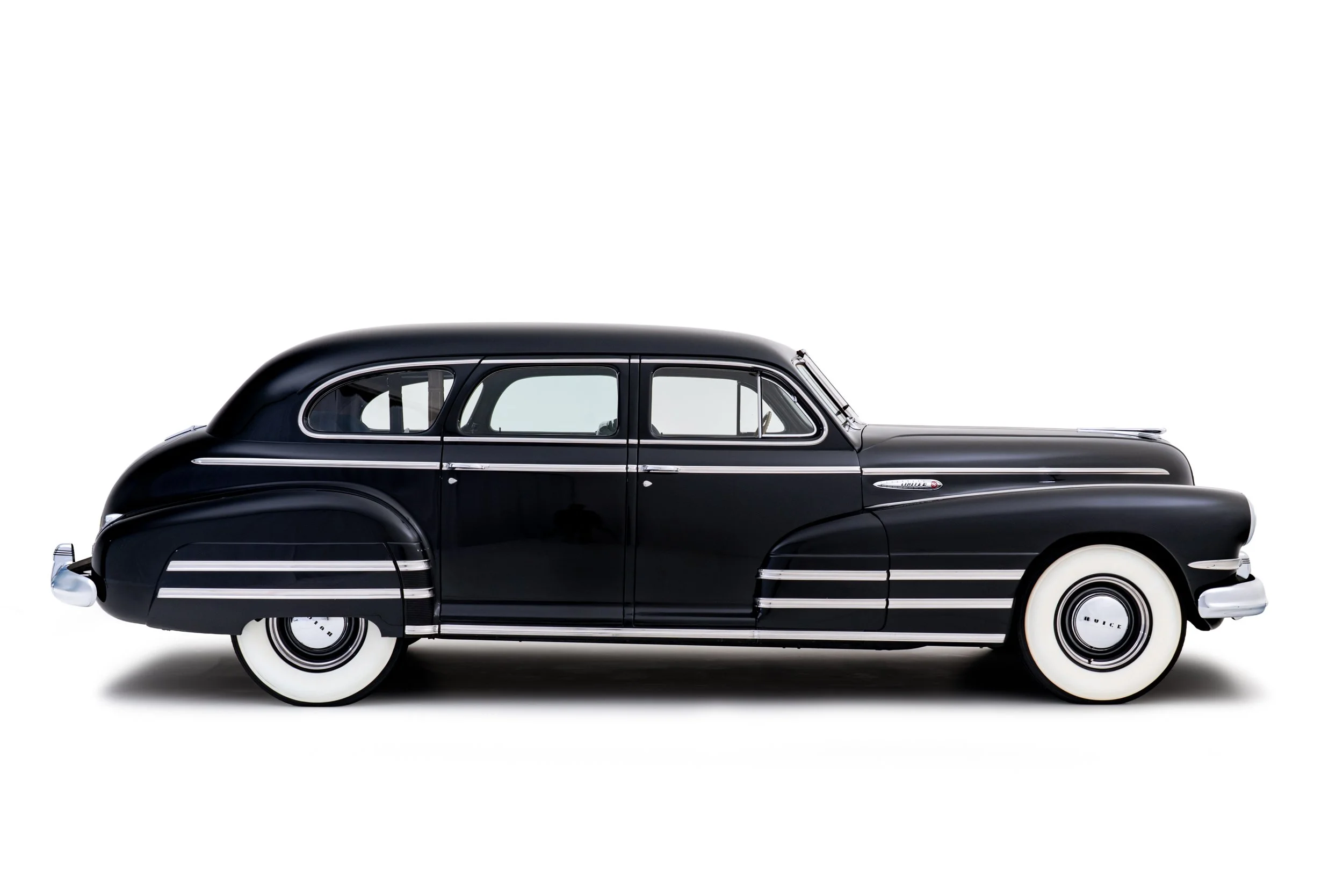 Image 8 of 19
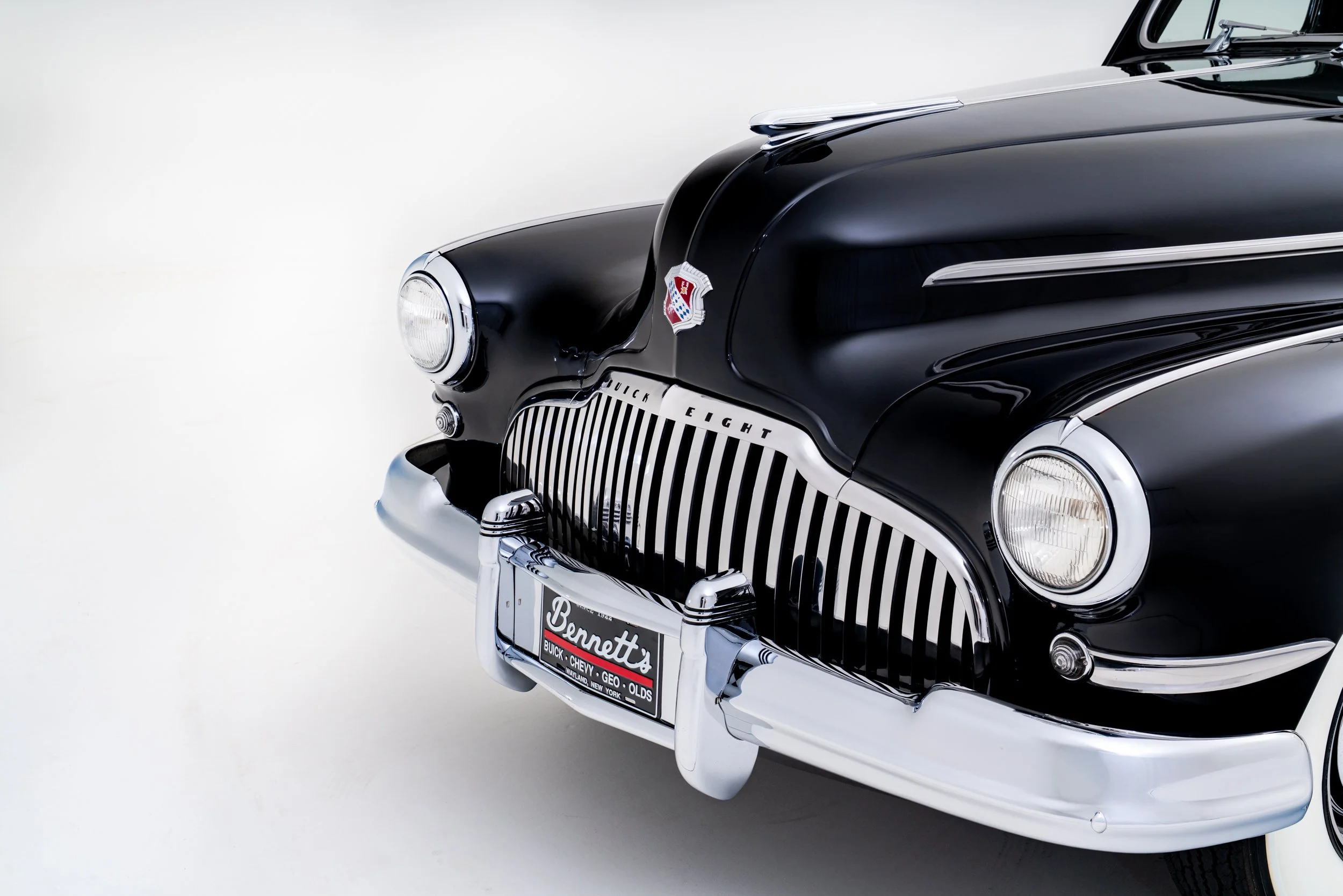 Image 9 of 19
Image 10 of 19
Image 9 of 19
Image 10 of 19
 Image 11 of 19
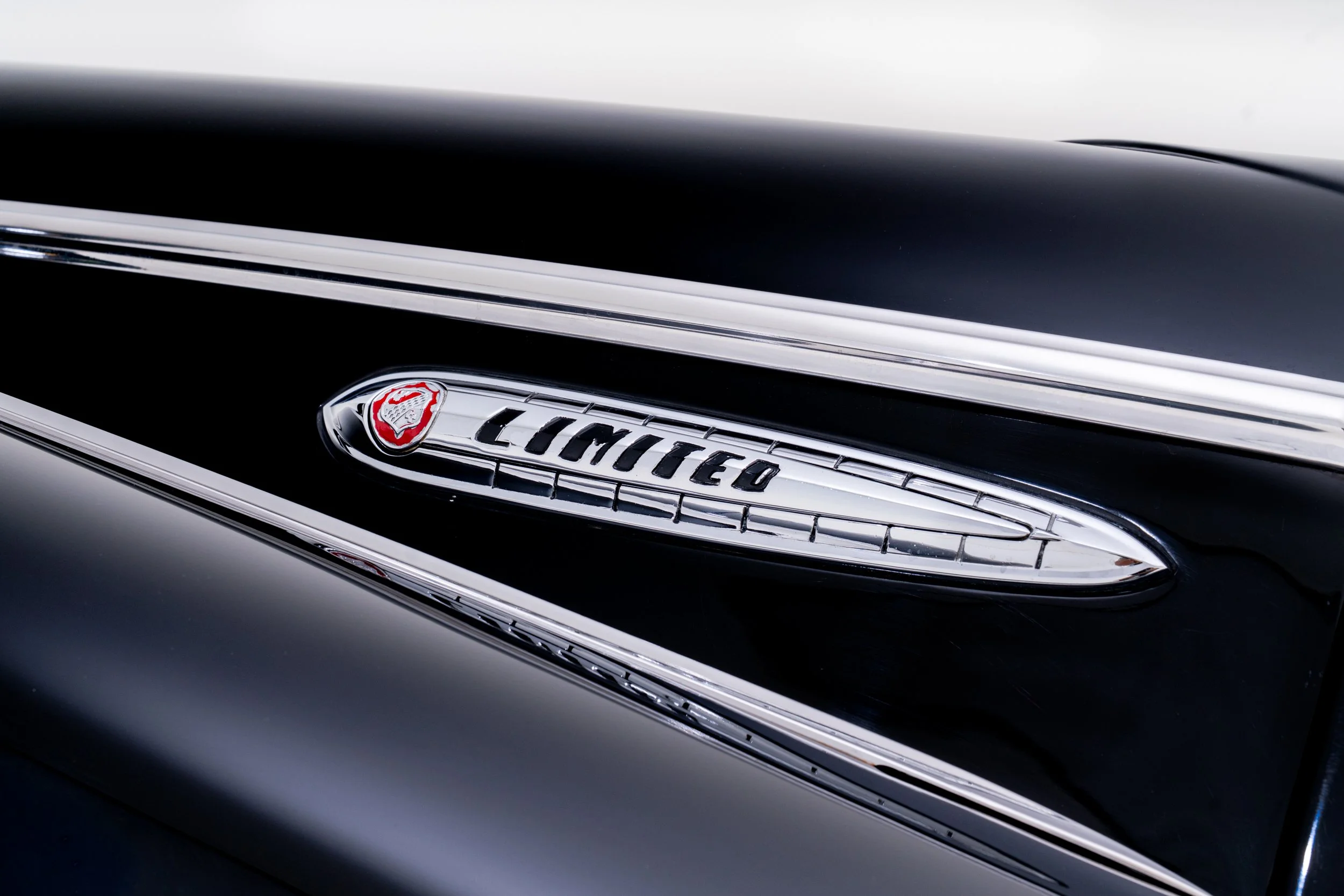 Image 12 of 19
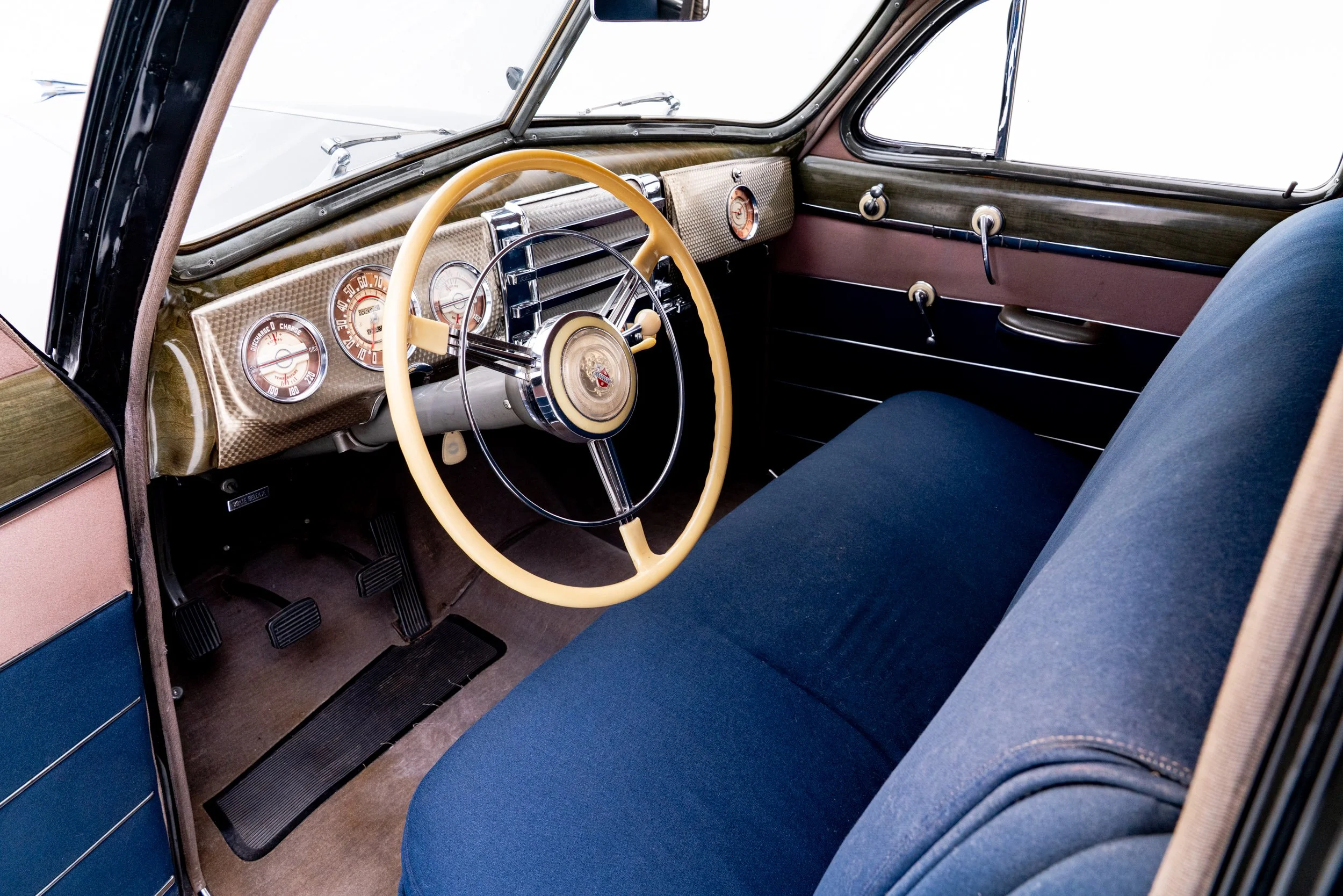 Image 13 of 19
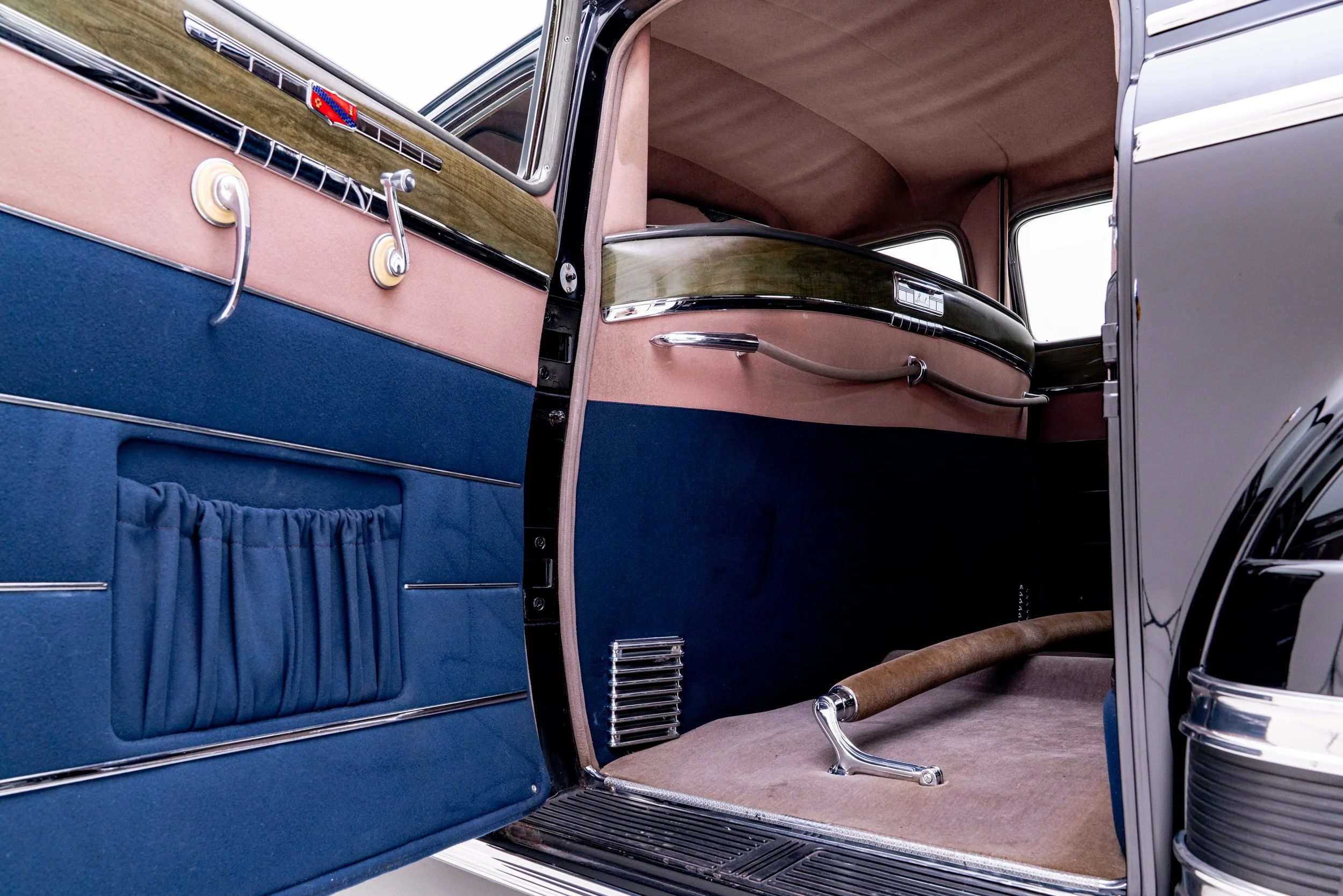 Image 14 of 19
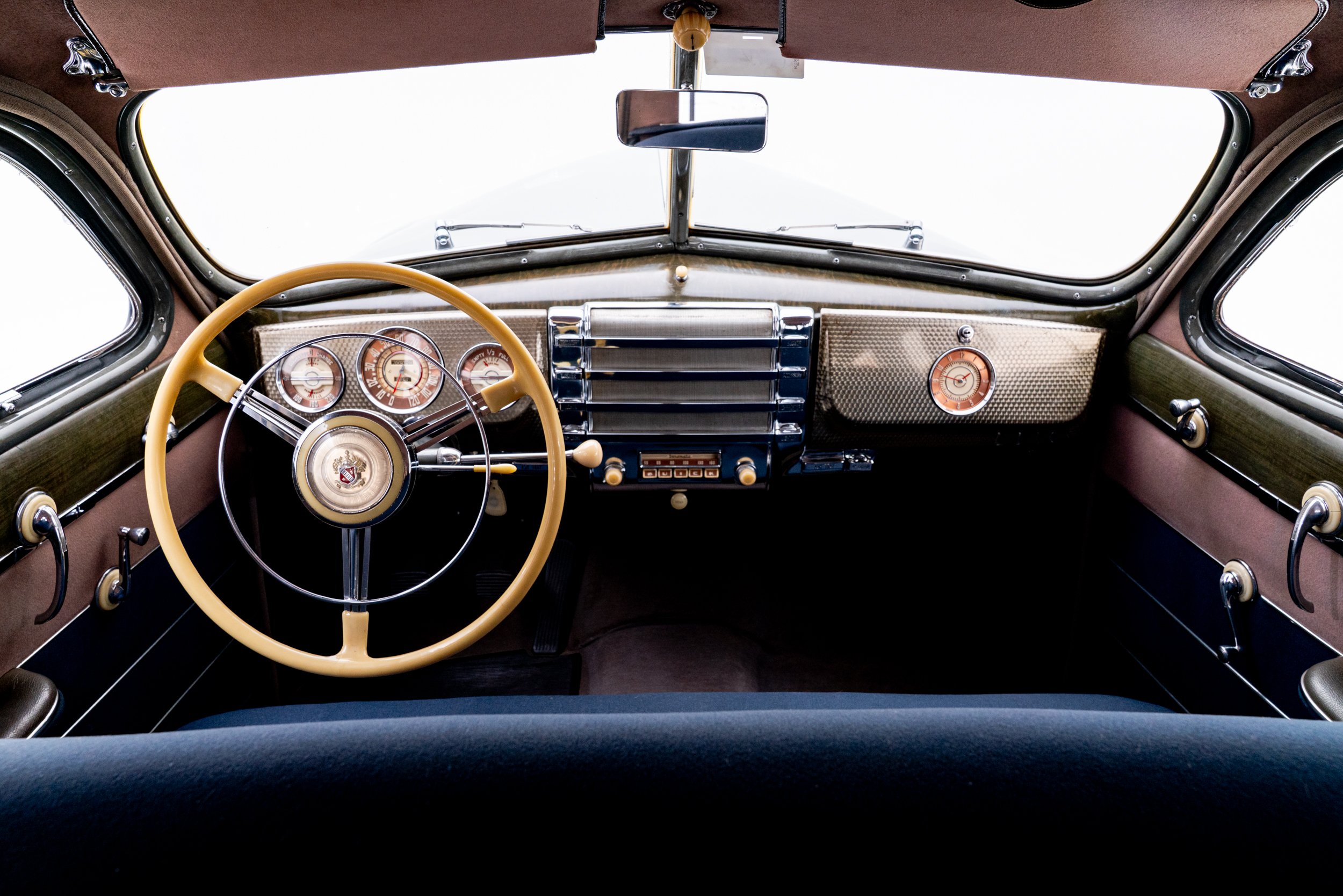 Image 15 of 19
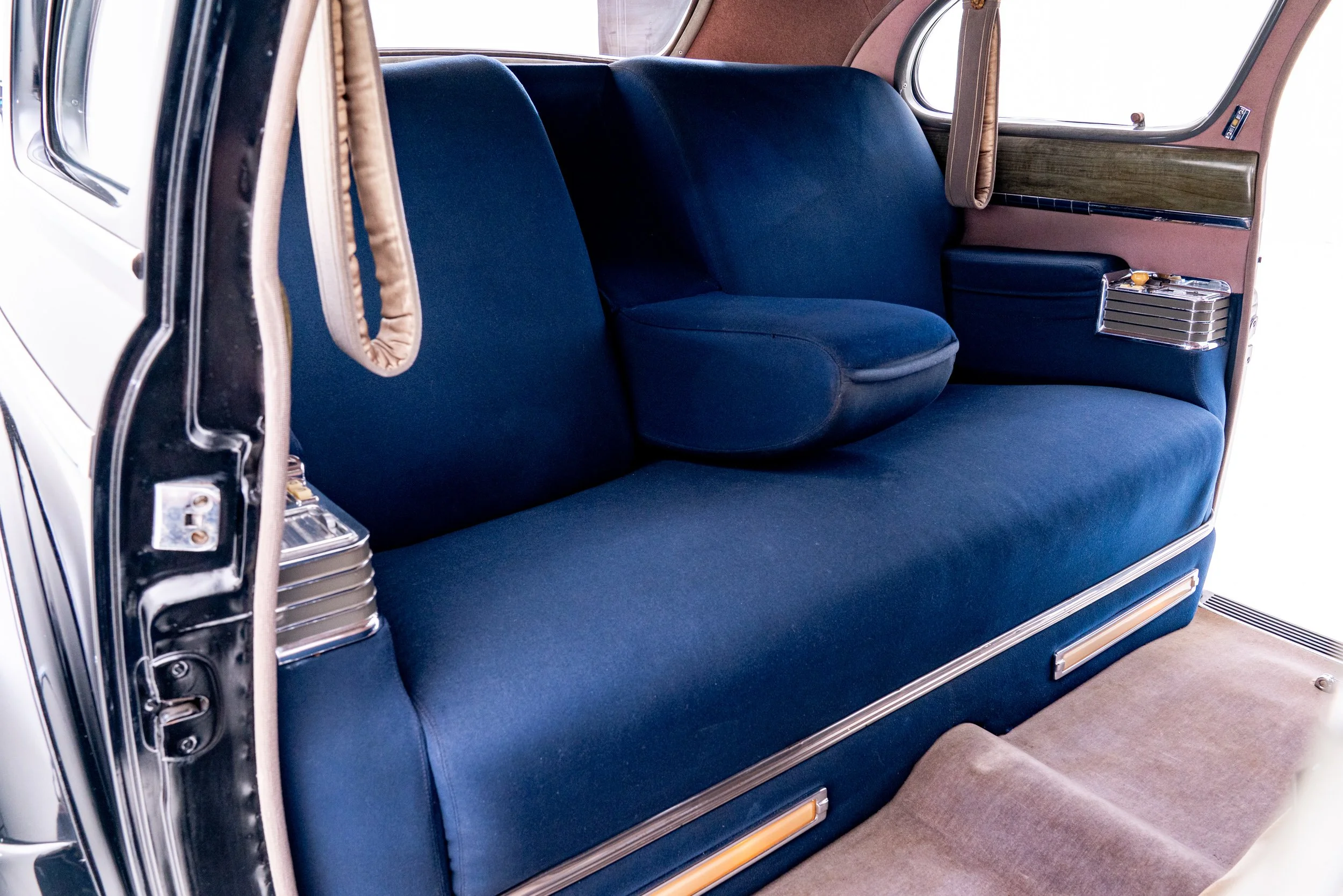 Image 16 of 19
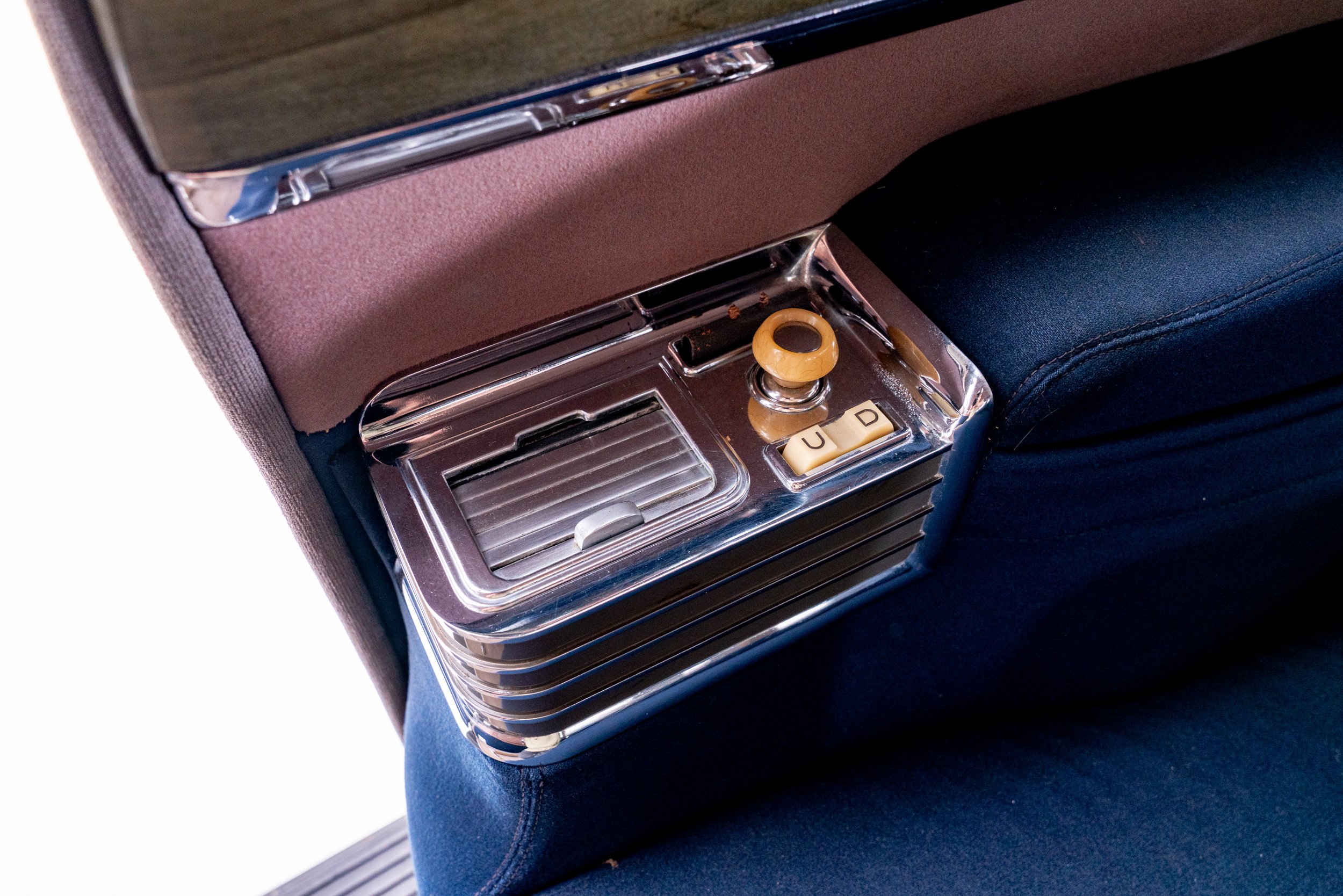 Image 17 of 19
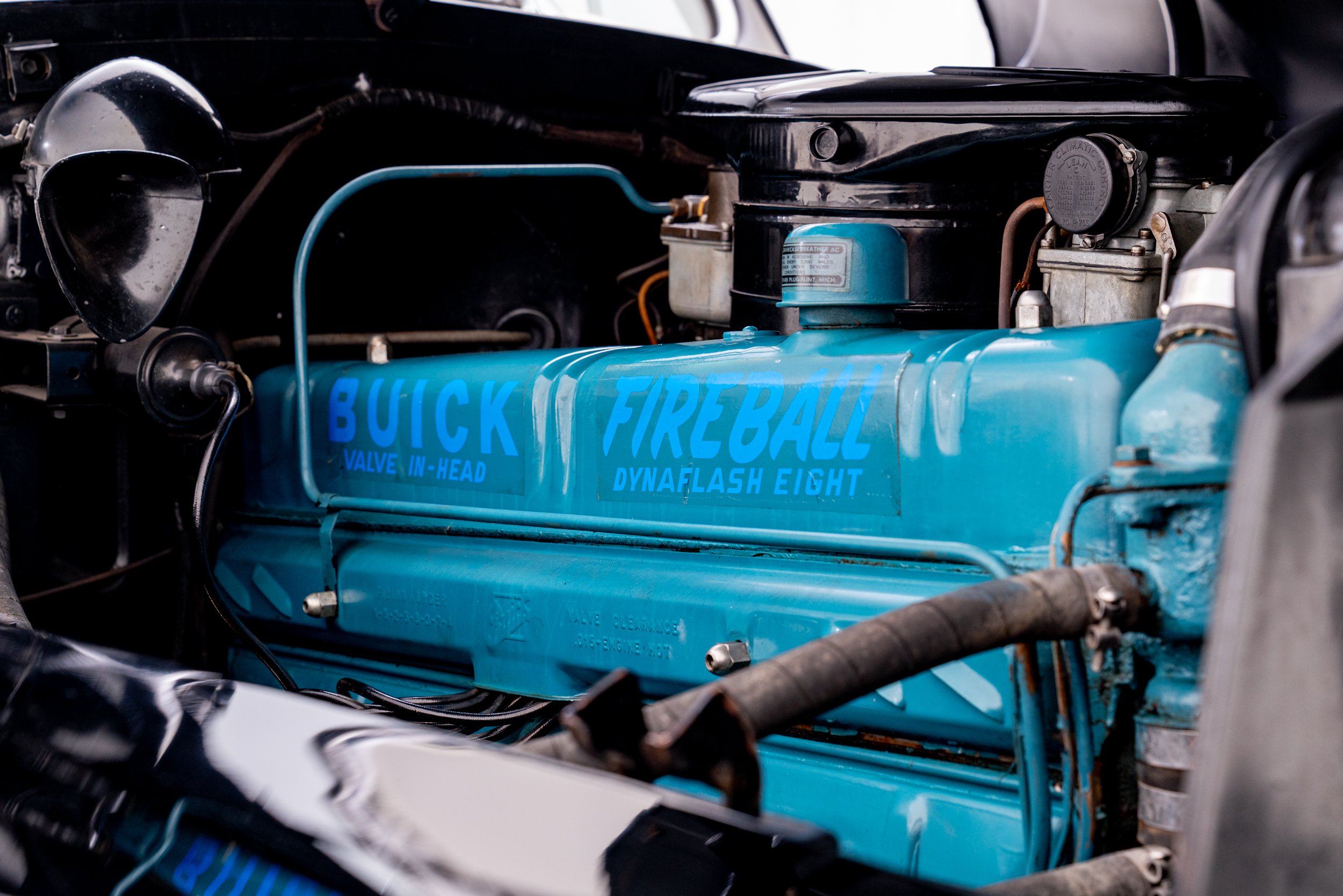 Image 18 of 19
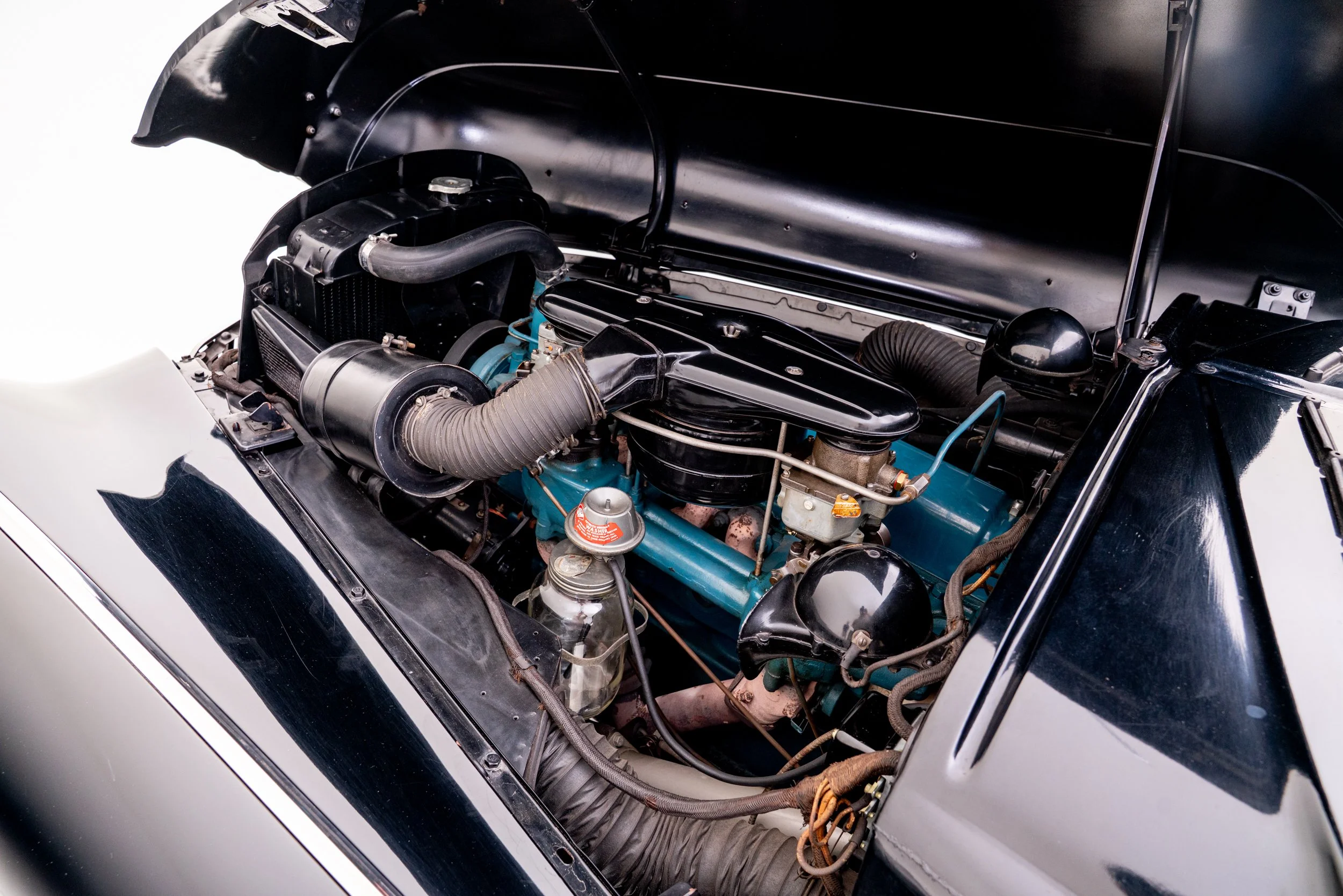 Image 19 of 19
-
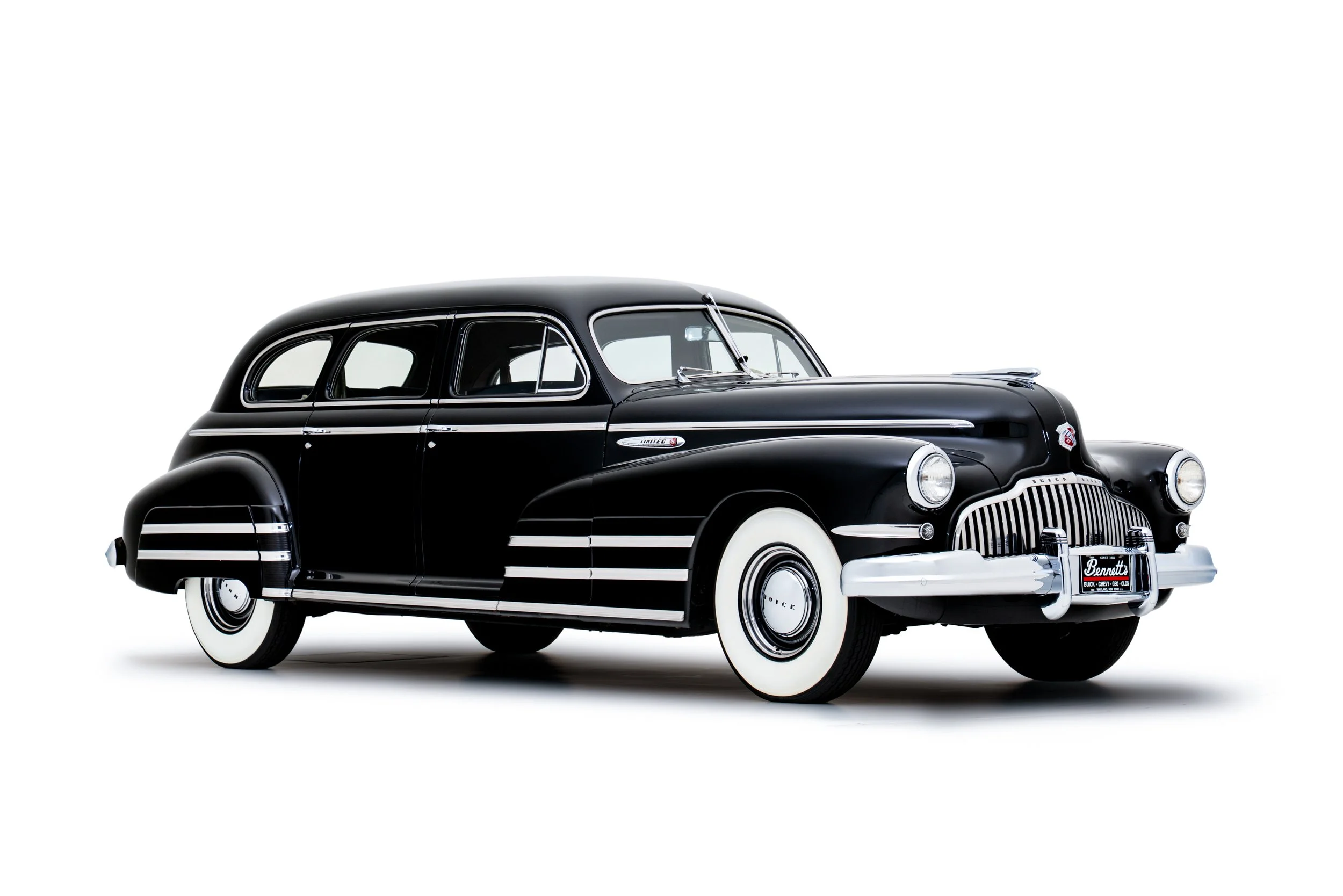
1942 would be the last model year for Buick to offer a limousine or formal sedan, both equipped with a division window.
Alfred Sloan was president and CEO of General Motors from 1923 to 1956. It was under Sloan that GM became the dominant automobile company in the United States. A big part of Sloan's success was the result of his market segmentation strategy. Sloan realized in the early days that as the automobile industry matured, customers would fragment based on diverse needs and desires. His philosophy could best be understood by his own descriptive phrase, “a car for every purse and purpose.”
It was this segmentation strategy that positioned every GM brand in the market. Chevrolet was entry level and high volume, Oldsmobile and Pontiac occupied the next tiers covering the lower and middle market. Then came Buick at the upper middle market. Finally, Cadillac covered the lower high-end market all the way to the most expensive of luxury offerings. Other GM brands filled in gaps over the years but by 1942, these were the main operating units.
There was a long simmering feud between Cadillac and Buick over encroaching on each other's markets. This dated back to the mid-to-late 1930’s when Cadillac was still producing the LaSalle. LaSalle was priced and marketed to the same customers as Buicks. This overlap along with falling demand for LaSalle led to the demise of the brand after the 1940 model year.
Buick was not innocent in this disagreement. Buick offered cars competitive with Oldsmobile or Pontiac but also offered cars that competed with Cadillac at the top of the market. The big offender was the top of the line 90/91 series Limited. This was clearly Cadillac’s market and the Buick was sold at a steep discount to the similar Cadillac. General Motors brass finally interceded into the feud. The volumes of LaSalle didn’t justify its continuation given the competition with Buick, while on the other end, the Limited also didn’t justify continuation given the encroachment on Cadillac. Buick exited the formal car business after the 1942 model year. -
Company
General Motors
Make
Buick
Model
Limited, 91F
Body Style
Formal Sedan, 4-door, 6-pass.
Body Manufacture
Fisher Body
Model year
1942
Wheelbase
139 inches
Length
228.68 inches
Engine
inline-8, OHV, 320.2 cid
Horsepower
165 @ 3800 rpm
Transmission
3-speed manual, shift on the column
Original Base Price
$2,395
Brand Production
94,442 model year
This Car Production
85 -
The 90/91 series was Buick’s top of the line. This meant low volumes of these cars were made when compared to the remainder of the offerings. When you take into account that the 1942 model year was severely shortened by the termination of civilian car manufacturing in favor of manufacturing war materials, the numbers of Buick Limiteds gets even smaller.
The four body styles of 90 series Limiteds in price order, lowest to highest, were the Touring sedan 6-passenger, with 215 produced, the Touring Sedan 8-passenger, of which 144 were produced, the Formal Sedan 6-passenger, with only 85 produced, and finally the Limousine with 192 rolling out the factory.
To find a totally untouched original example of such a rare car is practically unheard of. Yet, the NB Center car is such a rarity. Purchased from the Bennett family in Ryland, New York, the car is a time capsule of 1942. The Bennett’s were Buick dealers for 99 years and collectors of the marque for many decades. They always kept on the lookout for special cars. After their dealership finally closed, they began to sell-off cars in their collection. After many years of conversation, this car passed to the NB Center in 2024.