
 Image 1 of 13
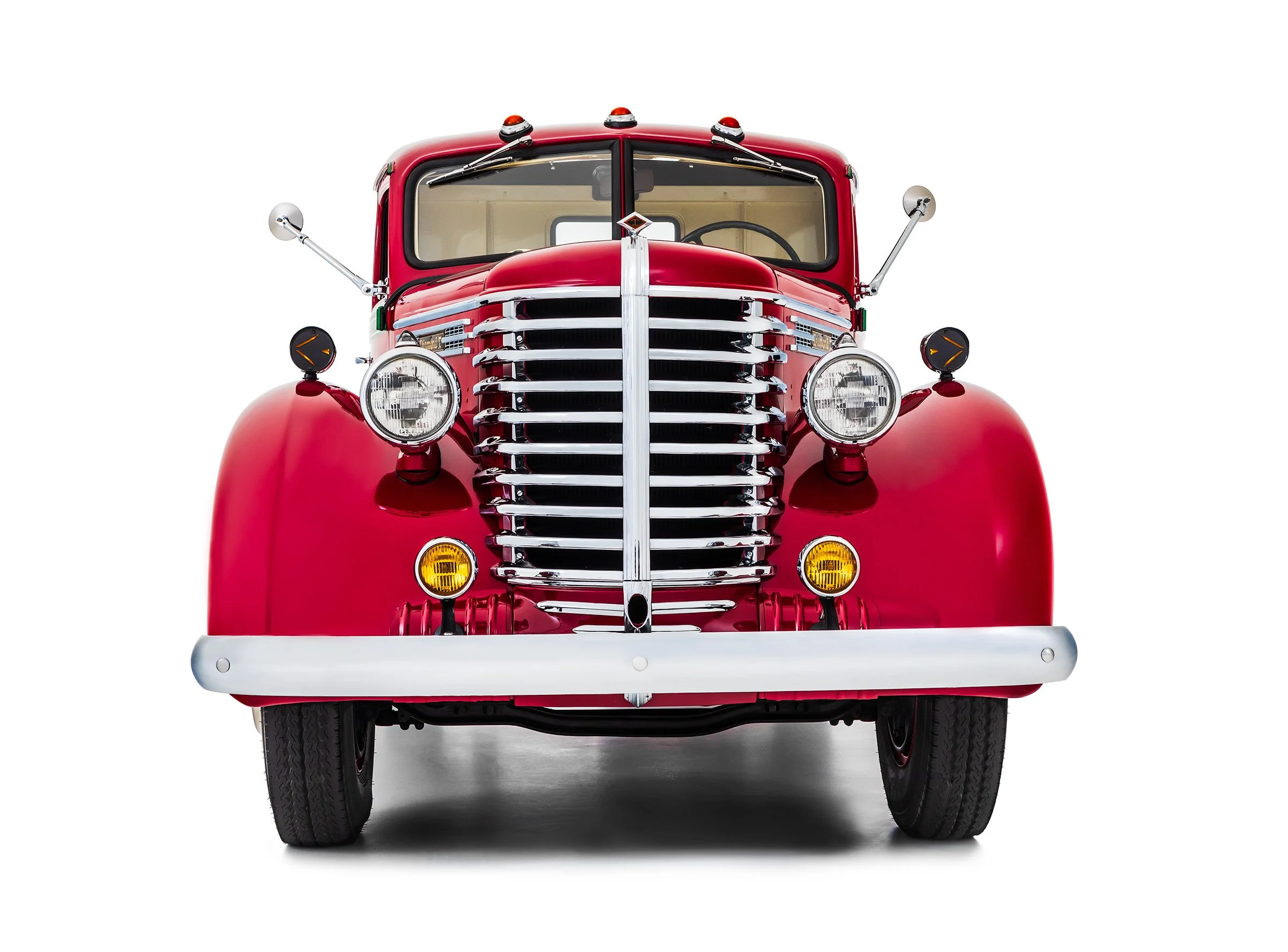 Image 2 of 13
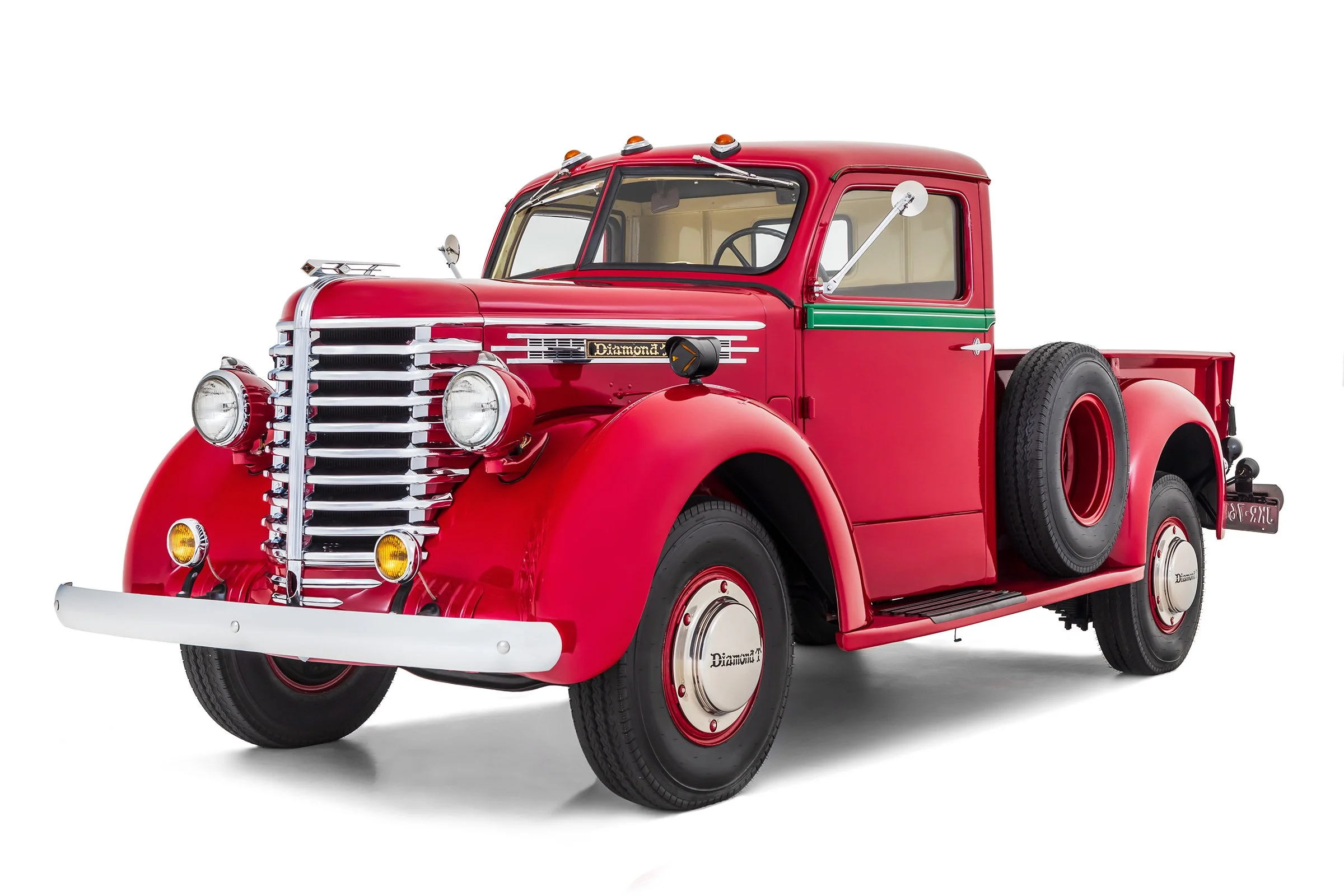 Image 3 of 13
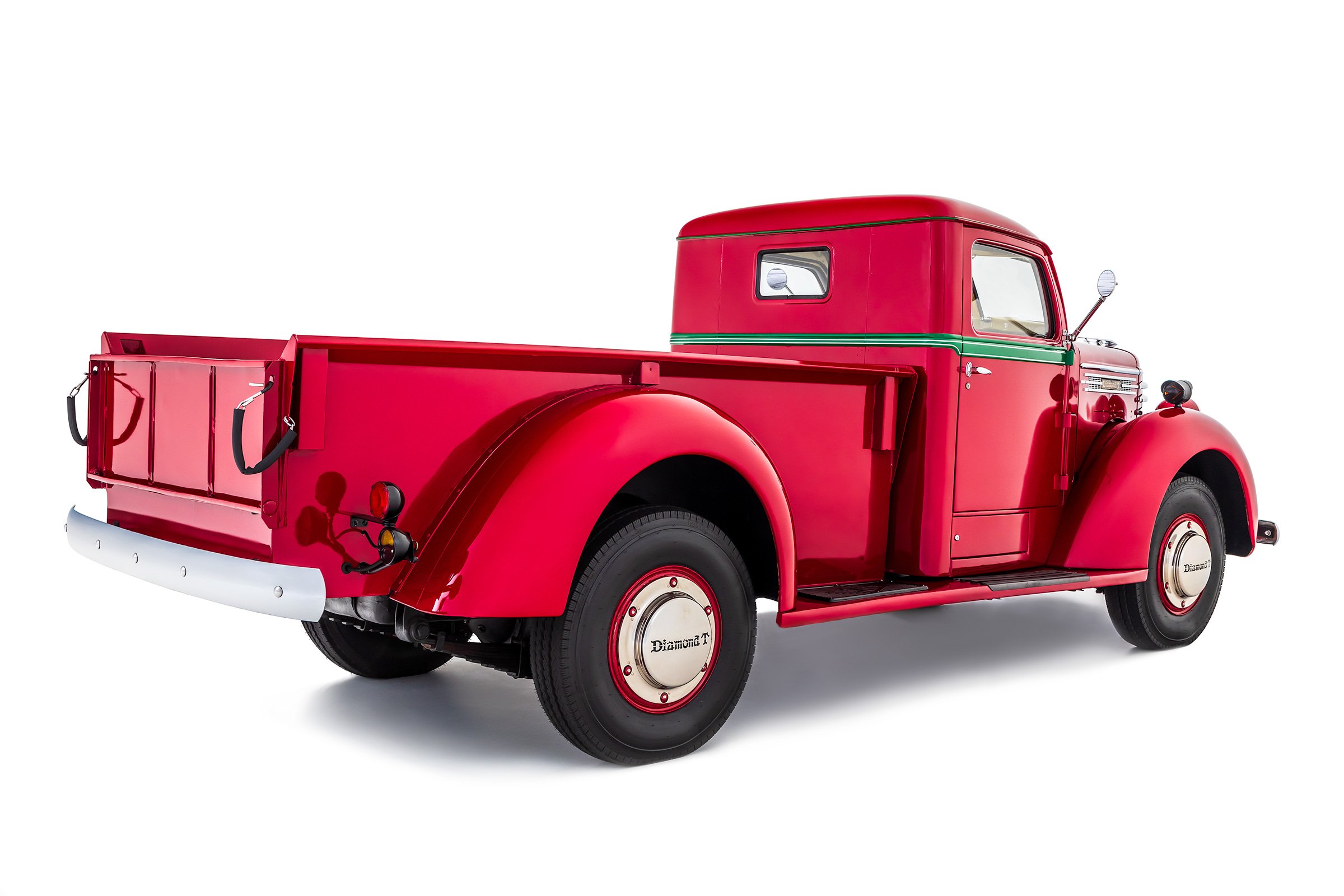 Image 4 of 13
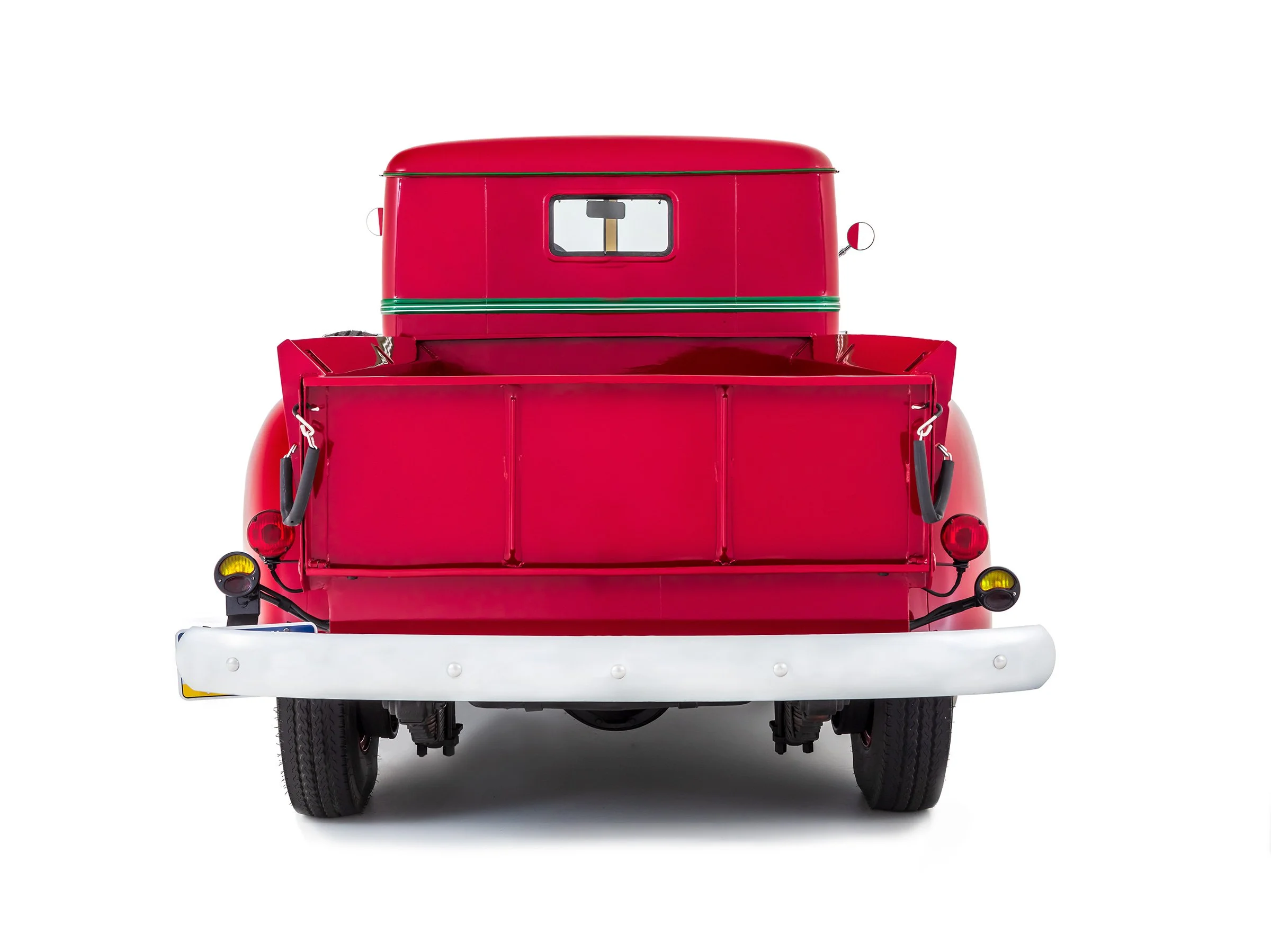 Image 5 of 13
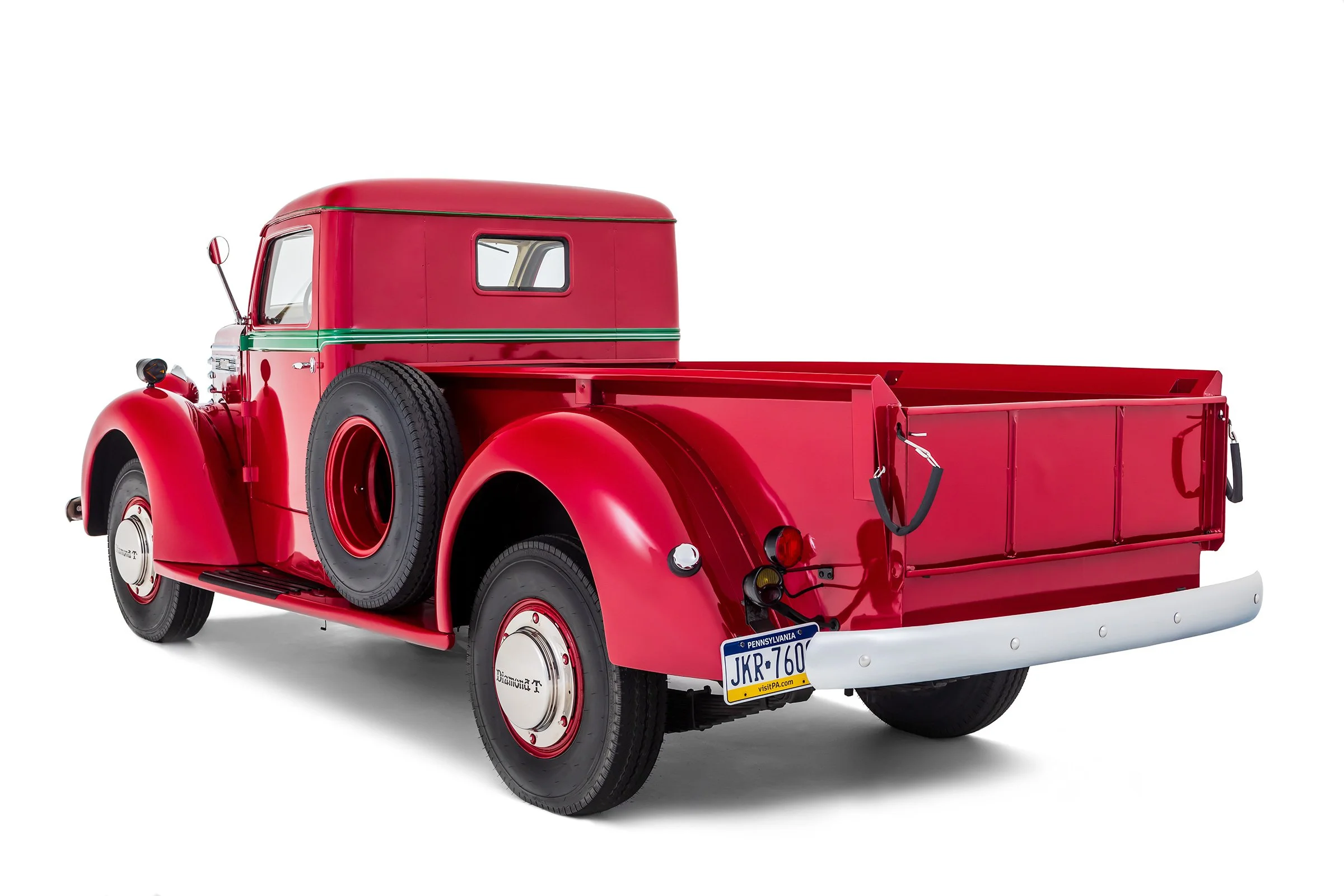 Image 6 of 13
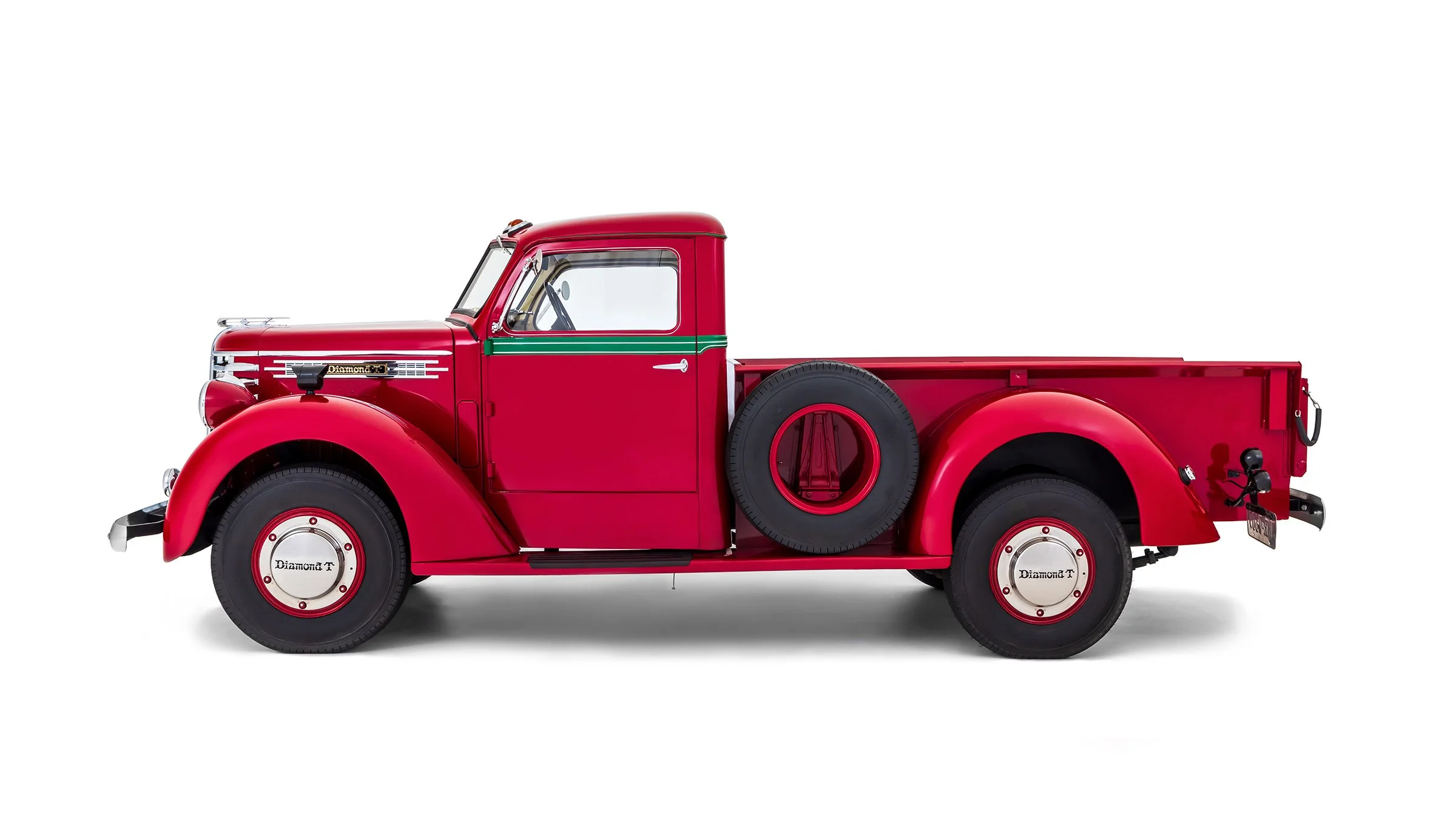 Image 7 of 13
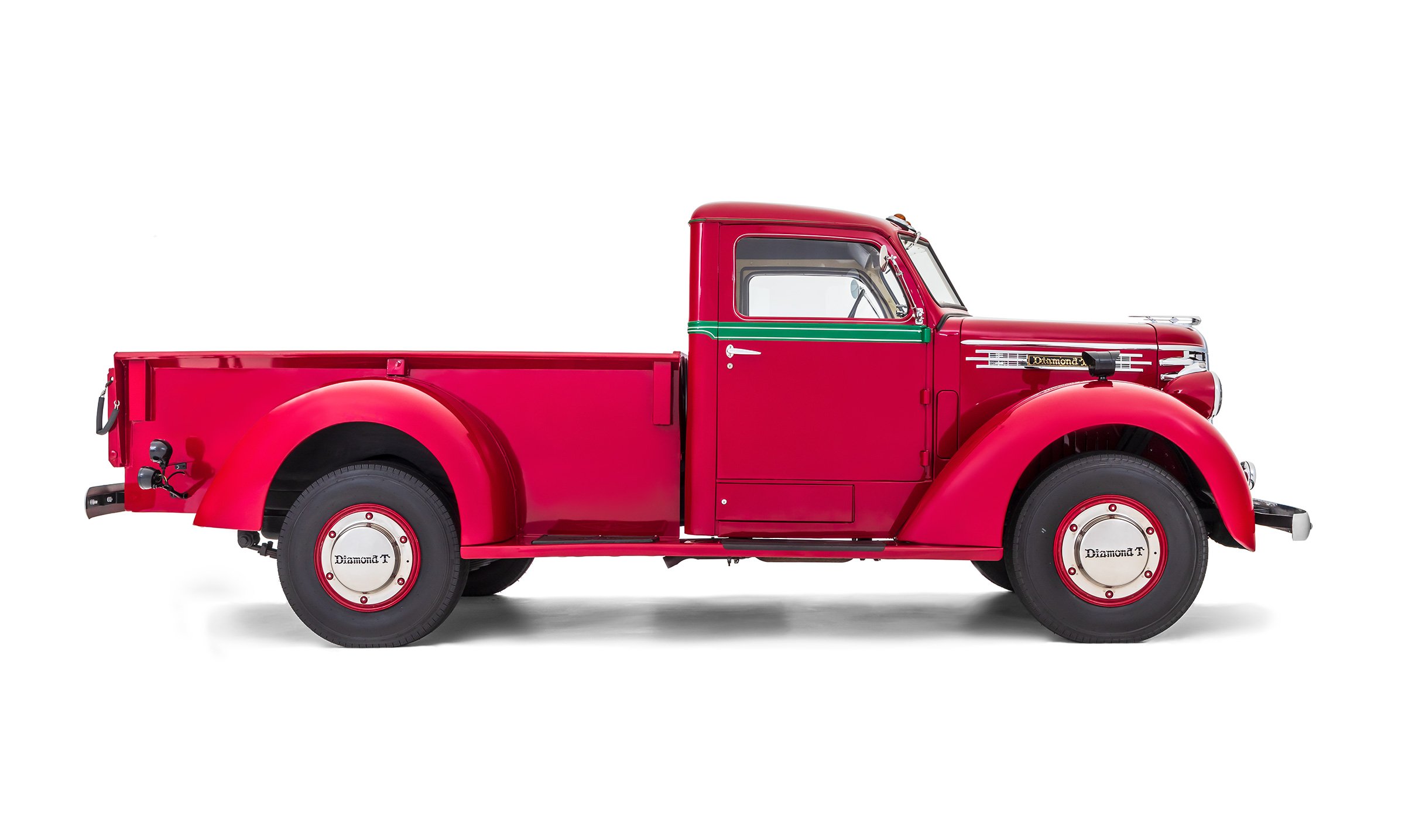 Image 8 of 13
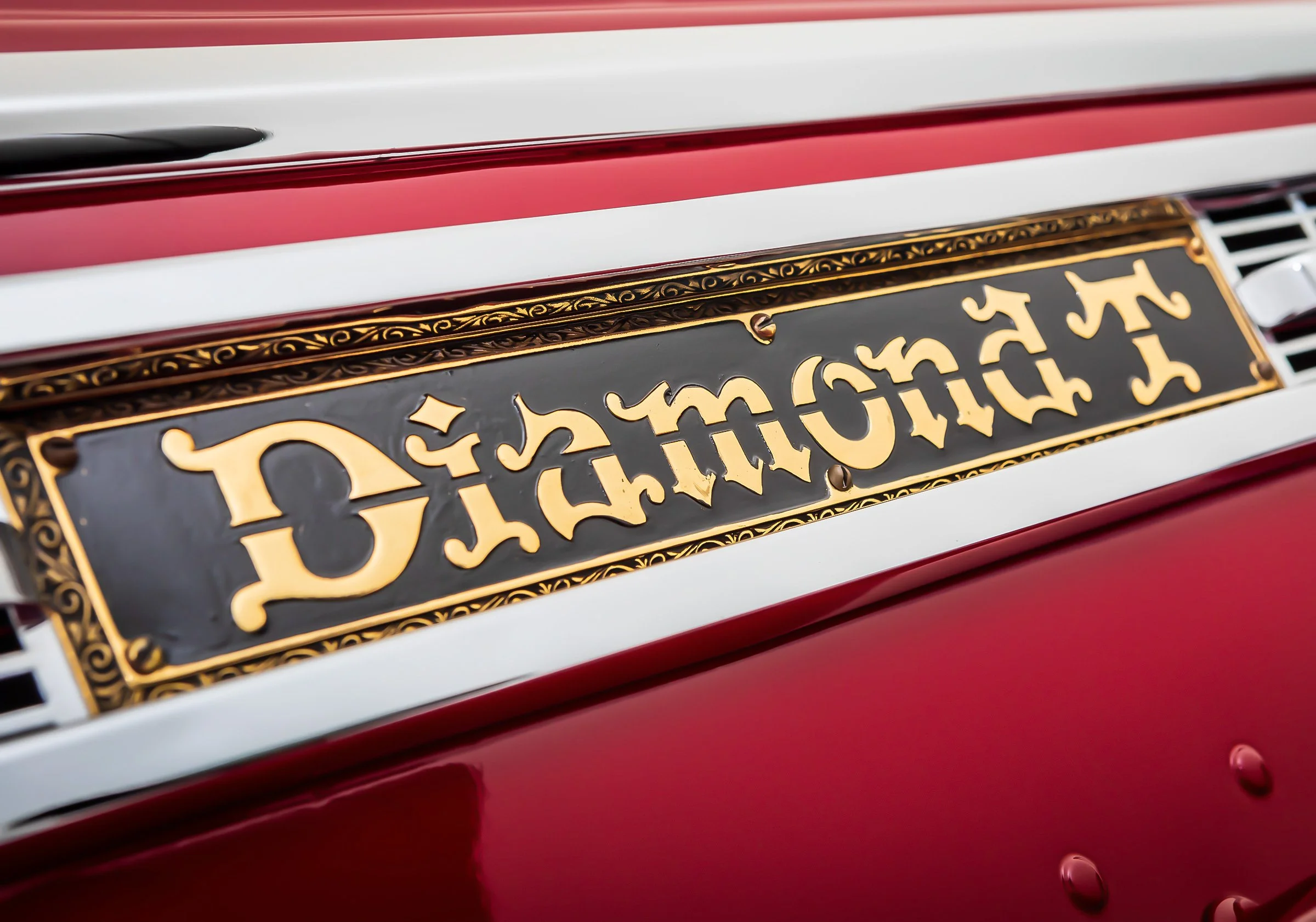 Image 9 of 13
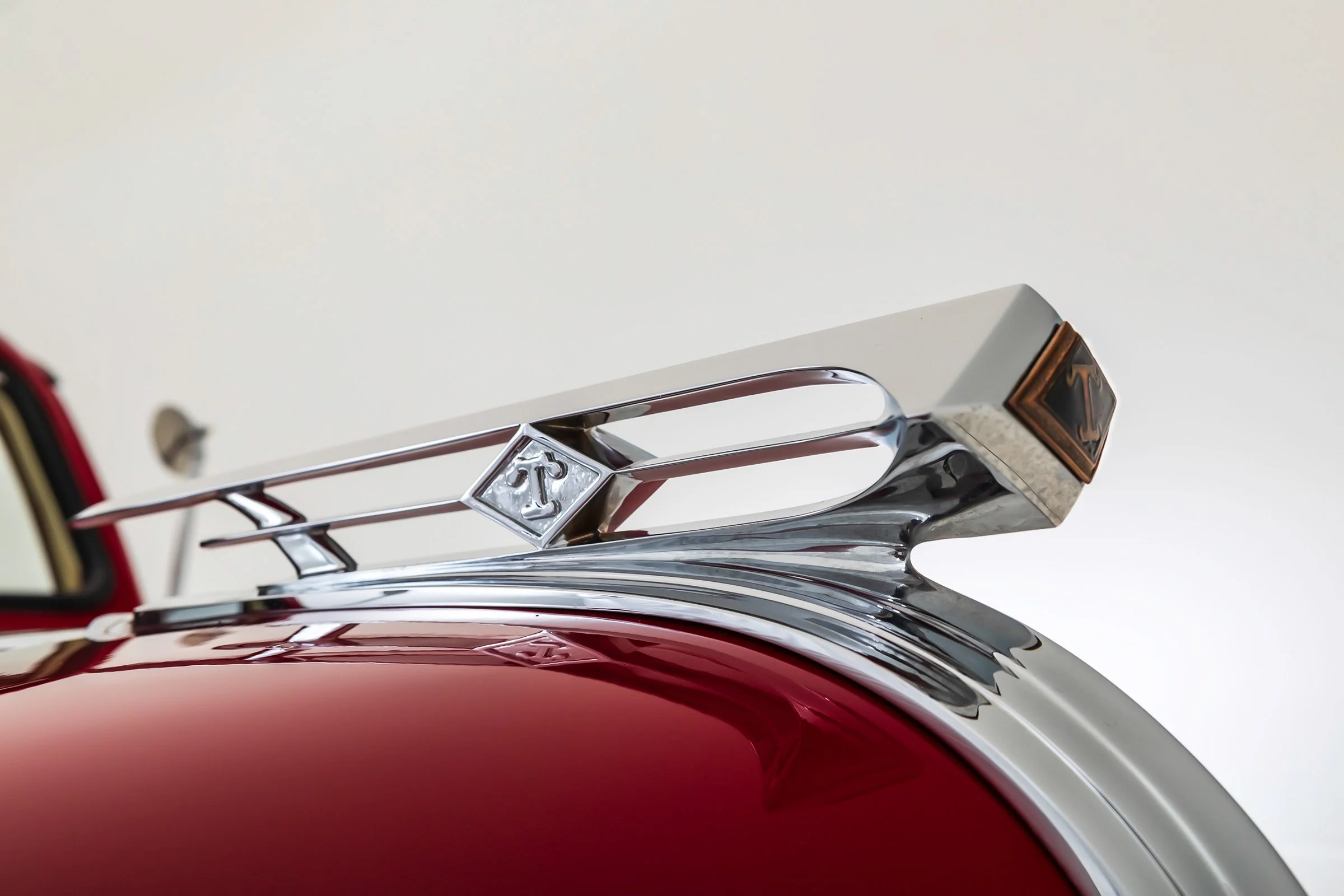 Image 10 of 13
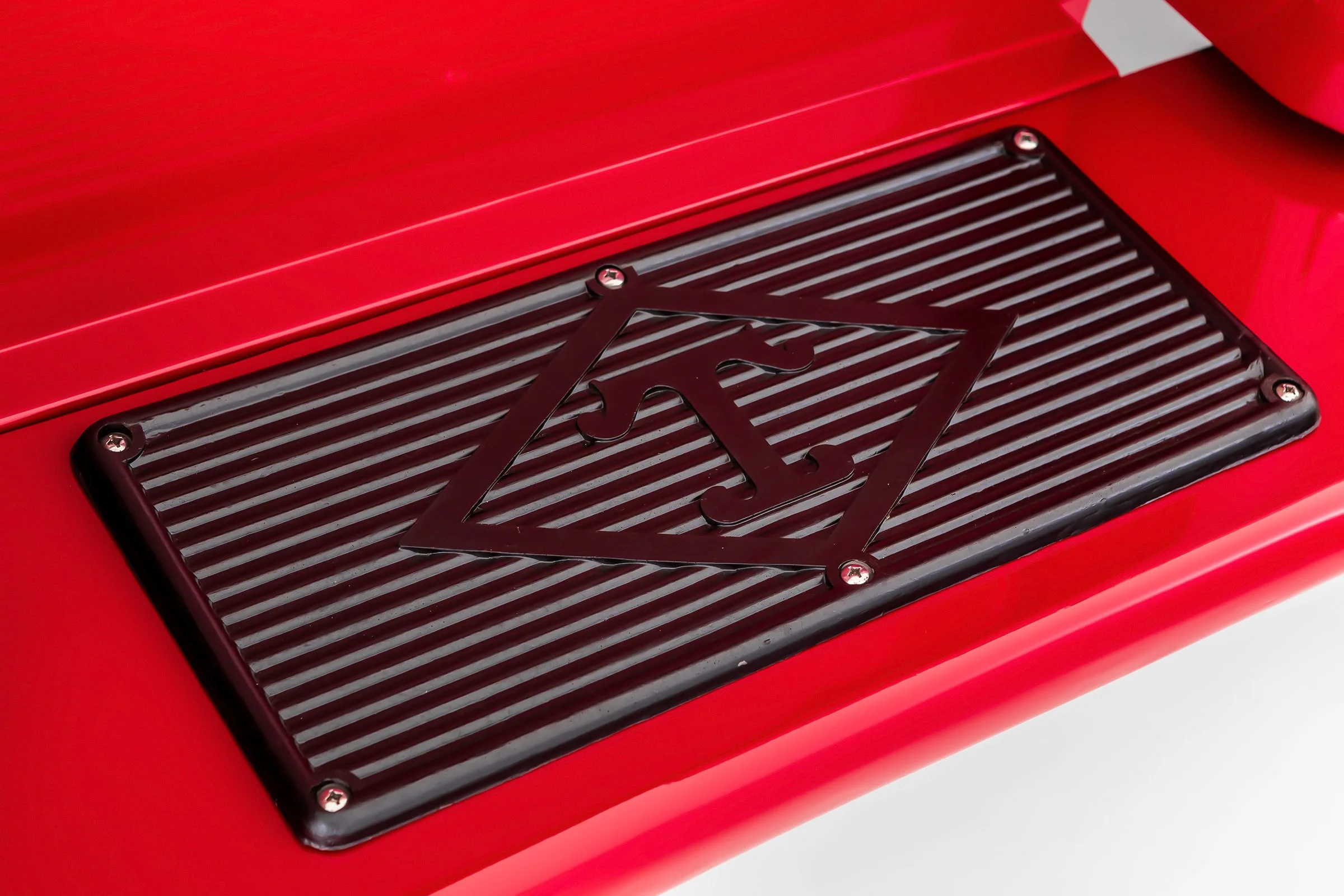 Image 11 of 13
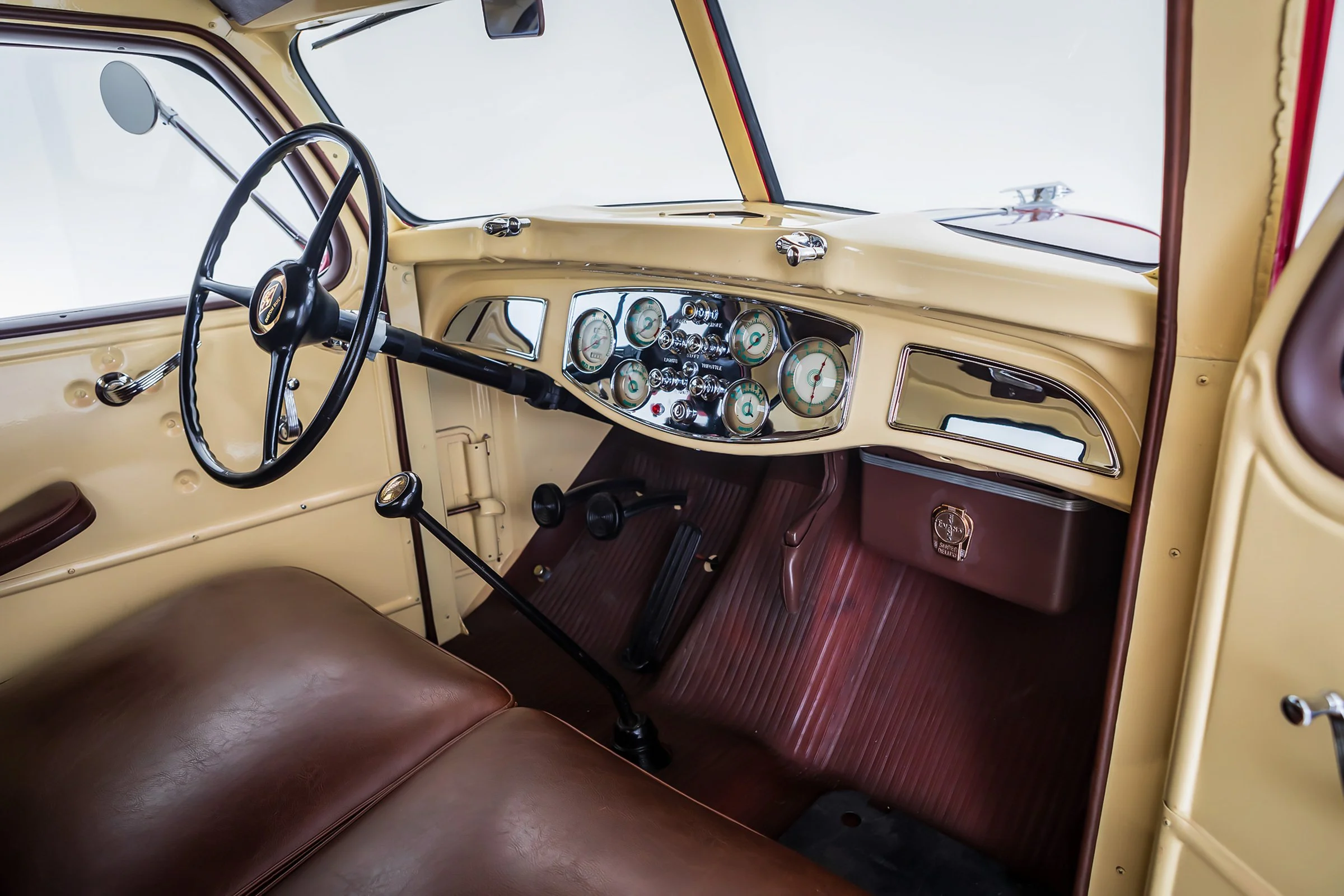 Image 12 of 13
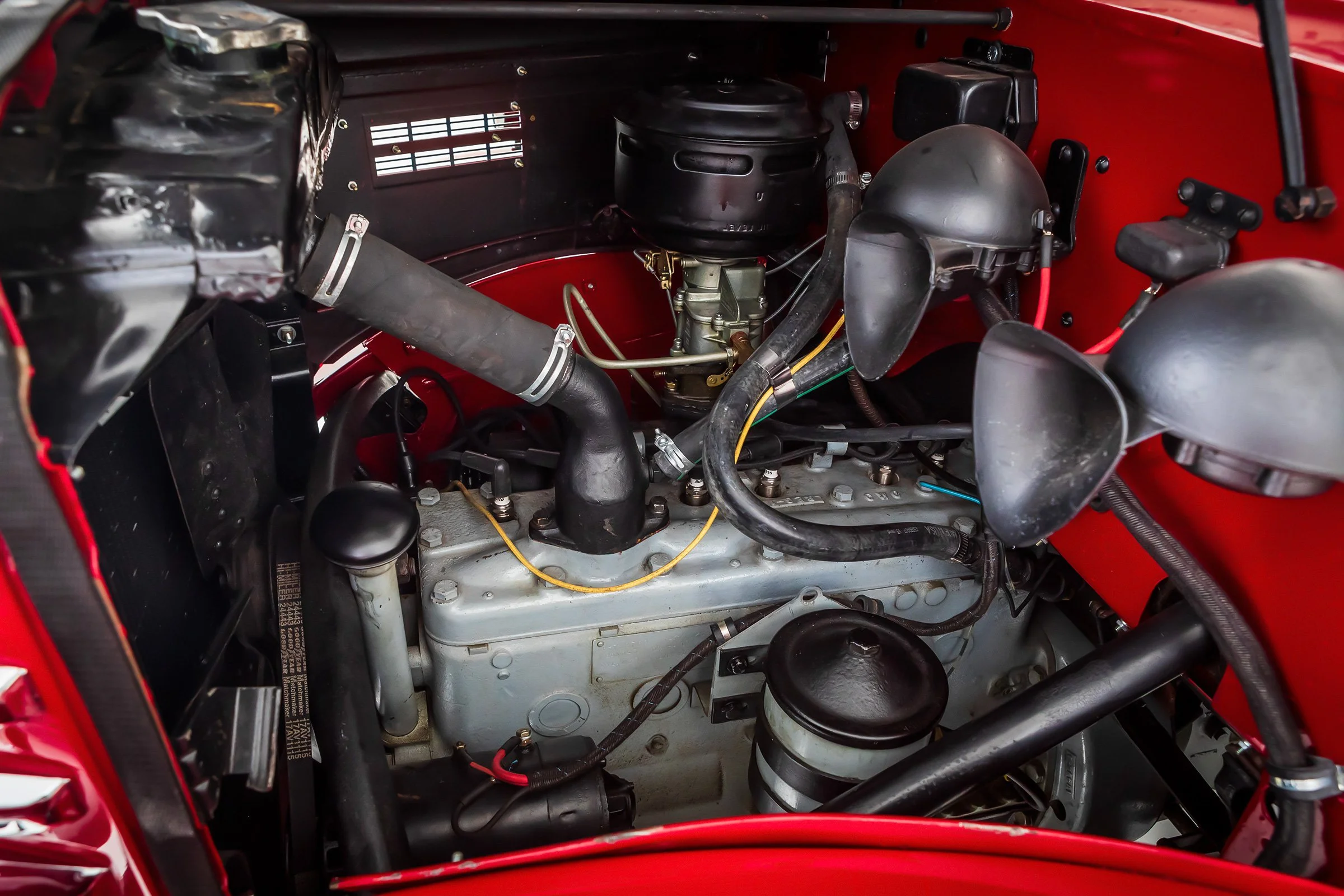 Image 13 of 13
-
The Diamond T motorcar company was established in Chicago in 1905. While the company got its start in the automobile industry, a customer request for a truck in 1911 convinced company founder C.A.Tilt that trucks were a market where he could make some money. The company was known for high quality products and they brought the same high quality of design and manufacturing to the truck business.
By the mid-1920s the company specialized in commercial straight body trucks, think moving or delivery trucks. Unlike many of its automotive brethren, Diamond T didn't do too badly during the Great Depression. Industry still needed to buy trucks. The company continued to innovate and expand their product offerings through the ‘30s and made a transition to manufacturing trucks for the war effort by the 1940s.
Diamond T produced some of the War’s most iconic and powerful trucks. From tank haulers to massive tow trucks capable of tank rescue to half-tracks, to the ubiquitous 6 x 6 trucks used to tow weapons and transport troops, Diamond T trucks played an integral role in the war effort. When the war was winding down, they began the switch to commercial manufacturing nearly two years before the auto industry.
In the post war era, Diamond T produced a full line of trucks from a one-ton pickup to 36,000 pound gross vehicle weight trucks and tractors for pulling trailers. Engines were supplied by Continental, Cummins, and Hercules in both gasoline and diesel. But, by the mid-1950s truck companies were specializing. There was no longer a need for a company to supply such a broad array of products. The automobile industry now dominated in the light truck market and small commercial market. Companies such as Mack and International were dominating the heavy truck market. Diamond T was purchased by the White Motor Company in 1958 and merged with the REO brand to form Diamond Reo. This gave the company more market reach and increased capacity. The name plate disappeared after the 1966 model year. -
Company
Diamond T Motorcar Company
Make
Diamond T
Model
Model 201
Body Style
Pickup, 2-dr., 2-pass.
Body Manufacture
NA
Model year
1948
Wheelbase
NA
Length
NA
Engine
Inline six, L-head, 205 cid
Horsepower
73 horsepower
Transmission
3-speed manual / or 4-speed manual with granny-low
Original Base Price
$1,275 for chassis + $215 for a cab
Brand Production
NA
This Car Production
NA -
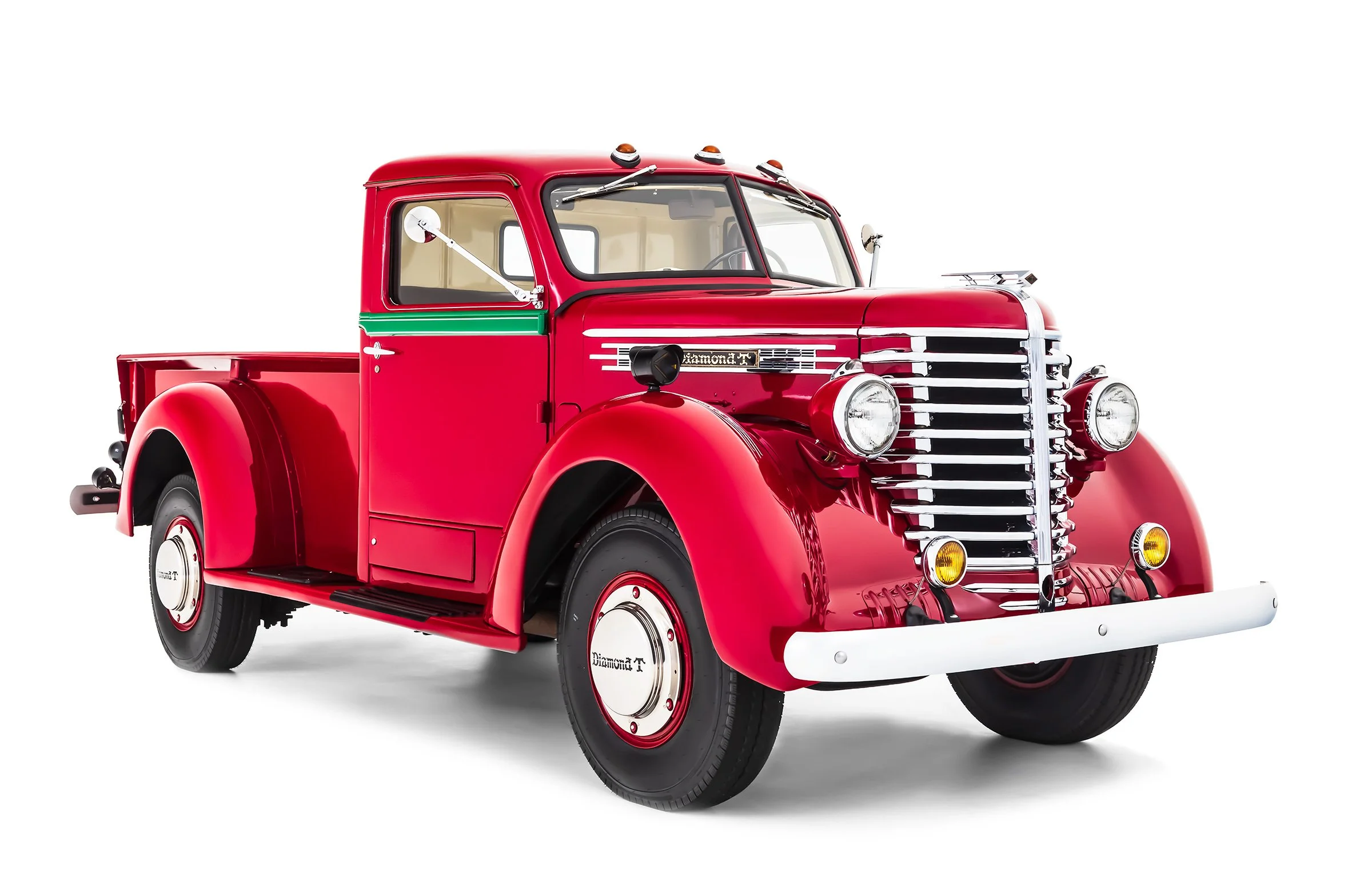
Diamond T entered the 3/4-ton truck market and the pickup truck market in 1936 with the model 80. The brand quickly gained a reputation for building well styled and rugged “light” trucks. The 80 was replaced by the model 201 in 1938 and this is where the company made its real reputation. The model 201 was a stout 1-ton capable vehicle with a flair for design and attention to detail in a luxurious package. Styled to look more car-like and priced as much as $500 more than the competing products on the market, it was aimed at an affluent buyer who needed both utility and refinement, positioning the Diamond T as the prestige vehicle in the market segment. One observer called the Diamond T, the Buick of the truck business.
The basic design of the model 201 would remain unchanged from 1938 through the end of the model in 1949. Over the complete run, nearly 7,000 of these high end trucks would be built.
This truck was purchased at auction with an older, well executed restoration.