
 Image 1 of 19
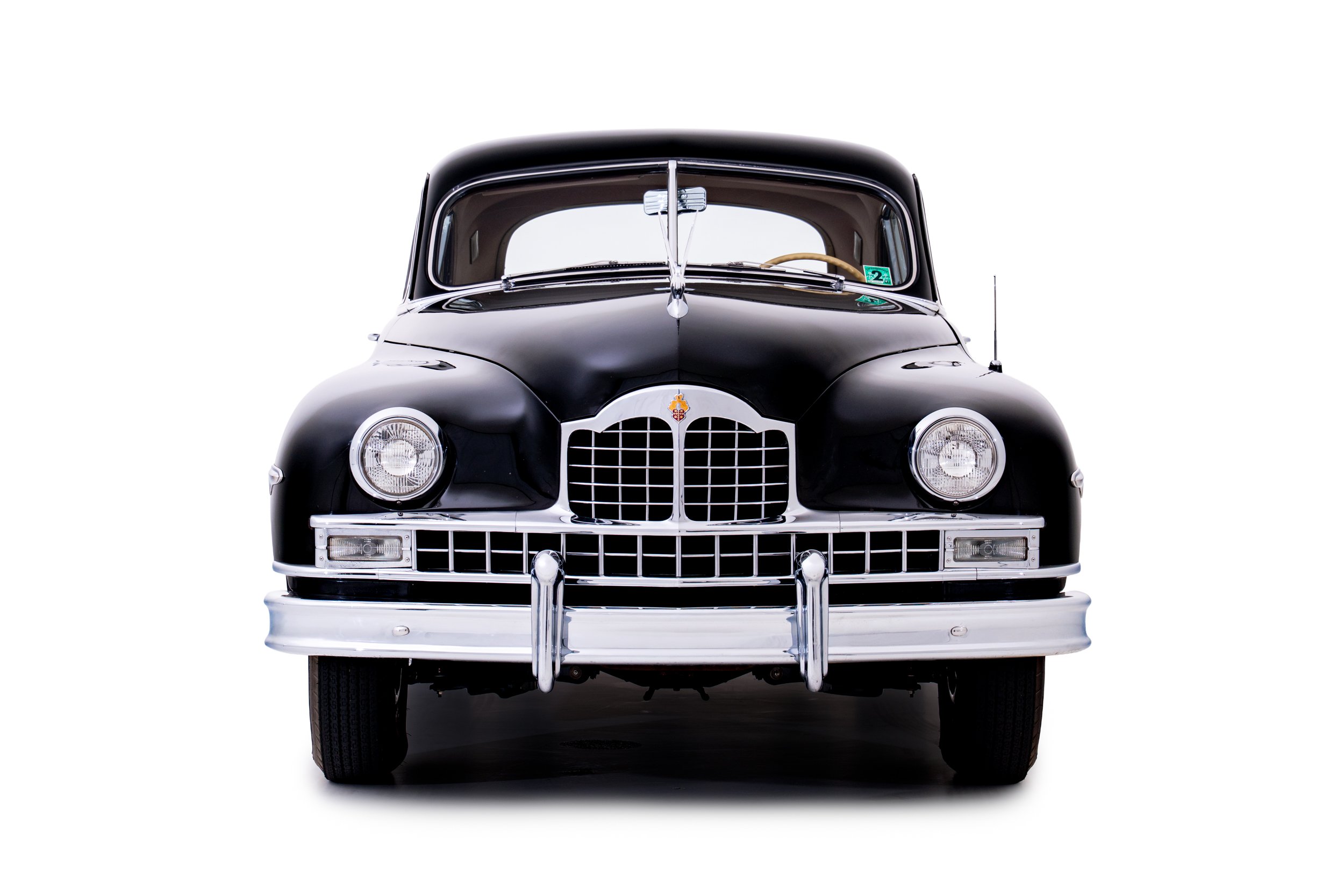 Image 2 of 19
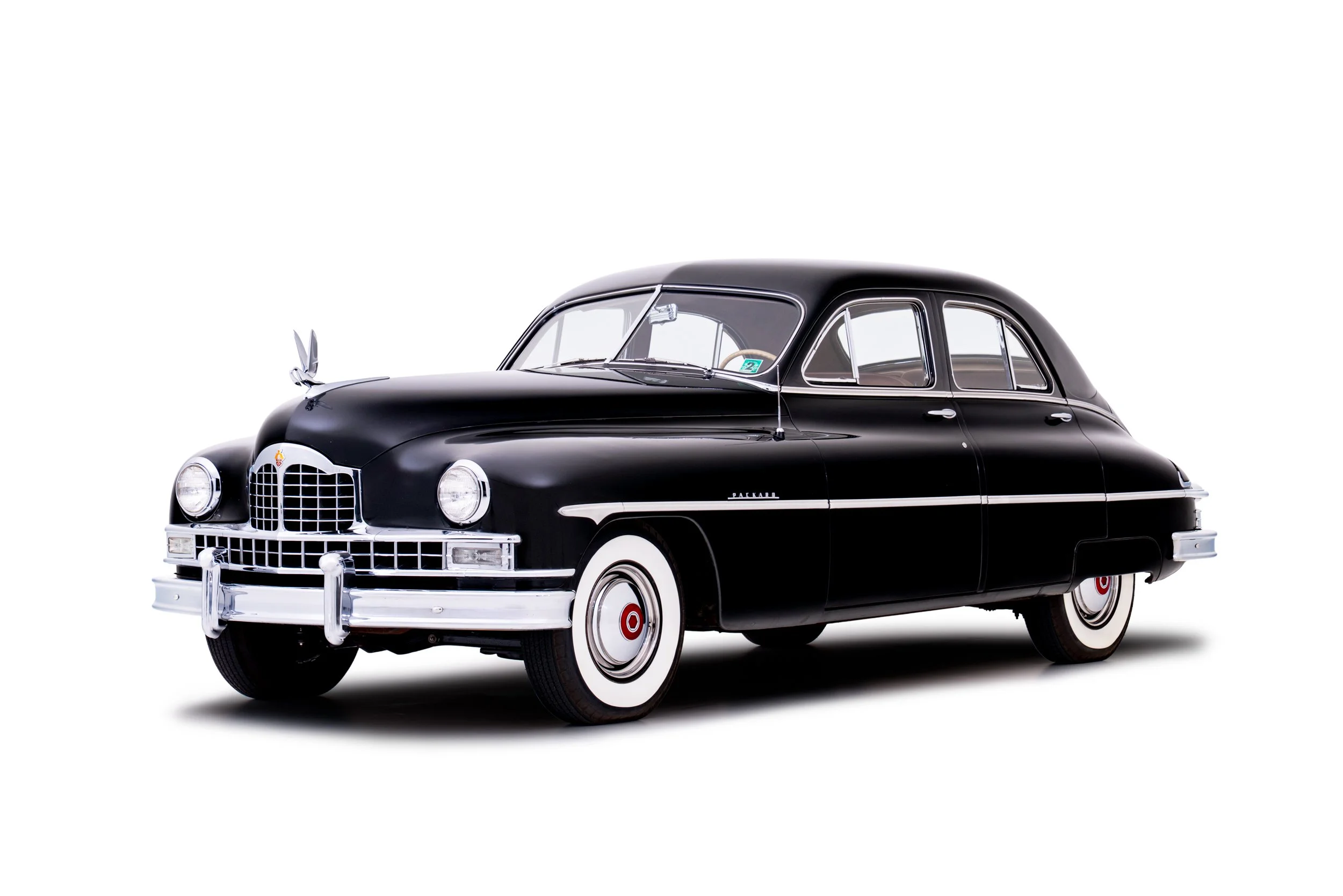 Image 3 of 19
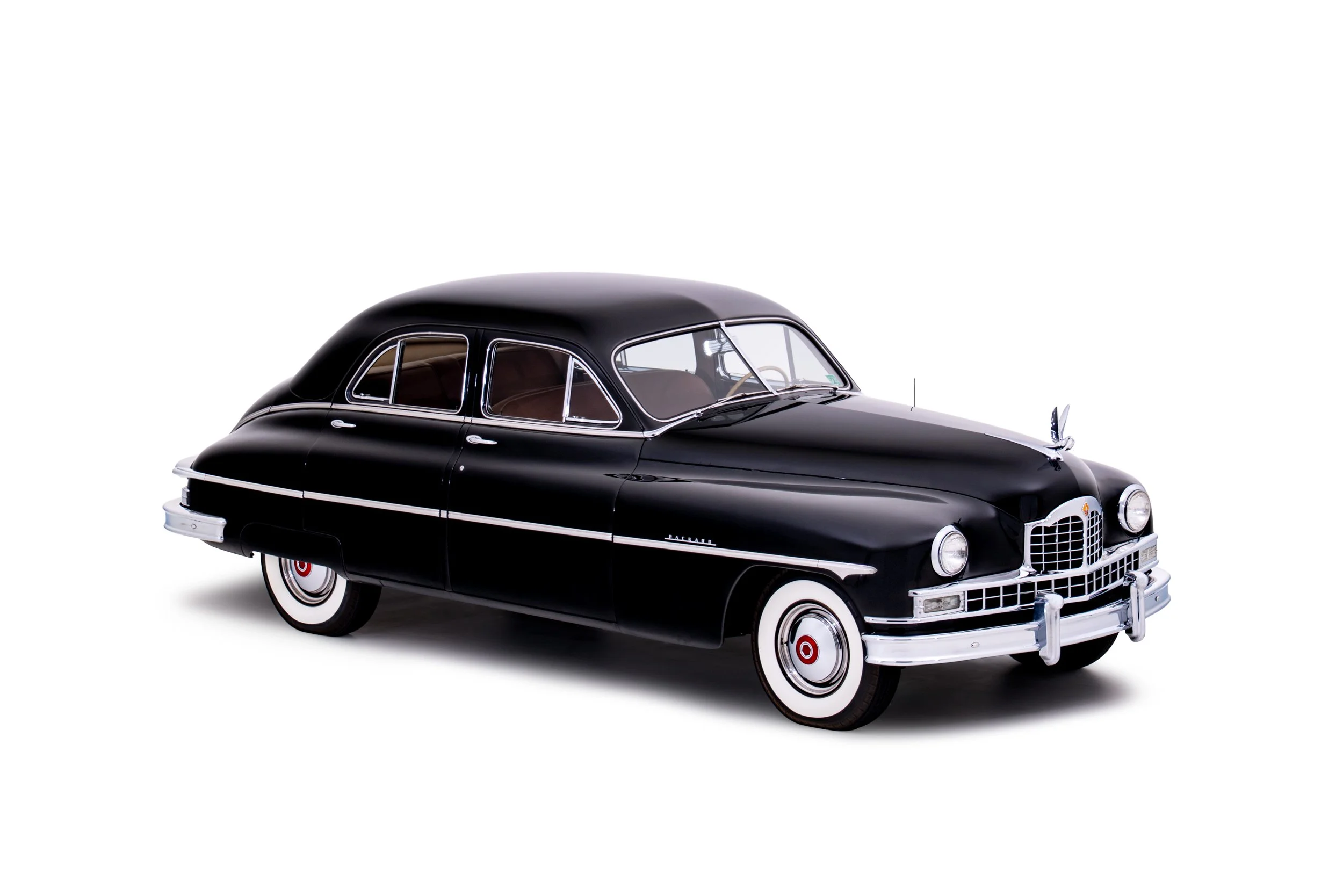 Image 4 of 19
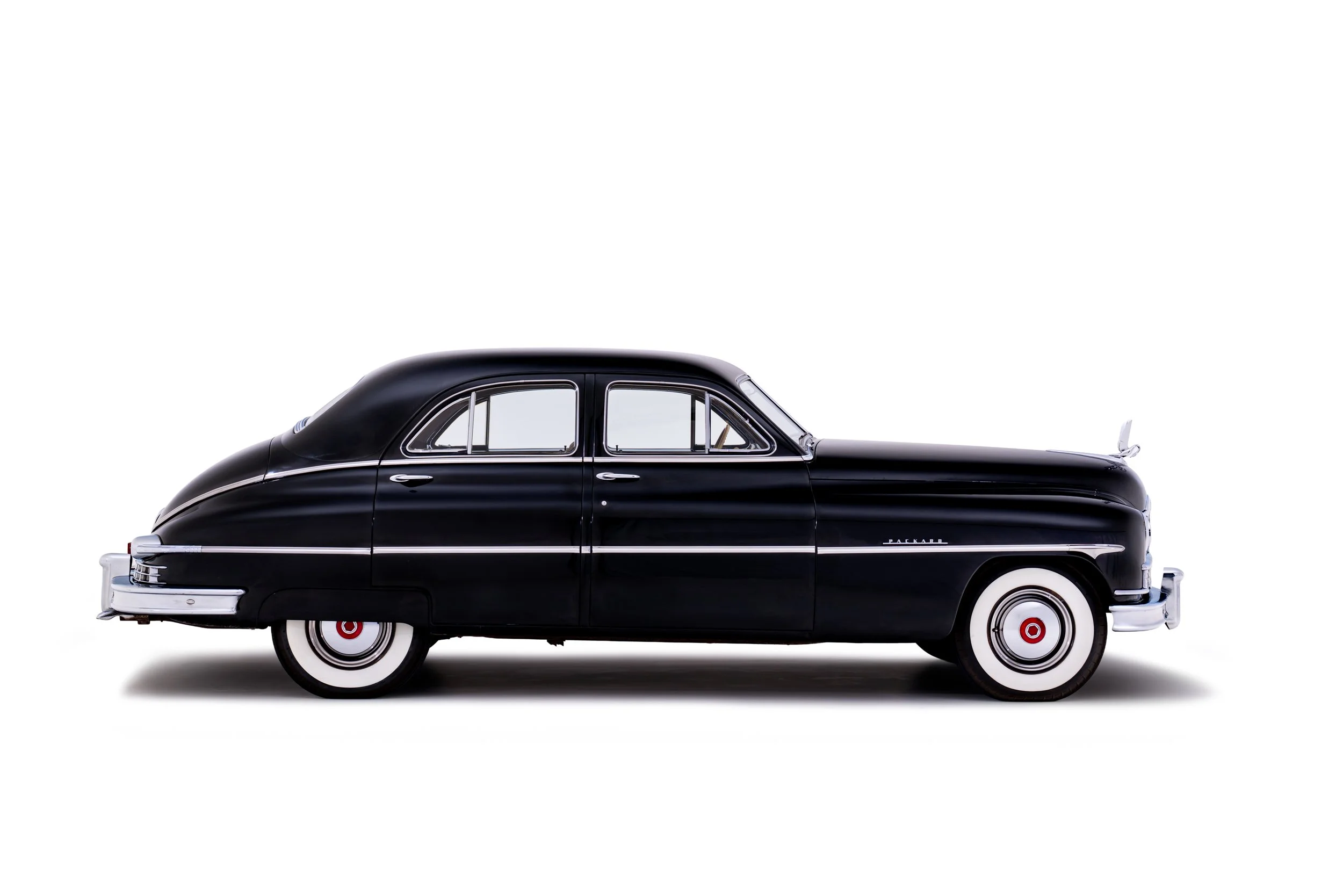 Image 5 of 19
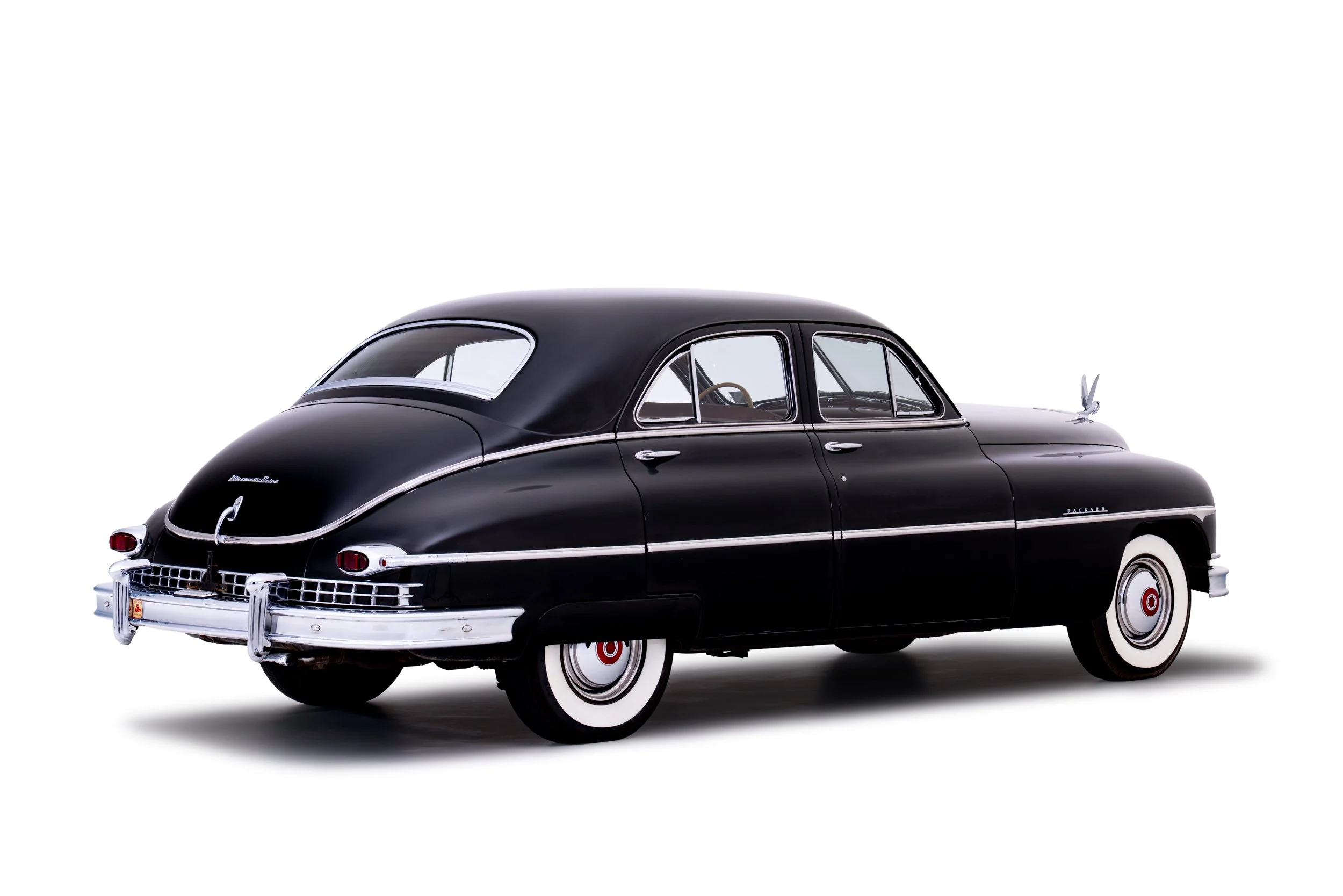 Image 6 of 19
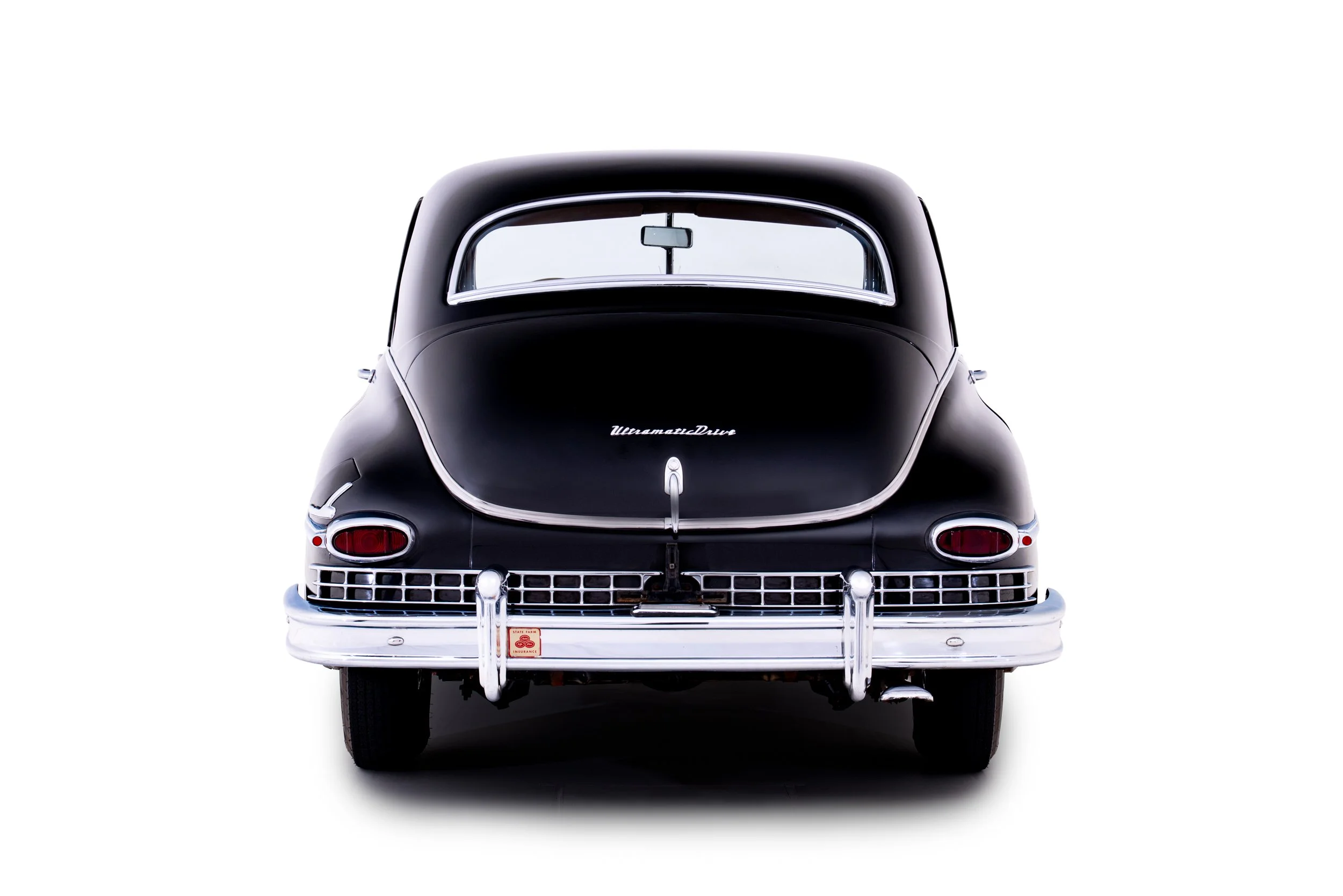 Image 7 of 19
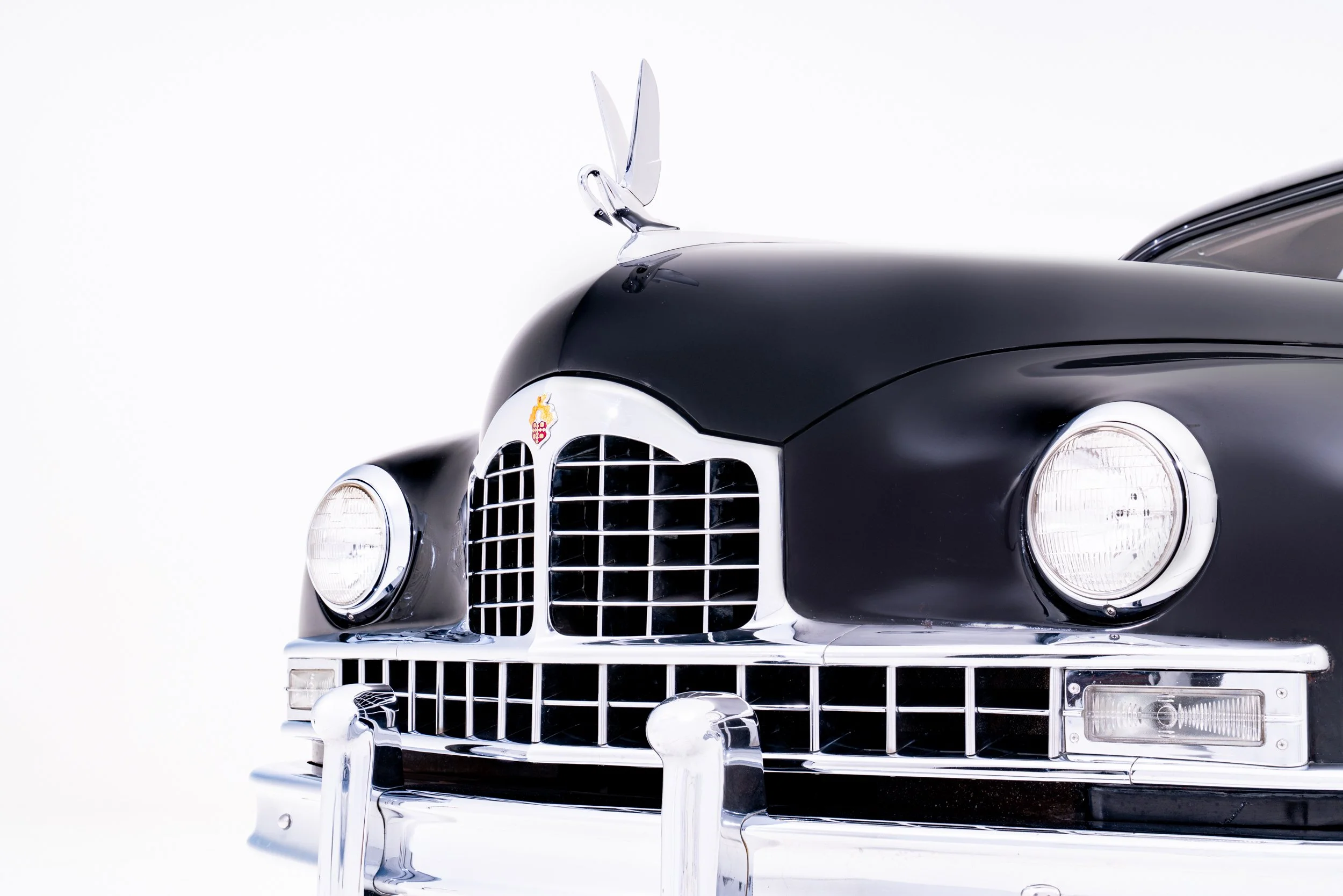 Image 8 of 19
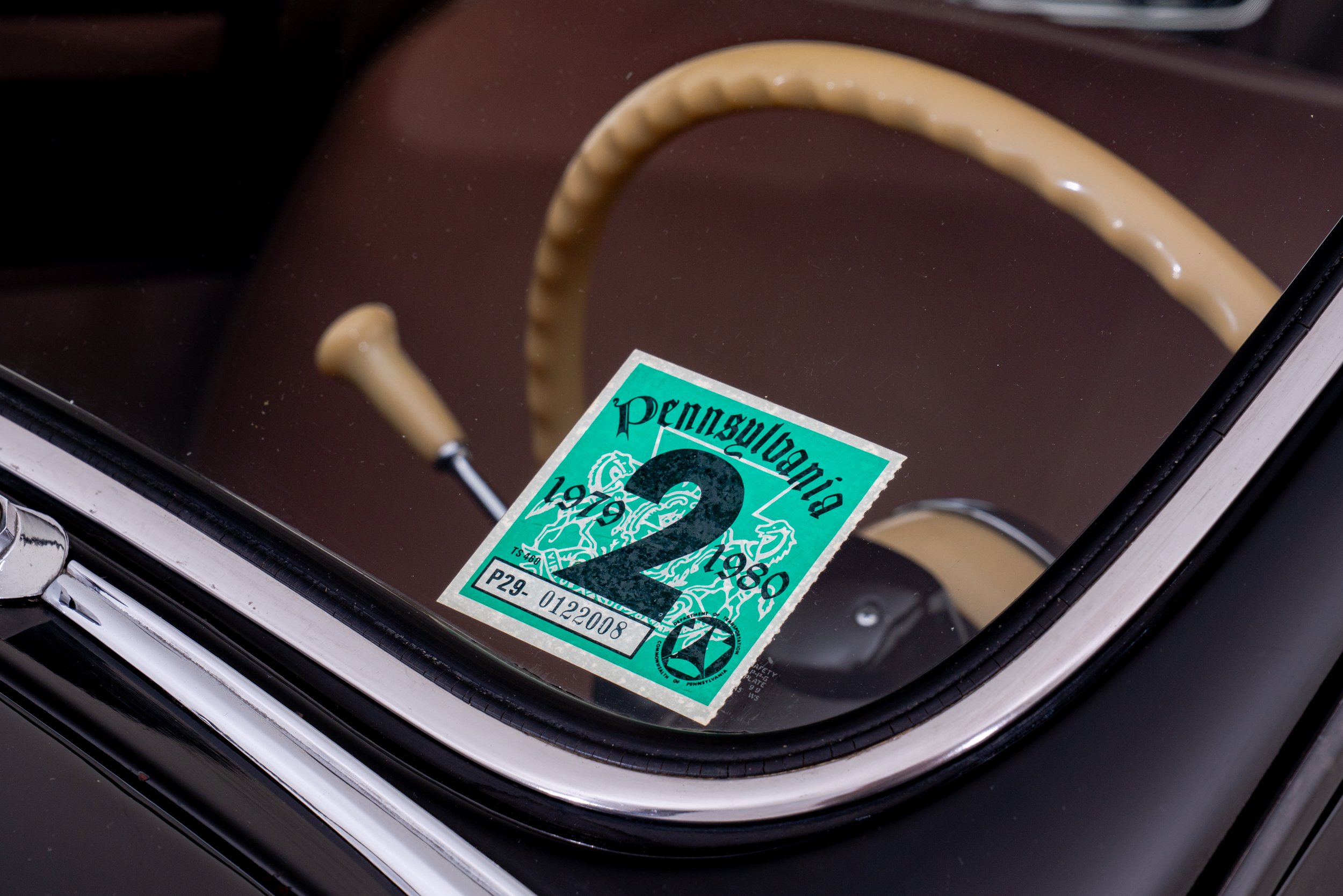 Image 9 of 19
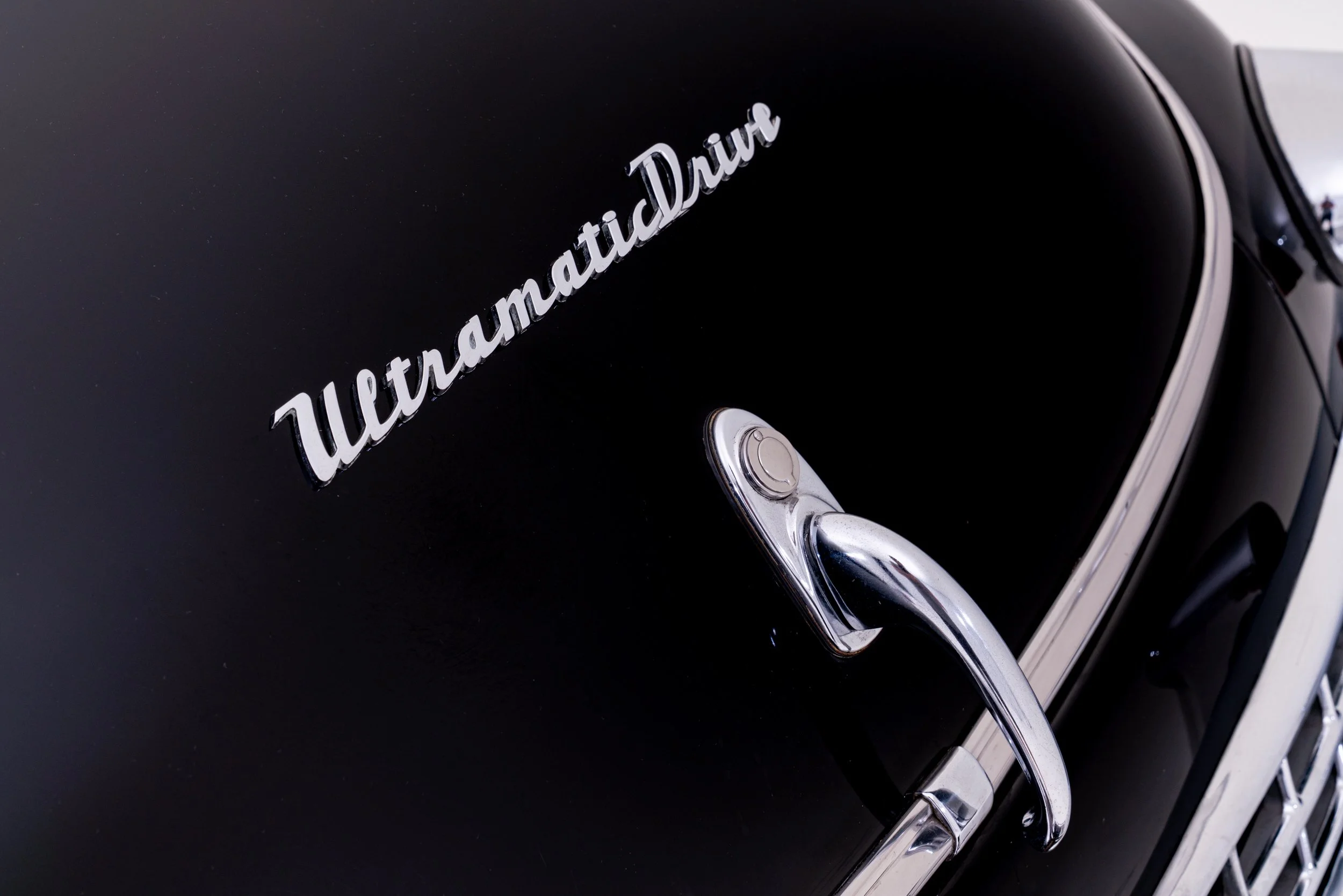 Image 10 of 19
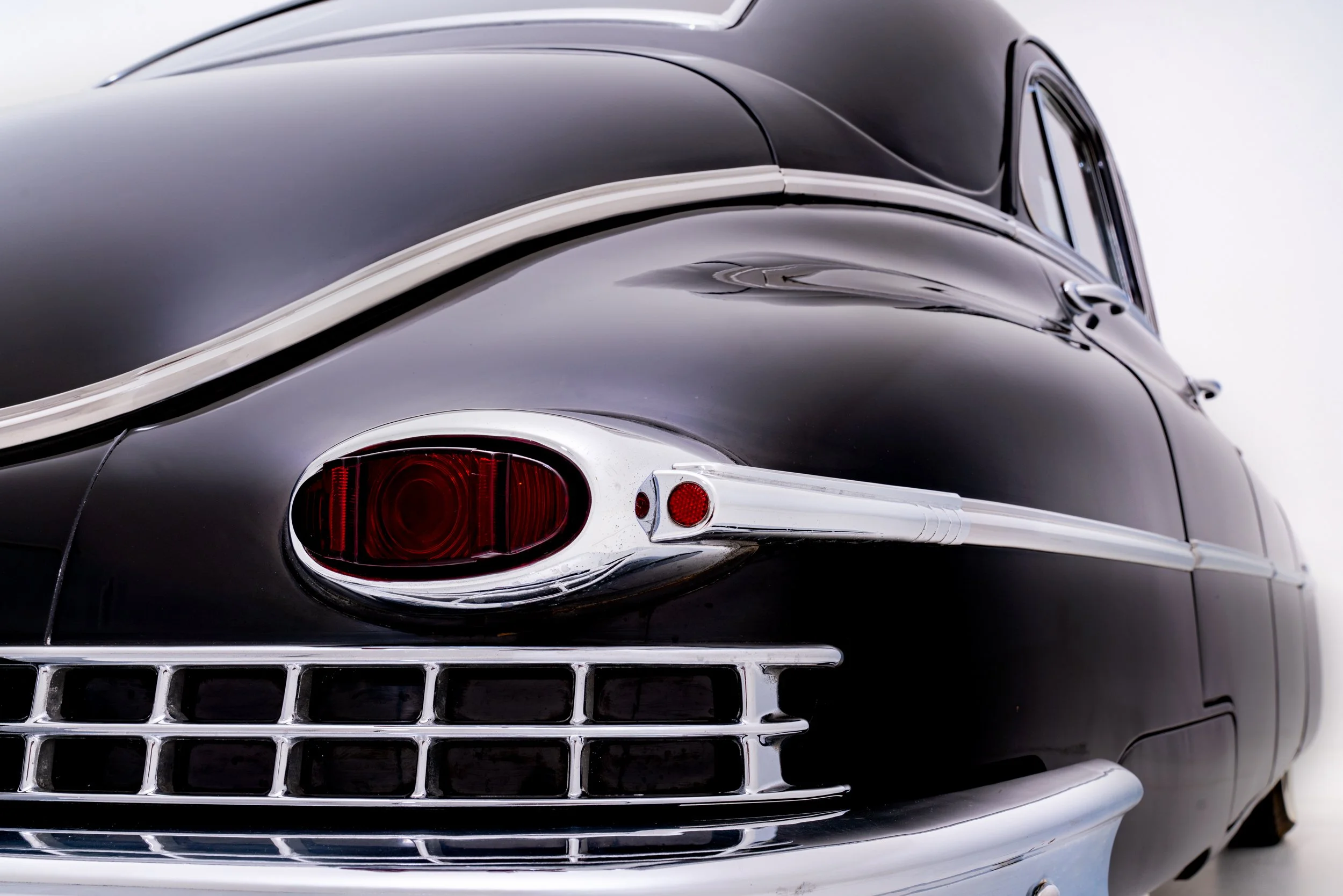 Image 11 of 19
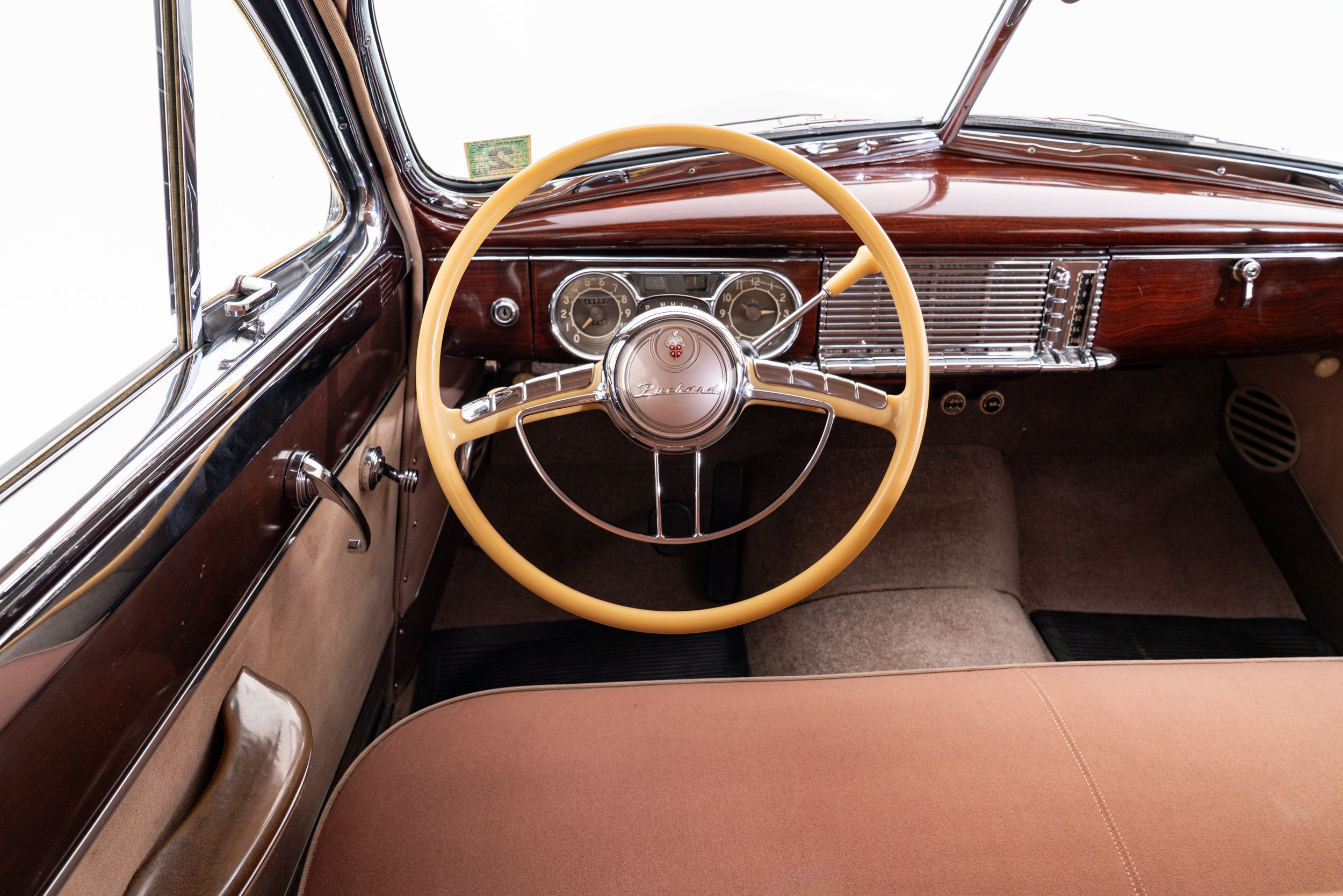 Image 12 of 19
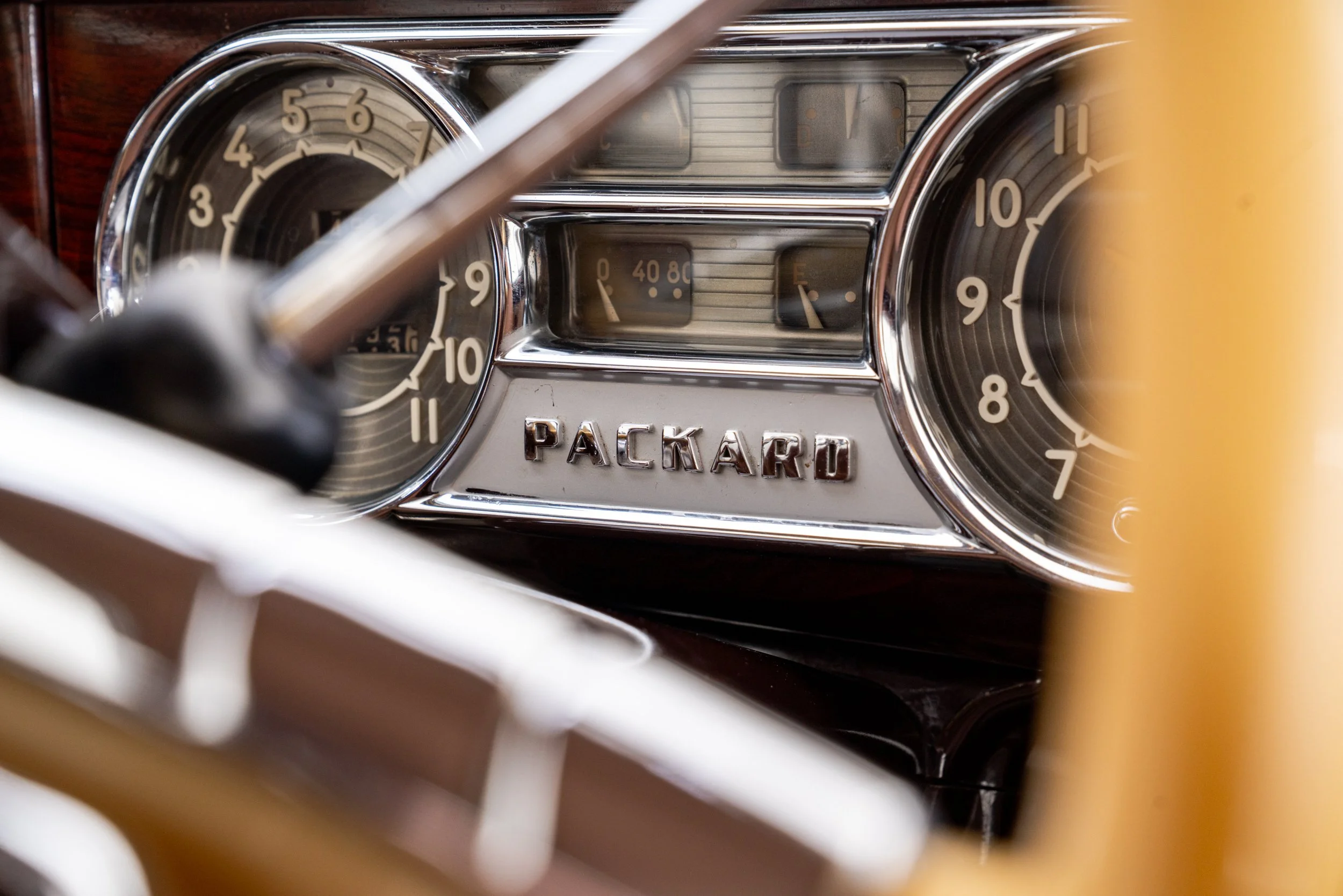 Image 13 of 19
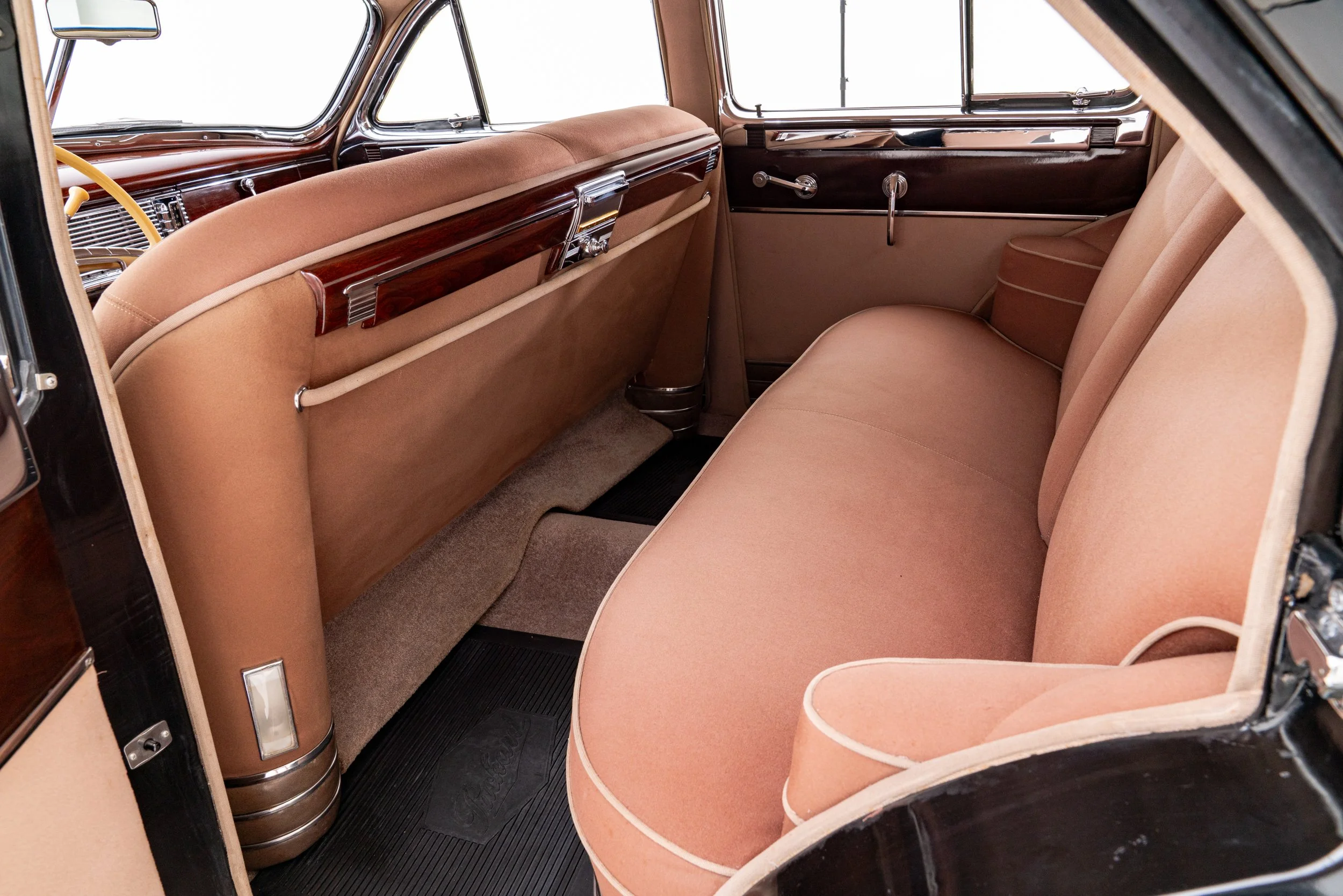 Image 14 of 19
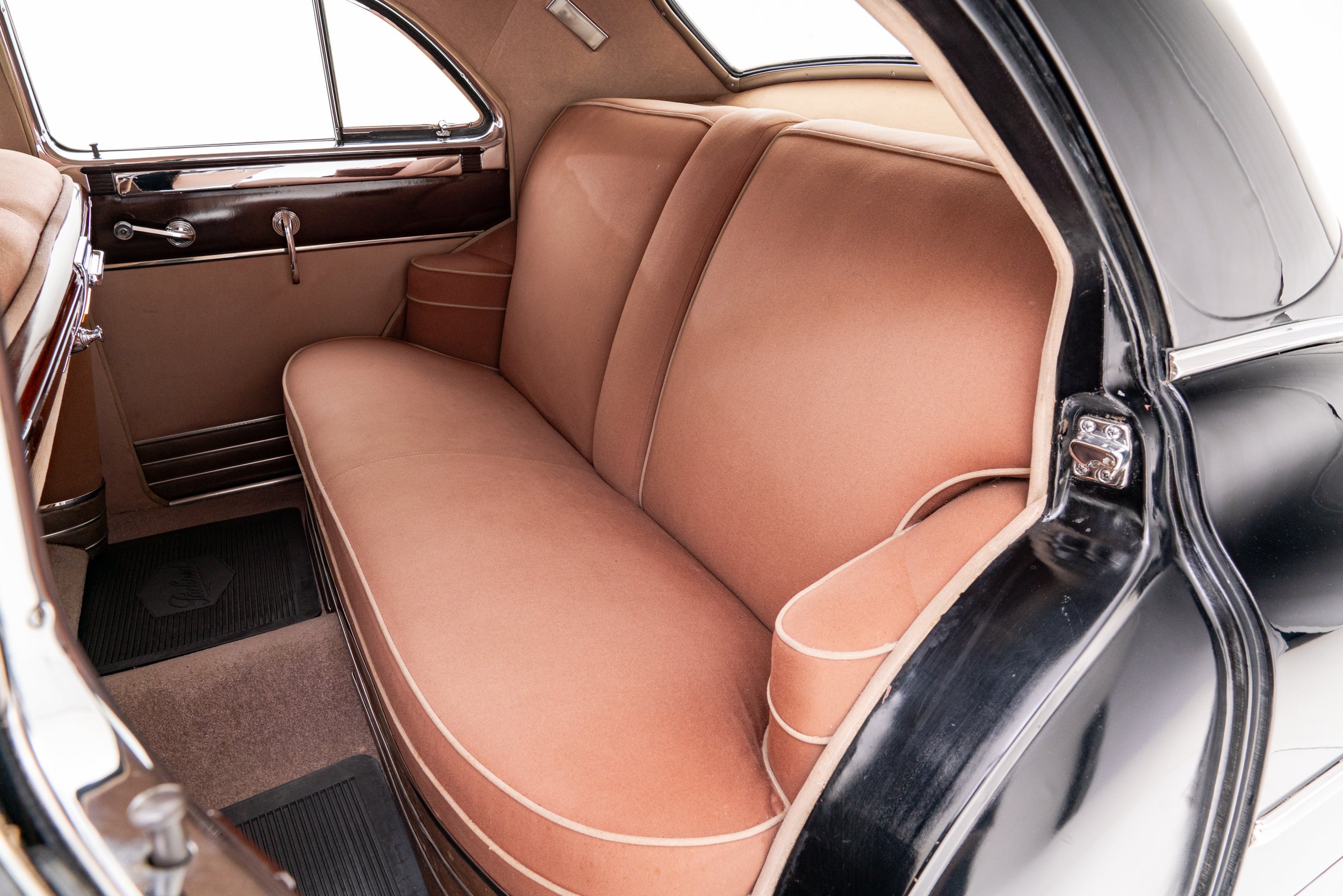 Image 15 of 19
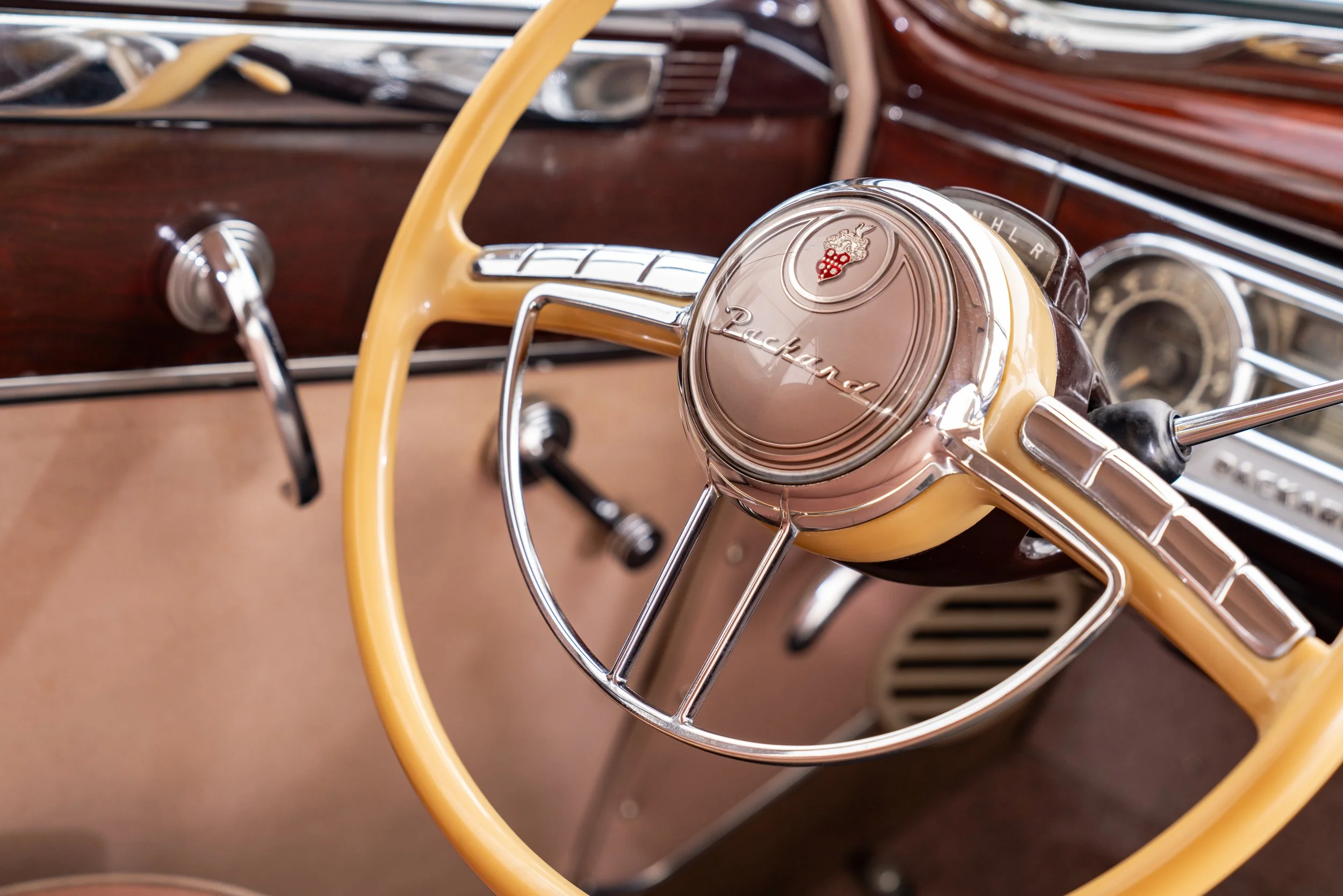 Image 16 of 19
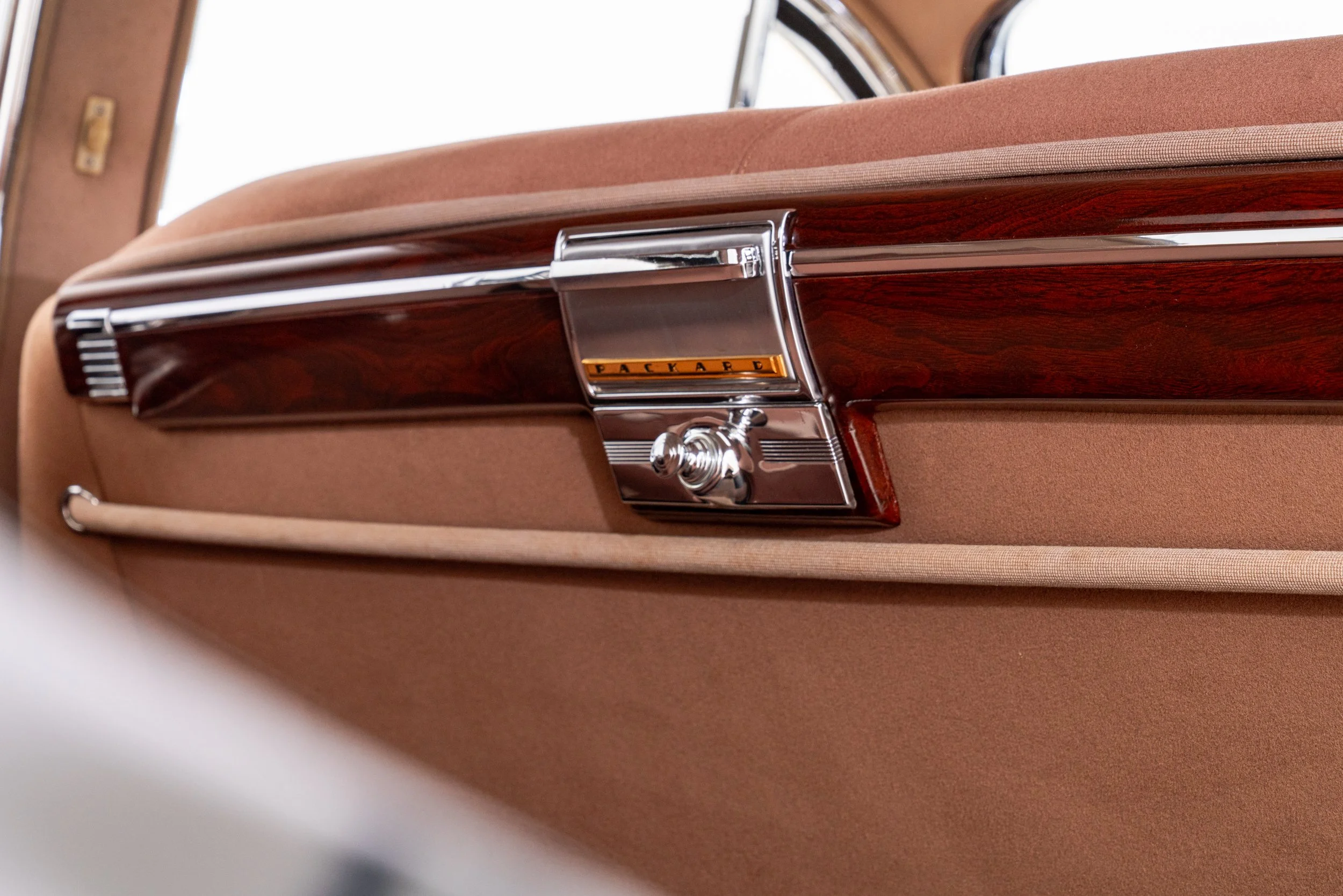 Image 17 of 19
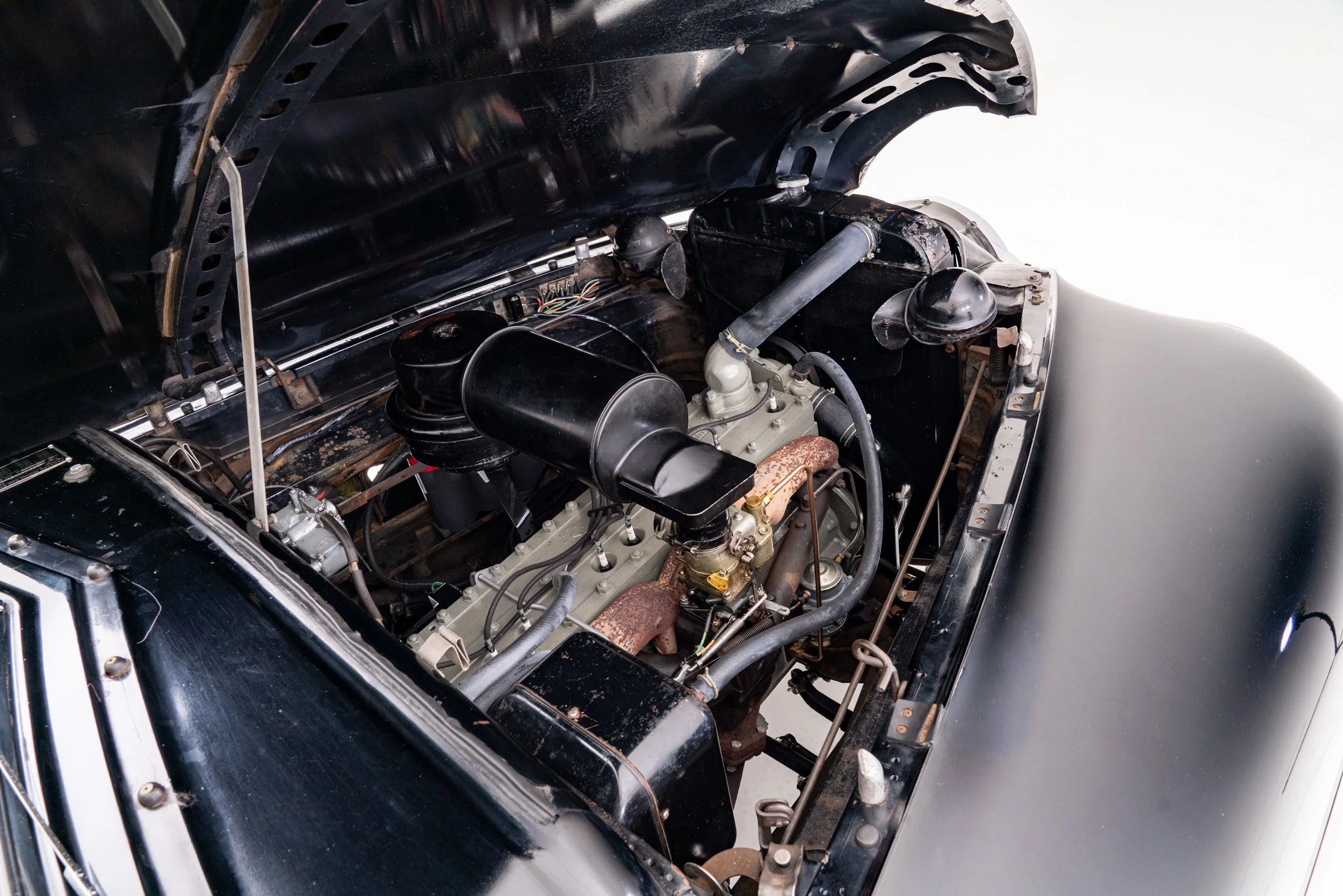 Image 18 of 19
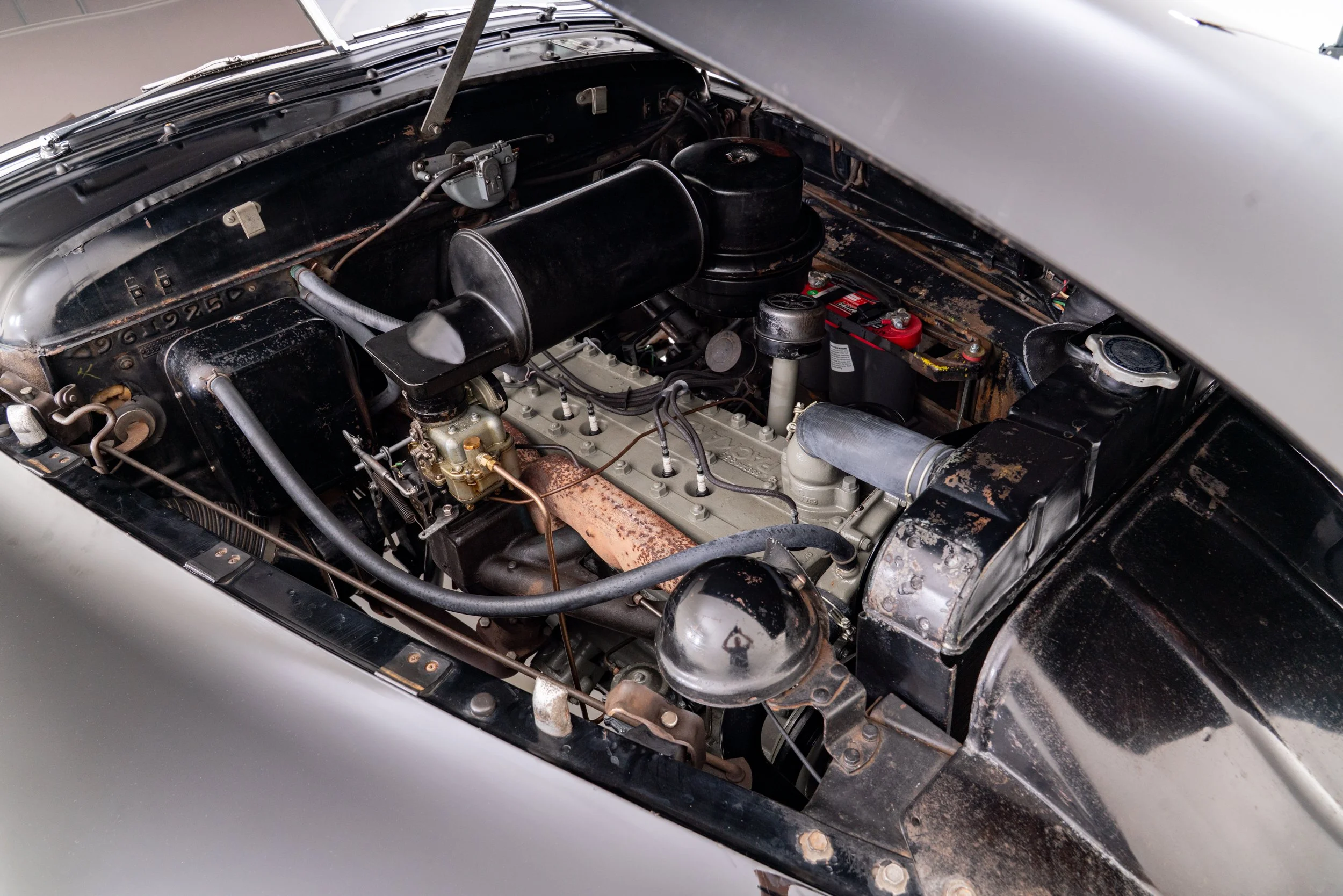 Image 19 of 19
-
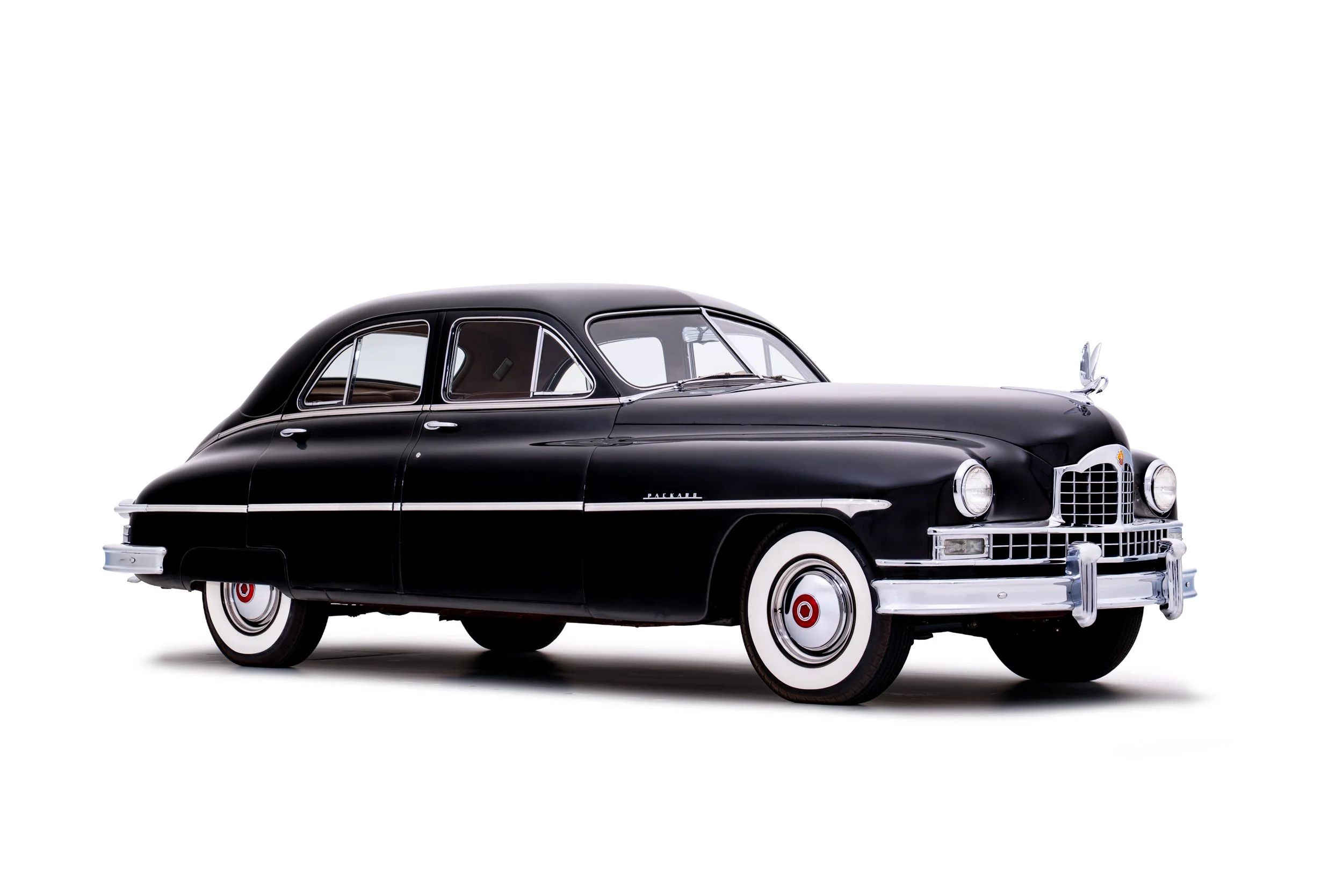
Packard celebrated its Golden Anniversary in 1949. To mark this auspicious milestone the company produced 2,000 special edition cars all painted gold. A parade of these and other historic Packards was held to celebrate their 50 years in business.
In Packard’s unique series designation system, as opposed to the more traditional model year used by other manufacturers, part of 1949 and all of 1950 cars were series 23 with no real change from one year to the next. To add to the confusion, the series 23 was very similar looking to the series 22 of 1948 into 1949. The most noticeable differences were the chrome center section of the front bumpers instead of painted, a thin chrome trim that ran down the full length of the body sides, a larger rear window in sedans, and the Packard name plate in block letters placed both exterior and interior. Automatic transmission became available for all models as an option in 1949 and was made standard on the Custom Eight line in 1950.
Packard was in fact suffering from a myriad of problems by this time. The “upside-down bathtub” styling was controversial at best and proving to be a hindrance to sales at worst. Since all Packard models carried the same styling, no matter what price point a transaction occurred at, the cars all looked alike. This didn’t sit well with Packard’s traditional high-end luxury customers, their cars looked like the mid-priced six cylinder. While Cadillac introduced their ground breaking V8 engine in 1949, Packard was still using their pre-war inline eight and six.
Despite all the problems stacking up at Packard, sales were very good in 1949 but this wasn’t because the cars were so good, it was because of reputation. Factory workers, farmers and servicemen returning from the war were flush with more cash then they ever had before. They wanted cars and cars were in short supply. Many wanted, and for the first time could afford, a Packard. Yet, many of these same buyers would be one-time purchasers as other brands, such as Cadillac, produced more modern and appealing cars making Packard look like the dowdy old spinster of the car world. Packard was sitting on a healthy bank balance but this would only carry them along temporarily and it was already becoming clear that the independent car companies, Packard, Nash, Hudson, Studebaker and others were facing major headwinds as the Big Three returned from war production stronger than ever. -
Company
Packard Motor Company
Make
Packard
Model
Custom Eight, 2306
Body Style
Sedan, 4-dr, 6-pass.
Body ManufactureNA
Model year
1949
Wheelbase
127 inches
Length
213.25 inches
Engine
Inline-8, L-head, 356 cid
Horsepower
165 hp @ 3600 rpm
Transmission
Ultramatic Automatic
Original Base Price
$3,750
Brand Production
59,390 calendar & model year
This Car Production
810 -
The 23rd series Packard in The NB Center collection is an all original low mileage example. The car belonged to a funeral home from new. When the car was found it had been off the road for more than 30 years and required an extensive recommissioning of all the mechanical systems.
Today the car stands as the closest example to a 1949 Packard as it rolled out of the dealer showroom when new.