
 Image 1 of 22
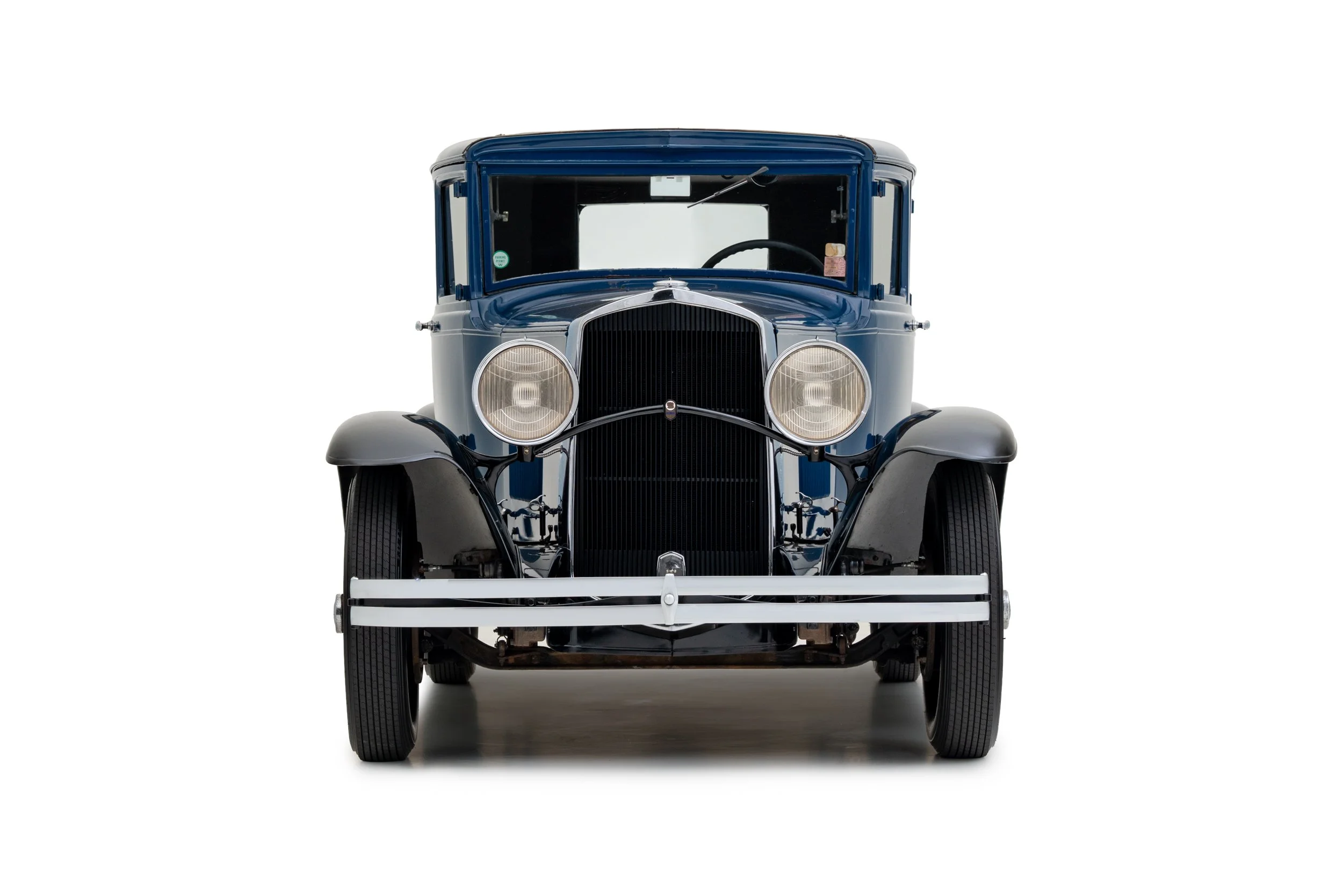 Image 2 of 22
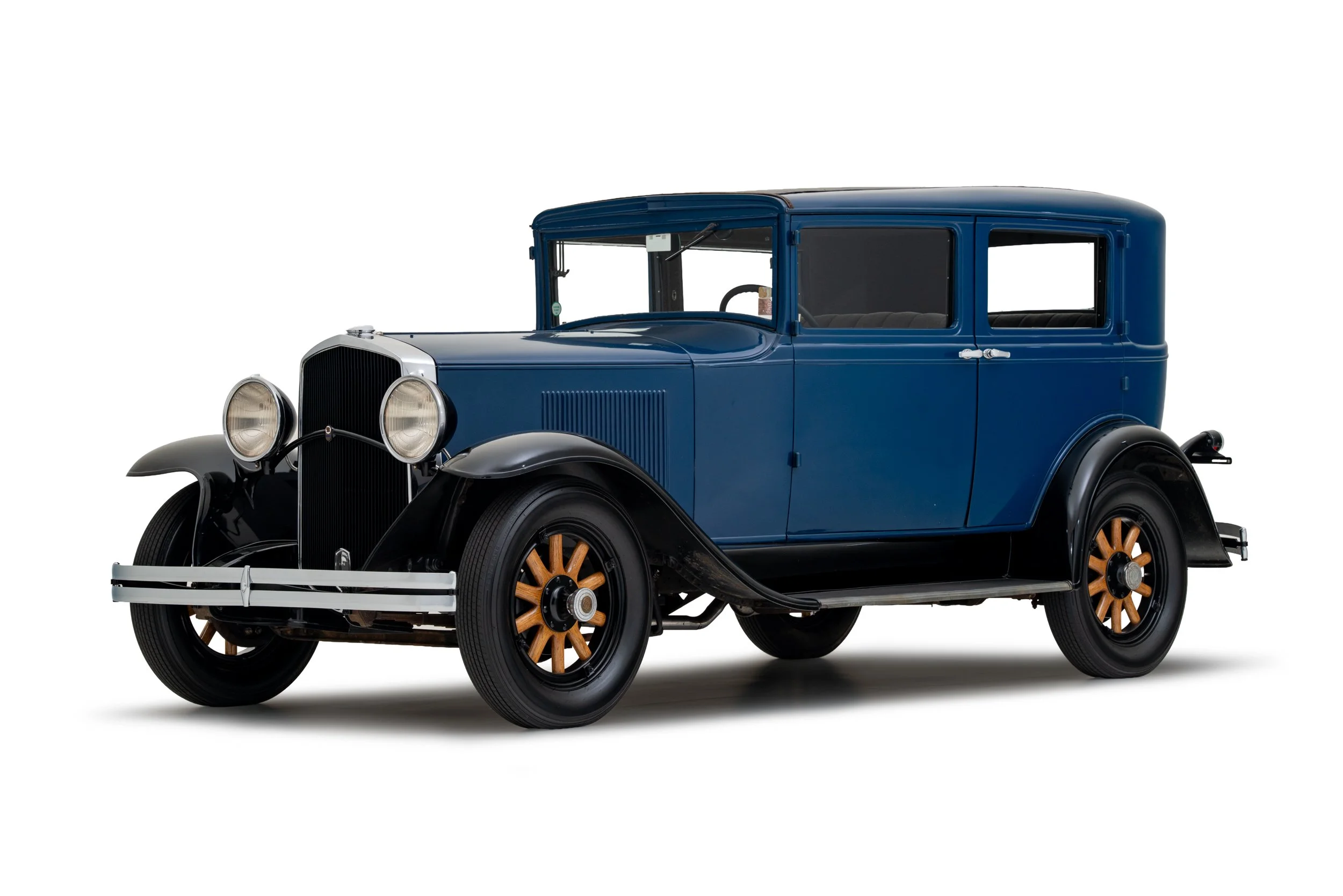 Image 3 of 22
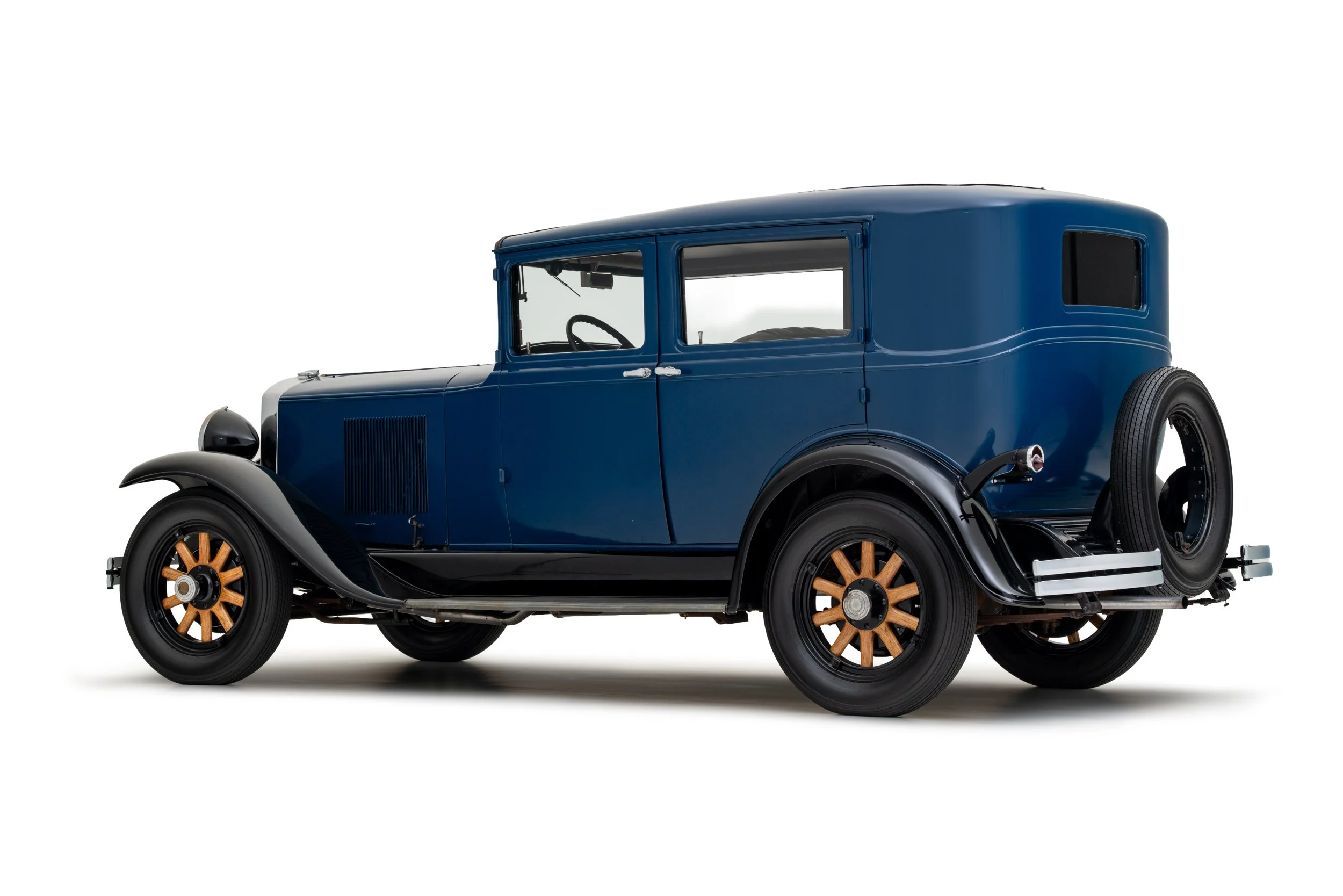 Image 4 of 22
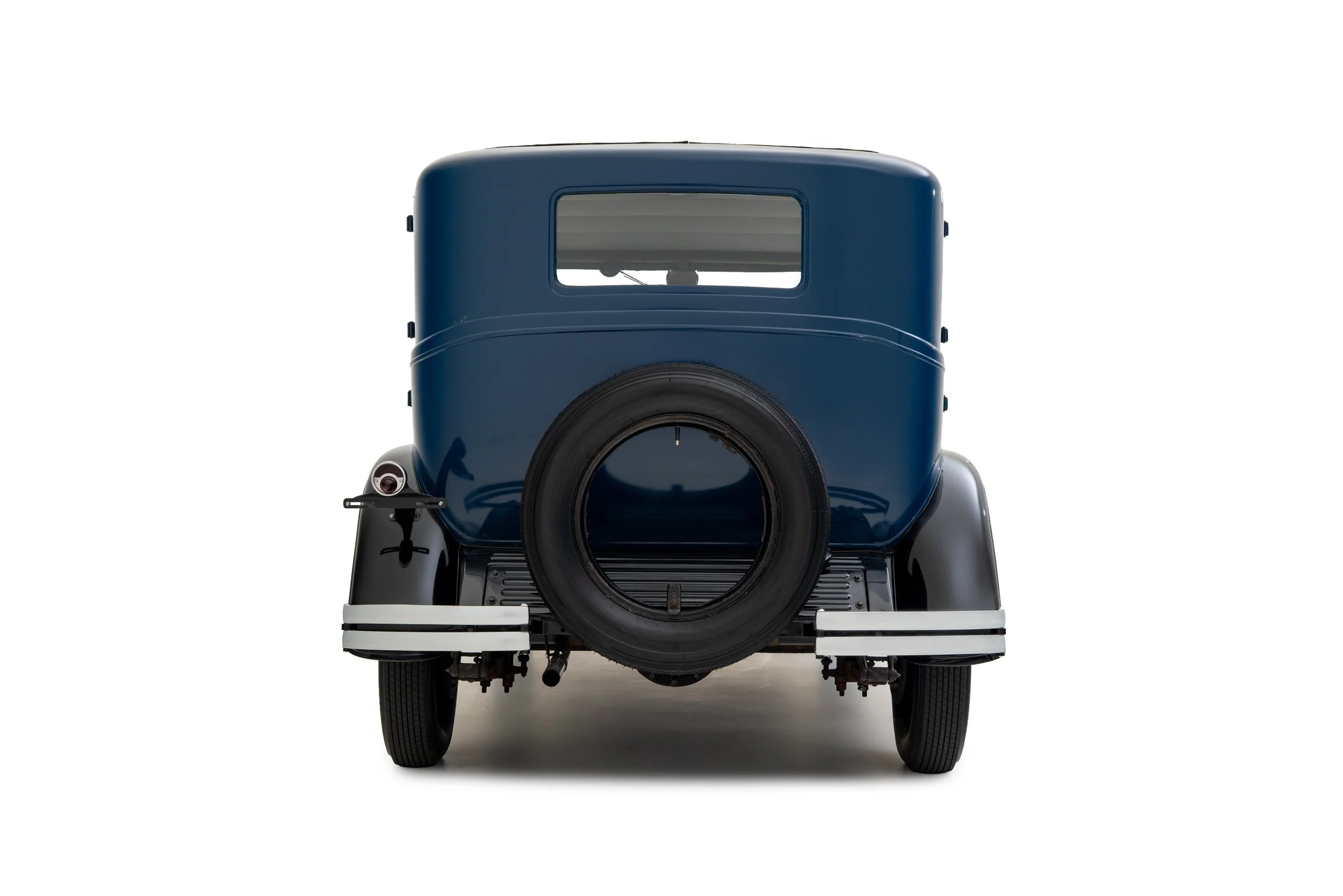 Image 5 of 22
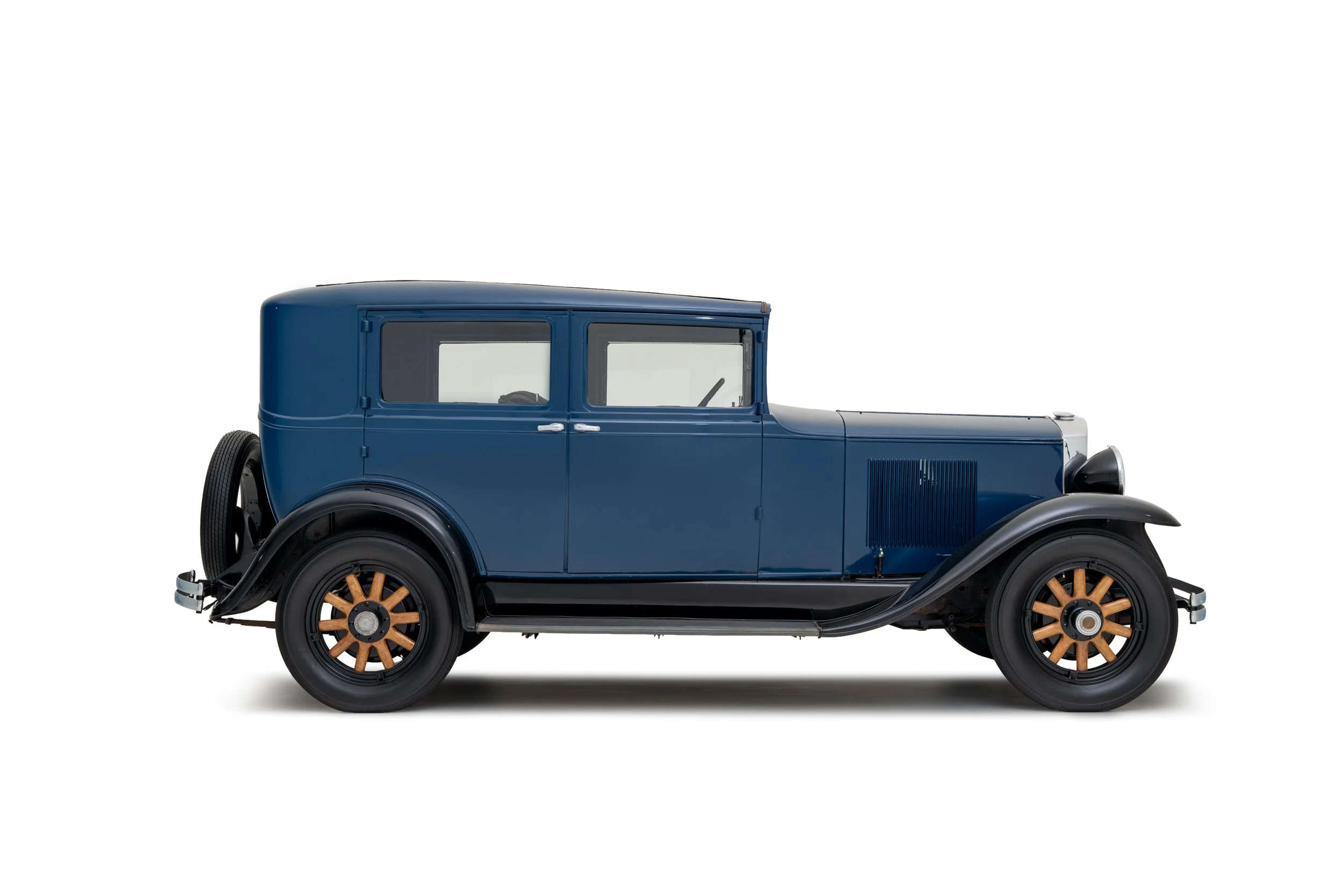 Image 6 of 22
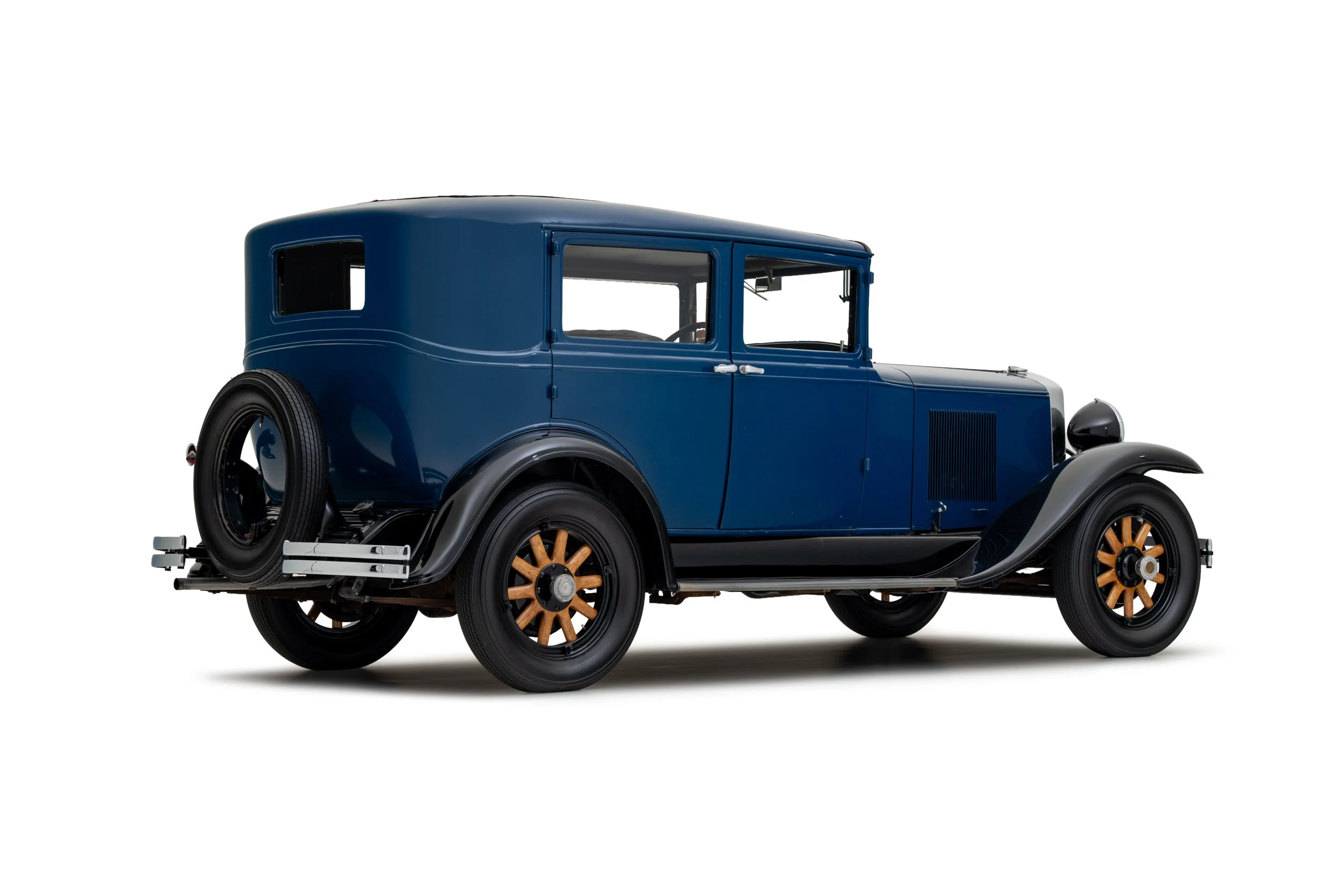 Image 7 of 22
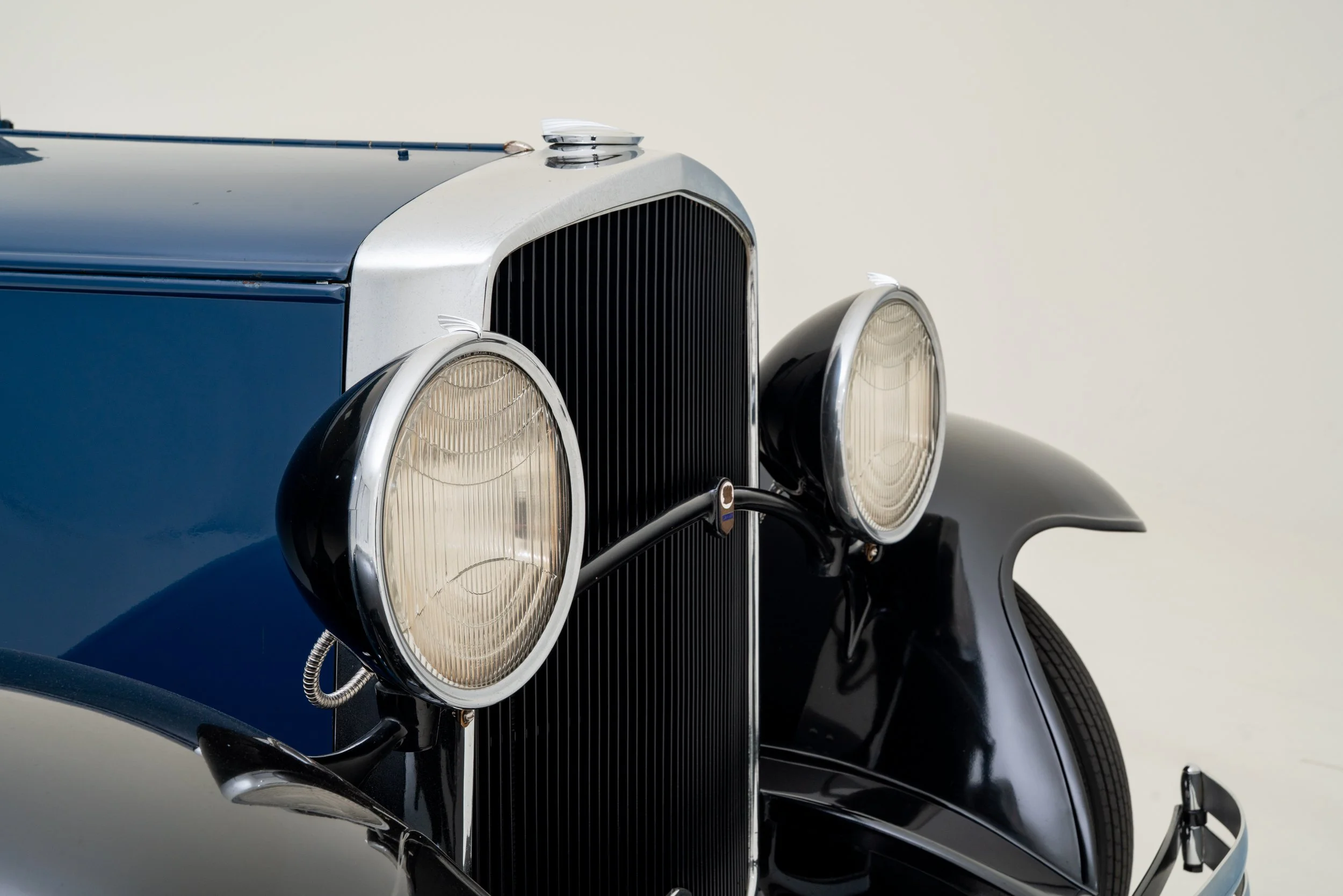 Image 8 of 22
 Image 9 of 22
 Image 10 of 22
 Image 11 of 22
 Image 12 of 22
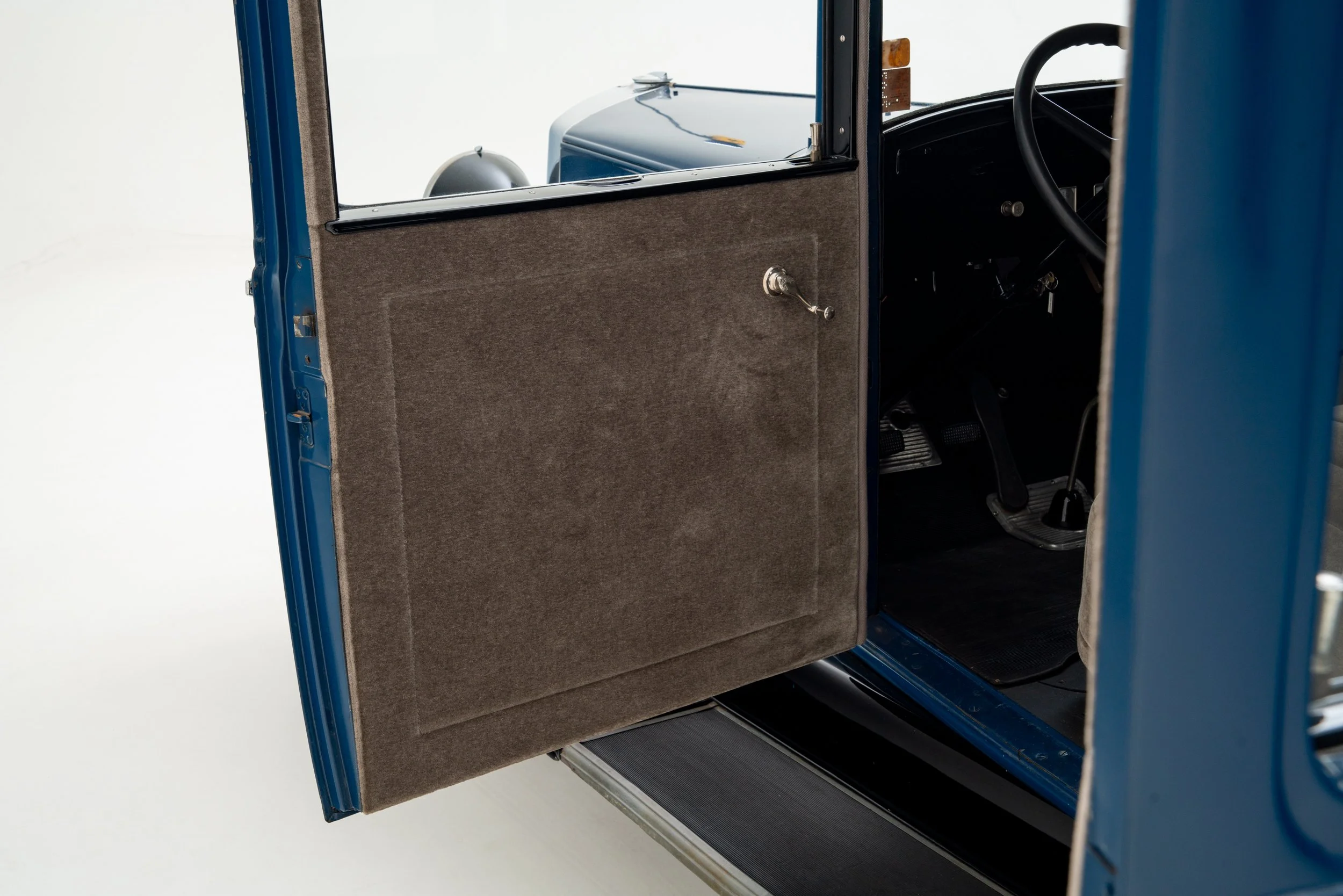 Image 13 of 22
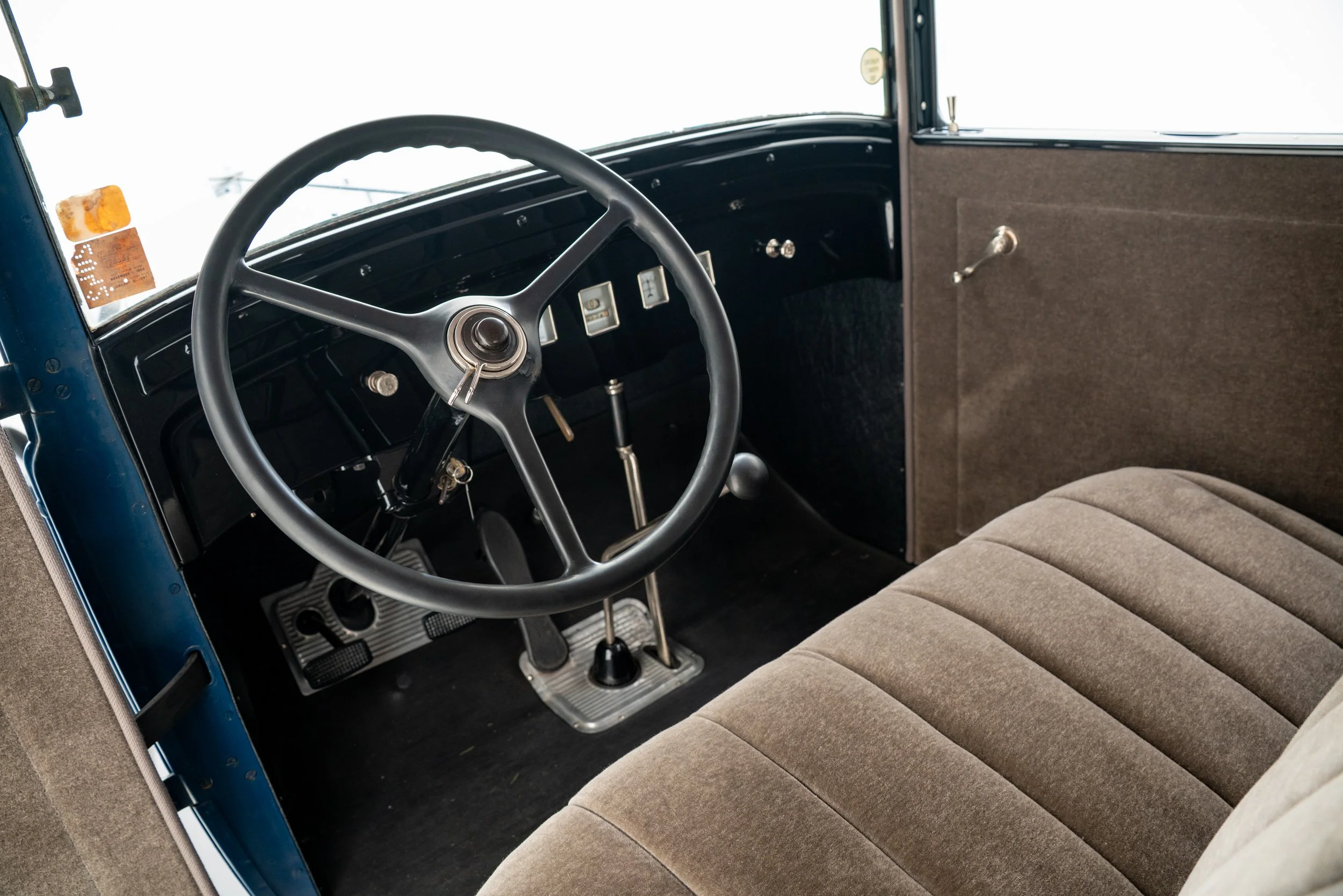 Image 14 of 22
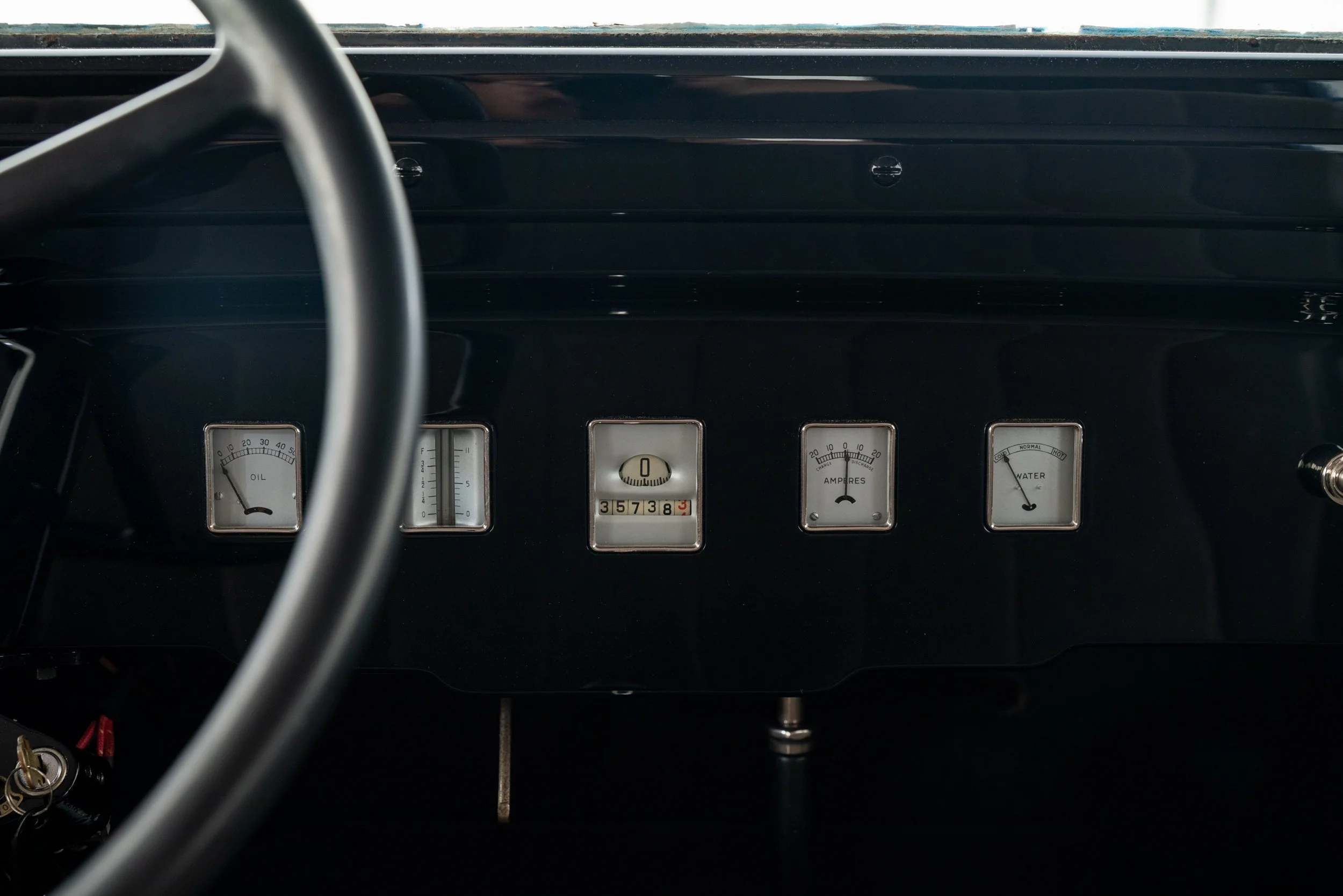 Image 15 of 22
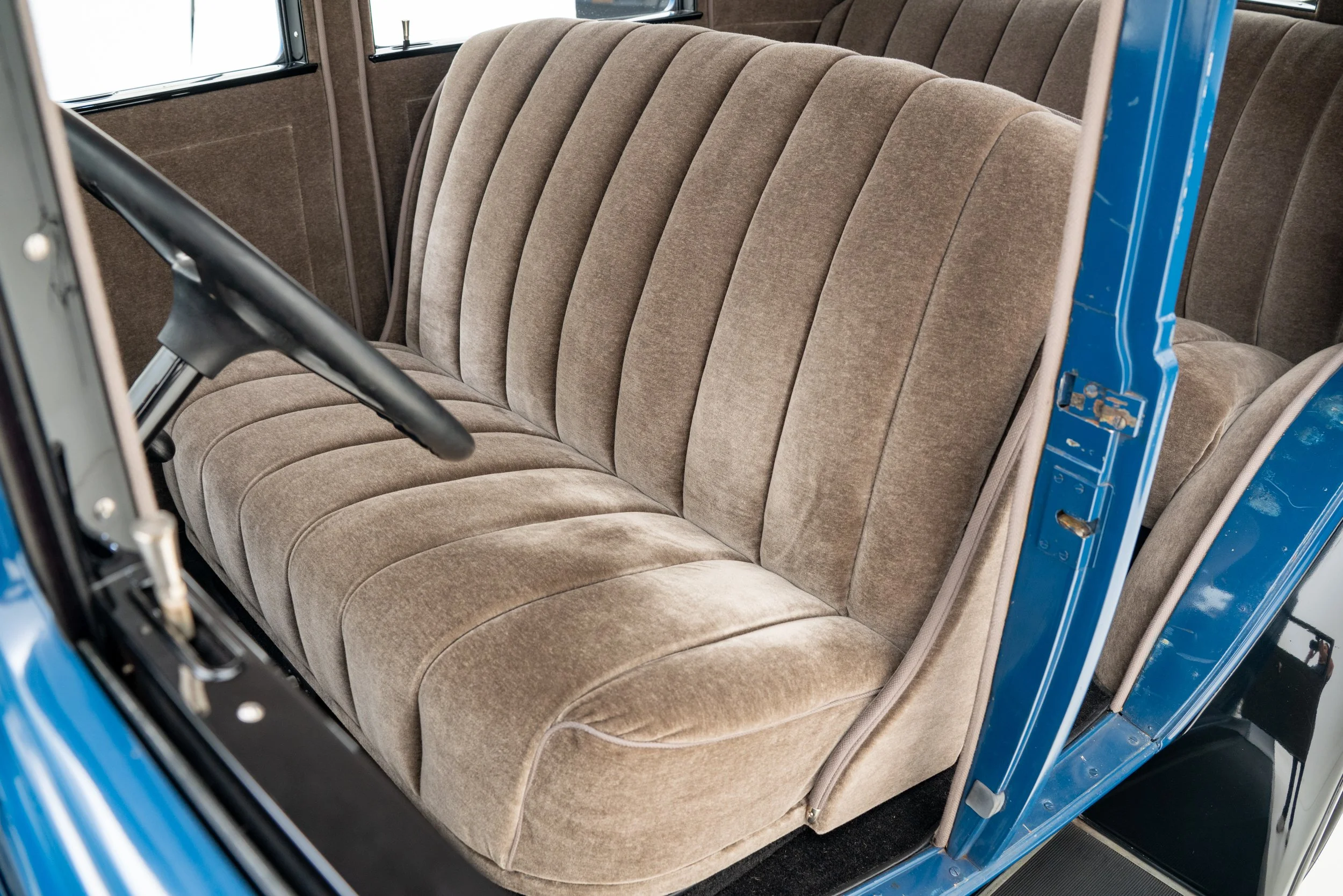 Image 16 of 22
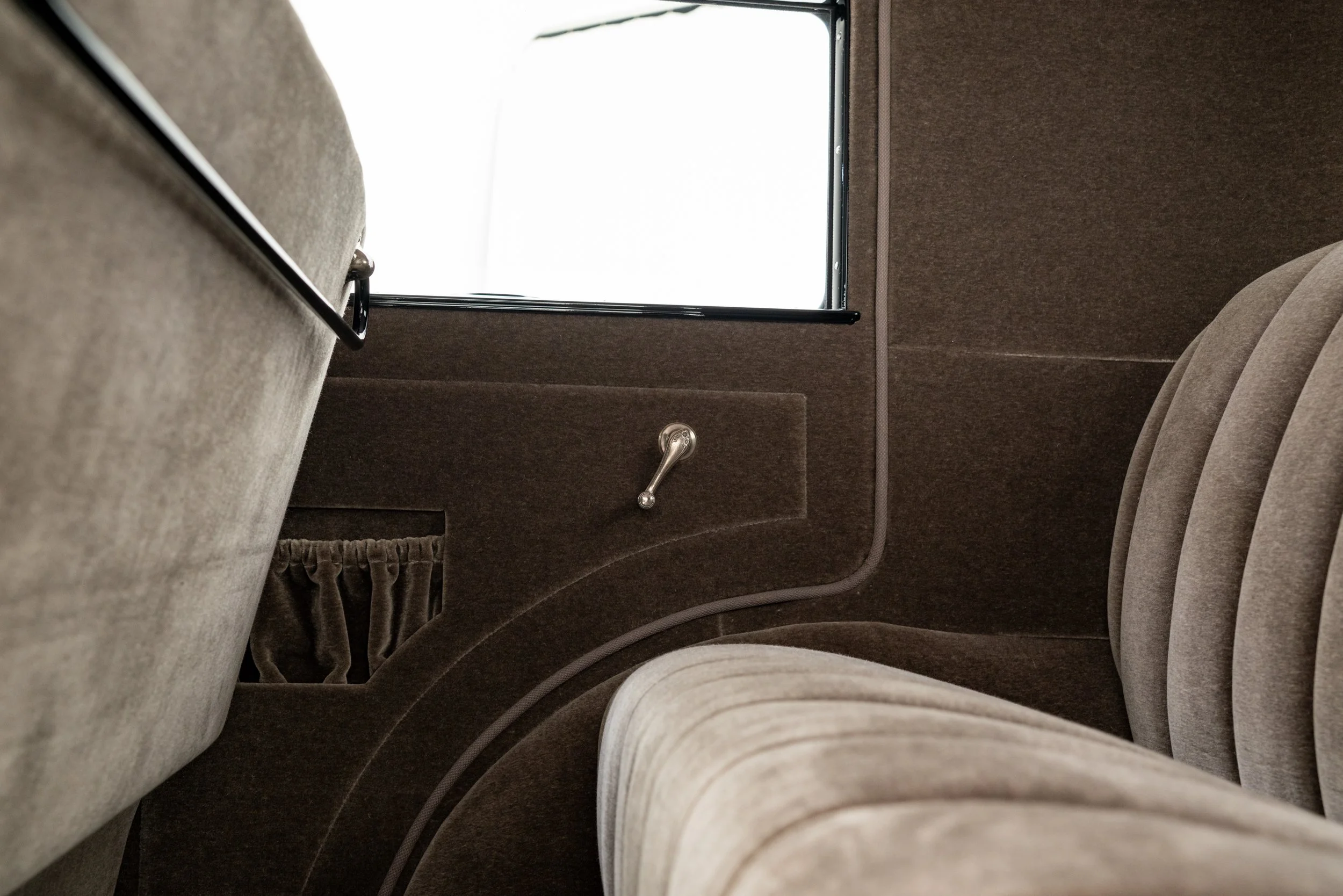 Image 17 of 22
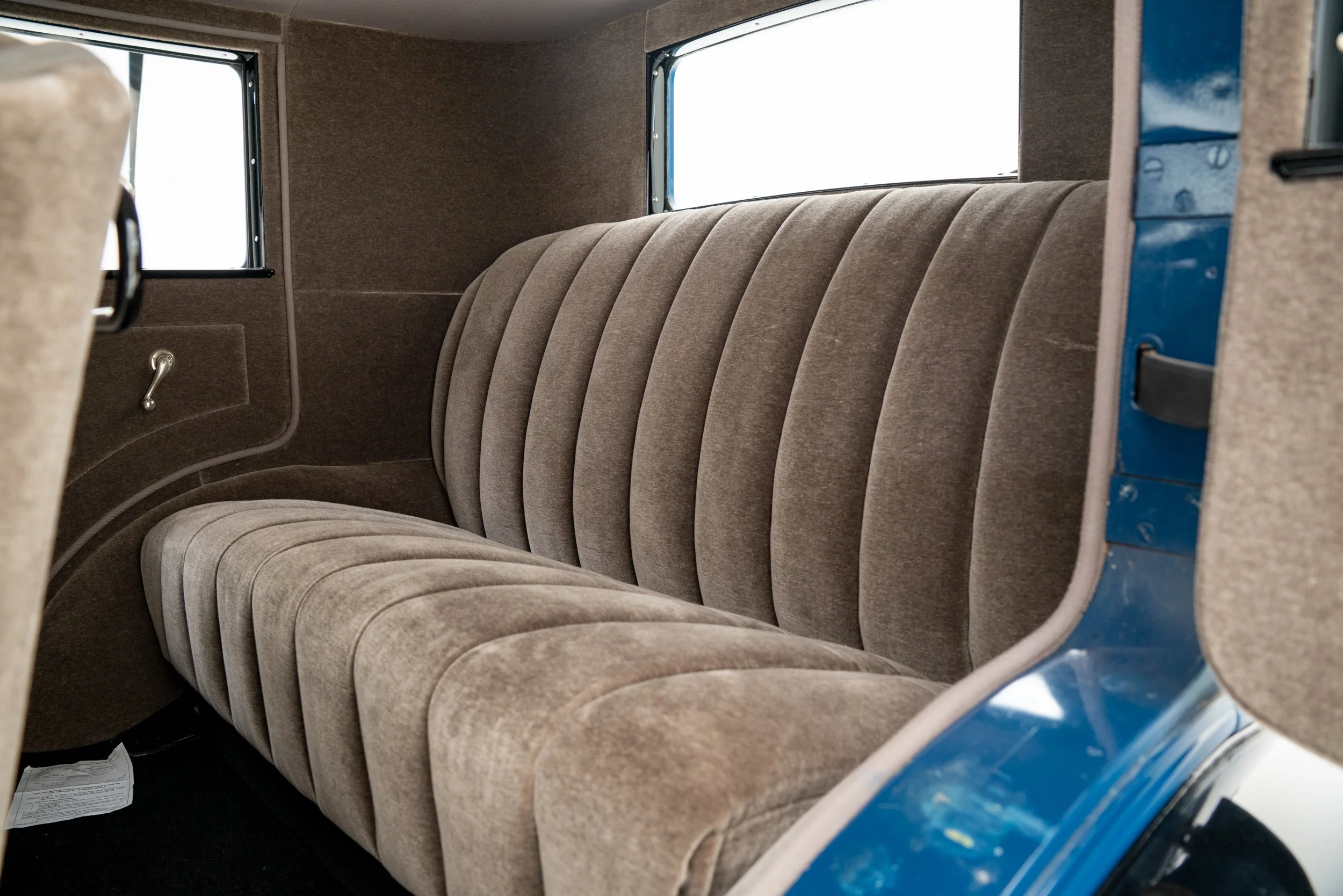 Image 18 of 22
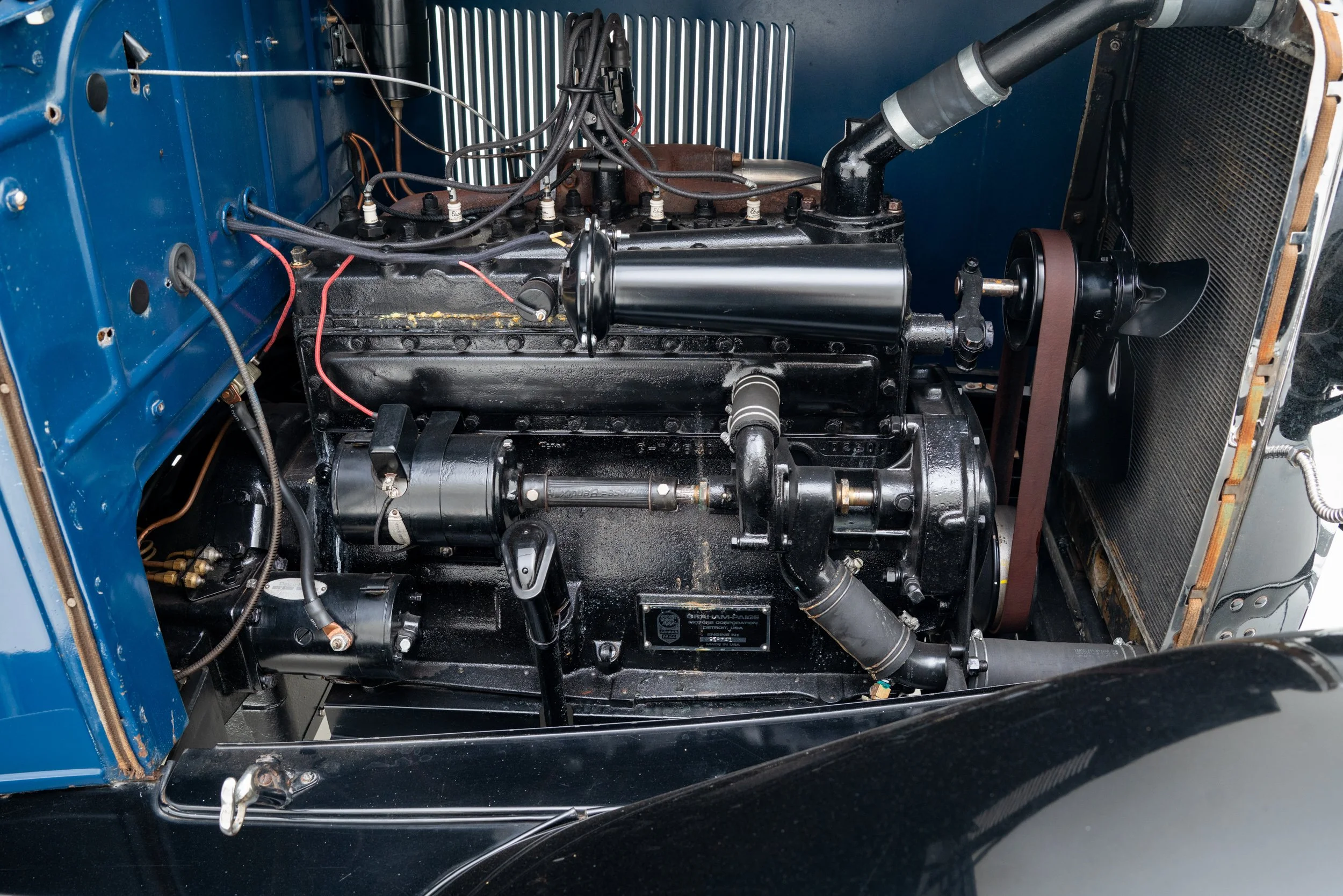 Image 19 of 22
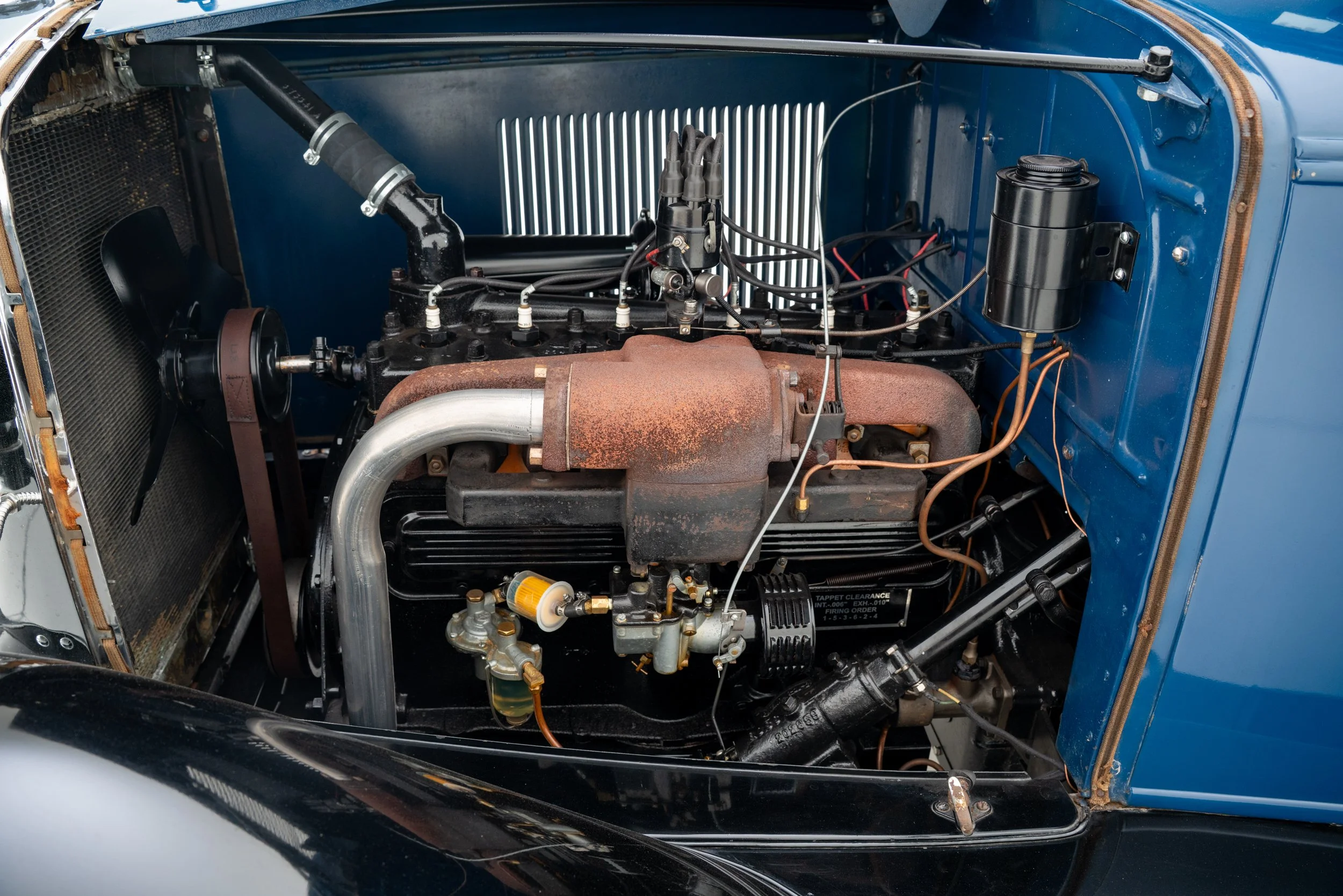 Image 20 of 22
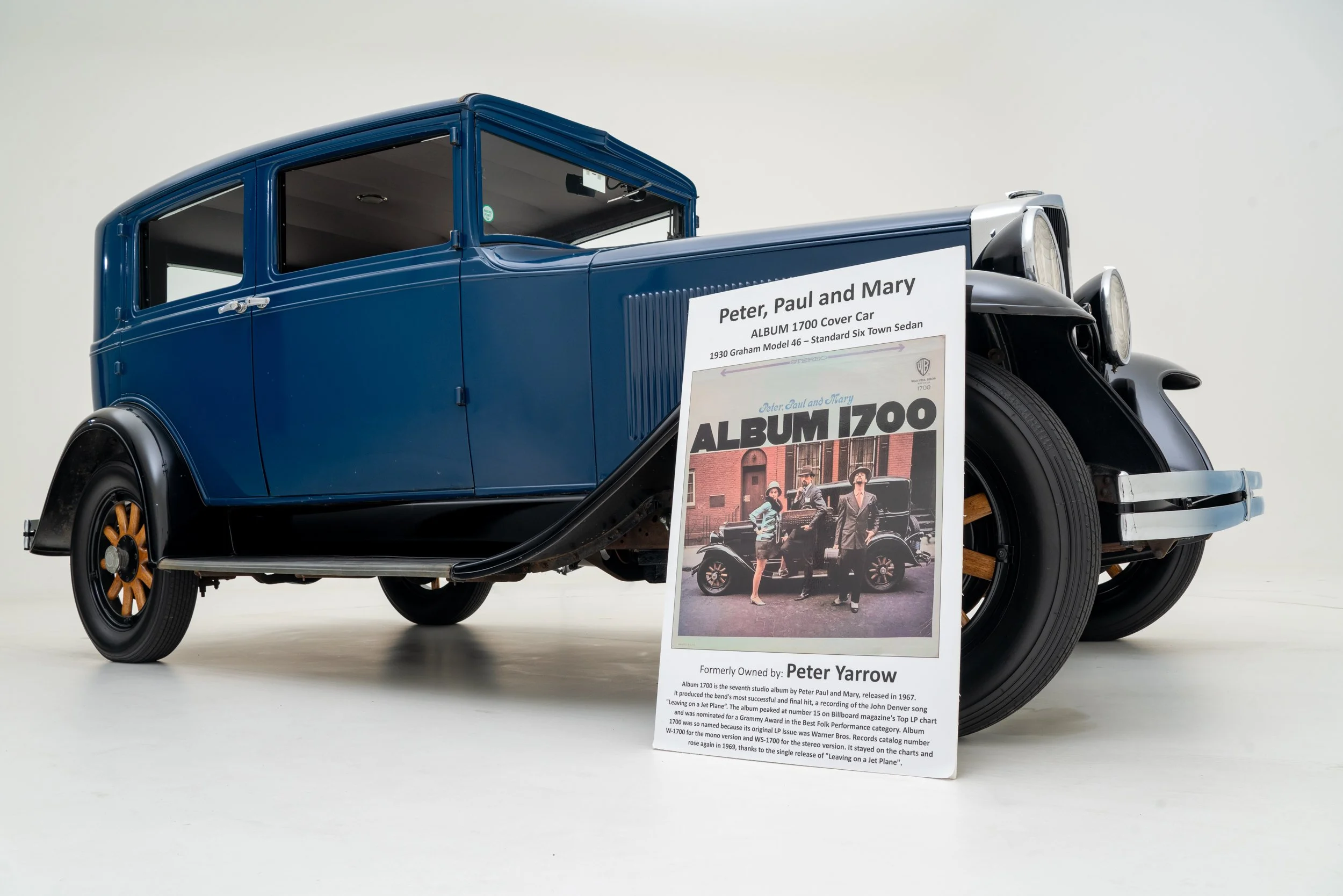 Image 21 of 22
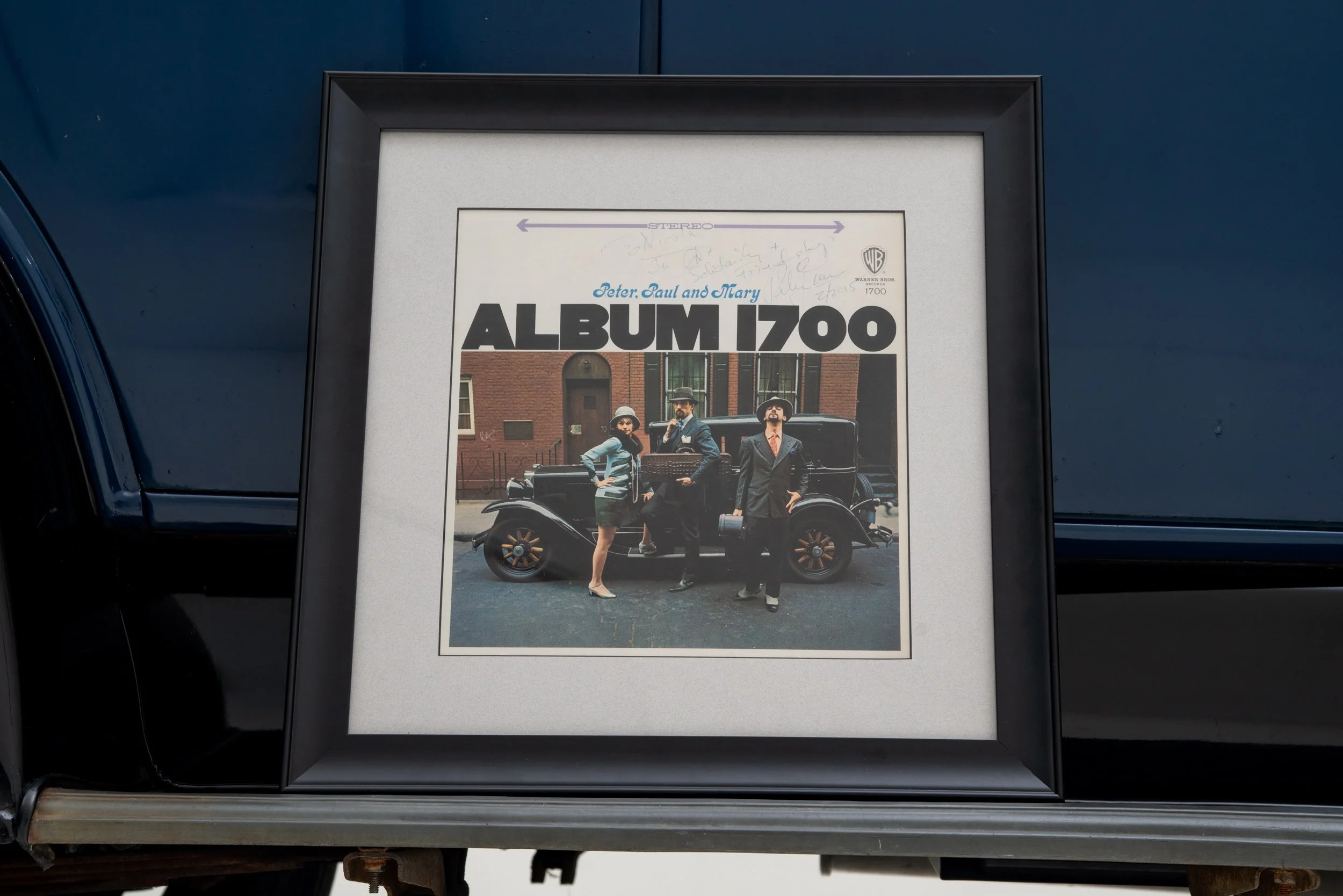 Image 22 of 22
-
Joseph, Robert and Ray Graham were already successful businessmen who had made fortunes in farming, glass bottles and truck manufacturing before they acquired the faltering Paige-Detroit Motor Company in 1927 and renamed it Graham-Paige. The Grahams’ already had a well respected reputation through their truck business, for producing good quality vehicles at a reasonable price. Now they would bring that reputation to bear on manufacturing cars.
They wasted no time, adding models from entry level six-cylinder cars all the way up to middle-priced near luxury cars. They also embarked on a program of modernization of manufacturing and expansion of capacity. In the boom times of the late 1920’s, the strategy worked. Graham produced 73,195 cars in their first year, good enough to earn 14th place in the industry. They set their sights on being in the top ten.
1930 would see the introduction of safety glass in all Graham vehicles, an industry first.This was also the year they introduced a new light commercial vehicle, a market segment the Grahams knew all too well. Also of note, Graham was one of the only American manufacturers to offer a four-speed transmission in its higher priced offerings. The big expectation for increased sales in 1930 centered on the new line of lower-middle priced eight-cylinder cars. But, the economy was going to throw a proverbial monkey wrench into those plans.
The stock market crash of October 29, 1929 marked the start of the Great Depression. By the end of September 1930, Graham announced confidently that although sales were down more than 50% from the previous year, they had a cash balance of $4,603,354, nearly twice as much cash on hand as liabilities. They believed the economic downturn would be brief and they would be well positioned when the situation turned and the pent-up demand for new cars would greatly increase sales.
Despite their excellent business acumen, the Grahams couldn’t have been more wrong about the economy and car sales. By 1933, most car companies were in full panic mode and Graham would not be exempt. -
Company
Graham-Paige Motors CorporationMake
Graham
Model
Graham Standard Six, Model 46Body Style
Sedan, 4-door, 5- pass.
Body Manufacturer
Murray Body CompanyModel year
1930
Wheelbase
115 inches
Length
NA
Engine
inline, six-cylinder, 207 cubic inches
Horsepower
66 @ 3200 rpm
Transmission
3-speed, manual
Original Base Price
$895
Brand Production
33,560
This Car Production
N/A -
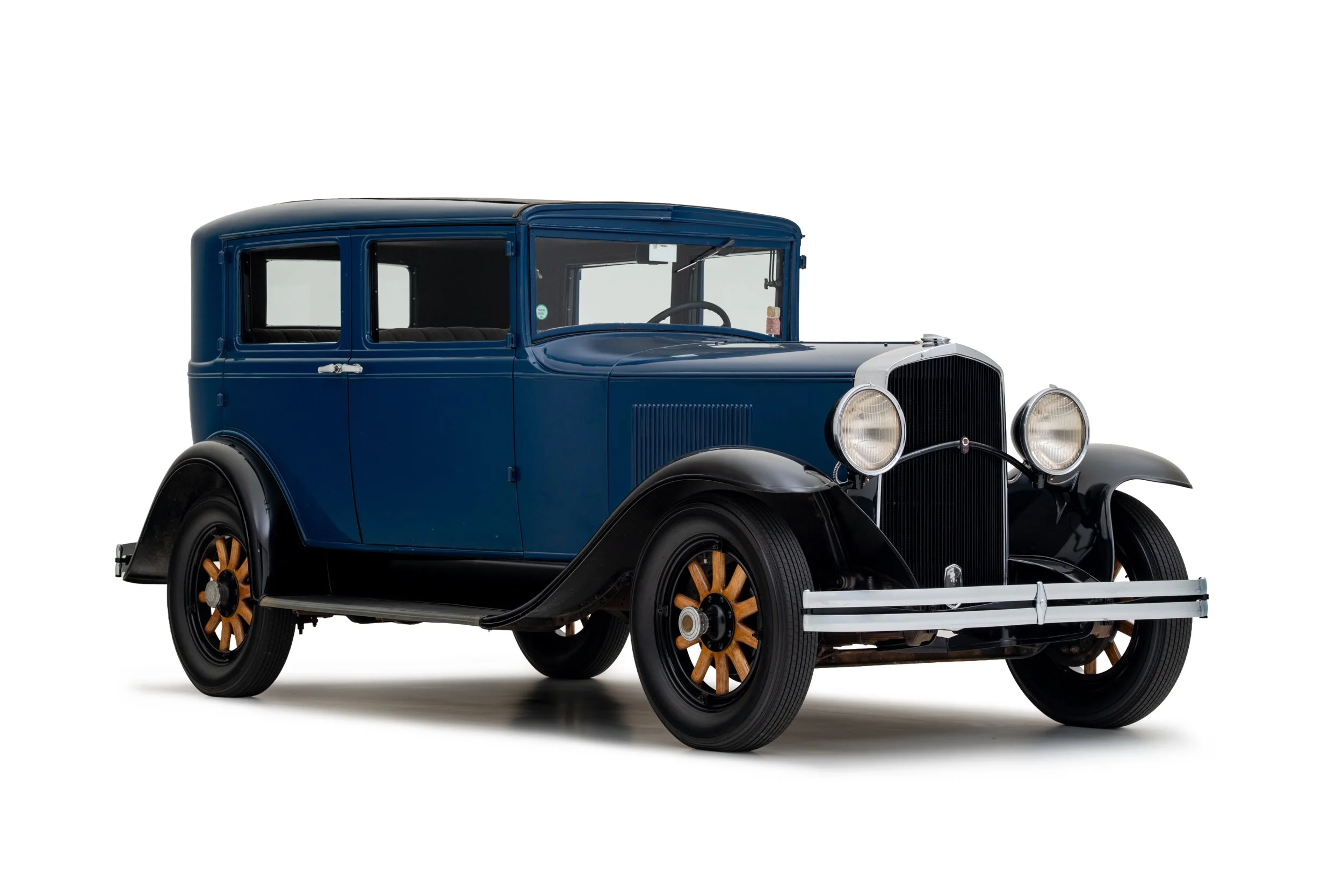
If this Standard Six sedan could talk, I’m sure it could tell some great stories. The car was purchased from Peter Yarrow of the folk rock band Peter, Paul and Mary. The car appeared on the cover of their seventh studio album, titled “Album 1700”, released in 1967.
Mr. Bulgari met Peter Yarrow at a dinner party around 2017 in New York City, where the album happened to be on display for guests. The old car depicted on the cover started a conversation between the two men and Yarrow admitted he still owned it. Mr. Bulgari asked if the car could be purchased and soon a deal was struck.
Arrangements were made for the staff of the NB Center to retrieve the car from a chicken coop in Woodstock, NY where it had been stored for more than 50 years. The story soon unfolded that the car was used as transportation for the performers at the Woodstock concert in 1969 and soon after was placed in rental storage where it remained until exhumation by NB Center staff.
When recovered from its long slumber, the car was in need of attention. The interior was being used as a home for successive families of cats and it was ruined beyond saving. The entire driveline of the car was removed and rebuilt. The interior was removed and replaced. But the exterior of the car was cleaned and saved. The car still wears its original factory paint today.
The car was returned to fully functional driving condition and today is a popular car with guests and for driving by staff.