
 Image 1 of 24
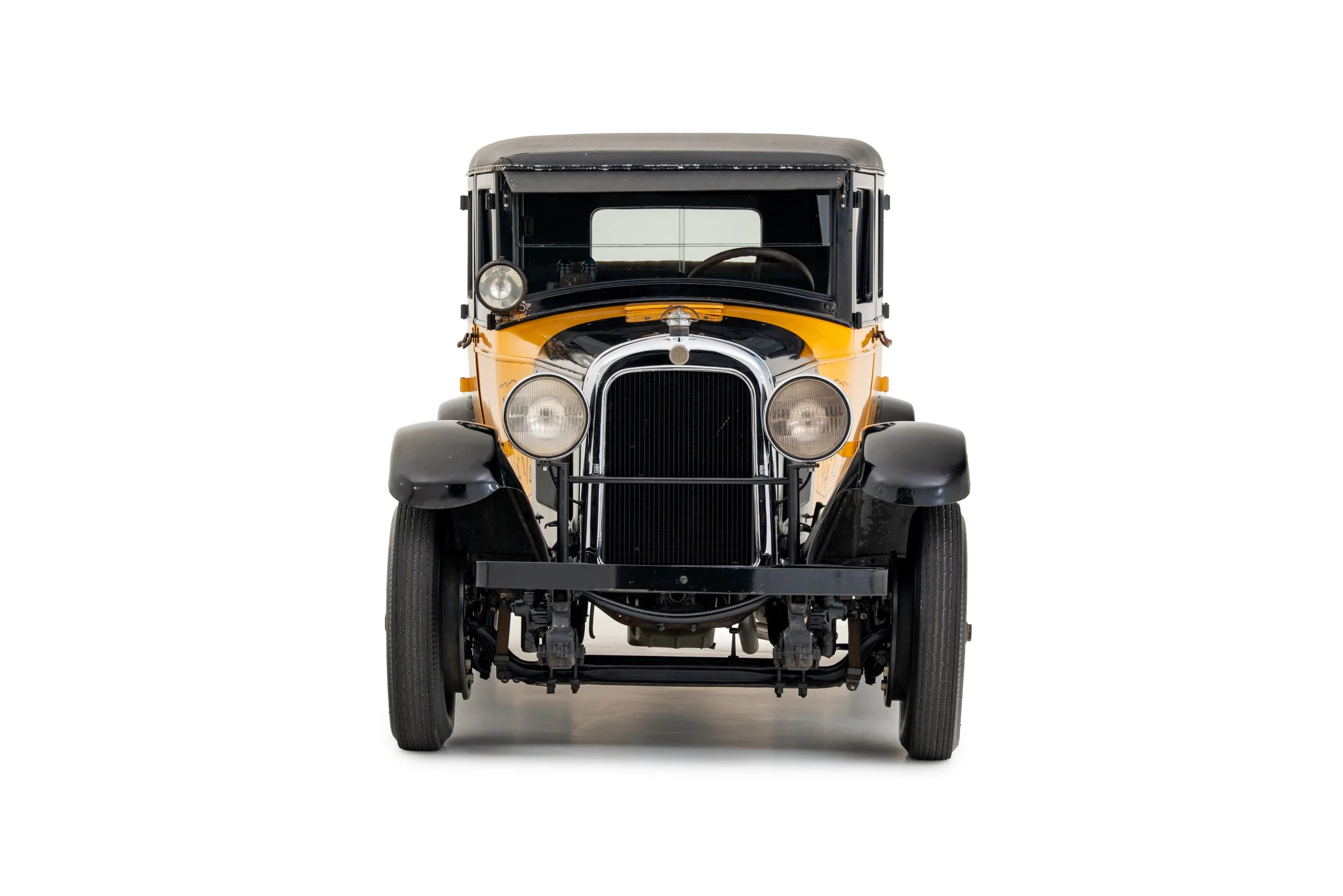 Image 2 of 24
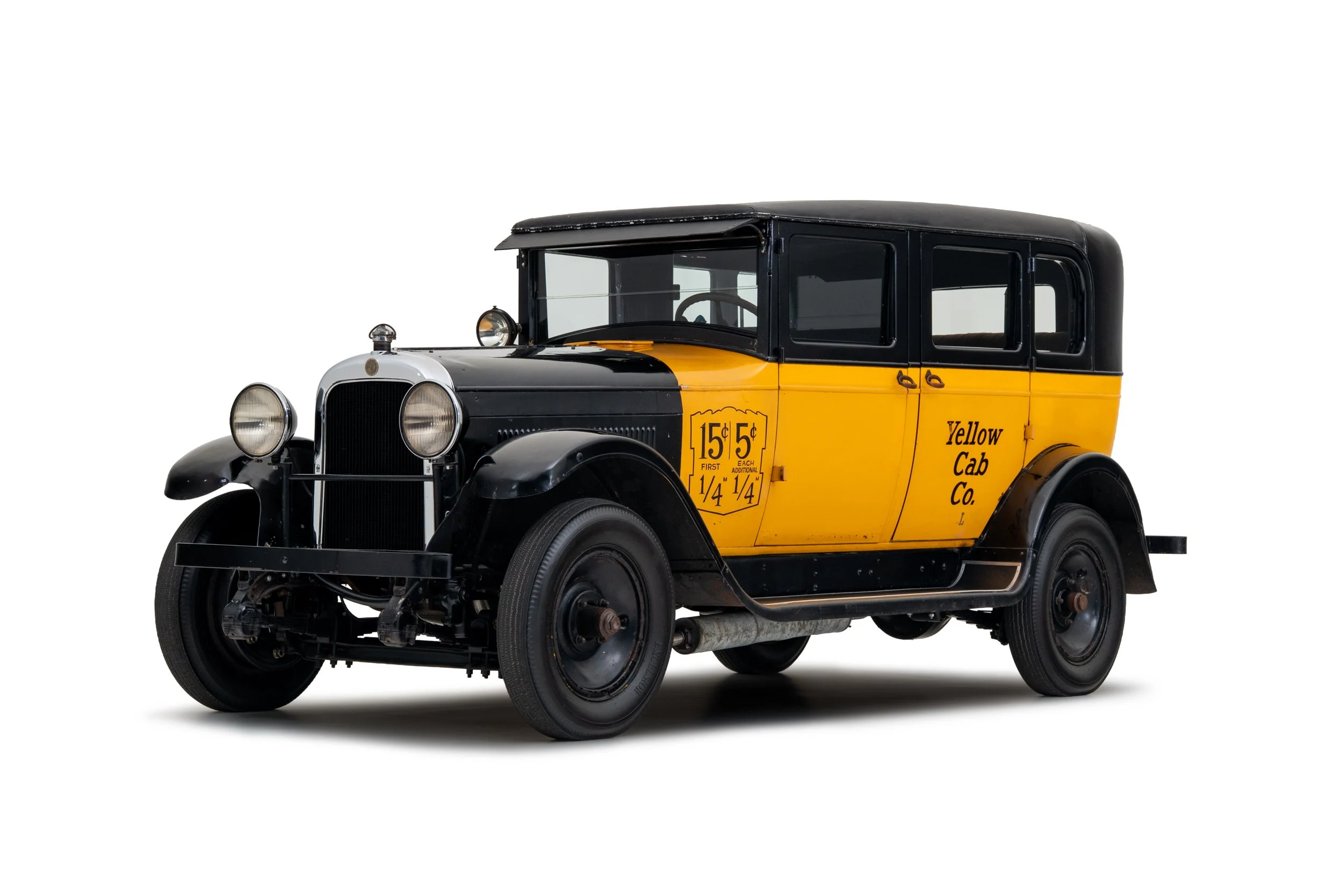 Image 3 of 24
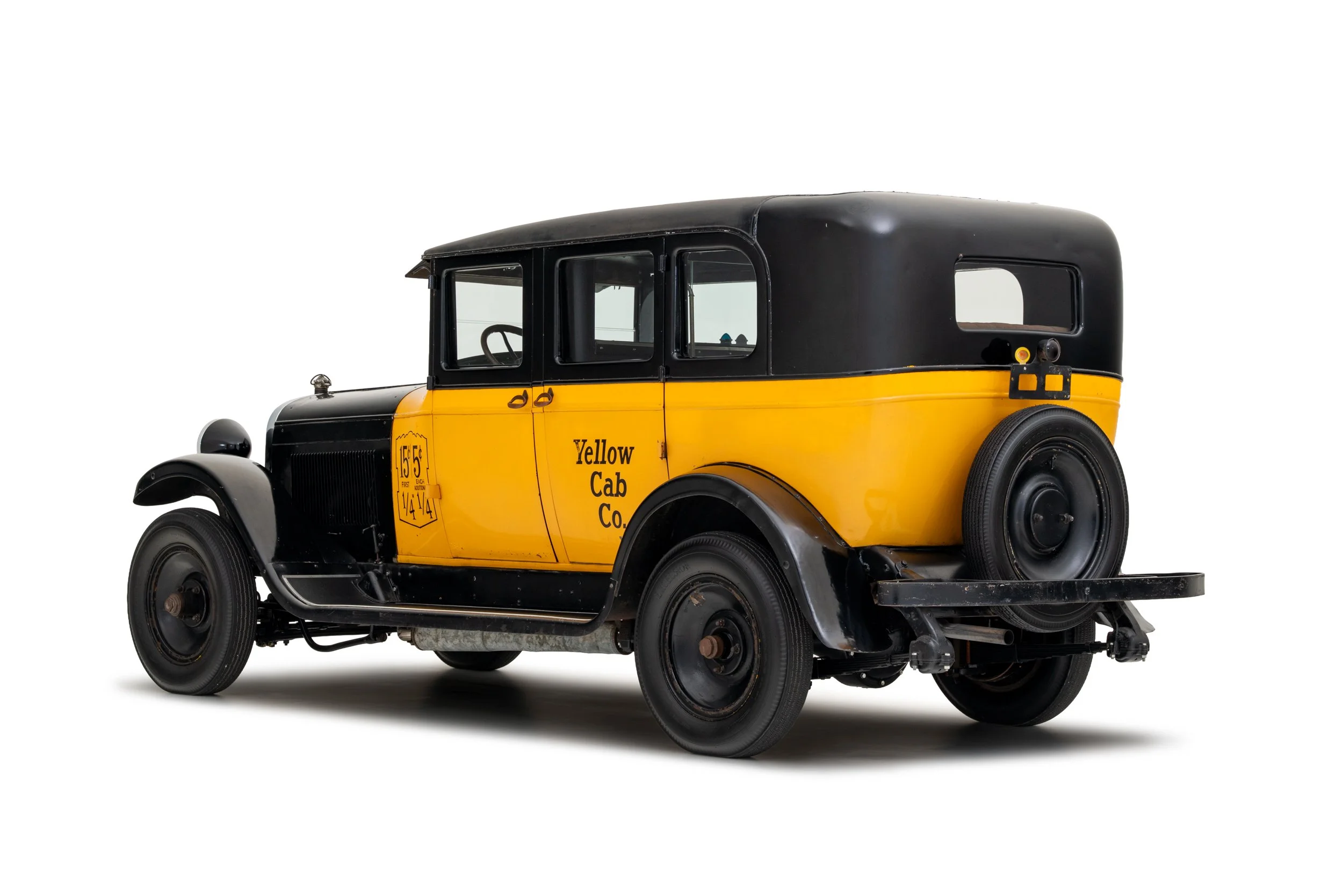 Image 4 of 24
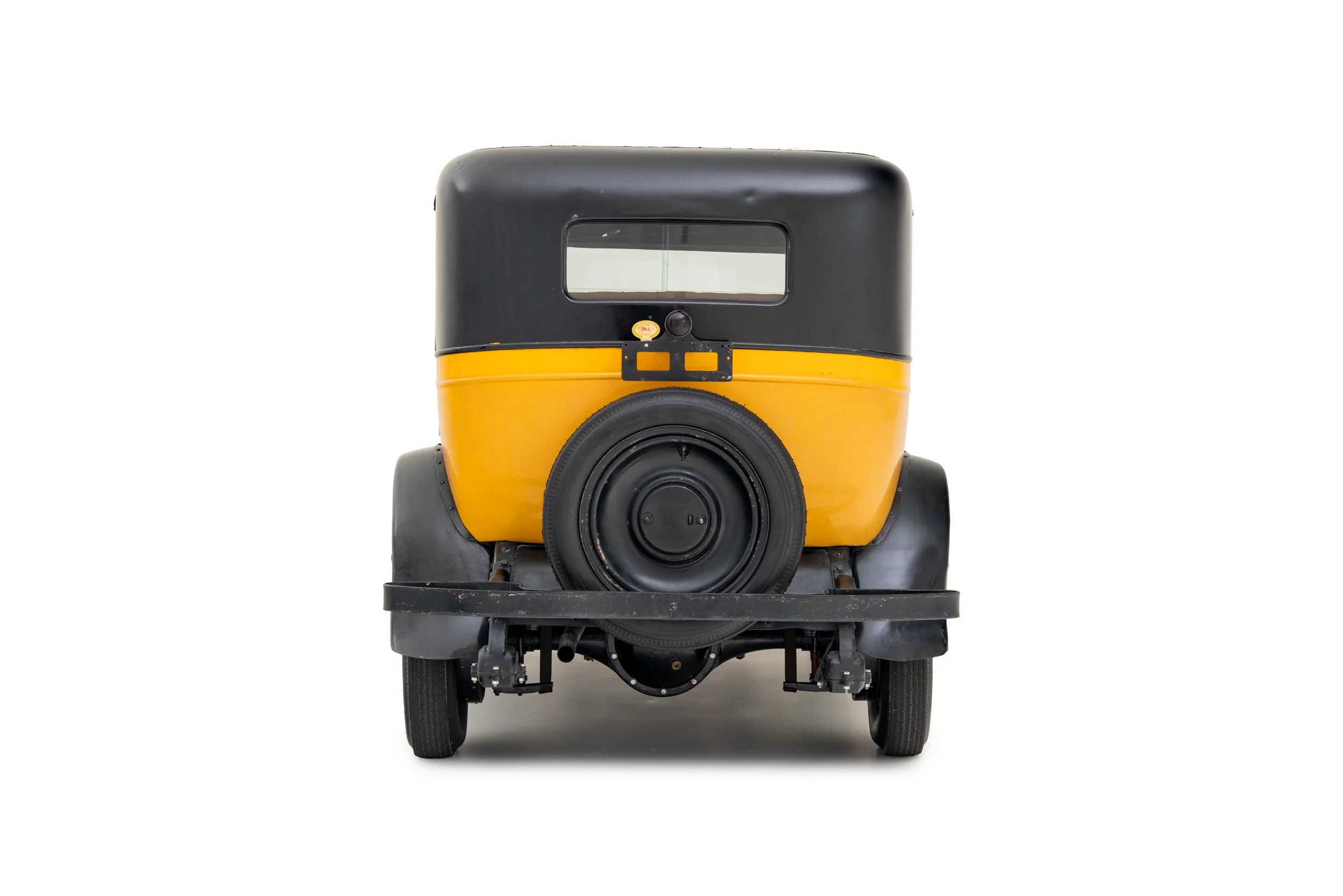 Image 5 of 24
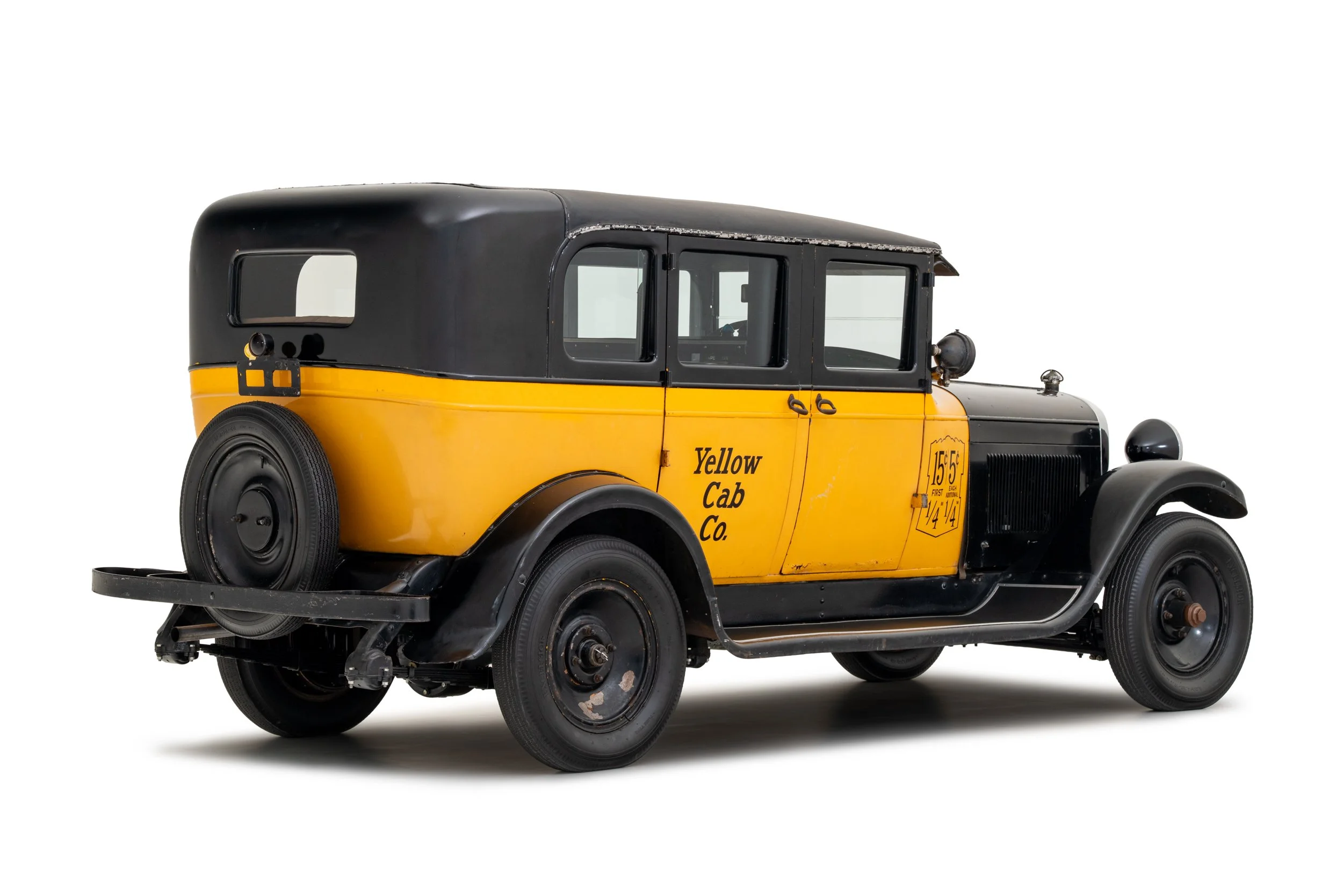 Image 6 of 24
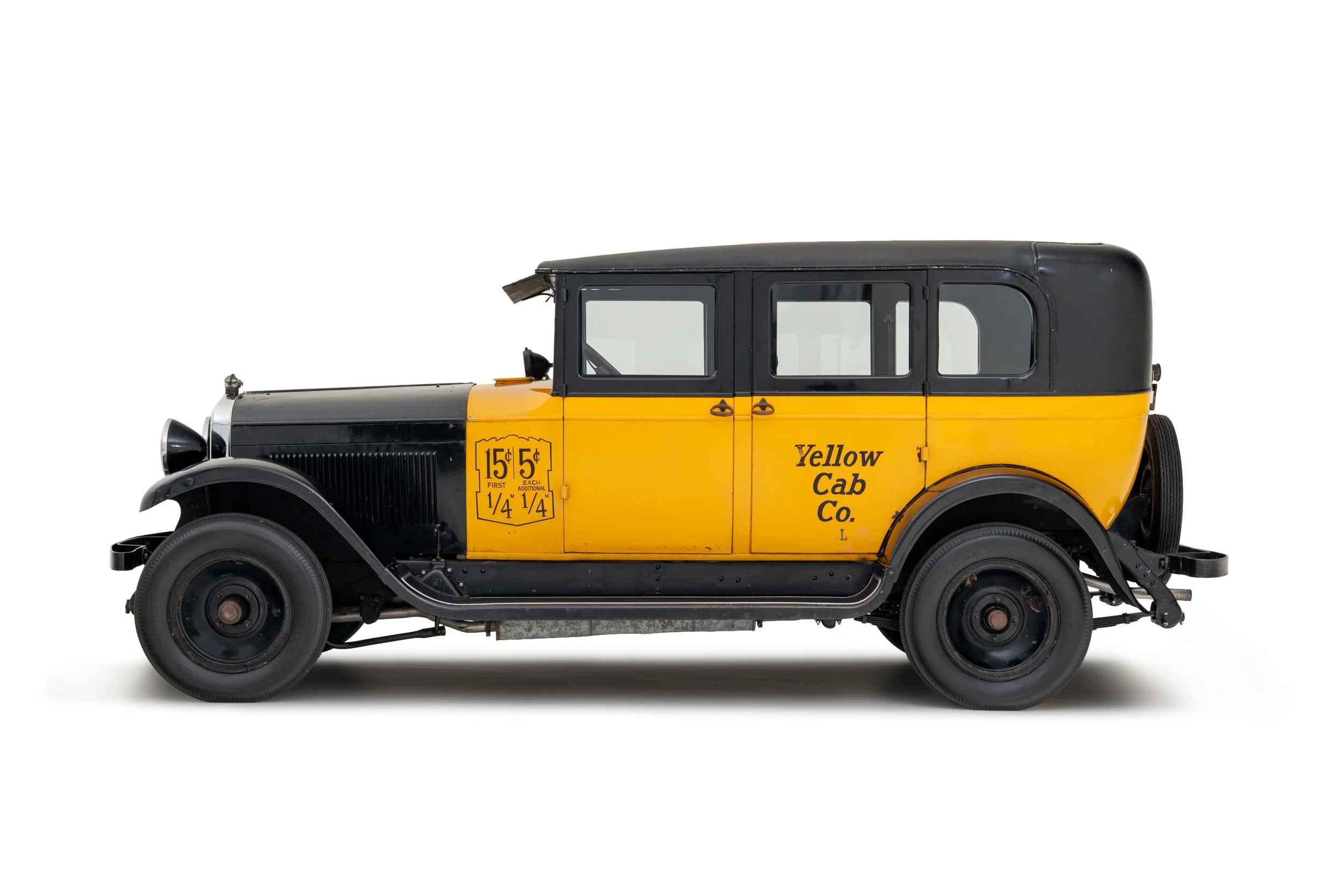 Image 7 of 24
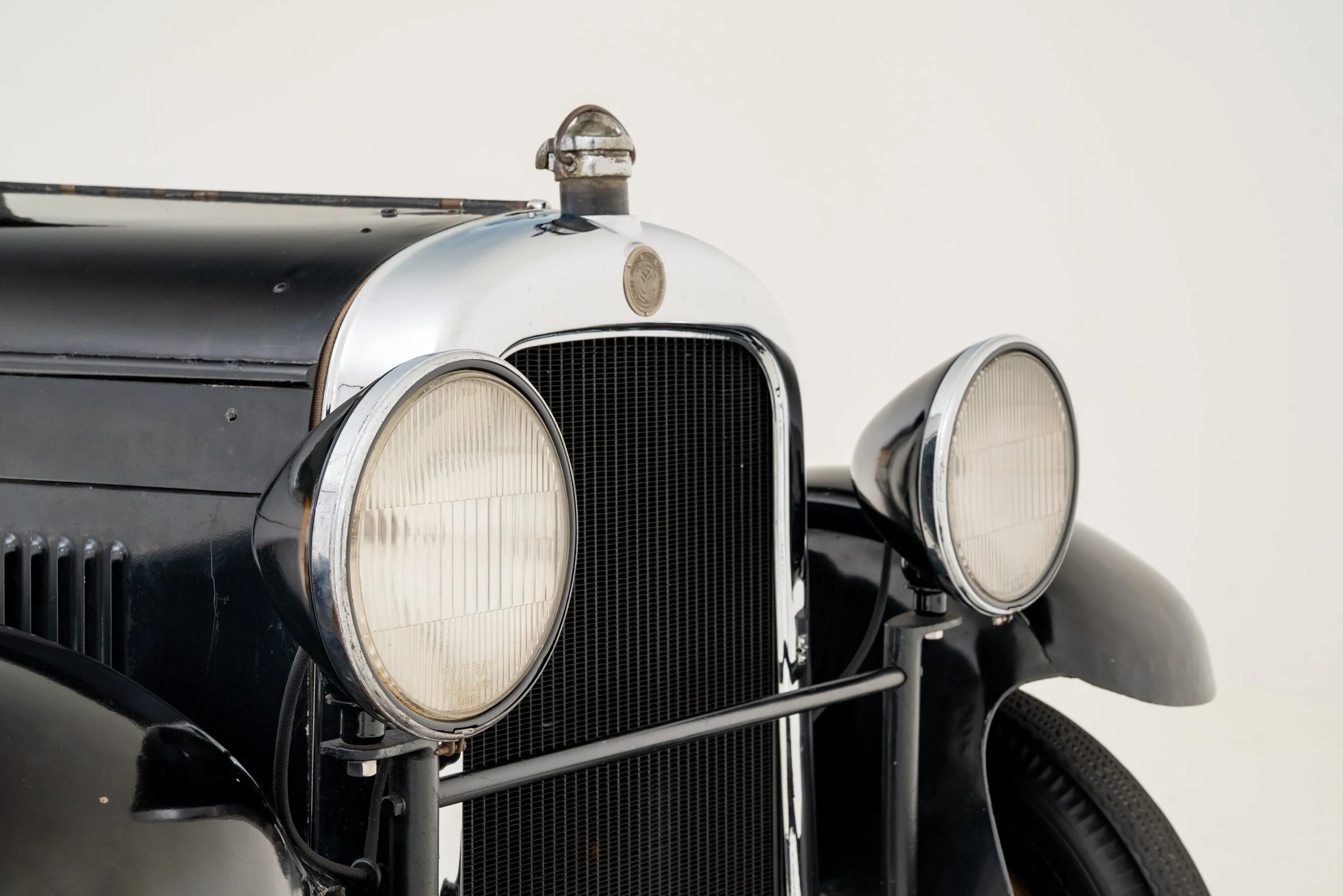 Image 8 of 24
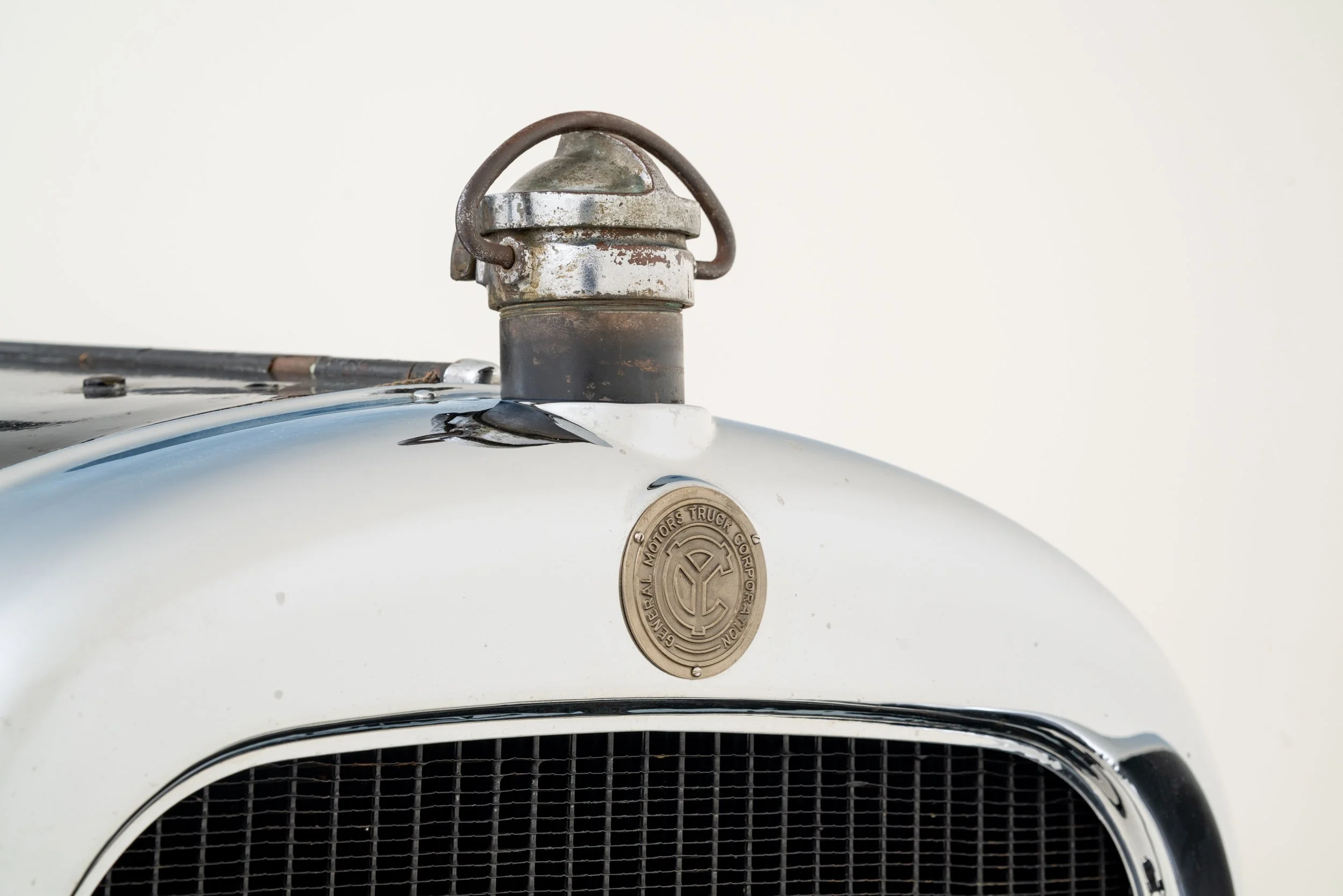 Image 9 of 24
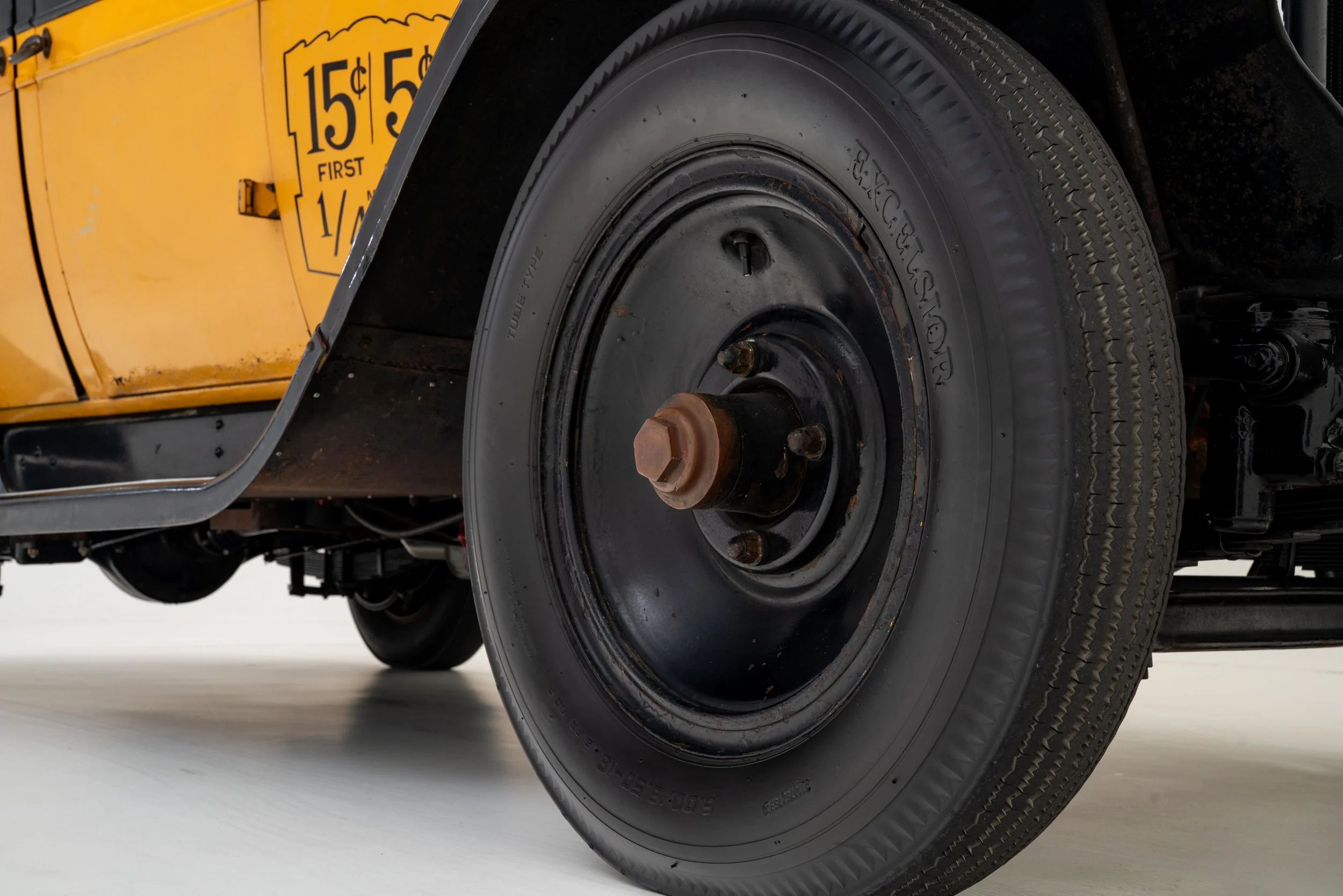 Image 10 of 24
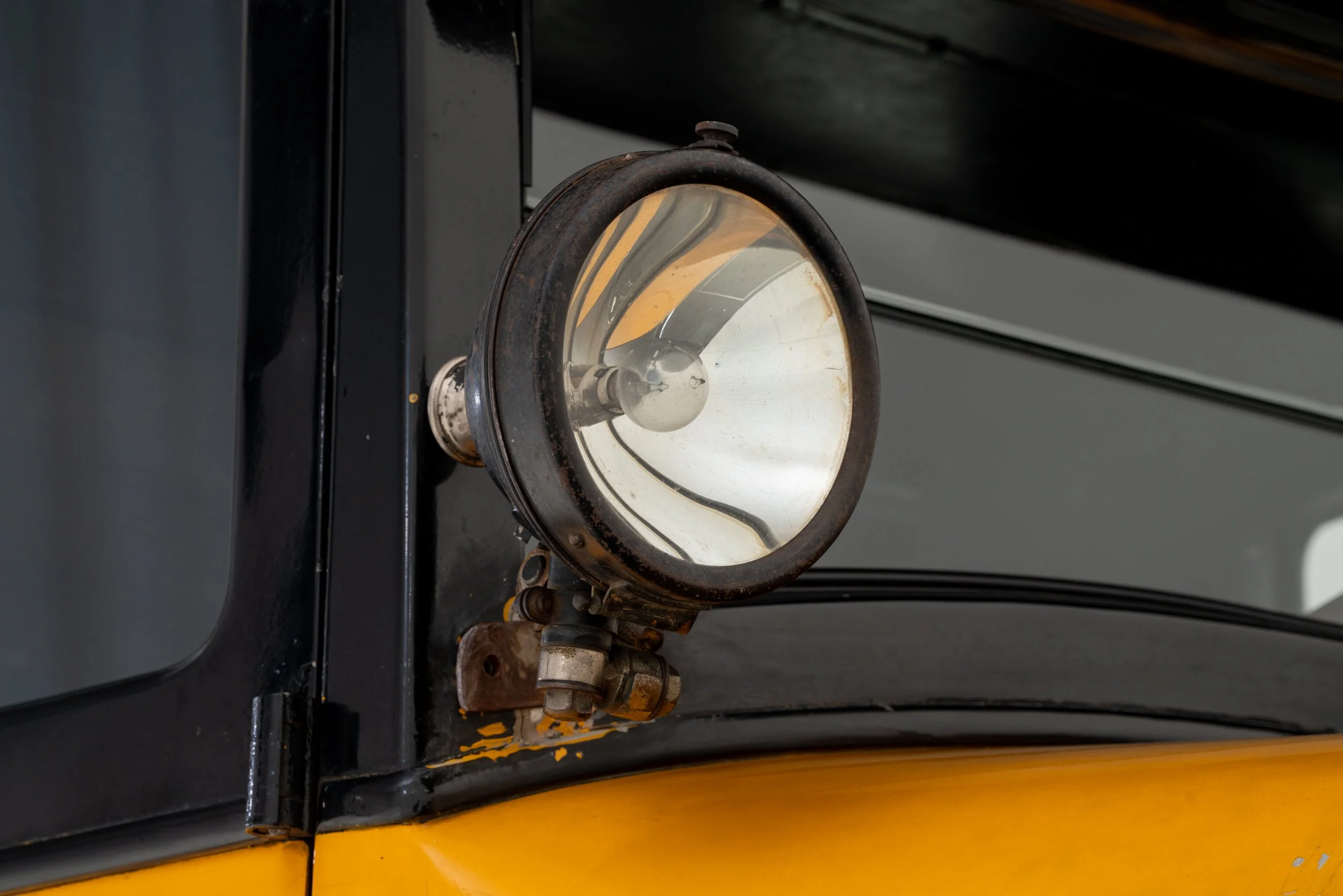 Image 11 of 24
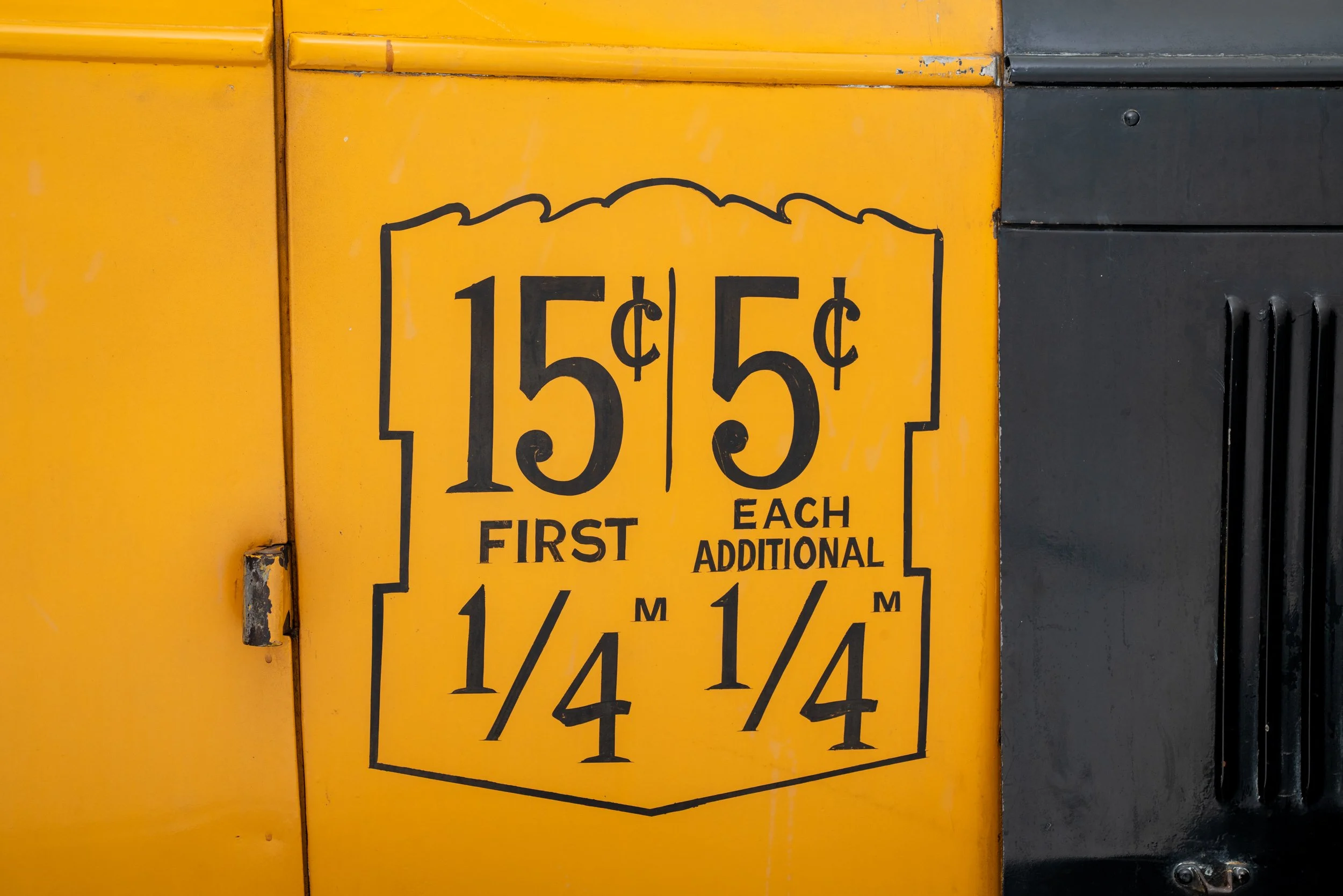 Image 12 of 24
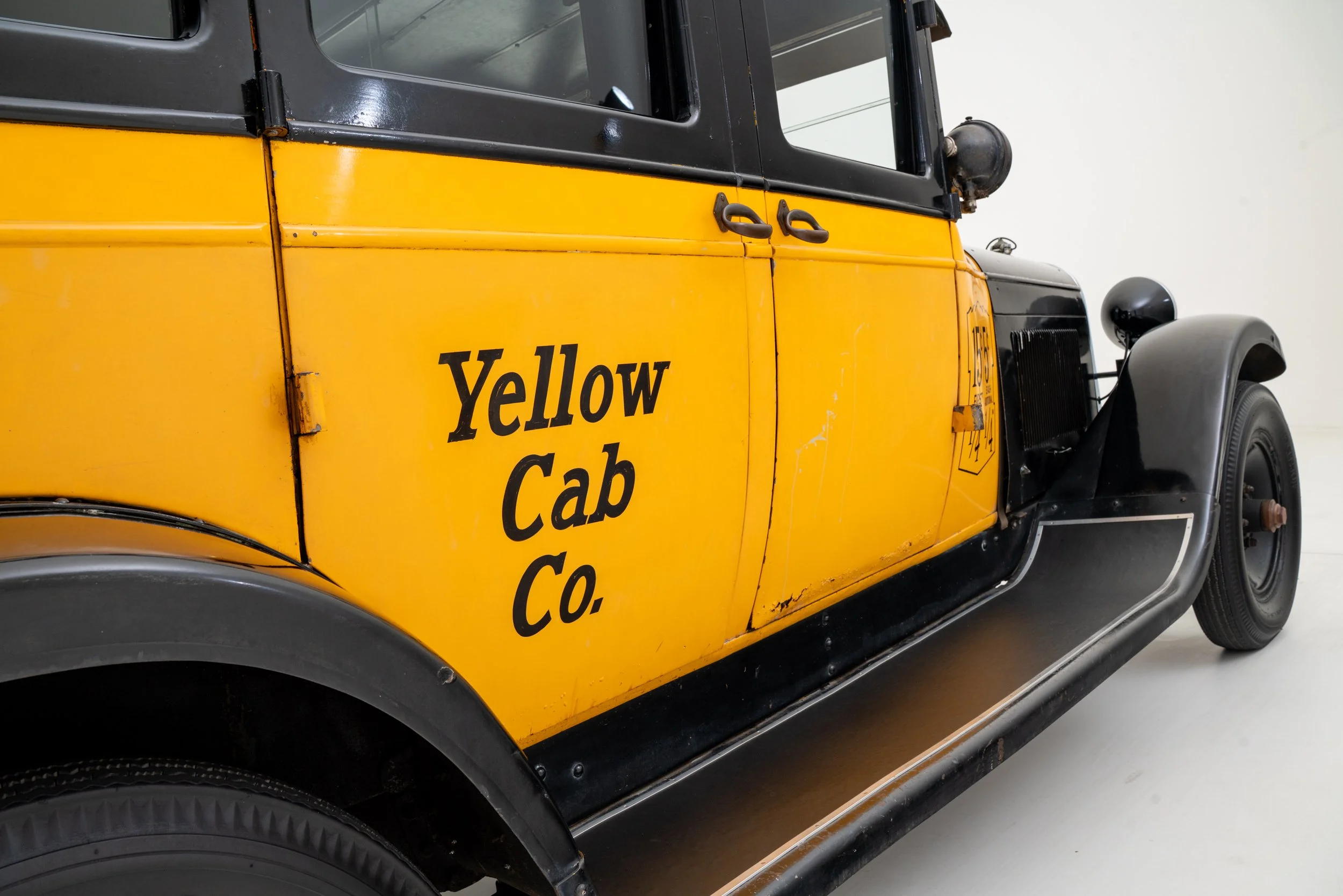 Image 13 of 24
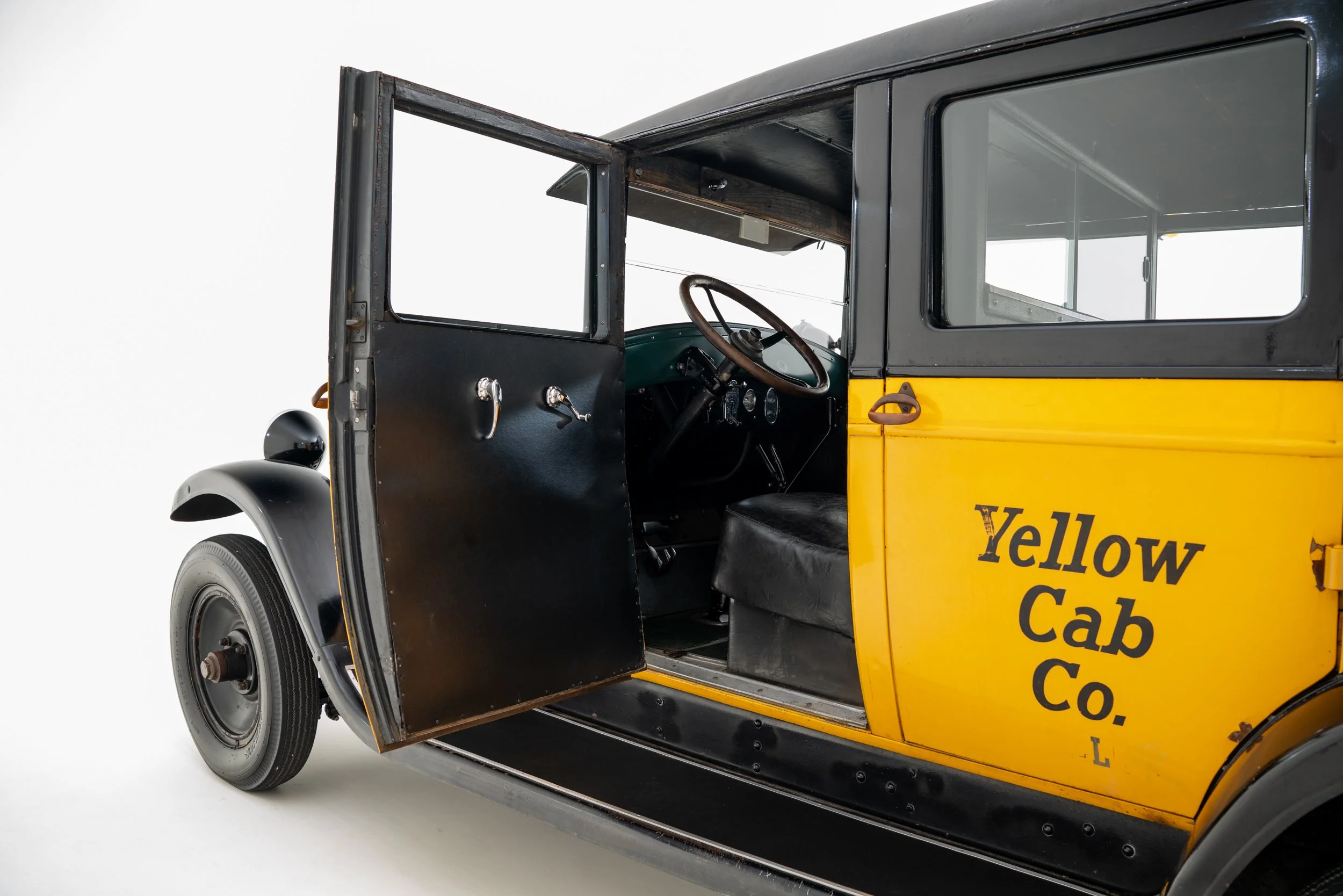 Image 14 of 24
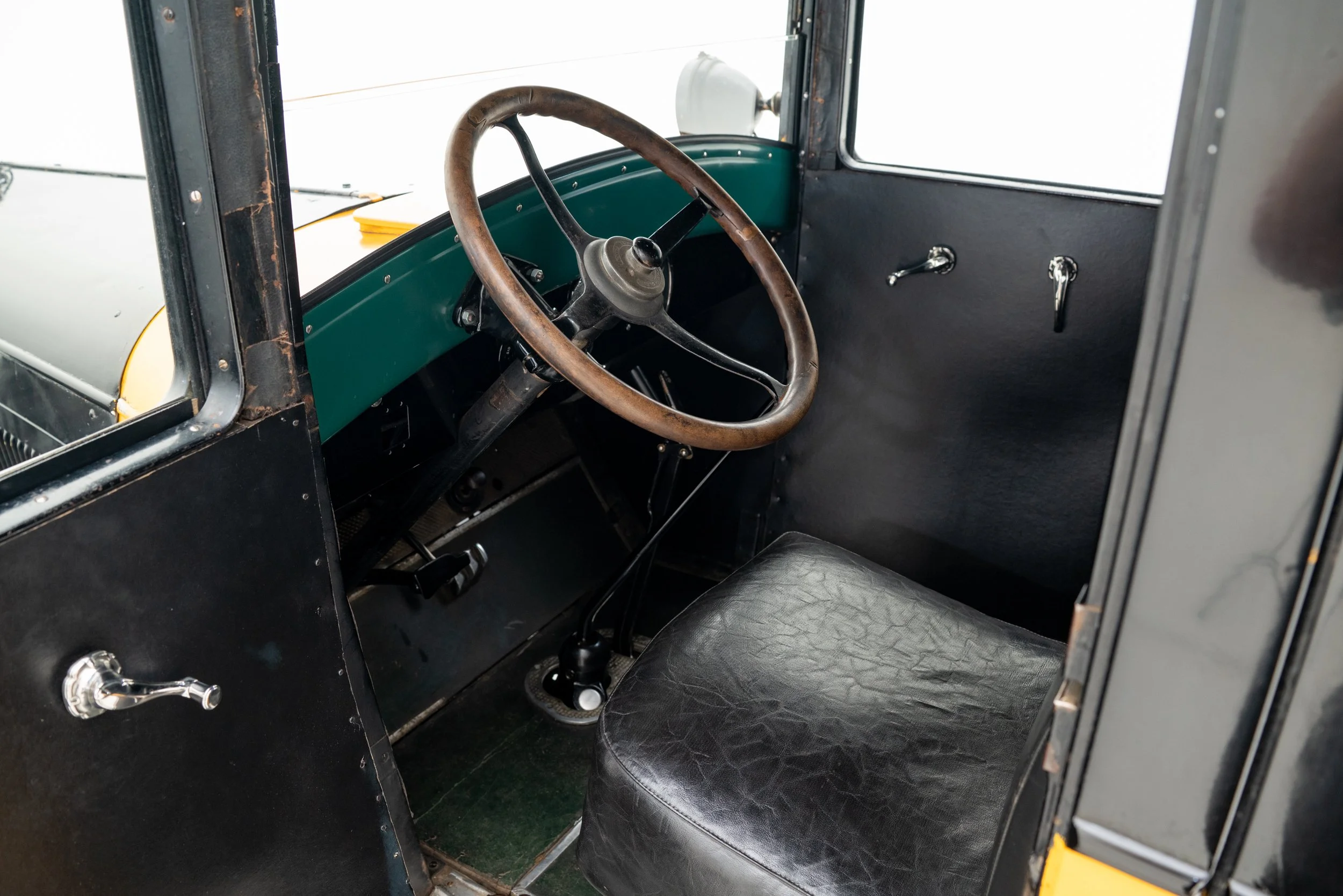 Image 15 of 24
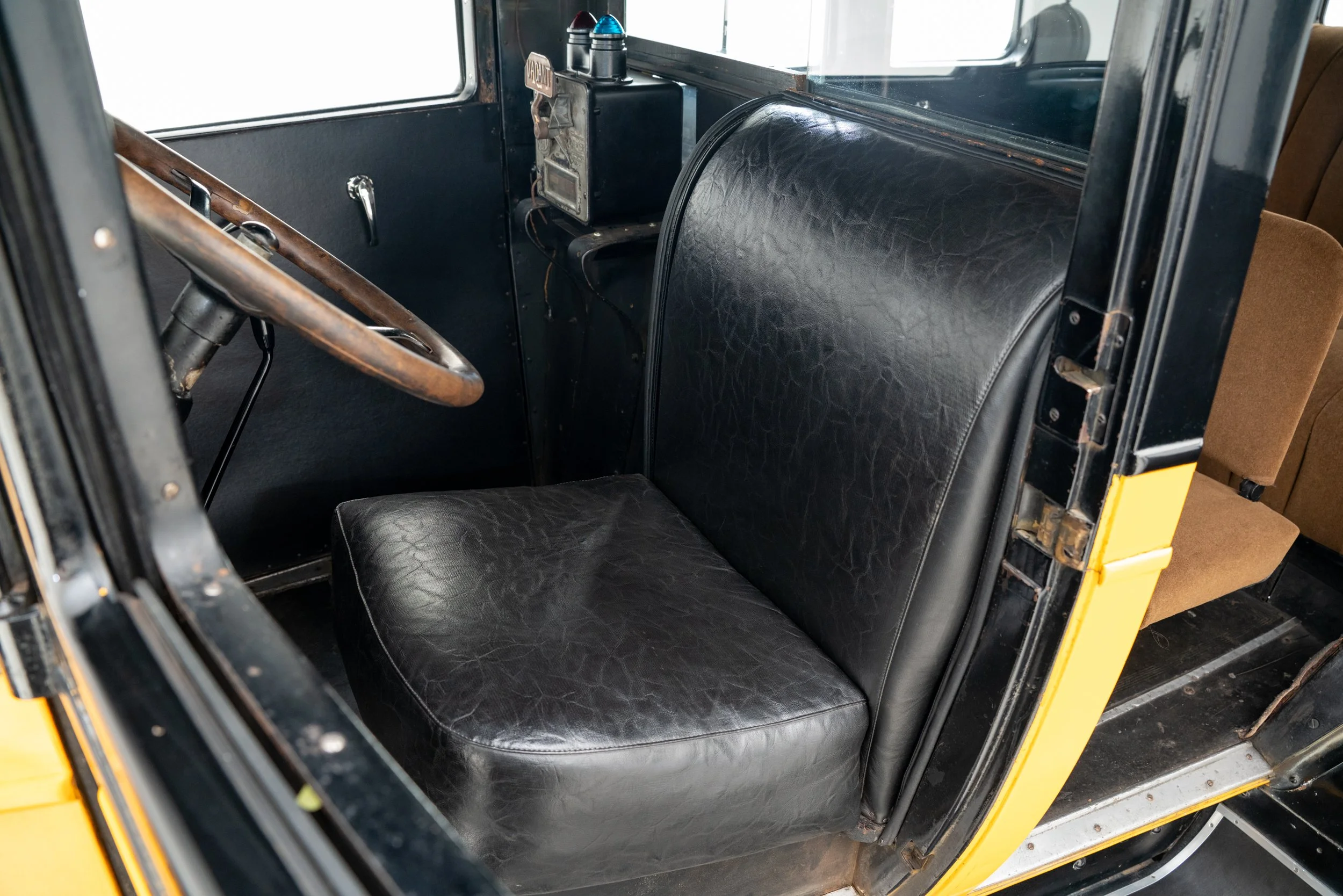 Image 16 of 24
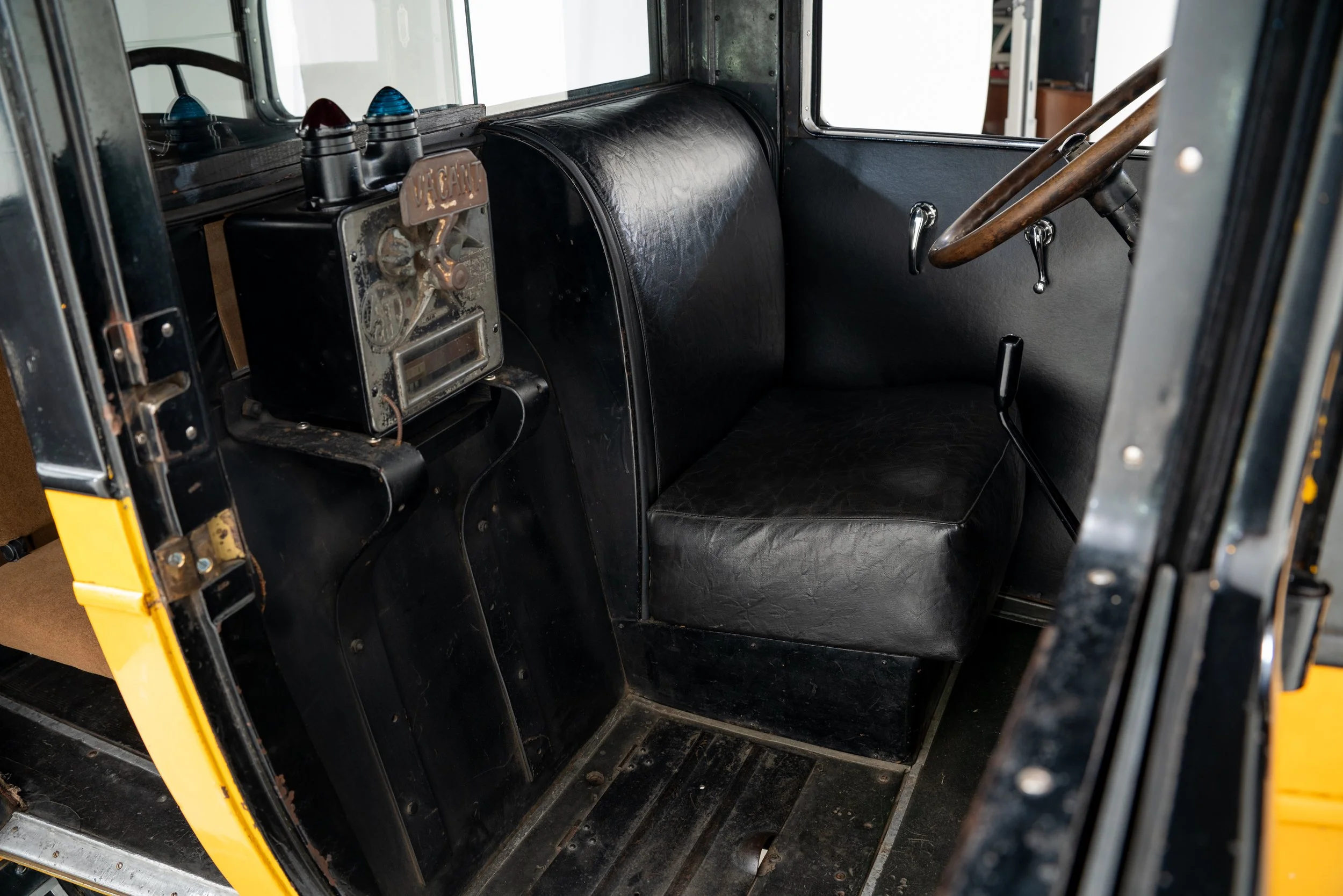 Image 17 of 24
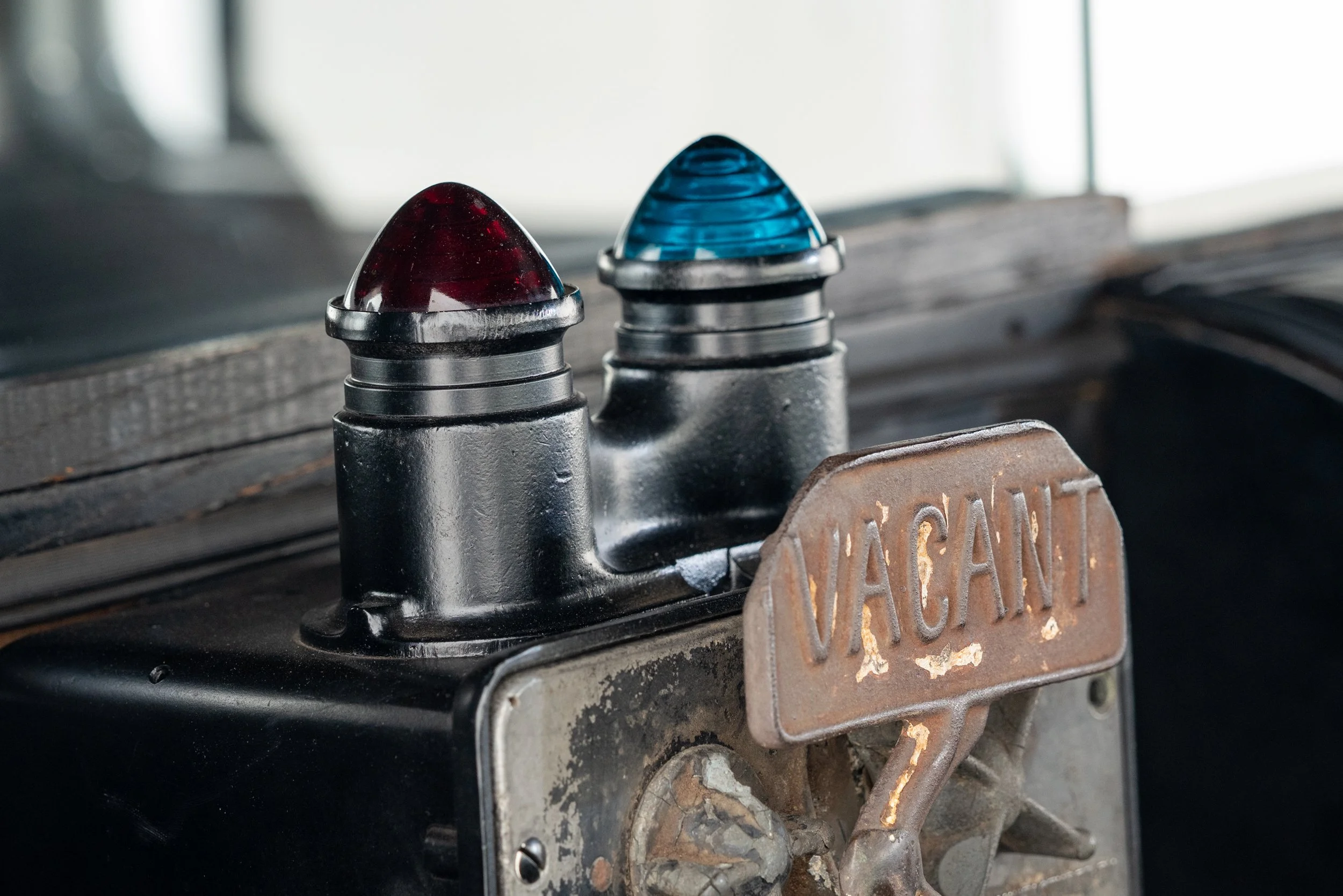 Image 18 of 24
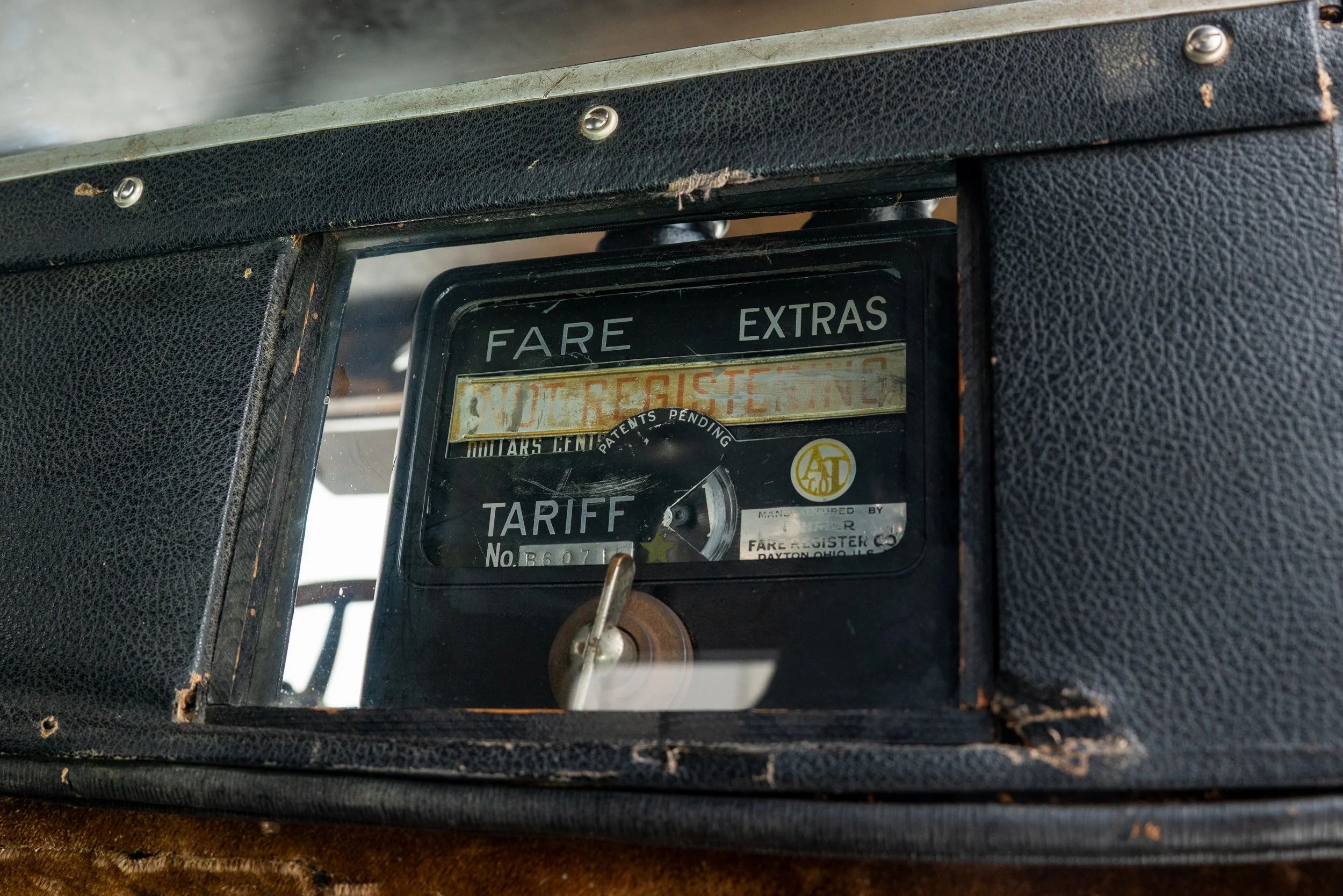 Image 19 of 24
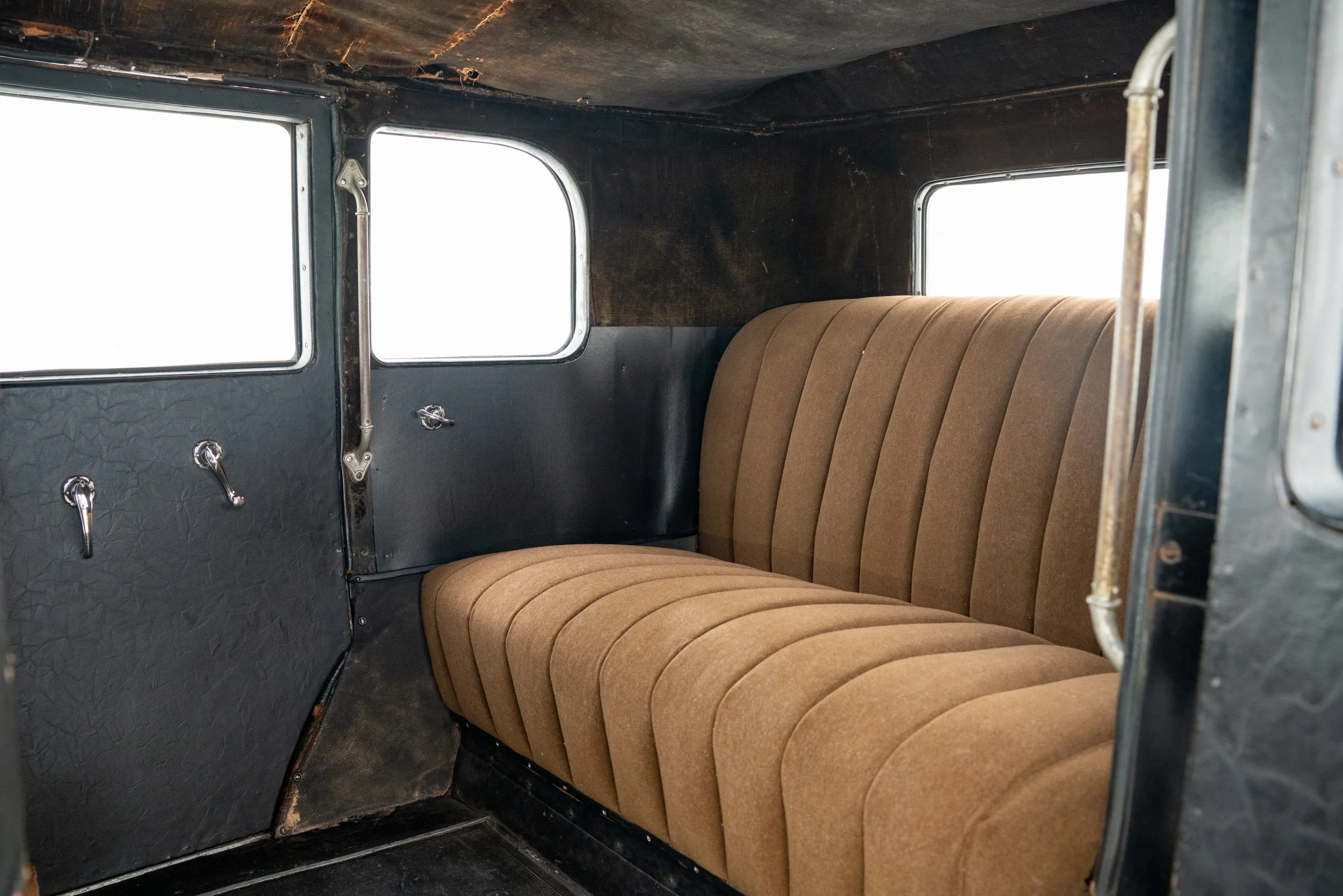 Image 20 of 24
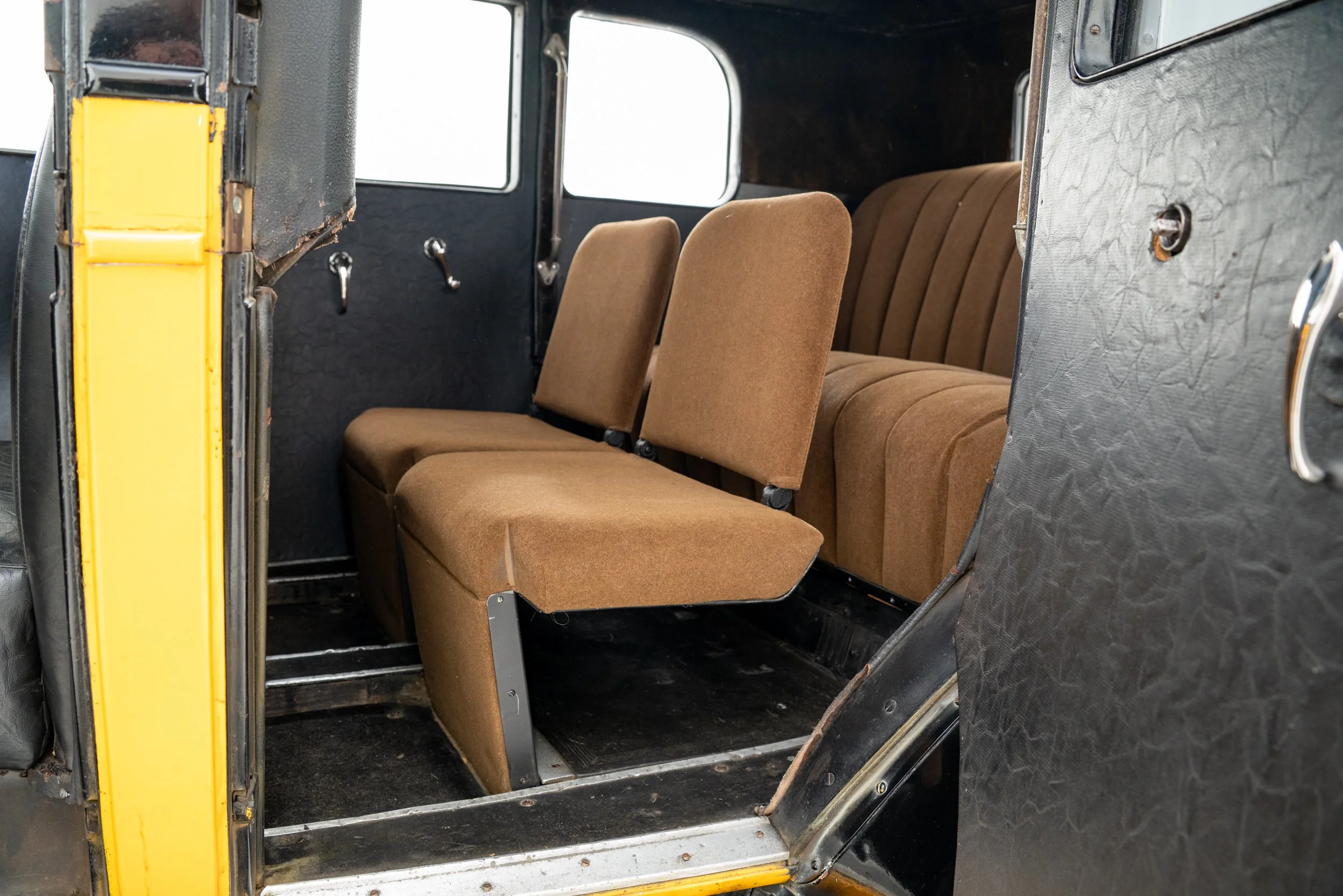 Image 21 of 24
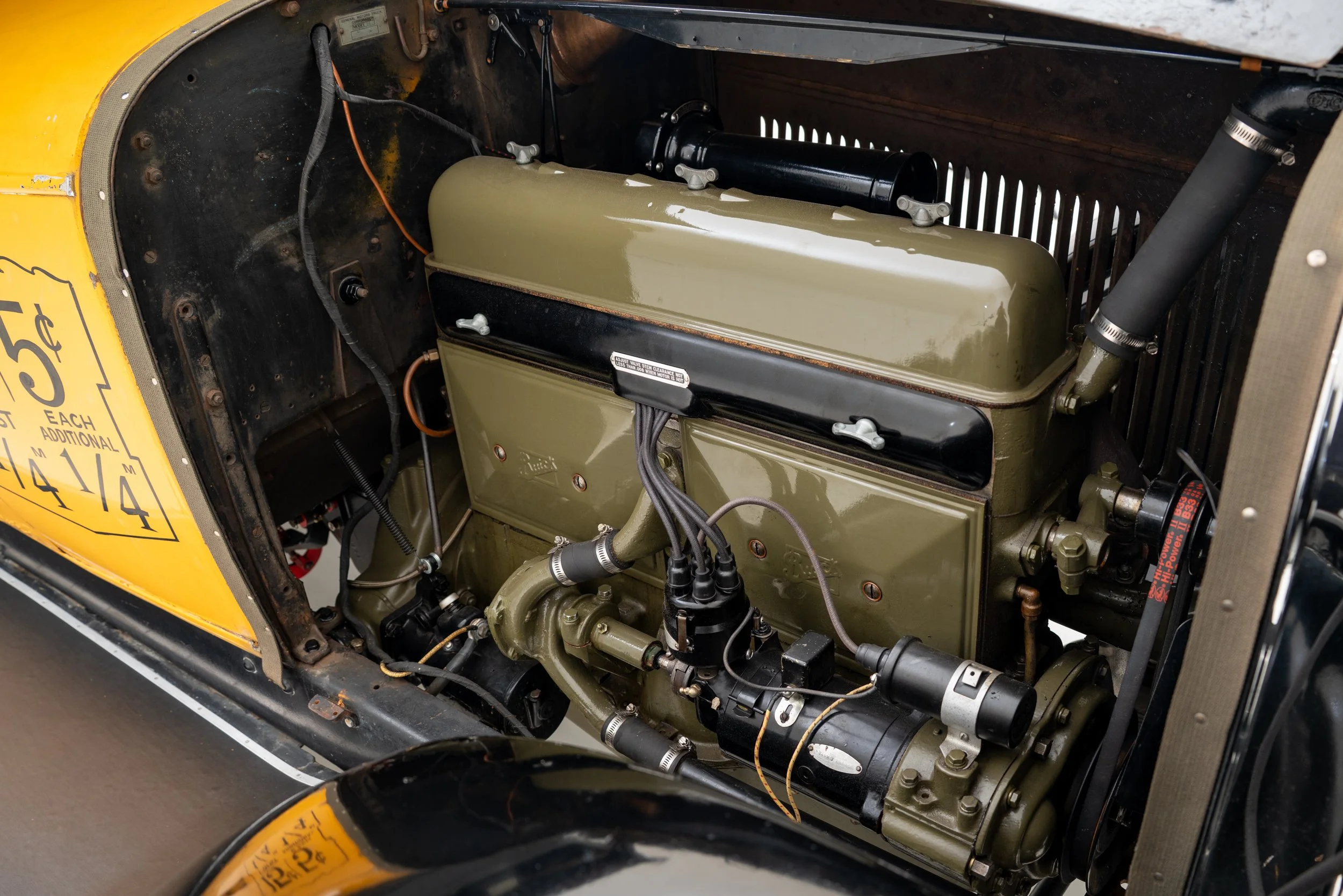 Image 22 of 24
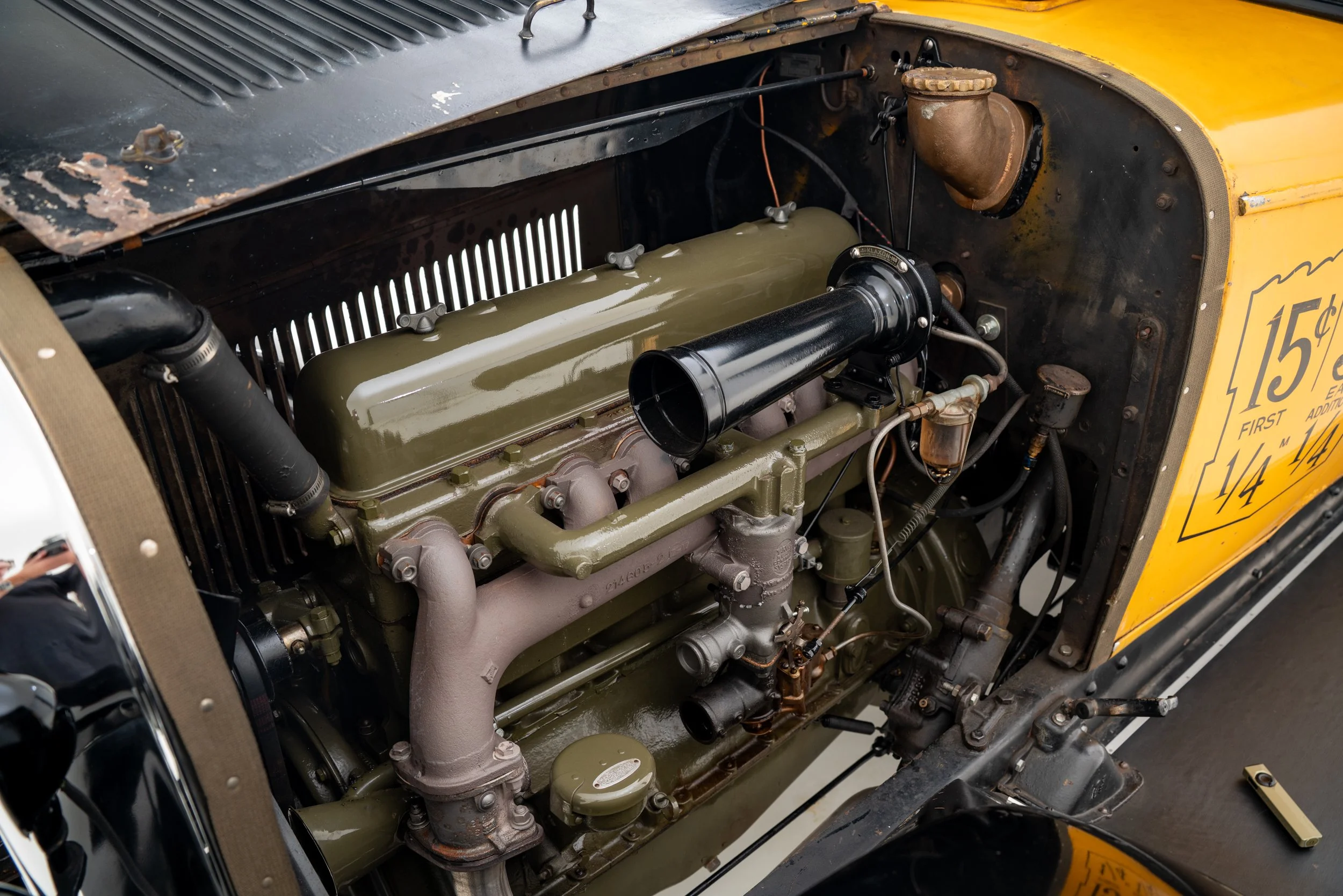 Image 23 of 24
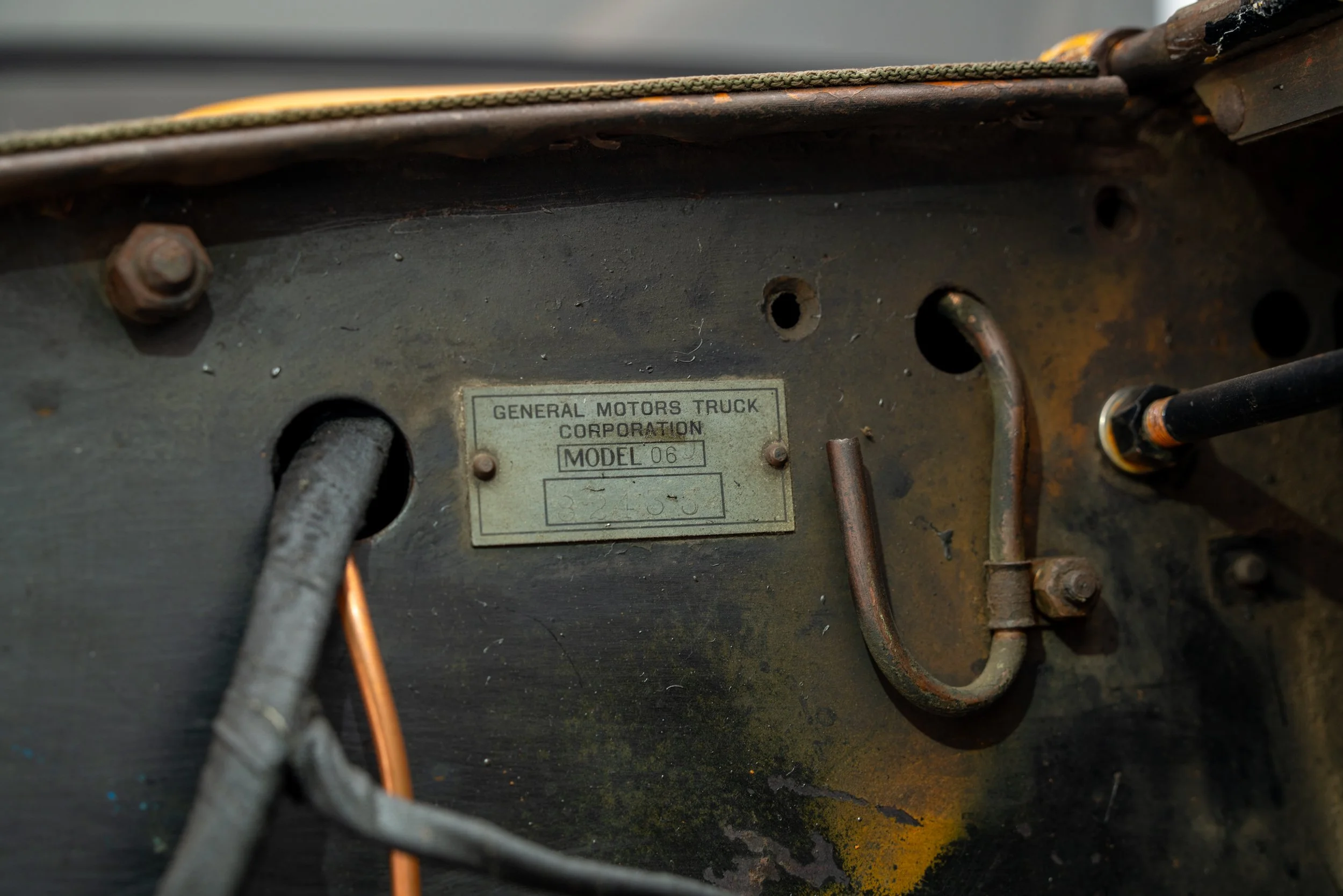 Image 24 of 24
-
When William “Billy” Durant was building General Motors in the first decade of the 20th Century he acquired a sprawling list of automobile and truck manufacturers. In 1911, it was decided to combine two of the truck brands, Reliance Motor Car Company, acquired in 1908, and the Rapid Motor Vehicle Company, acquired in 1909. Both of these companies produced commercial trucks and the combination of them was the basis for GMC, General Motors Company Trucks, in 1912. GMC quickly distinguished itself by building durable trucks and they would cement this reputation by providing 8,512 trucks to the military in World War I.
The taxi business was cutthroat in the 1920s. The two big taxi companies literally fought a war for control of the taxi business in big cities, especially Chicago. Yellow Taxi Company produced their own cabs while their main rival, Checker Cab Company eventually produced their own. John Hertz, owner of Yellow, had other business interests and was tired of the violence plaguing the industry. In 1925, GM purchased a controlling interest in the Yellow Coach Manufacturing Company, the manufacturing arm of the Yellow Taxi Company, from Hertz. This marked GM’s entry into the bus and taxi business. This affiliated subsidiary of GM headquartered in Pontiac, MI, would welcome GMC to its headquarters in 1928.
Beginning in 1920, GMC would adopt the practice of their light trucks being variants of Chevrolet trucks. The difference early on was that Chevrolet was marketed toward private customers while GMC focused on the commercial market. Yet, GMC did not utilize Chevrolet power trains at this time. By 1928, GMC was offering a Pontiac straight-six engine for the light - medium duty vehicles, Buick inline-six for the medium to low heavy duty vehicles and GMC’s own “Standard Big Brute” inline-six for the heaviest duty applications.
GMC didn’t actually produce a dedicated line of taxis. Yellow Coach produced the taxis on GMC chassis and drivelines. Consequently, GMC T-11 chassis with a ½ ton capacity and T-19 chassis with a ¾ ton capacity, each powered by Pontiac engines, and the T-20 chassis of 1 ton capacity powered by a Buick engine, were the basis for most of the Yellow taxis from 1928-1932. GM tried to sell off the taxi manufacturing business to Checker during this time but Checker didn’t need the capacity and declined.
Oddly, when Checker declined to purchase the taxi manufacturing arm of Yellow Coach from GM, GM decided to double down on the taxi business. They started their own taxi company in New York City called Terminal Taxi and offered low price lease deals for new cabs to its drivers. This ultimately led to the second taxi war. GM would acquire the remainder of Yellow in 1943 and when combined with GMC would become the GM Truck & Coach division. GM foresaw the rise of bus service around the country and they desired more than ever to exit the taxi business in favor of buses. -
Coming Soon
-
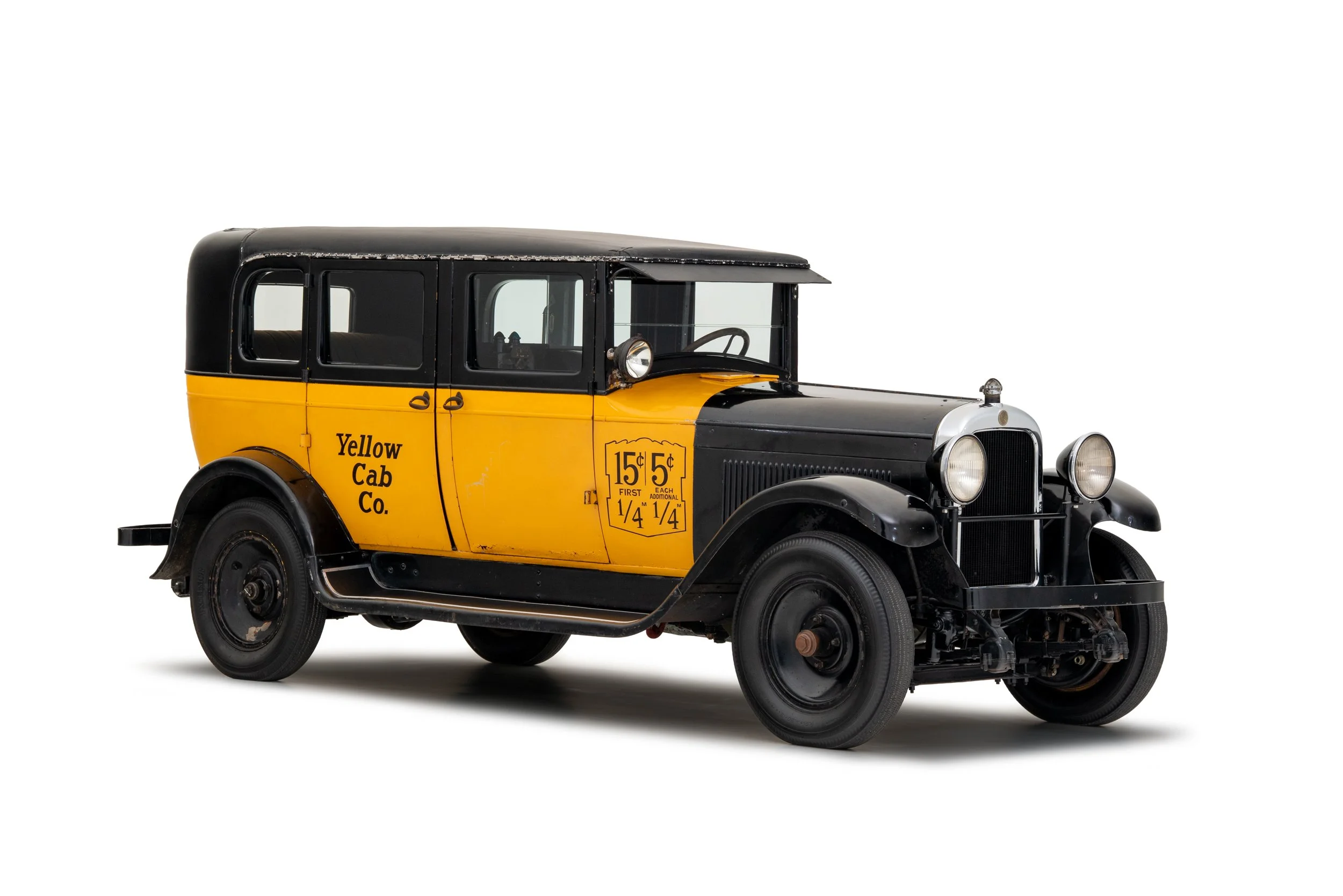
Perhaps the most well known and certainly most requested vehicle for loan from the NB Center is this 1930 Yellow Taxi. (GMC) This taxi is the very same one driven by the beloved cab driver Earnie in the 1946 Frank Capra classic movie, "It's a Wonderful Life" starring Jimmy Stewart and Donna Reed. The car features prominently in several scenes in the Christmas stalwart especially at the beginning and toward the end of the movie in the dream sequences.
Perhaps no surprise, the car was acquired by the NB Center in California. It was dismantled when it was found, ostensibly because a previous owner had the intention of restoration, but thankfully the restoration stalled after dismantling. The car was returned to Allentown, Pa and the restoration staff reassembled the car restoring the mechanicals as needed to make the car drivable but careful to preserve the original cosmetics.
The taxi does not wear the same paint scheme as it appeared in the movie. The car was owned by the studio or a prop house and was repainted for whatever production it was appearing in at the time. The paint on the taxi today is how it appeared in its last film, although we do not know what film that was.