
 Image 1 of 22
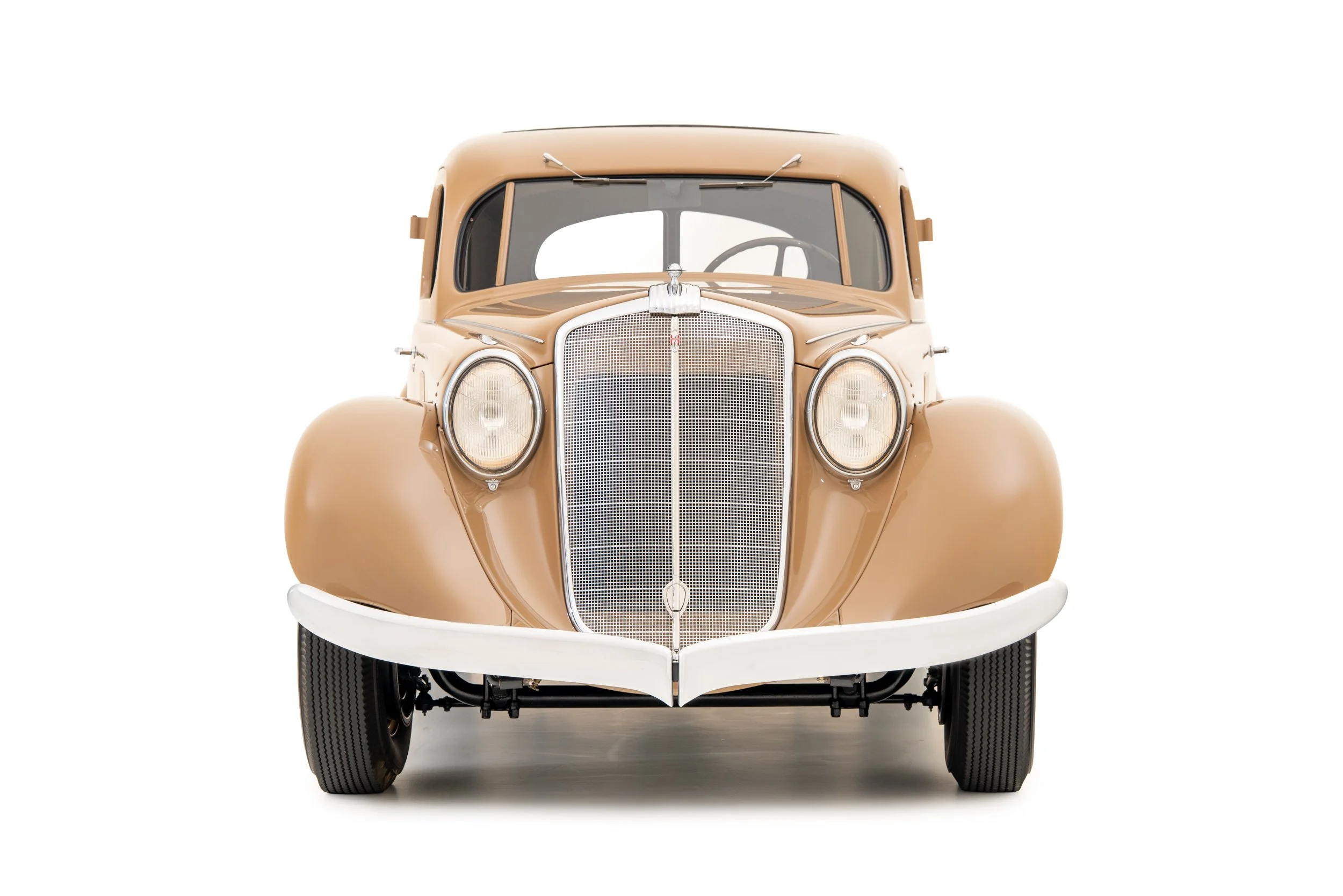 Image 2 of 22
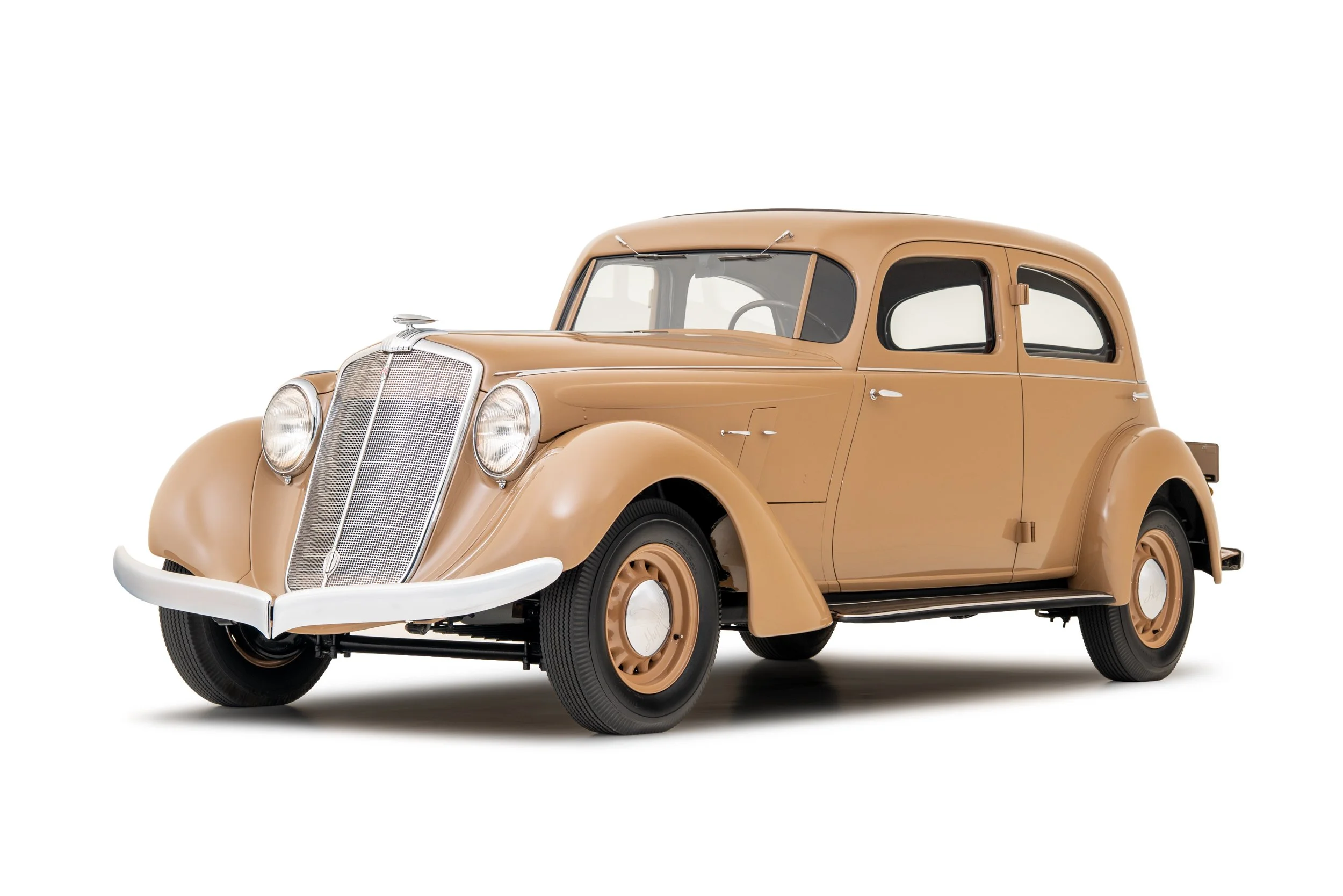 Image 3 of 22
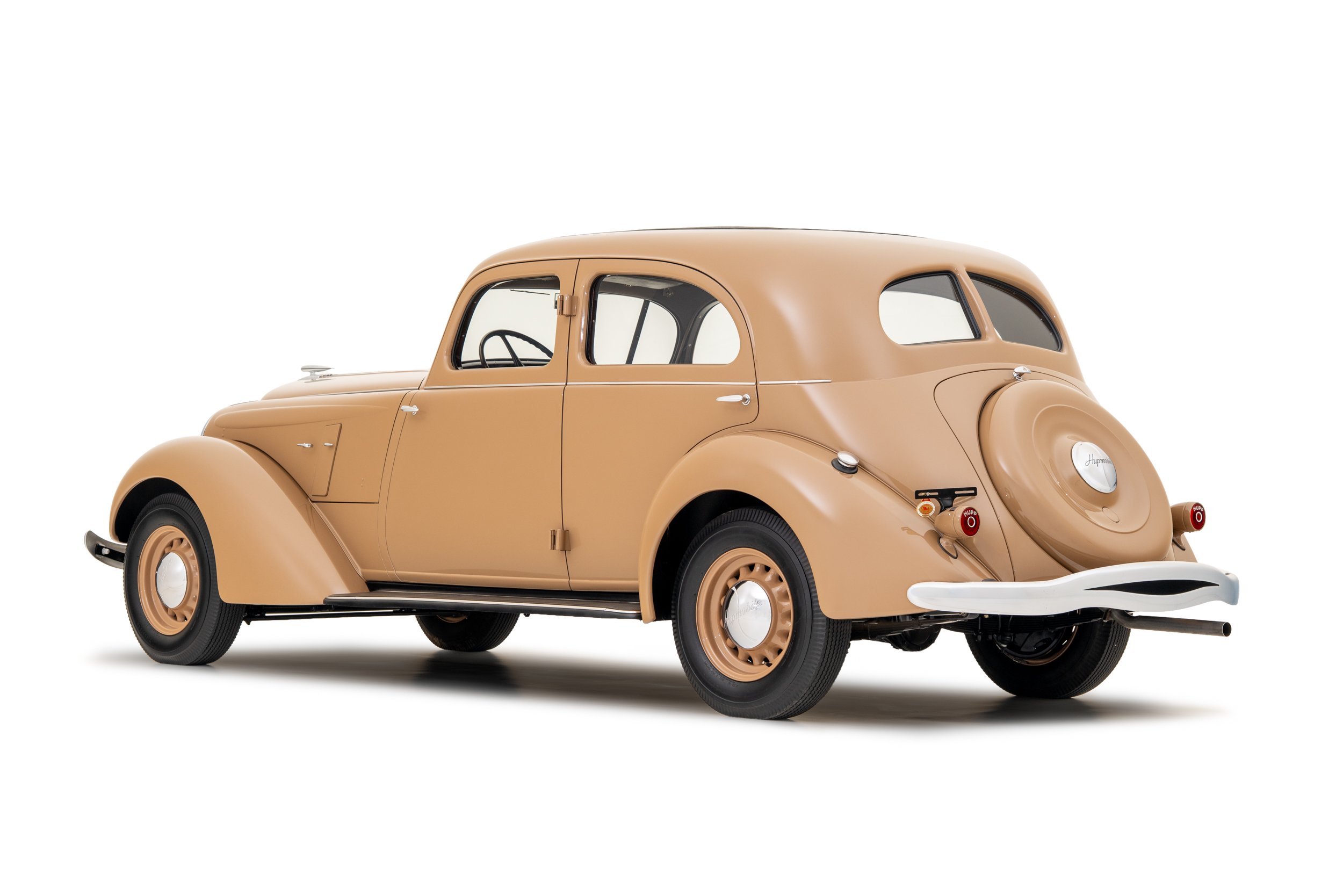 Image 4 of 22
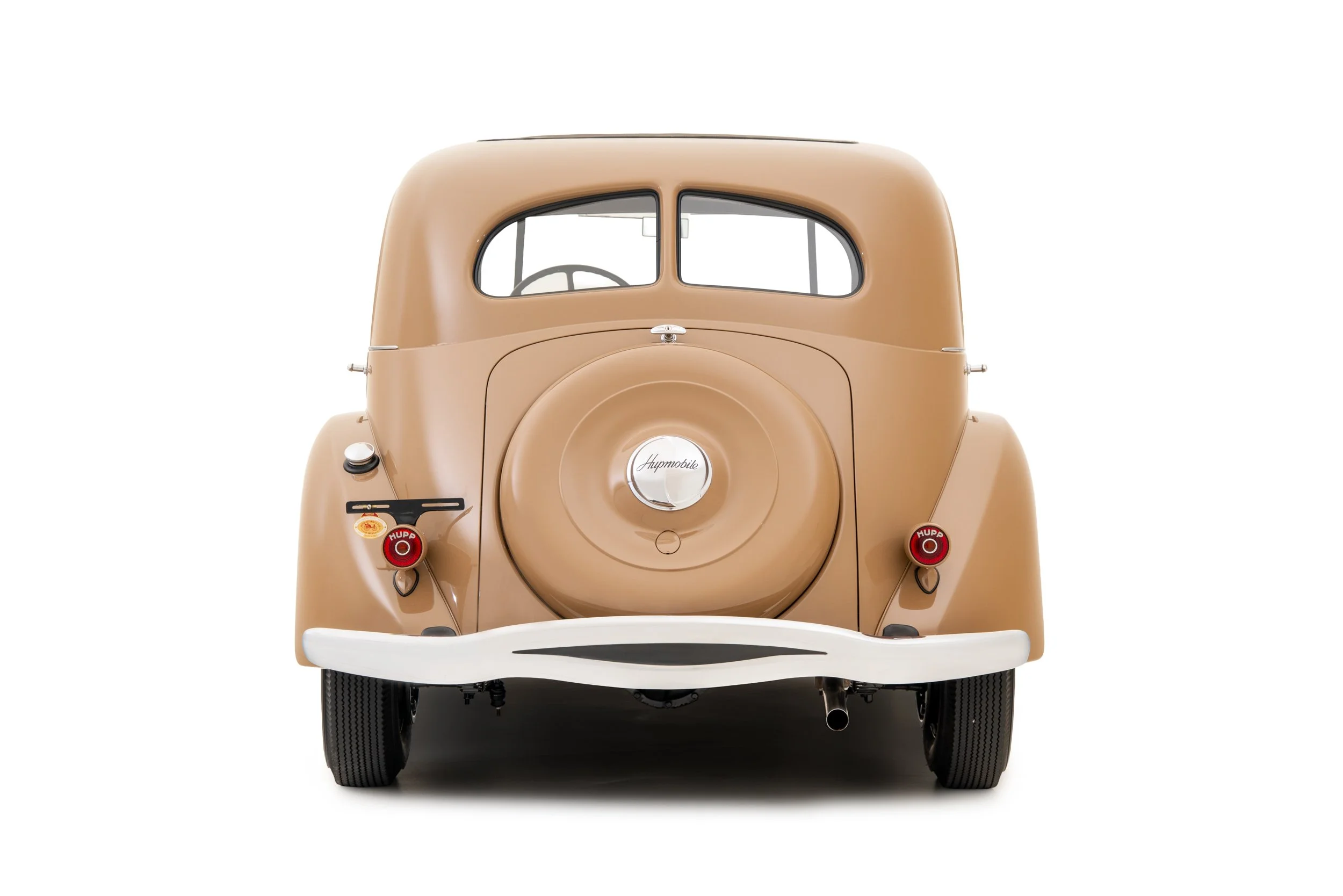 Image 5 of 22
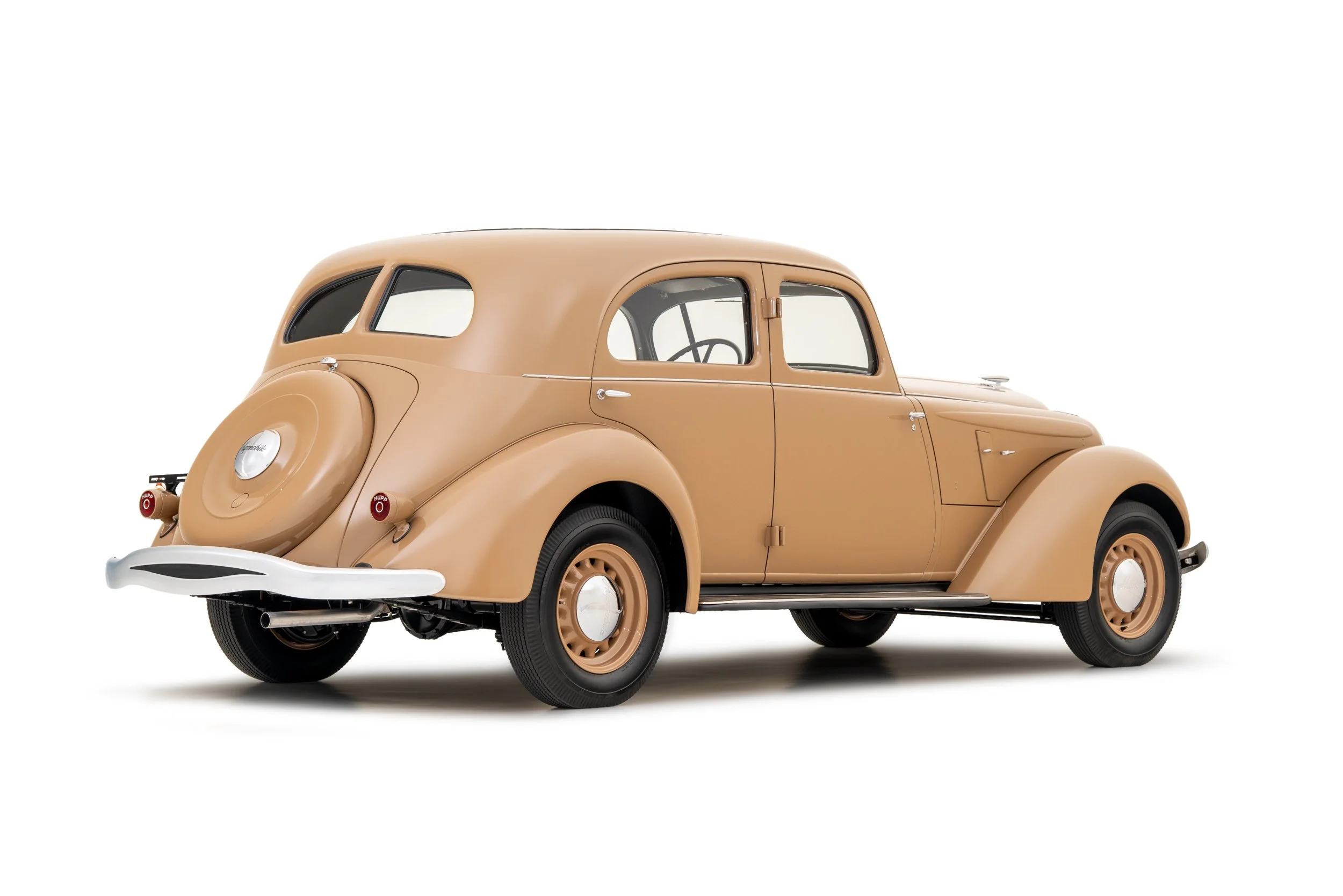 Image 6 of 22
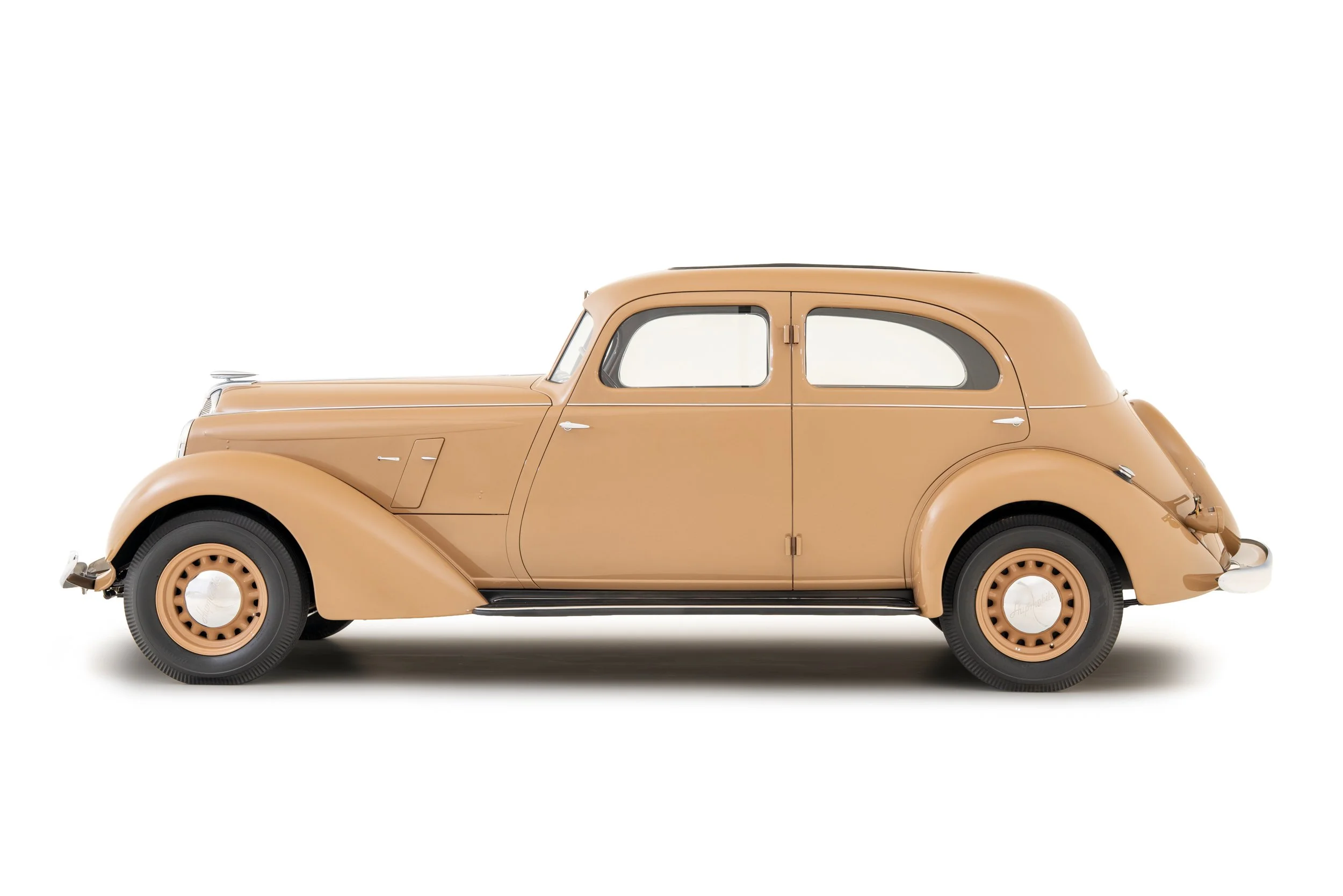 Image 7 of 22
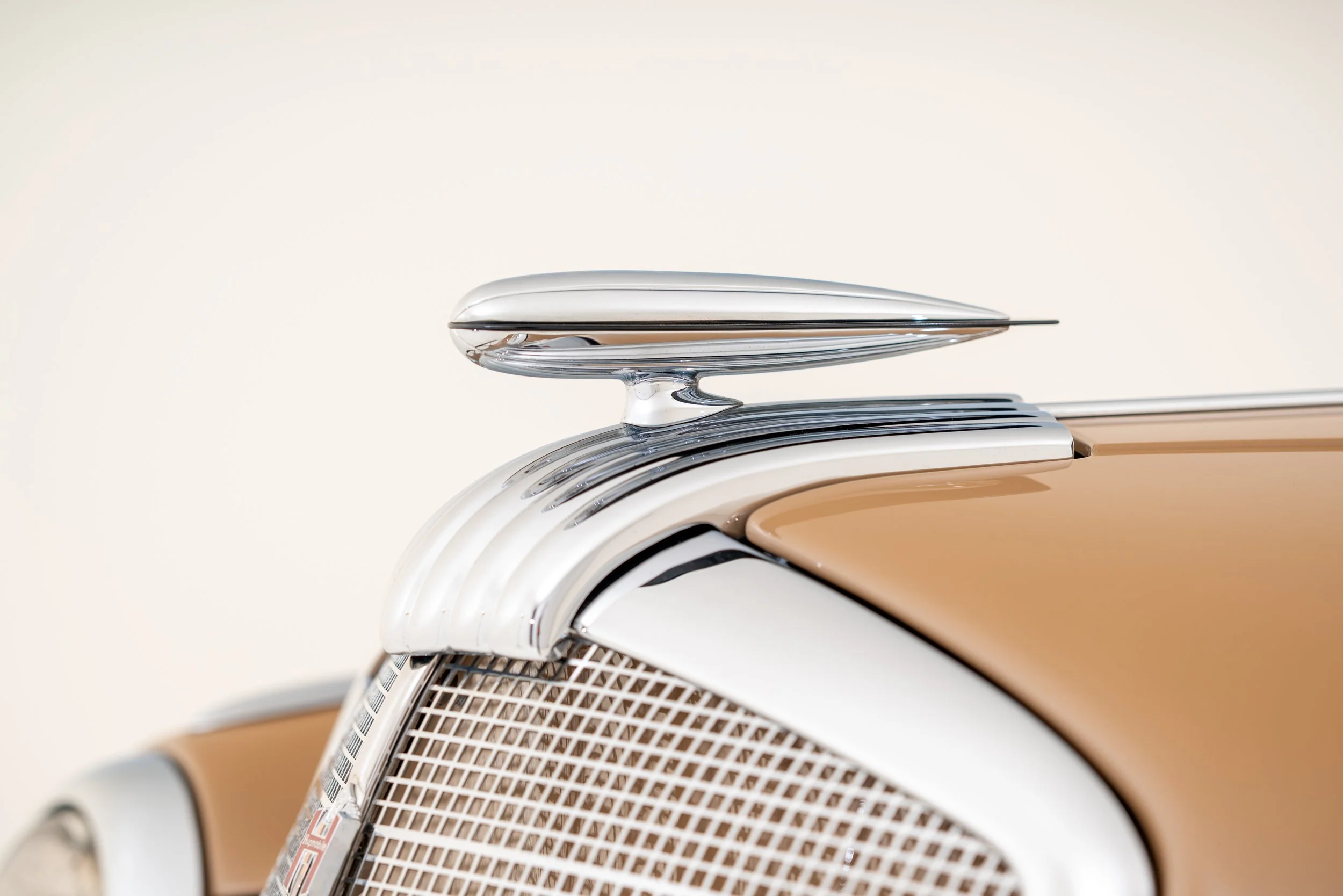 Image 8 of 22
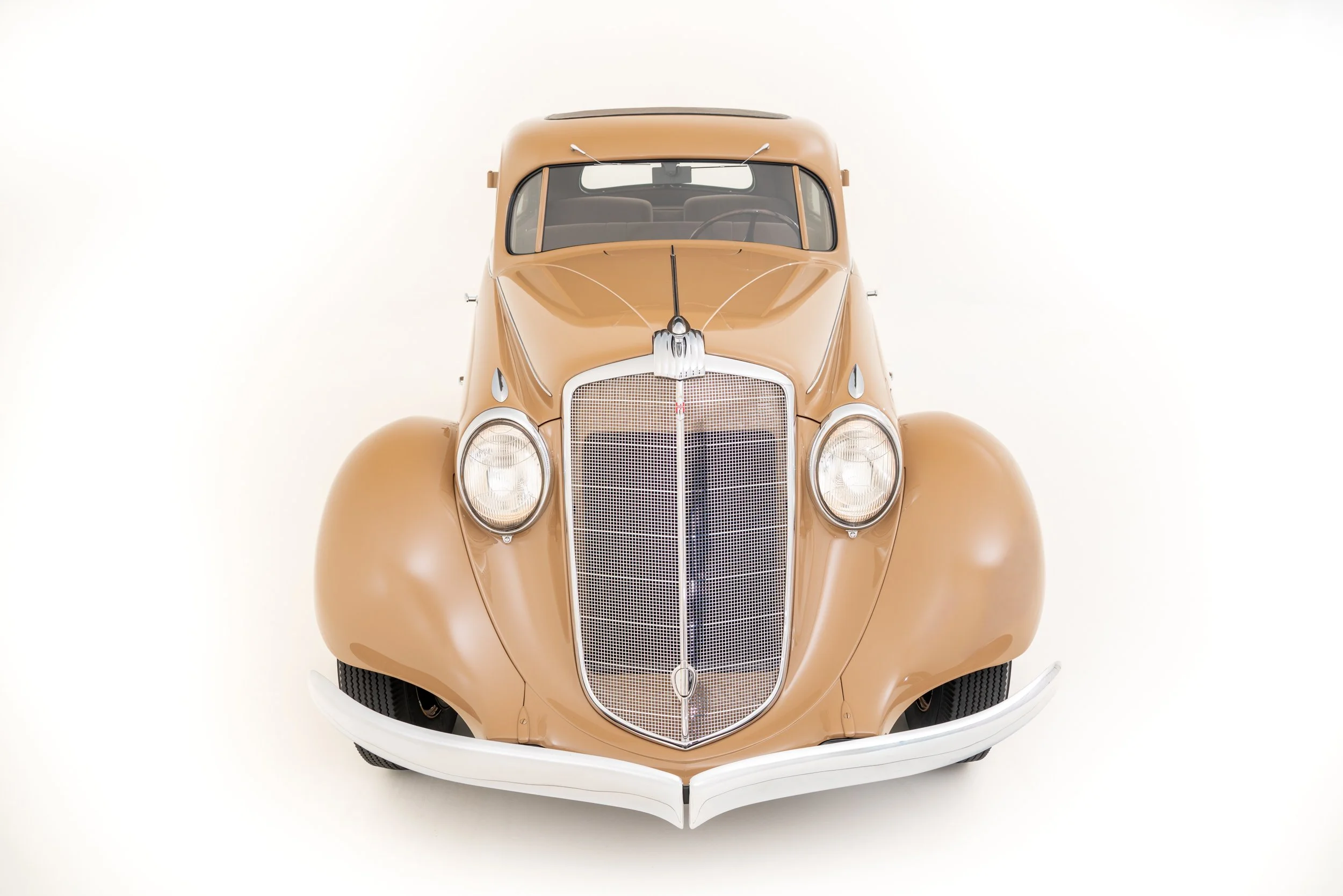 Image 9 of 22
 Image 10 of 22
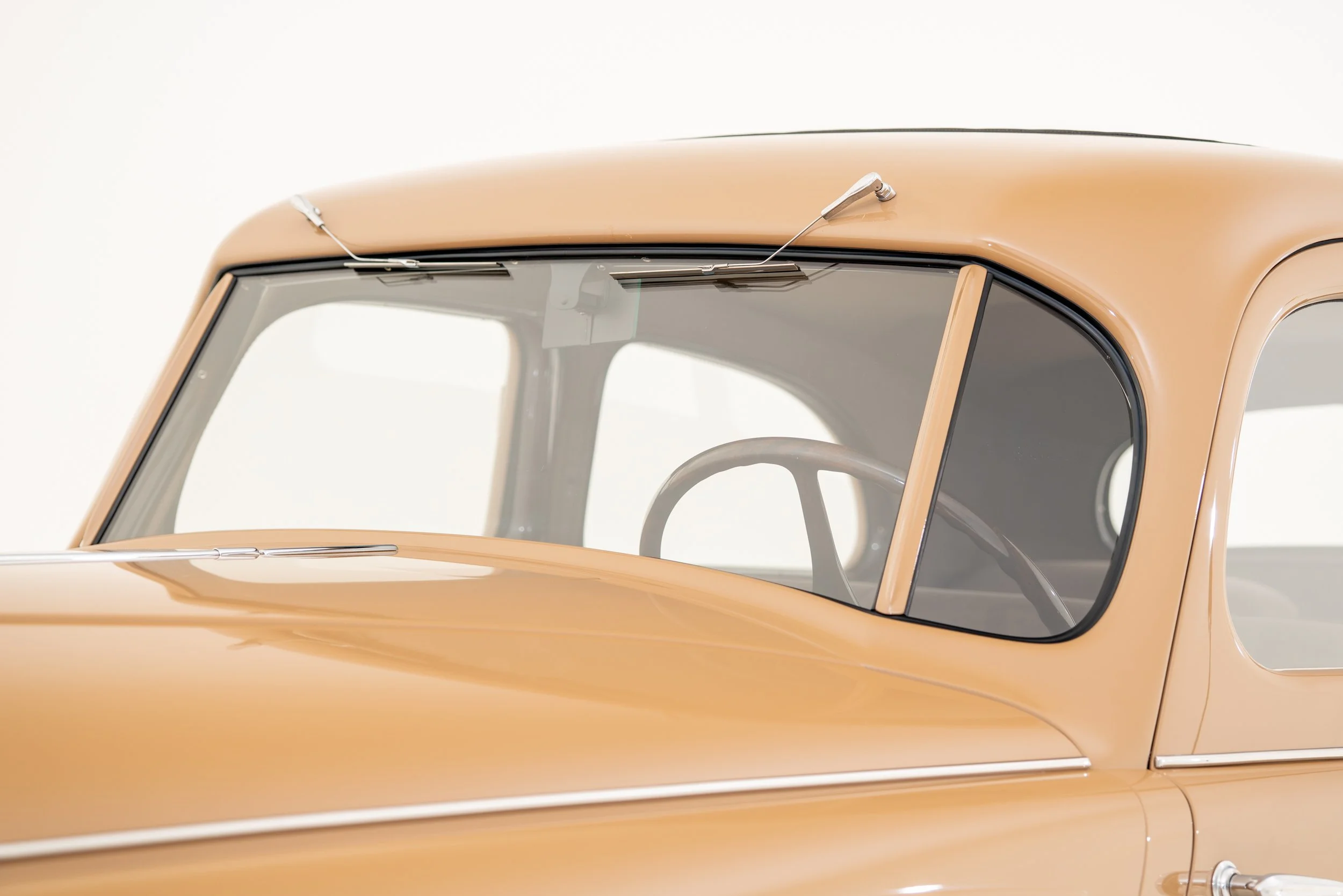 Image 11 of 22
 Image 12 of 22
 Image 13 of 22
 Image 14 of 22
 Image 15 of 22
 Image 16 of 22
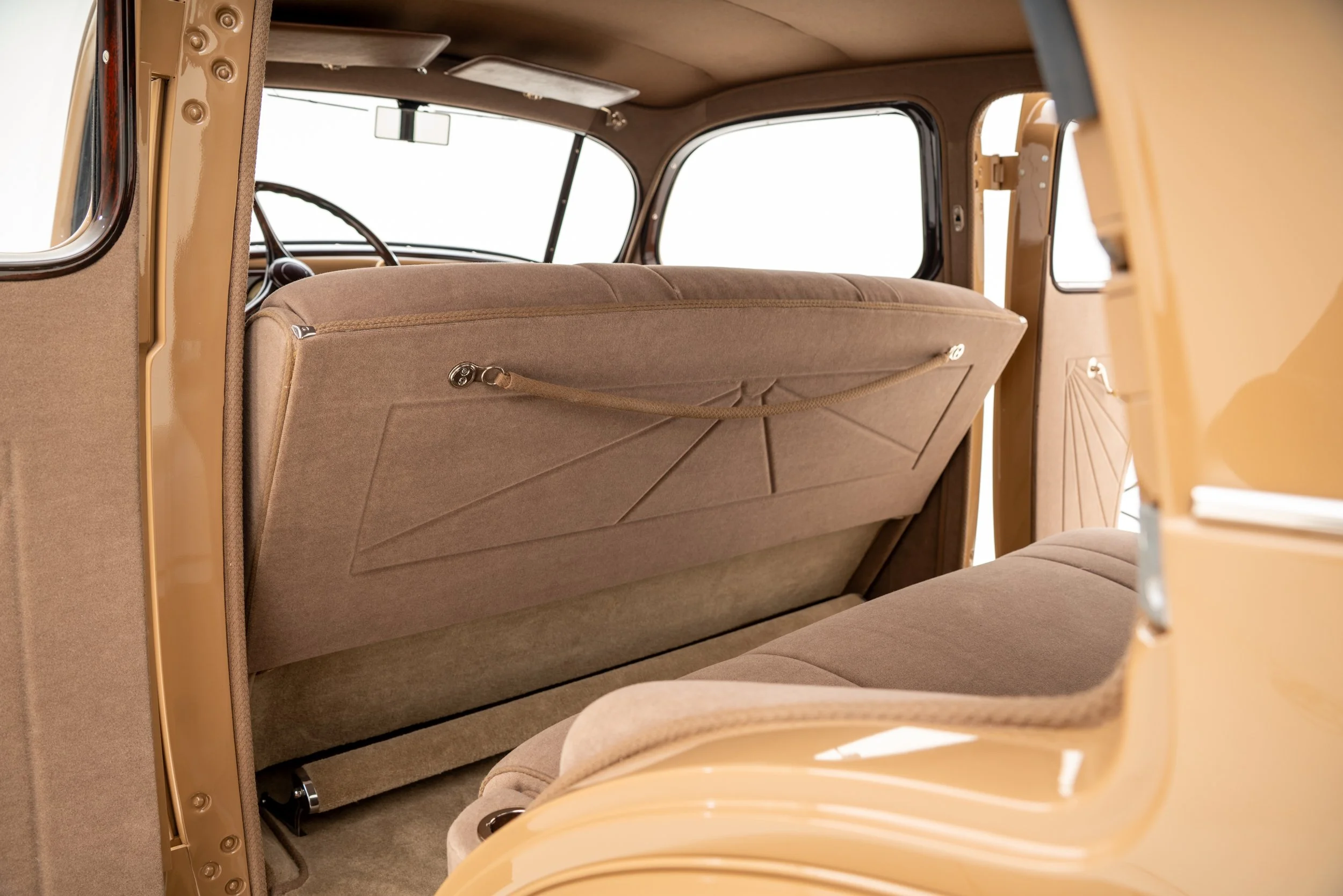 Image 17 of 22
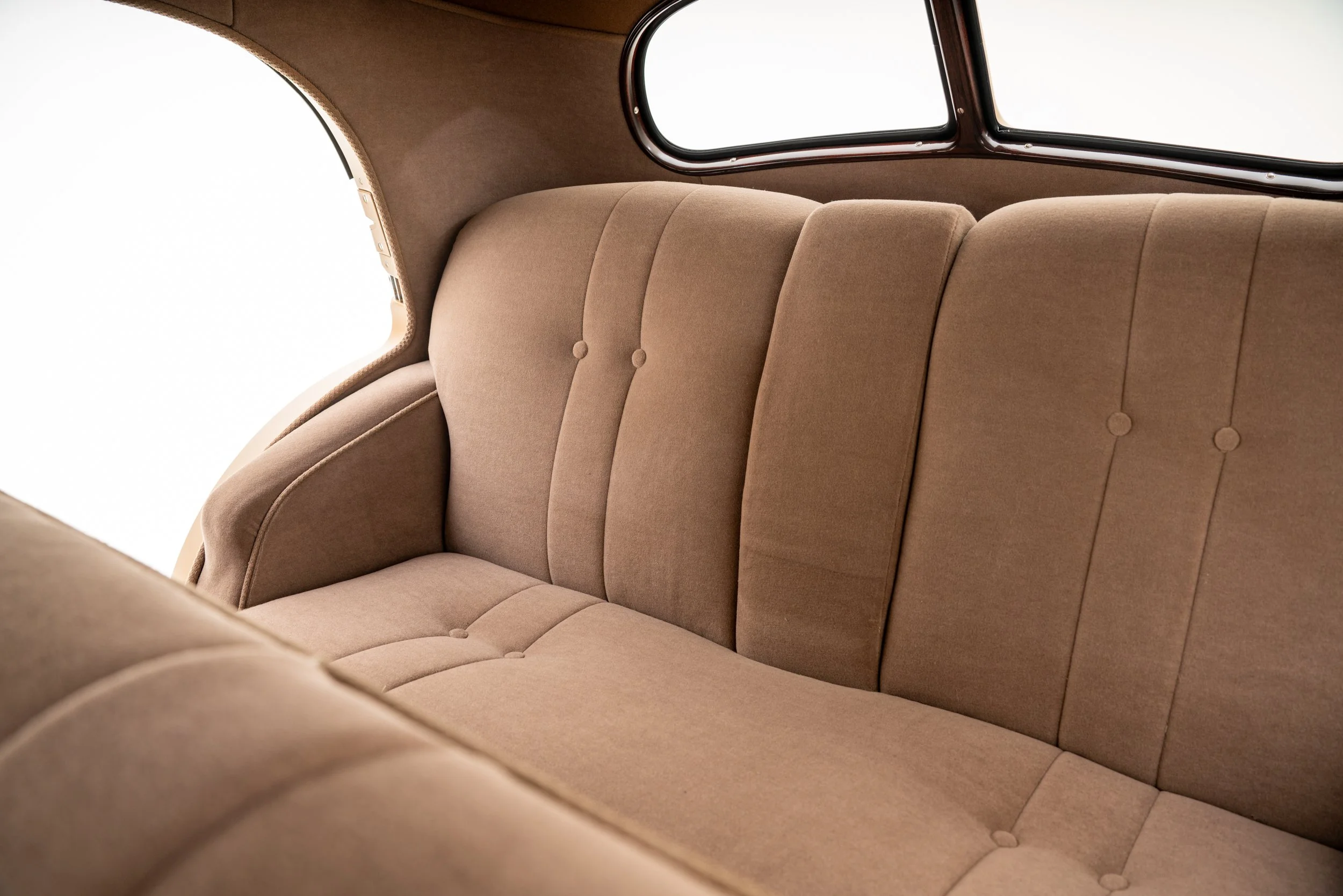 Image 18 of 22
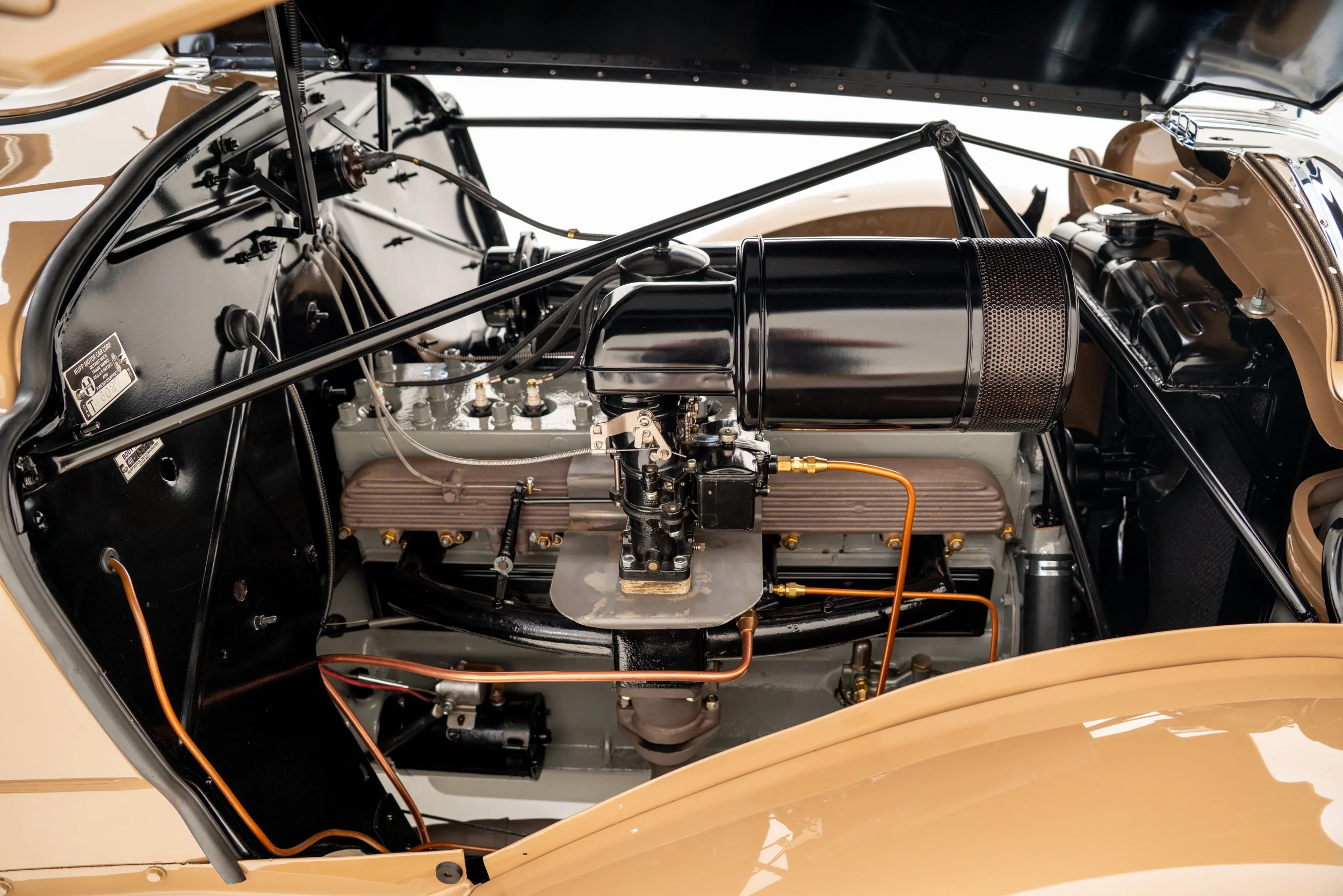 Image 19 of 22
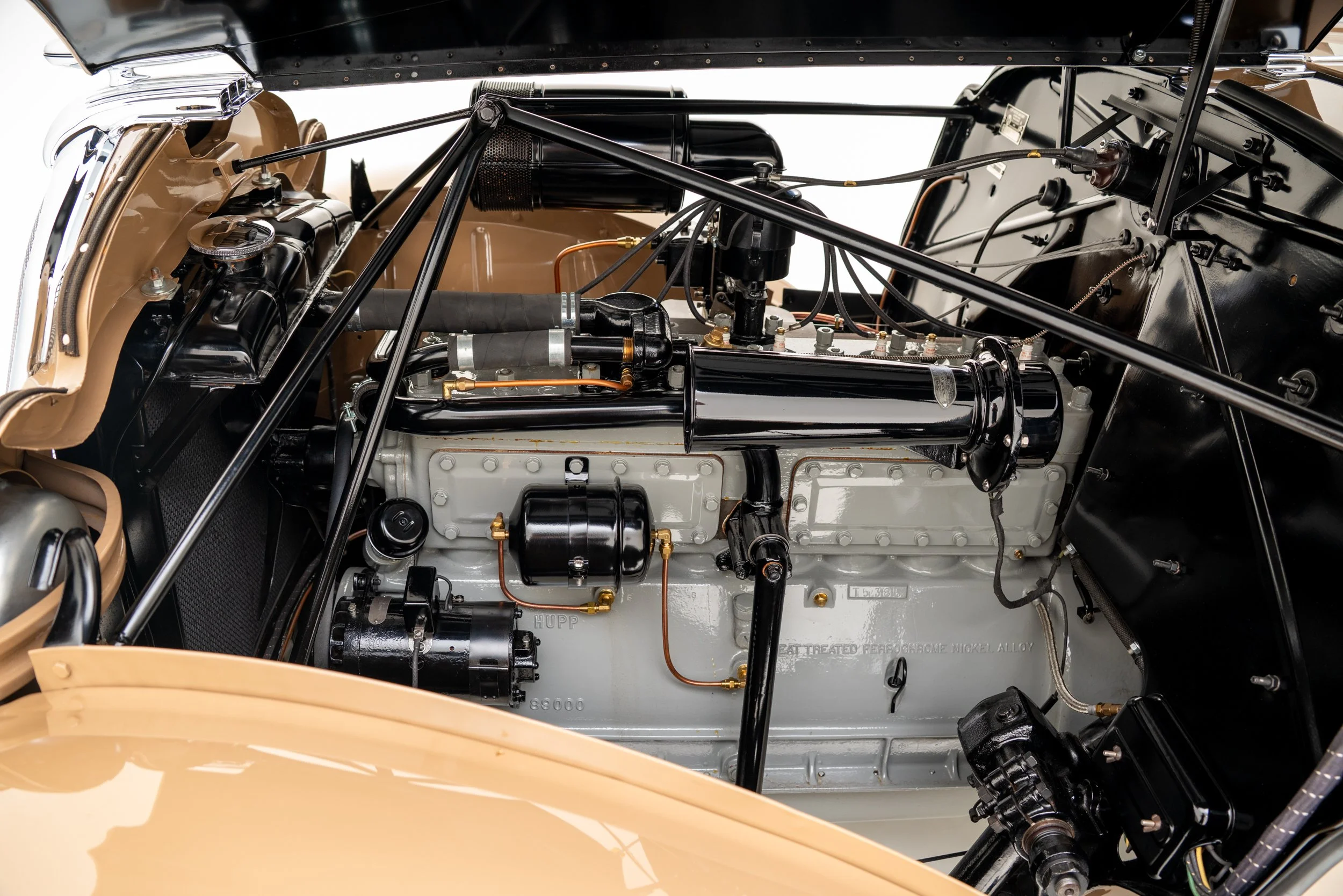 Image 20 of 22
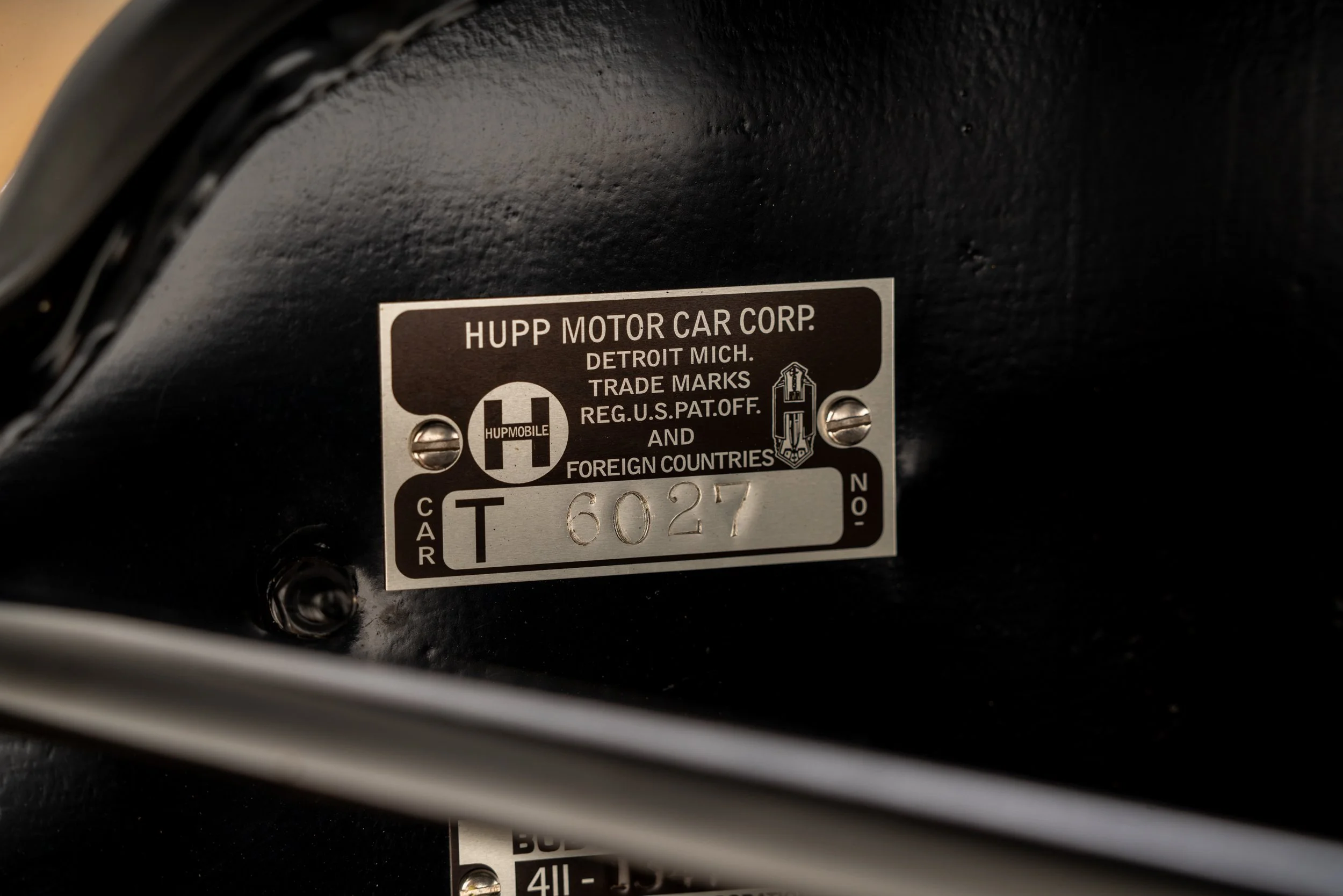 Image 21 of 22
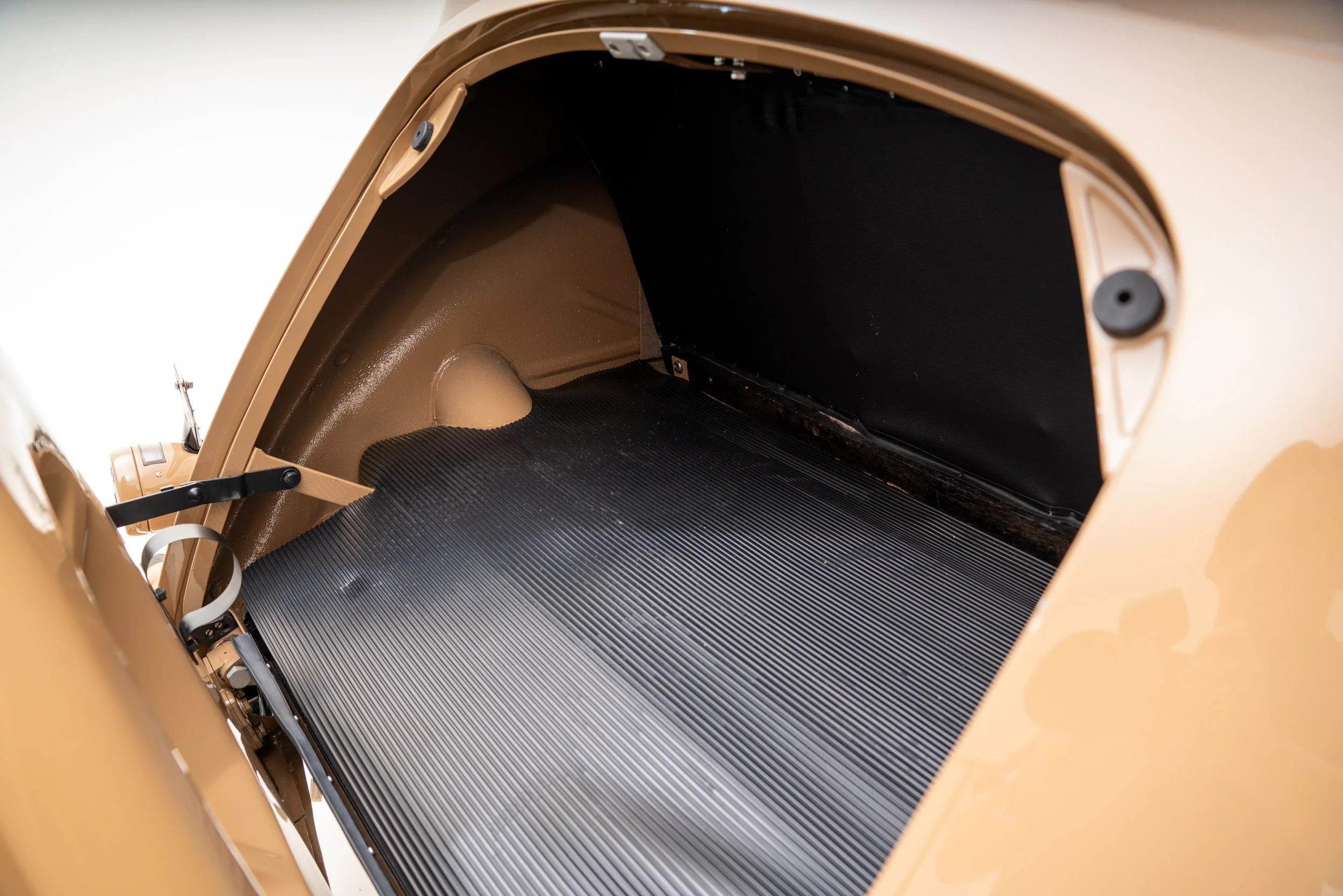 Image 22 of 22
-
Hupp Motorcar Company struggled more than most of the independent manufacturers during the Depression because of a combination of poor business decisions and long running battles with stock speculators for control of the company.
Hupp’s management decided at the onset of the Depression to diversify the body and chassis offerings. They added a six-cylinder product and offered more wheelbase choices. Yet, they stuck with their upper priced eight-cylinder cars. This was the opposite of the successful strategy they employed during the post-World War I recession when they reduced offerings and focused on value priced products.
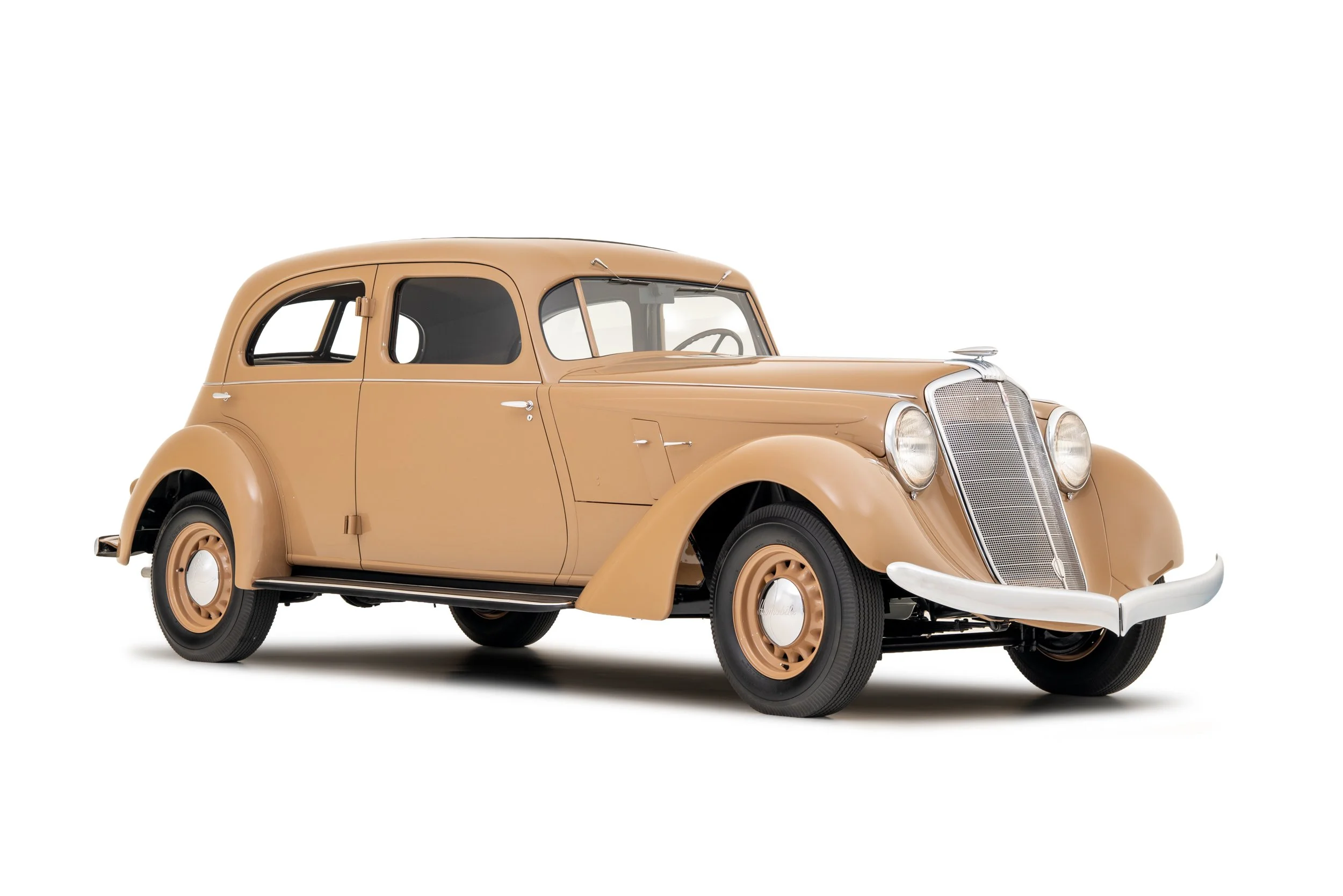
The new “aerodynamic” styling was introduced in 1934. The new look was credited to Raymond Loewy although it is widely acknowledged that Amos Northup had a hand in the styling as well. This big step away from traditional automobile design of the period included a three piece wrap around windshield, steeply sloped grille, headlights faired into the fenders and fastback bodies with integrated trunks and spare tires. The company’s attempt to use bold design as a marketing ploy to drive more sales was a failure. Although striking cars won accolades in European Concours d’Elegance, they did not impress economically hard pressed American consumers.
Behind the scenes, Hupp management was wasting precious resources while it was distracted by ongoing legal battles with its major shareholder and former director, Archie M. Andrews. Since the peak sales period of 1925-1928, Andrews had been attempting to take control of the company. He was not the only one. Other corporate sharks of the period also made moves to gain controlling interest in Hupp. But, it was Andrews that persisted in his battles for control. He briefly prevailed and became chairman of the board in 1935-36 but his lack of automobile manufacturing knowledge and mercurial management style resulted in disastrous turnover of management personnel and further management mistakes. He persisted in his attempts to gain more control of the company until ultimately, there was nothing left to take over.
By mid-1935, the company’s share price was at a new low and the corporation was facing delisting from the stock exchange. The delisting was only stopped by the SEC stepping in to “protect” shareholders and allow the company to institute a turn around plan. The sad end to Hupp was a matter of time at his point, the turnaround was not successful and the company entered bankruptcy on November 1st, 1940. -
Company
Hupp Motorcar Company
Make
Hupmobile
Model
527-T
Body Style
Sedan, 4-dr, 5-pass.
Body ManufactureMurray Corporation
Model year
1935
Wheelbase
127.5 inches
Length
N/A
Engine
L-head, Inline-8, 303.2 cid
Horsepower
120 bhp @ 3500 rpm
Transmission
3-speed manual
Original Base Price
$1,395
Brand Production
9,346
This Car Production
547 of all 527-T -
In 1935, with sales continuing to slide, turnover of management personnel happening at a rapid pace, and the ongoing legal battles, the decision was finally made mid-year to discontinue the eight-cylinder cars. As a result, the series 521-O and 527-T saw fewer than 900 cars of all body styles produced.
Nothing is known of the history of this Hupmobile 527-T prior to its discovery and subsequent restoration by The NB Center.