
 Image 1 of 13
 Image 2 of 13
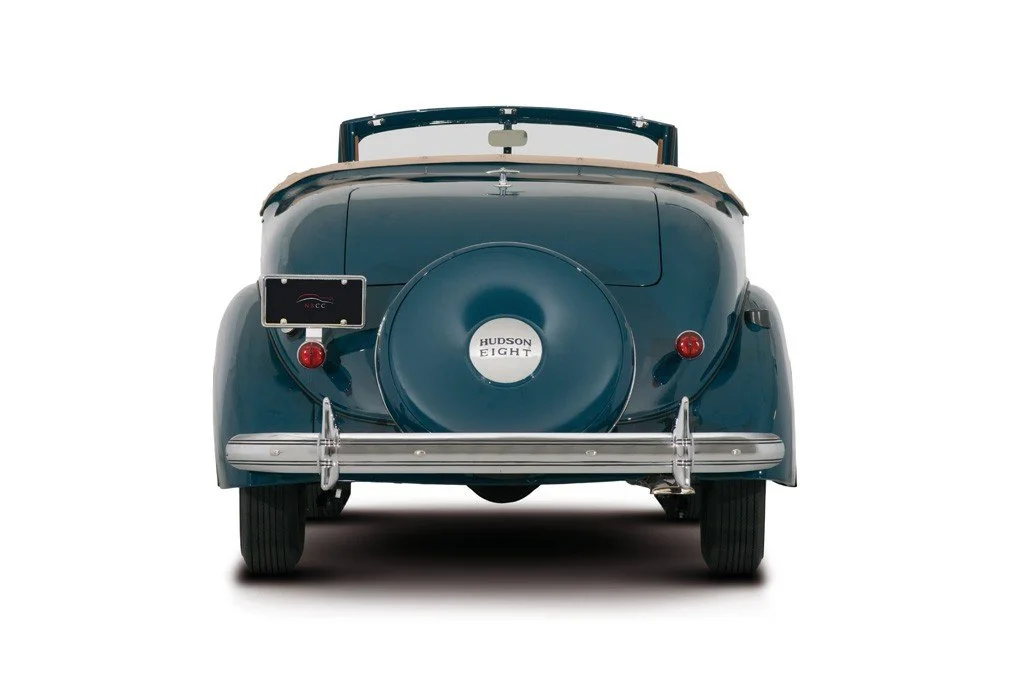 Image 3 of 13
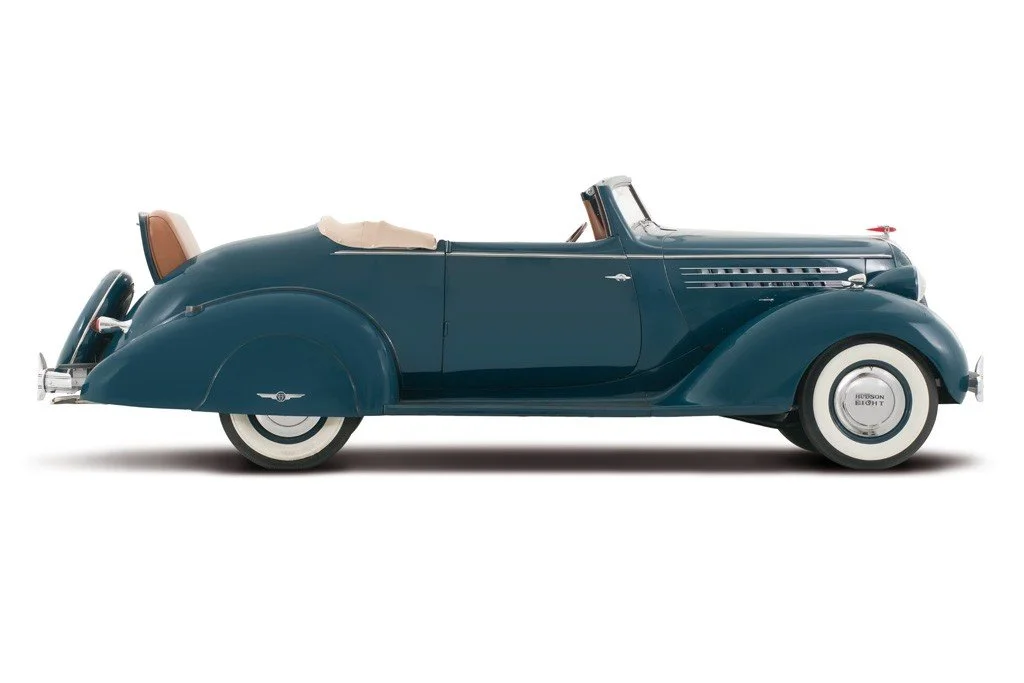 Image 4 of 13
 Image 5 of 13
 Image 6 of 13
 Image 7 of 13
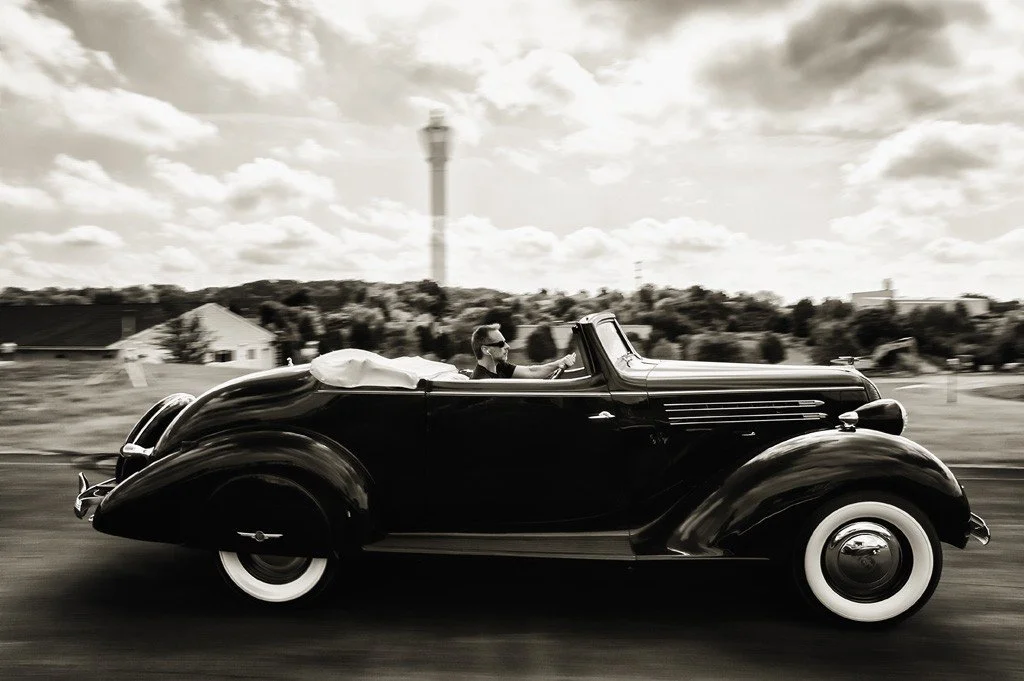 Image 8 of 13
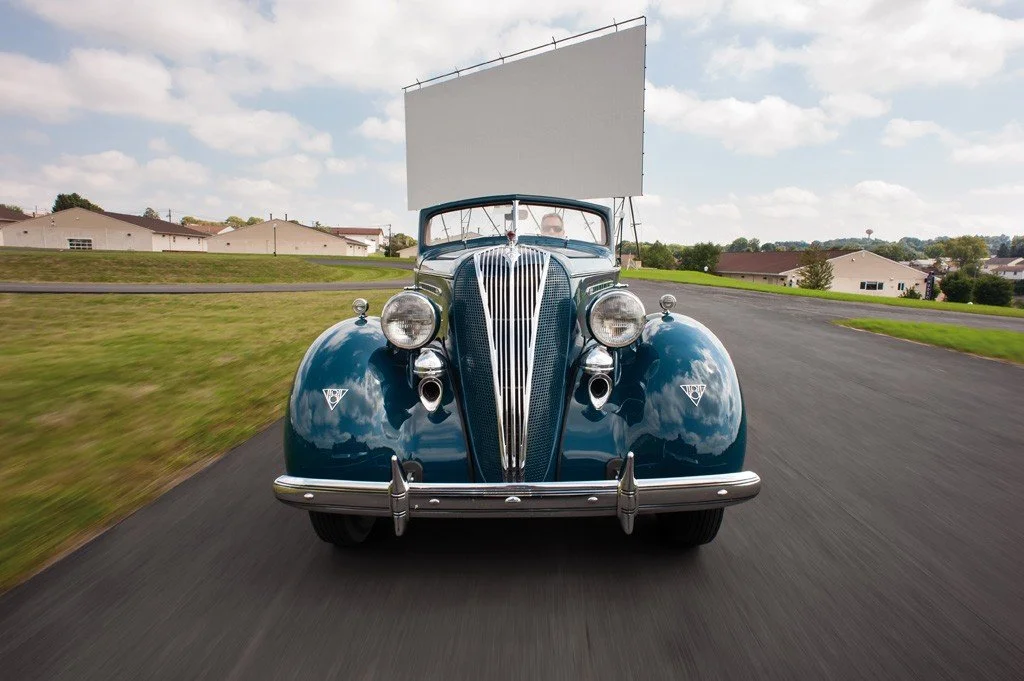 Image 9 of 13
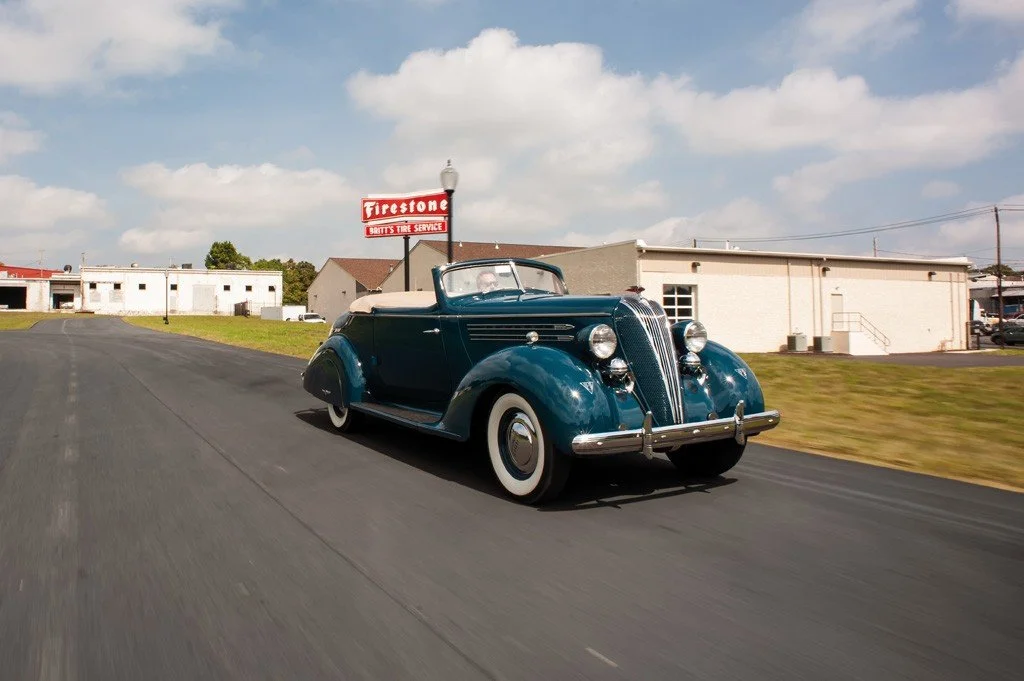 Image 10 of 13
 Image 11 of 13
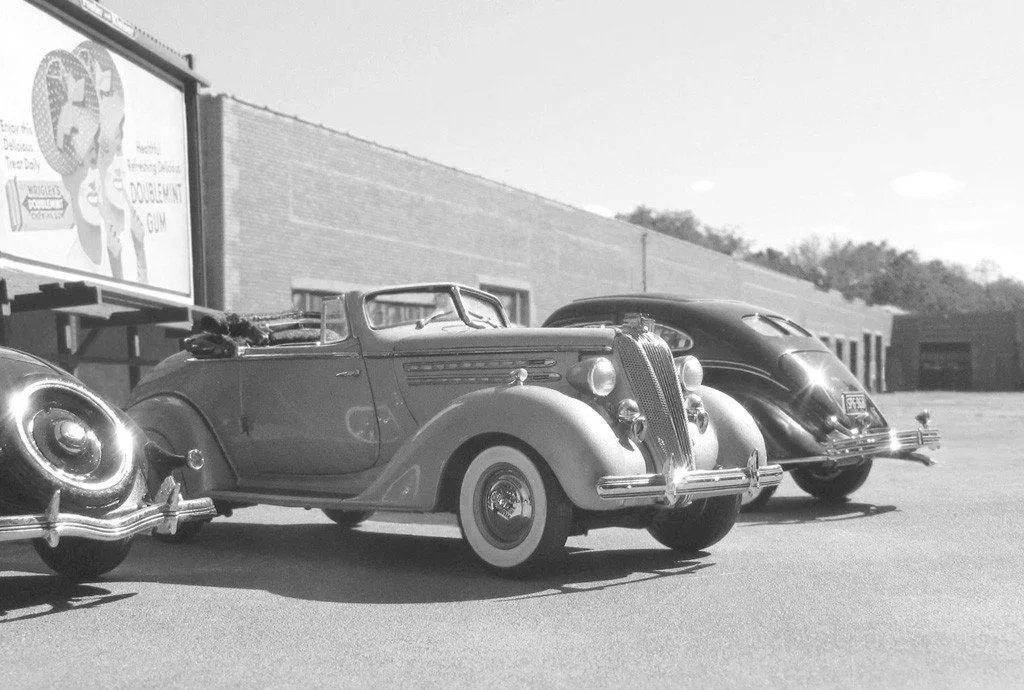 Image 12 of 13
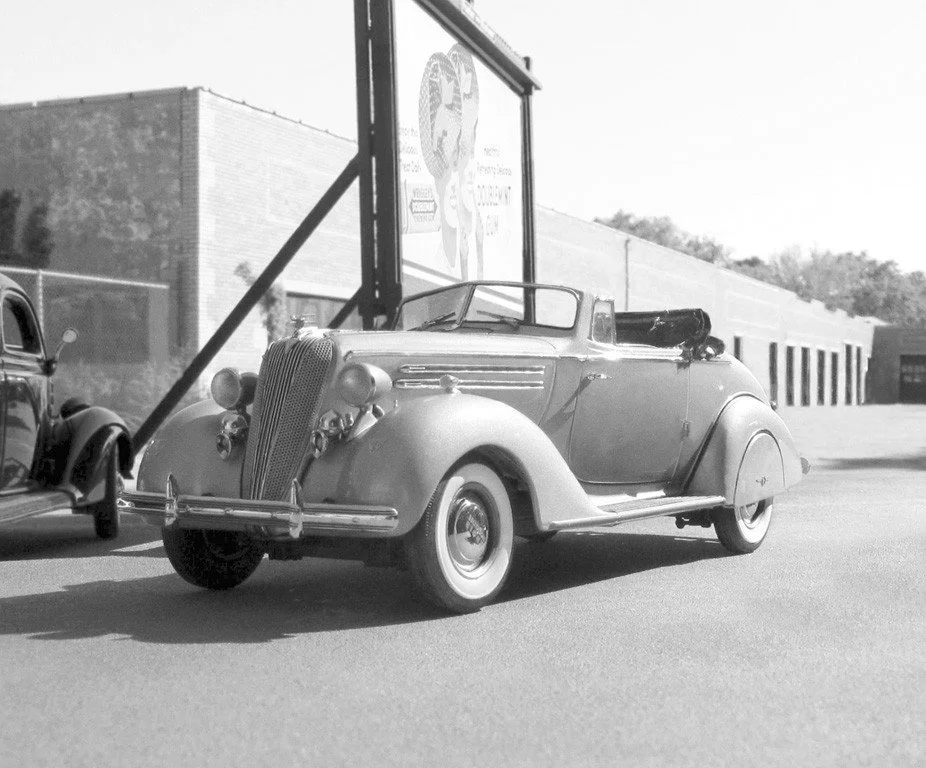 Image 13 of 13
-
The Depression hit the independent automobile manufacturers very hard. Hudson managed to survive the worst of it by producing a new low cost car called the Essex Terraplane. Introduced in the 1932 model year, sales of the low cost Essex kept the company alive but just barely.
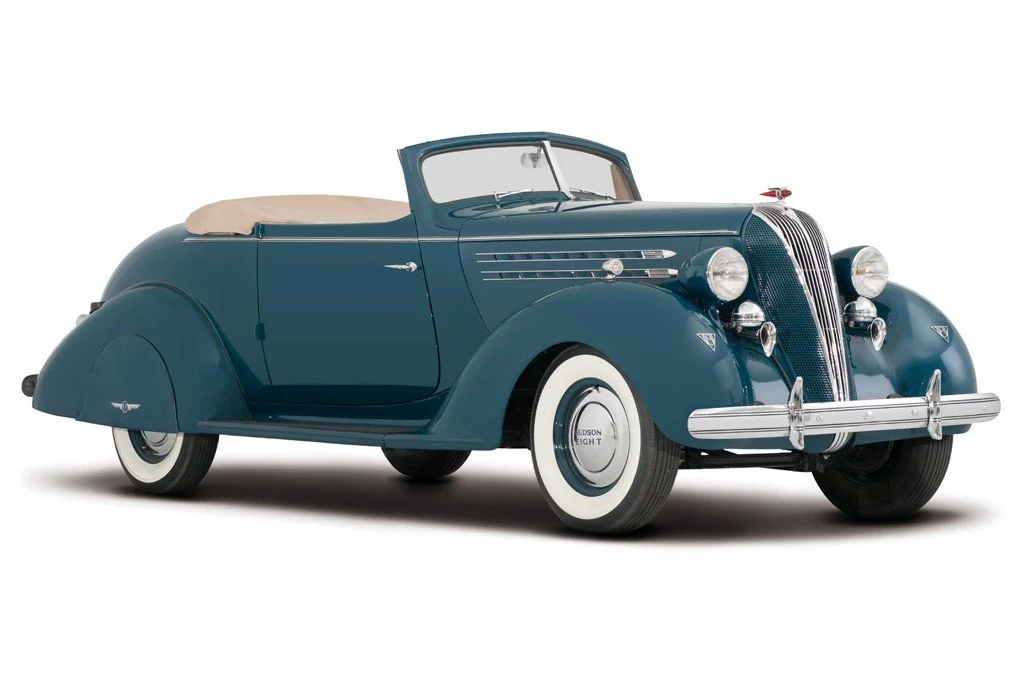
With the worst of the Great Depression now behind them, Hudson redesigned their cars for 1936. Adopting a more modern look, the cars got longer and wider. The bodies got noticeably more rounded. The front fenders got taller with a more domed appearance. Most notably, the grille was redesigned in the ornate late art deco style of the period. The outward appearance was a dramatic change from the 1935 cars.
The changes did not stop with the styling. A new hydraulic braking system with a mechanical back-up function was fitted to all cars. Feeling pressure from General Motors adoption of independent front suspension, Hudson devised “Radial Safety Control”. This front suspension system utilized a solid beam front axle with the ends controlled by radius arms affixed to the frame. This allowed the use of softer springs which improved both the ride and handling.
Hudson also offered the option of a “preselector” transmission, called “Electric Hand”. Shifting was done by moving a small lever mounted on the side of the steering column into the driver’s chosen gear before depressing the clutch pedal. The actual shift happened on its own when the pedal was depressed.
All the updates to Hudson products made a big impact on sales. Combined Hudson and Essex production for the 1936 model year climbed to 123,266, a level not seen since 1930 but still well below the peak of over 300,000 cars in 1929. Despite the improved sales, Hudson fell from seventh ranking in the US industry to eighth place with Buick surpassing them. -
Company
Hudson Motor Car Company
Make
Hudson
Model
Custom Eight, series 65
Body Style
Convertible, 2-door, 4-pass.
Body Manufacture
Fisher Body Company
Model year
1936
Wheelbase
120 inches
Length
N/A
Engine
inline-8, L-head, 254 cid
Horsepower
113 bhp @ 3800 rpm
Transmission
3-speed manual
Original Base Price
$970
Brand Production
25,409 calendar year
This Car Production
2,413 for all Custom Eight, series 65 -
This Hudson was purchased at auction in 2007. It is believed to be one of six known surviving examples of the Custom Eight convertible coupe. The car was fully restored to Concours level by a previous owner who then campaigned the car at the major shows and concours around the country.
Today, the eye-catching Glacier blue paint and the art deco styling details make this a favorite of NB Center visitors and car show spectators. This car is frequently used by The NB Center for driving events since it is equipped with the “Electric hand” preselector transmission and provides a unique driving experience to those lucky enough to get behind the wheel.