
 Image 1 of 16
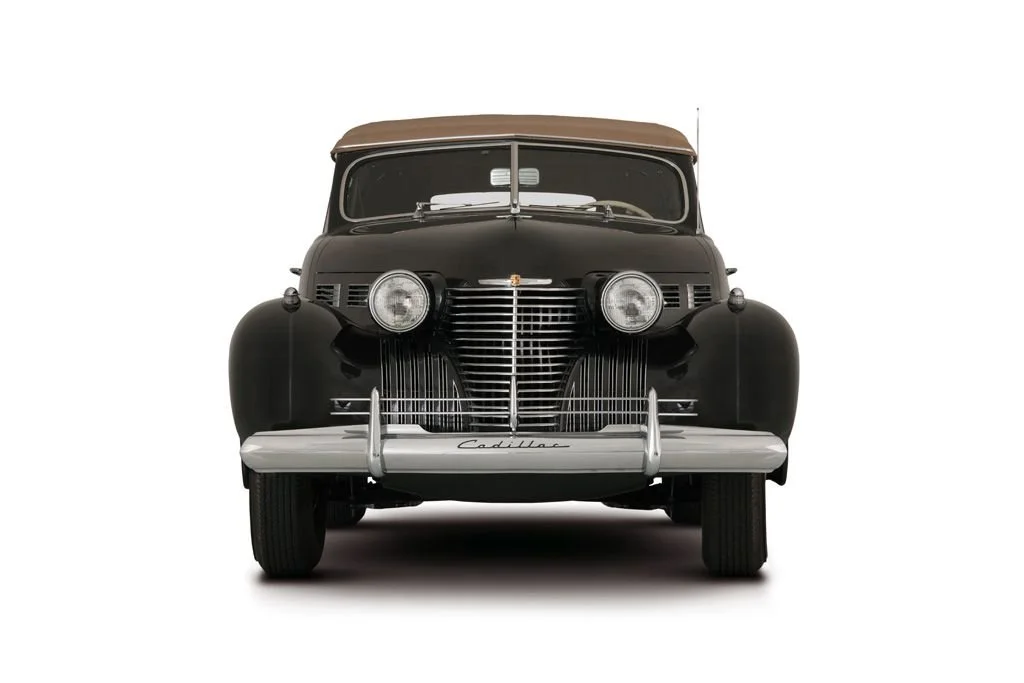 Image 2 of 16
 Image 3 of 16
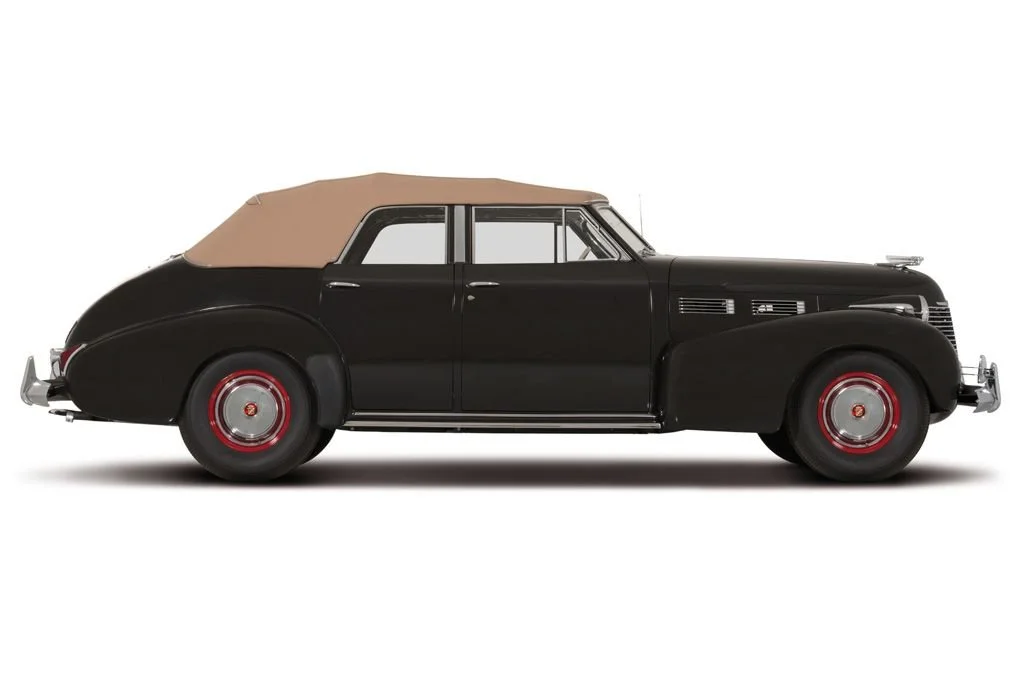 Image 4 of 16
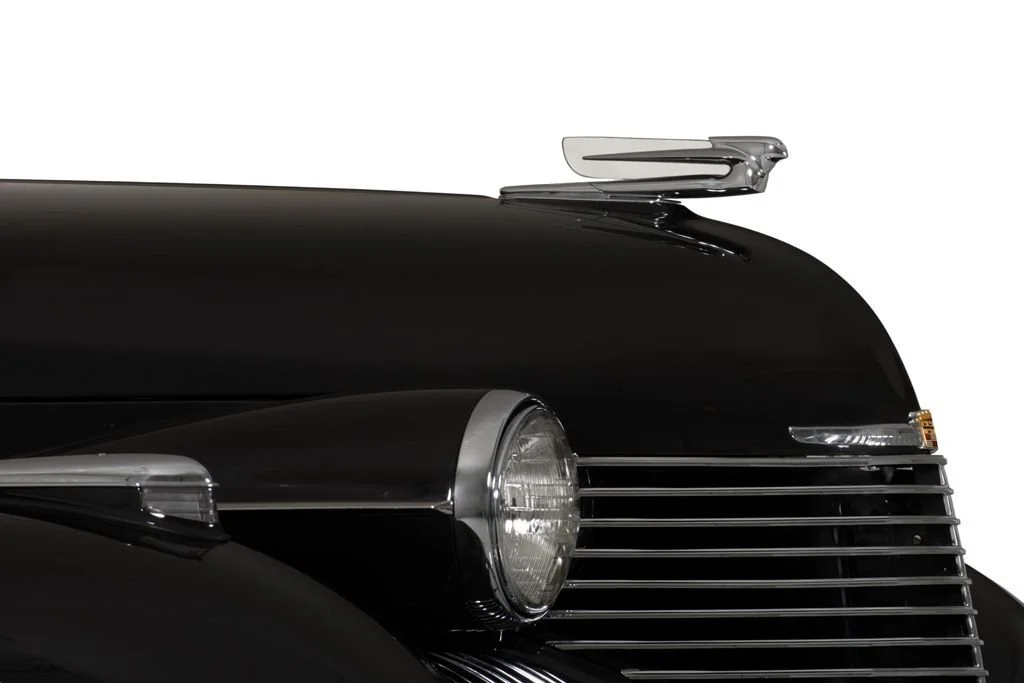 Image 5 of 16
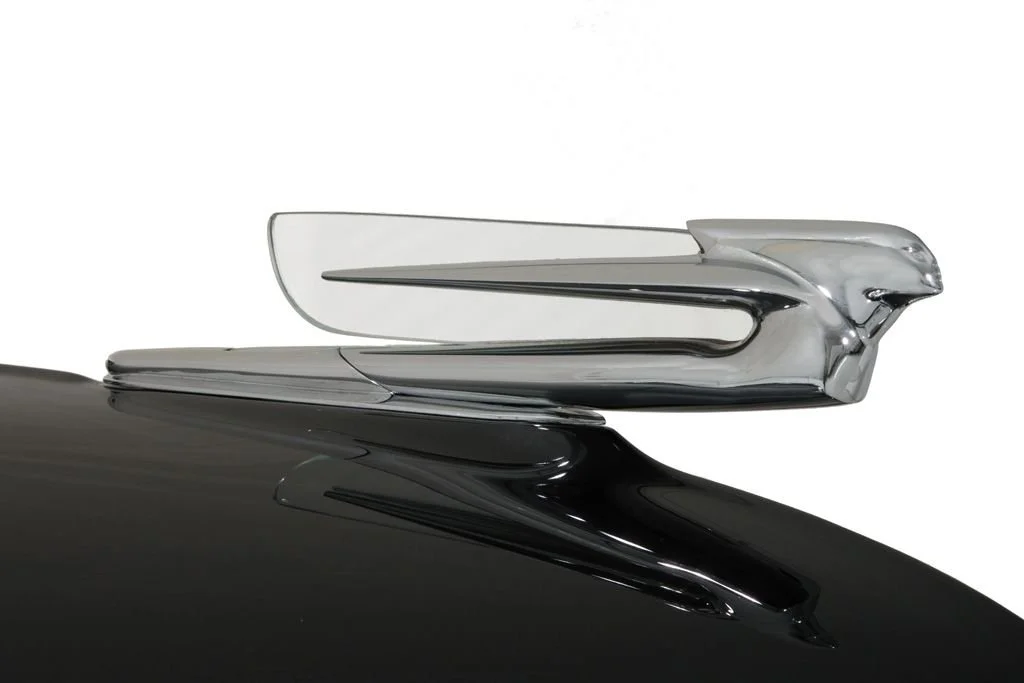 Image 6 of 16
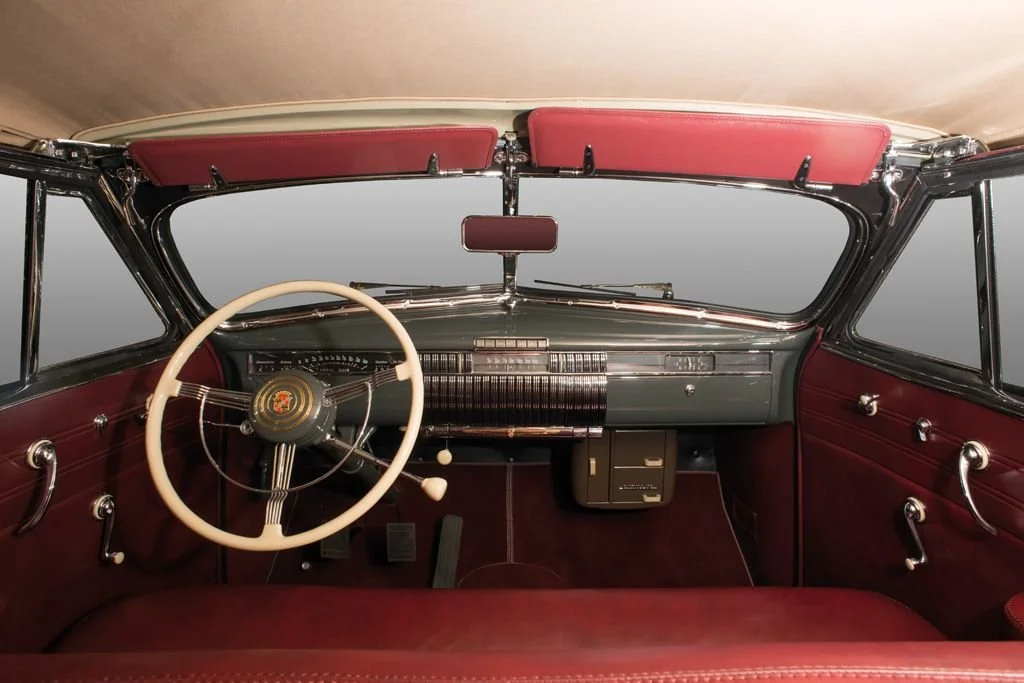 Image 7 of 16
 Image 8 of 16
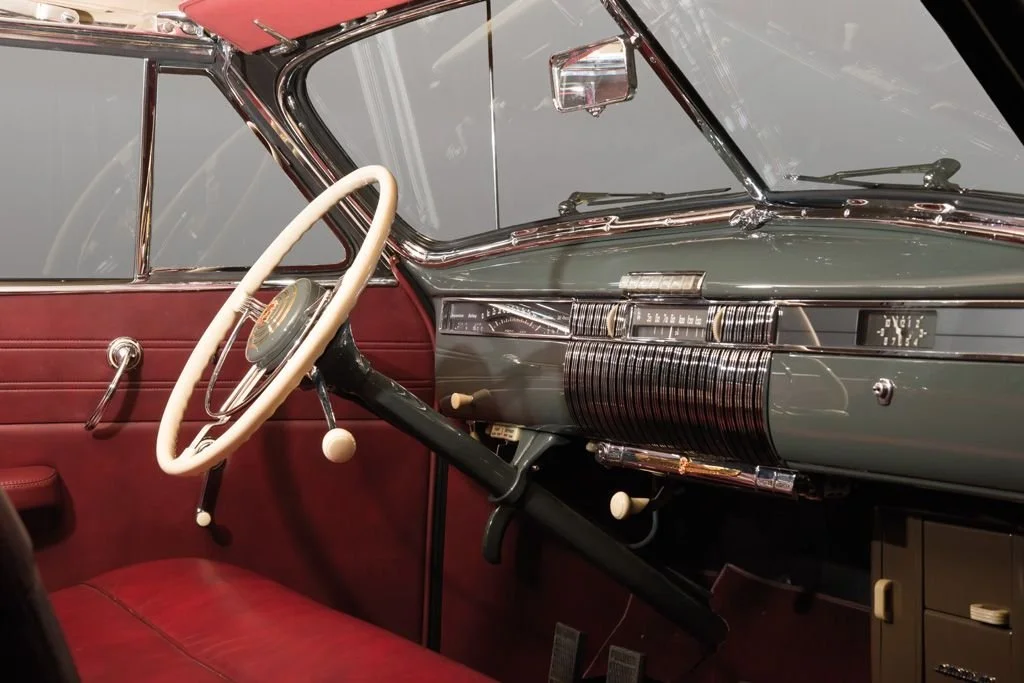 Image 9 of 16
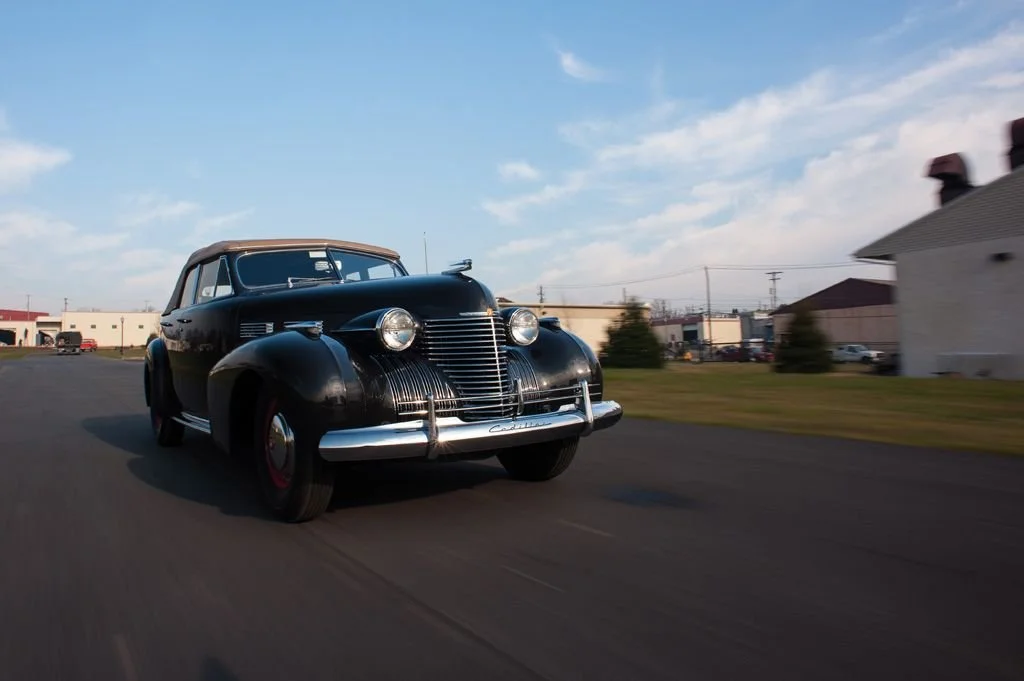 Image 10 of 16
 Image 11 of 16
 Image 12 of 16
 Image 13 of 16
 Image 14 of 16
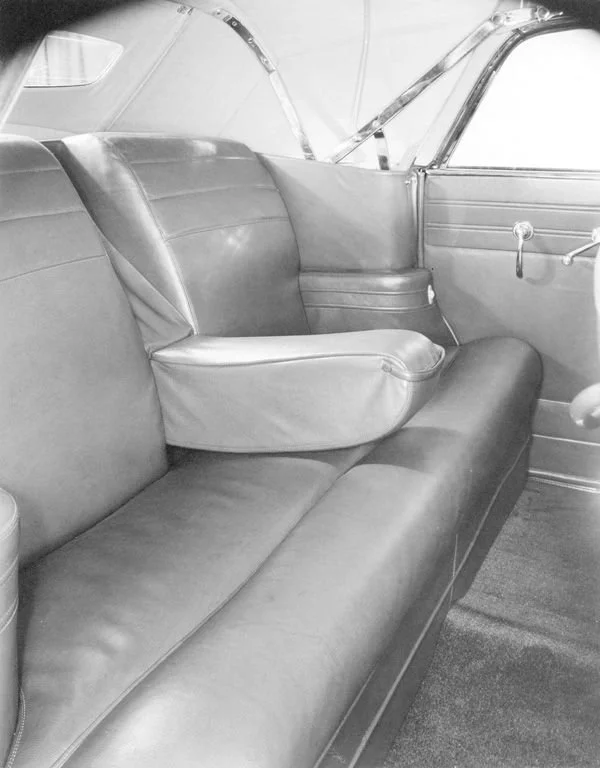 Image 15 of 16
Image 16 of 16
Image 15 of 16
Image 16 of 16
-
Cadillac entered the 1940 model year in the midst of a major evolution in design. The upright grilles and tacked-on bumpers that dominated the fronts of cars from the beginning of the industry were giving way to lower, wider grilles, and bumpers more integrated into the car. Headlights were becoming part of the front fenders, no longer a separate element. At the rear, trunks were extended and made more rounded, integrated more into the overall design while providing more usable space. Overall, the cars got lower beltlines, more rounded shapes, less emphasis on the vertical and more on the horizontal.
The 1940 Cadillac line up was divided into five Series: the entry-level 60, the all new intermediate Series 62, the more up market Series 72 Fleetwood, and the luxury long-wheelbase Series 75 with its ample selection of Fleetwood body styles. Finally, the top of the line and most exclusive Series 90, with its 16-cylinder engine, would make its final appearance in this model year.
The most popular series in terms of sales was the Series 62. It was offered in four body styles: Touring Sedan, 5-passenger with a base price of $1,745, Coupe, 2-passenger priced at $1,685, Convertible Coupe, 2-passenger at $1,795 and Convertible Sedan, 5-passenger at a price of $2,195. The convertibles were a mid-year addition to the Series. Production of 1940 Cadillacs was 12,984 units, of which Series 62 totaled 5,903 units, 45% of all Cadillacs for the model year.
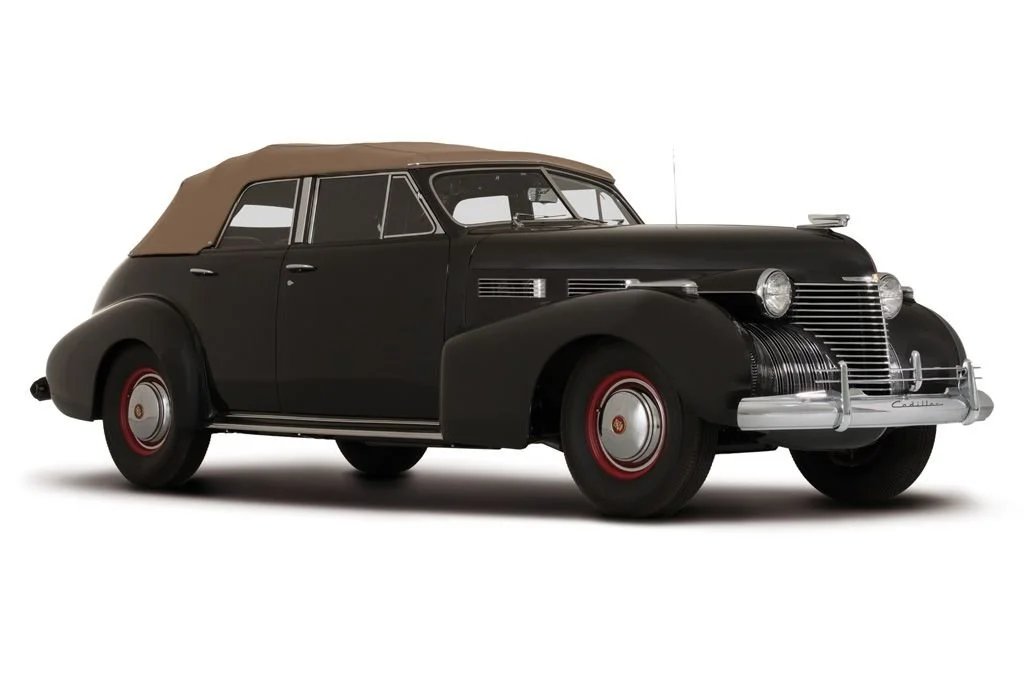
The Series 62 Convertible Sedan was one of the new “Torpedo” bodies designed by Bill Mitchell. The Fisher Body constructed torpedo bodies had lower windshields and a slight rounding from top to bottom of the sides of the bodies that gave the cars a hint of a “torpedo” shape when viewed from the front. To further emphasize the new look, running boards were no longer standard but an option on Series 62, provided on request at no extra cost. Also, for the first time ever, integrated turn signals were standard equipment. -
Company
General Motors
Make
Cadillac
Model
6229
Body Style
Convertible Sedan, 4-dr, 6-pass.
Body Manufacture
Fisher Body Company
Model year
1940
Wheelbase
129 inches
Length
216.1 inches
Engine
V8, L-head, 346 cid
Horsepower
135 @ 3400 rpm
Transmission
3-speed manual on the column
Original Base Price
$2,195
Brand Production
12,984
This Car Production
75 -
This particular 1940 Cadillac had a long history within the circle of friends of Nicola Bulgari. The car was acquired in the late 1950’s by Mr. Bulgari’s long time friend Bernard “Bernie” Berman of Allentown, PA. Bernie drove the car daily for some time. He eventually retired the car to the building that housed his growing car collection. The car would remain in the collection sitting on jack stands from the 1960’s until some time in the mid-1990s. Bernie sold the car to his friend Arnold Rapoport, also of Allentown. Rapoport would recommission the car, getting it to run and drive reliably but mostly leaving the cosmetics untouched and original. The Rapoport family drove the car regularly, often showing it as an example of a “preserved” old car at local shows.
In 2002, Mr. Rapoport agreed to sell the car to Mr. Bulgari with the understanding that the car would finally get the restoration it deserved and Mr. Rapoport would be able to drive it. The car would remain in its “as found” condition for another six years until Precision Motor Cars began an extensive restoration in January 2008. Taking two years to complete, there was not a single nut or bolt that did not receive attention as part of a comprehensive restoration that returned the car to its 1940 splendor.
Originally the car was black with black leather but it was restored in a correct 1940 Cadillac color of Knickerbocker gray and finished with rich oxblood maroon leather. The dark gray, almost black, of the body is offset with blood red wheels and a tan canvas top.